
 Save 15% on your 1st Autoship learn more

 Email us
 Live Chat
 FAQs
FAQs





Introduction
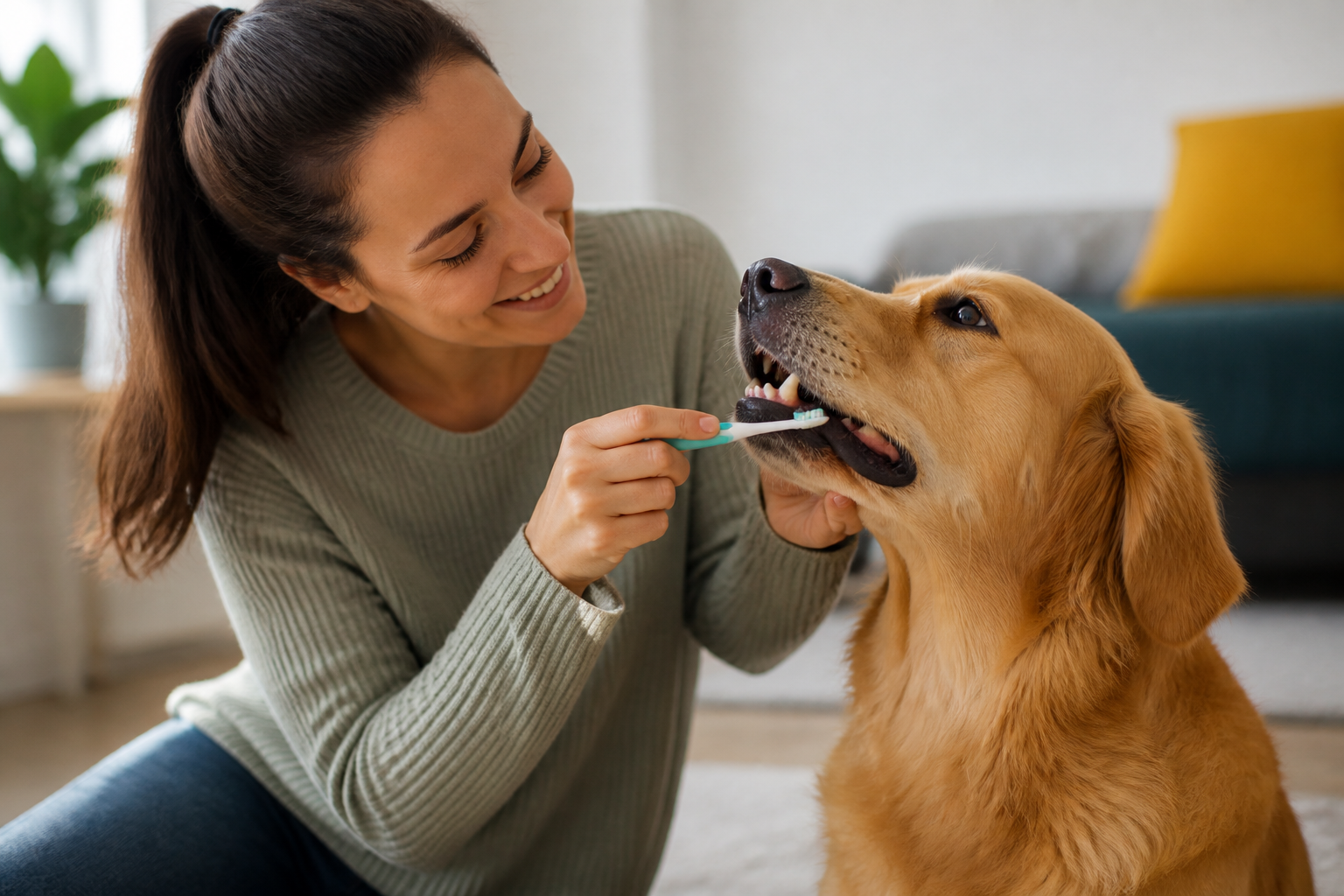
You lean in for a happy morning nuzzle, but instead of sweetness, you are met with a wave of breath that could peel paint. Many pet owners notice bad breath or a yellow tint along the gumline and wonder if they are falling behind on care. Dental health is a cornerstone of overall wellness, yet it is often the most overlooked part of a grooming routine. At BaxterBoo, we have helped pet parents navigate every stage of care since 2006, and we know that a clean mouth means a much happier dog. This post covers the practical steps for brushing, effective alternatives for dogs who hate the toothbrush, and how to spot signs of trouble. Taking charge of your dog's oral hygiene now can prevent discomfort and expensive veterinary procedures later.
Quick Answer: Clean your dog's teeth by using a dog-specific toothbrush and toothpaste in small, circular motions daily. If your dog resists brushing, use VOHC-approved dental chews, water additives, or dental powders to help manage plaque and tartar.
Why Dog Dental Care Is Not Optional
Plaque is a sticky film of bacteria that starts forming on teeth just hours after a meal. If it is not brushed away, it mixes with minerals in the saliva and hardens into tartar within two days. Once tartar forms, it creates a rough surface where even more bacteria can thrive. This buildup eventually moves under the gumline, leading to inflammation and potential tooth loss.
Maintaining oral health is about more than just fresh breath. Bacteria in the mouth can enter the bloodstream through inflamed gums. This can lead to complications for the heart, liver, and kidneys. Since dogs use their mouths for everything from eating to playing fetch, keeping those teeth strong is essential for their quality of life.
Key Takeaway: Plaque turns into tartar in as little as 48 hours. Consistent daily care is the only way to prevent permanent buildup that requires professional intervention.
Essential Tools for Home Cleaning
You cannot use human toothpaste for your dog. Human products often contain xylitol, which is toxic to dogs, or foaming agents that can upset their stomachs. You need supplies specifically designed for canine mouths.
- Dog Toothpaste: These come in flavors like poultry, beef, or peanut butter to make the experience more pleasant.
- A Suitable Brush: You can choose a long-handled brush with angled heads or a silicone finger brush. Finger brushes are often better for beginners or small dogs.
- Dental Wipes: These are textured pads used to rub away surface plaque when a brush is too much for the dog to handle.
- Rewards: Have small, high-value treats ready to reinforce good behavior during the process.
We carry a wide range of these supplies from trusted brands like Kong and Nylabone in our dog dental and breath care collection. Having the right gear makes the process faster and safer for everyone involved.
Step-By-Step Guide to Brushing Your Dog's Teeth
If your dog is not used to having their mouth handled, do not try to brush every tooth on the first day. The goal is to make this a neutral or positive experience.
Step 1: Get them comfortable with touch.
Spend a few days just lifting your dog's lips and touching their teeth with your finger. Give them a treat immediately after. Do this when they are calm and relaxed.
Step 2: Introduce the toothpaste.
Let your dog lick a small amount of dog-safe toothpaste off your finger. Most dogs enjoy the meat-based flavors. This helps them associate the brush with a treat rather than a chore.
Step 3: Try the toothbrush.
Put a small dab of paste on the brush. Gently lift the lip and touch the brush to the large canine teeth in the front. Stop and reward them for staying still.
Step 4: Use circular motions.
Once they are comfortable, start brushing in small circles. Focus on the outside of the teeth near the cheeks. This is where the most tartar usually accumulates. You do not need to worry as much about the inside of the teeth, as the dog's tongue does a decent job of cleaning those surfaces.
Step 5: Increase the duration slowly.
Work your way from the front teeth to the back molars. Aim for about 30 seconds on each side. If your dog gets stressed, stop and try again tomorrow.
Vet Tip: If you notice red, swollen, or bleeding gums while brushing, schedule a visit with your veterinarian. These are signs of active gum disease that may require a professional cleaning before you can safely continue a home routine.
For additional guidance, review these pet dental care tips for brushing and maintaining healthy teeth.
What to Do When Your Dog Rejects the Brush
Not every dog will tolerate a toothbrush. If you have a rescue dog with a sensitive history or a pup who simply refuses, you still have options. A multi-layered approach using different products can still provide significant protection.
Dental Powders
Products like ProDen PlaqueOff use a specific type of seaweed that works systemically. When the dog eats the powder, it enters the saliva and helps break down existing tartar and prevent new plaque from sticking. It is a zero-effort way to support oral health.
You can explore our selection of ProDen dental products for powders, dental bones, and soft bites.
Dental Chews and Treats
Mechanical abrasion is a great way to scrub teeth. High-quality dental chews from brands like Greenies or Zesty Paws are designed with textures that wrap around the teeth as the dog bites down. Look for the VOHC (Veterinary Oral Health Council) seal of acceptance on the packaging to ensure the product has been tested for efficacy.
Our Greenies dental products include dog dental chews in different flavors and sizes.
Water Additives
These are tasteless liquids you add to your dog's water bowl. They contain enzymes that help kill the bacteria responsible for plaque. This is a great secondary defense, though it should not be the only method you use.
Rubber Chew Toys
Toys from brands like Kong often have ridges or nubs designed to massage gums and scrape teeth. Smearing a little dog-safe peanut butter into the grooves of a rubber toy encourages long chewing sessions that naturally clean the teeth.
For more ideas, see our guide to choosing dental chews for dogs.
Comparing Oral Care Methods
| Method | Ease of Use | Effectiveness | Best For |
|---|---|---|---|
| Brushing | Difficult | Highest | Dogs who tolerate handling |
| Dental Chews | Easy | Medium | Active chewers and snack lovers |
| Dental Powder | Easiest | Medium/High | Picky dogs or resistant pets |
| Water Additives | Easy | Low/Medium | Supplemental care |
| Grooming Wipes | Medium | Medium | Small dogs and touch-sensitive pets |
Key Takeaway: Consistency beats perfection. Using a dental chew every day is better than brushing once a month.
Managing Dental Care for Different Life Stages
Puppies should start a dental routine as soon as they have their adult teeth, usually around six months of age. Starting early desensitizes them to the process. For senior dogs, dental care becomes a matter of pain management. Older pets are more prone to cracked teeth and advanced gum disease.
If you have a senior dog, be very gentle. They may have sensitive spots or arthritis in the jaw that makes opening wide uncomfortable. For these older pets, we often recommend softer dental bites or powders that do not require heavy chewing.
Our partnership with FIGO Pet Insurance can be a life-saver for senior pet owners. Many plans help cover the costs of unexpected dental emergencies or extractions, which become more common as dogs age.
When Home Care Is Not Enough
Home cleaning is preventive. It cannot remove tartar that has already hardened into a cement-like state. If you see thick brown or yellow crusting at the gumline, your dog likely needs a professional cleaning under anesthesia.
Signs that it is time for a vet visit include:
- Excessive drooling
- Dropping food while eating
- Blood on chew toys or in the water bowl
- Loose or missing teeth
- A "shying away" behavior when you touch their face
Professional cleanings allow the vet to take X-rays and see what is happening below the gumline. They can remove tartar from the roots and polish the enamel to make it harder for bacteria to attach in the future.
For more warning signs, read how to recognize hidden dental problems in dogs.
Prescription Diets and the BaxterBoo Pharmacy
In some cases, a veterinarian may prescribe a specific therapeutic diet to manage dental health. These kibbles are usually larger and have a fibrous matrix that does not shatter immediately when bitten. Instead, the tooth sinks into the kibble, allowing the fibers to scrub the surface.
Our pharmacy carries prescription pet foods and FDA-approved medications through our partnership with Pet's Choice. If your vet recommends a specific diet like Farmina Vet Life or Royal Canin Dental, you can fulfill that requirement through us. Having a central place for your gear, food, and pharmacy needs simplifies your pet care routine.
Bottom line: Professional veterinary cleanings are the only way to treat established dental disease, while home care is the tool that keeps the disease from returning.
Creating a Sustainable Routine
The best way to ensure your dog's teeth stay clean is to tie the task to an existing habit. You might brush their teeth right after you brush yours, or give them a dental chew every evening when you sit down to watch TV.
- Monday through Sunday: Add dental powder to breakfast.
- Tuesday, Thursday, Saturday: Use a finger brush or wipe for 60 seconds.
- Daily: Give one VOHC-approved dental chew in the afternoon.
- Monthly: Check the mouth for any new redness or growths.
By using a variety of methods, you ensure that even if you miss a brushing session, your dog is still getting some level of protection. This also helps keep the cost of pet ownership down by reducing the frequency of deep cleanings.
Saving on Dental Care with BaxterBoo
We want to make it affordable to keep your dog healthy. Our MVP Rewards programme allows you to earn up to 5% back on every purchase of toothpaste, brushes, and treats. If you find a dental chew your dog loves, you can set it up on our Autoship programme. This ensures you never run out and gives you additional savings on every recurring order.
We have served the pet community since 2006 from our home in Vernon Hills, Illinois. We take pride in handpicking every product we sell. Whether you visit our warehouse superstore or order online for home delivery, you are getting advice and products from people who truly understand what it takes to care for a pet.
Conclusion
Cleaning your dog's teeth is one of the most impactful things you can do for their longevity. While brushing is the gold standard, a combination of chews, powders, and regular vet checks can keep your dog's smile bright. Remember to start slowly, use the right tools, and keep the experience positive with rewards. If you ever notice signs of pain or heavy buildup, consult your veterinarian for a professional assessment. Your dog relies on you to keep them comfortable, and a clean mouth is a great place to start. Check out our full dental and breath care collection to find the perfect fit for your pup's routine.
FAQ
Can I use a regular human toothbrush on my dog?
You can use a soft-bristled child's toothbrush if you are in a pinch, but a dog-specific brush is usually better. Dog brushes have angled heads designed to reach the back molars more easily in a canine jaw. Finger brushes are also a great option for dogs who are nervous about long objects being put in their mouths.
How often should I clean my dog's teeth?
Ideally, you should brush your dog's teeth every single day to prevent plaque from hardening into tartar. If daily brushing is not possible, aim for at least three times a week. Supplementing with dental chews or water additives on the days you skip brushing can help maintain a basic level of hygiene.
What if my dog's gums bleed during brushing?
A tiny amount of spotting can happen if you are just starting a routine, but frequent bleeding is a sign of gingivitis or gum disease. You should stop brushing and consult your veterinarian to ensure there are no underlying infections. Once a vet clears the infection, you can usually resume a gentle brushing routine.
Are dental chews as effective as brushing?
Dental chews are an excellent supplement but they are generally not as effective as manual brushing. Brushing allows you to reach the gumline and all surfaces of the teeth more precisely. However, for dogs that absolutely refuse brushing, high-quality VOHC-approved chews are a much better alternative than doing nothing at all.






