
 Save 15% on your 1st Autoship learn more

 Email us
 Live Chat
 FAQs





Introduction
You are petting your cat after a long day and notice a dusting of white flakes along their lower back. It looks just like human dandruff. On a dark-furred cat, these specks stand out clearly against their sleek coat. While a few flakes might seem like a cosmetic issue, they often signal that your cat needs a little extra help with their skin health or grooming routine.
At BaxterBoo, we know that your cat's coat is a direct reflection of their internal wellness. This guide explains why these flakes appear and how you can clear them up at home. We will cover grooming techniques, nutritional supports, and environmental changes that make a real difference. If the flakes are persistent, we will also help you understand when it is time to consult your veterinarian about underlying health concerns.
Quick Answer: To get rid of cat dandruff, increase the frequency of gentle brushing to distribute skin oils. Use a humidifier to add moisture to the air and consider adding an Omega-3 fatty acid supplement to their diet.
Understanding Cat Dandruff vs. Dander
It is easy to get these two terms confused. Every cat has dander. Dander consists of microscopic skin cells that shed naturally as part of the skin's renewal process. These tiny particles are usually invisible to the naked eye. They are also the primary cause of allergies in humans because they carry a specific protein from the cat's saliva.
Dandruff is different because the flakes are large enough to see. These are clumps of dead skin cells that have dried out and shed prematurely. Sometimes they look like white dust, and other times they appear as larger, waxy scales. If you can see the flakes in their fur or on your furniture, you are dealing with dandruff.
Dandruff usually suggests that the skin's natural moisture barrier is struggling. This might be due to a lack of oils or an overproduction of skin cells. Understanding this distinction is the first step in choosing the right remedy.
Cat Skin & Coat Care








Why Your Cat Has Flaky Skin
Before you can fix the flakes, you need to know why they are appearing. Several factors contribute to dry skin in felines. Some are simple fixes, while others require a closer look at your cat's lifestyle and physical health.
Difficulty with Self-Grooming
Cats are famous for their cleanliness. They usually spend hours every day licking their fur to remove dirt and dead skin. If a cat stops grooming effectively, dandruff builds up quickly. This is common in senior cats who may have arthritis or joint stiffness. Reaching the lower back or the base of the tail becomes painful, so they simply stop trying.
Obesity is another common factor. If a cat is carrying extra weight, they physically cannot reach certain parts of their body. You will often see a "stripe" of dandruff and matted fur right down the middle of their back where they cannot reach.
Environmental Dryness
Low humidity is a major culprit, especially during North American winters. When you turn on the heater, the air inside your home loses moisture. This saps the hydration right out of your cat's skin. Cats who spend most of their time near heat vents are particularly prone to seasonal dandruff.
Nutritional Gaps
A healthy coat requires specific nutrients. If a cat's diet is low in essential fatty acids, their skin cannot maintain a strong moisture barrier. Omega-3 and Omega-6 fatty acids are vital for skin elasticity and oil production. Without them, the skin becomes brittle and flakes off easily.
Key Takeaway: Cat dandruff is often a sign that a cat cannot groom themselves properly or that their environment is too dry. Identifying the "why" behind the flakes is essential for long-term relief.
How to Get Rid of Cat Dandruff Through Grooming
Grooming is your most effective tool for managing dandruff at home. If your cat is struggling to keep up with their own hygiene, you must step in. This does not mean you need to give them a bath. In fact, most cats do better without water-based baths for dandruff.
Use the Right Brushes
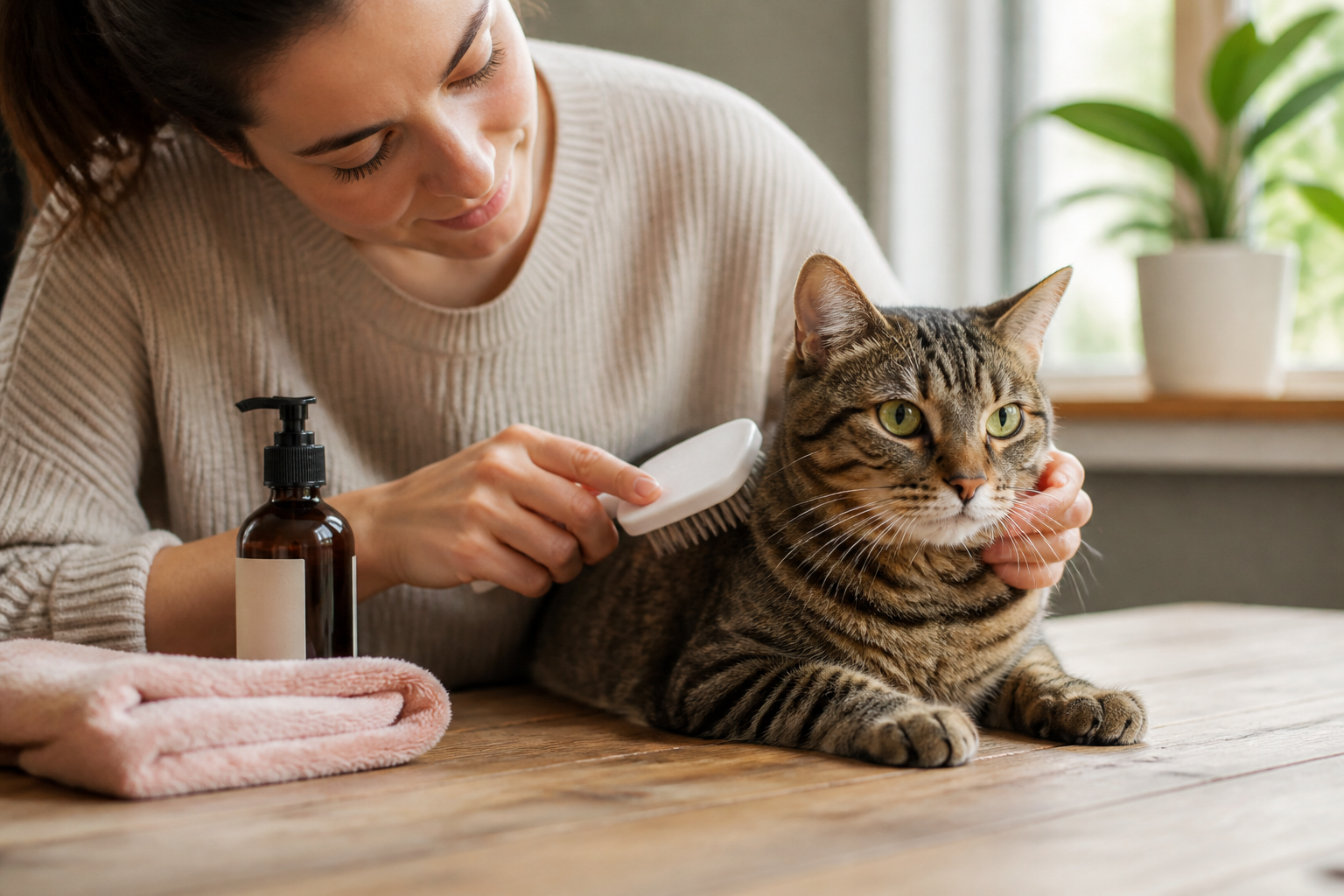
Brushing does more than just remove loose fur. It stimulates the skin and helps distribute natural oils across the entire coat. For cats with dandruff, a soft-bristled brush or a rubber grooming mitt is often best. These tools are gentle on sensitive or dry skin.
If your cat has a thicker undercoat, a slicker brush can help. Brands like Kong carry grooming tools that remove the dead undercoat without scratching the skin. Aim for five to ten minutes of gentle brushing at least three times a week. This mimics the cat's natural grooming behavior and clears away the flakes before they accumulate. Explore our cat grooming supplies for brushes and other coat-care tools.
Waterless Shampoos and Foams
Bathing a cat in a tub can be stressful for both of you. Stress can actually worsen skin conditions. Instead, look for waterless shampoos or grooming foams. These products allow you to moisturize the skin and lift away flakes without the drama of a bath. Our waterless grooming collection offers no-rinse options for quick coat refreshes.
Choose a formula specifically designed for cats. Look for soothing ingredients like oatmeal or aloe vera. Simply massage the foam into their fur and towel it off. This refreshes the coat and adds a layer of hydration to the skin.
Vet Tip: If your cat has red, irritated skin or is losing patches of fur, skip the home grooming remedies and call your vet. These symptoms can indicate a fungal infection like ringworm or a parasitic infestation that requires medical treatment.
Improving the Indoor Environment
If the air in your home is dry, your cat's skin will be too. You can make simple changes to your living space to help your cat's skin stay hydrated. This is especially important if you live in a climate with harsh winters.
Add a Humidifier
Placing a humidifier in the room where your cat sleeps most often can have a huge impact. By keeping the humidity levels between 40% and 50%, you help prevent the skin from drying out. This also benefits your own skin and respiratory health.
Encourage Proper Hydration
Internal hydration is just as important as external moisture. Cats have a low thirst drive. They often do not drink enough water from a bowl. Dehydration leads to dry, inelastic skin.
You can encourage your cat to drink more by using a pet fountain. Many cats prefer moving water over a still bowl. You might also consider adding wet food to their diet. Canned food has a much higher moisture content than dry kibble. This helps hydrate them from the inside out. Browse our cat food selection for wet and dry diet options.
The Role of Nutrition and Supplements
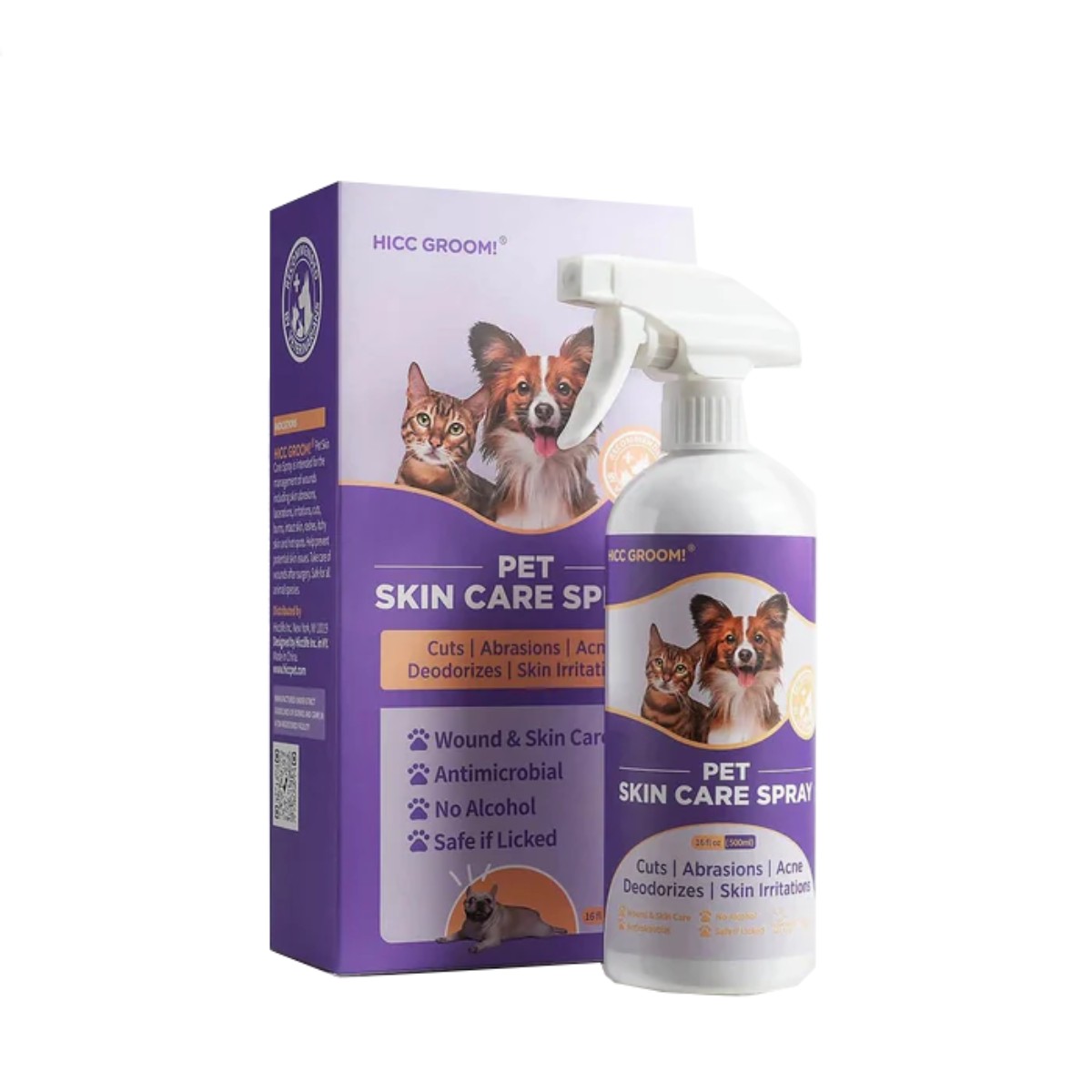
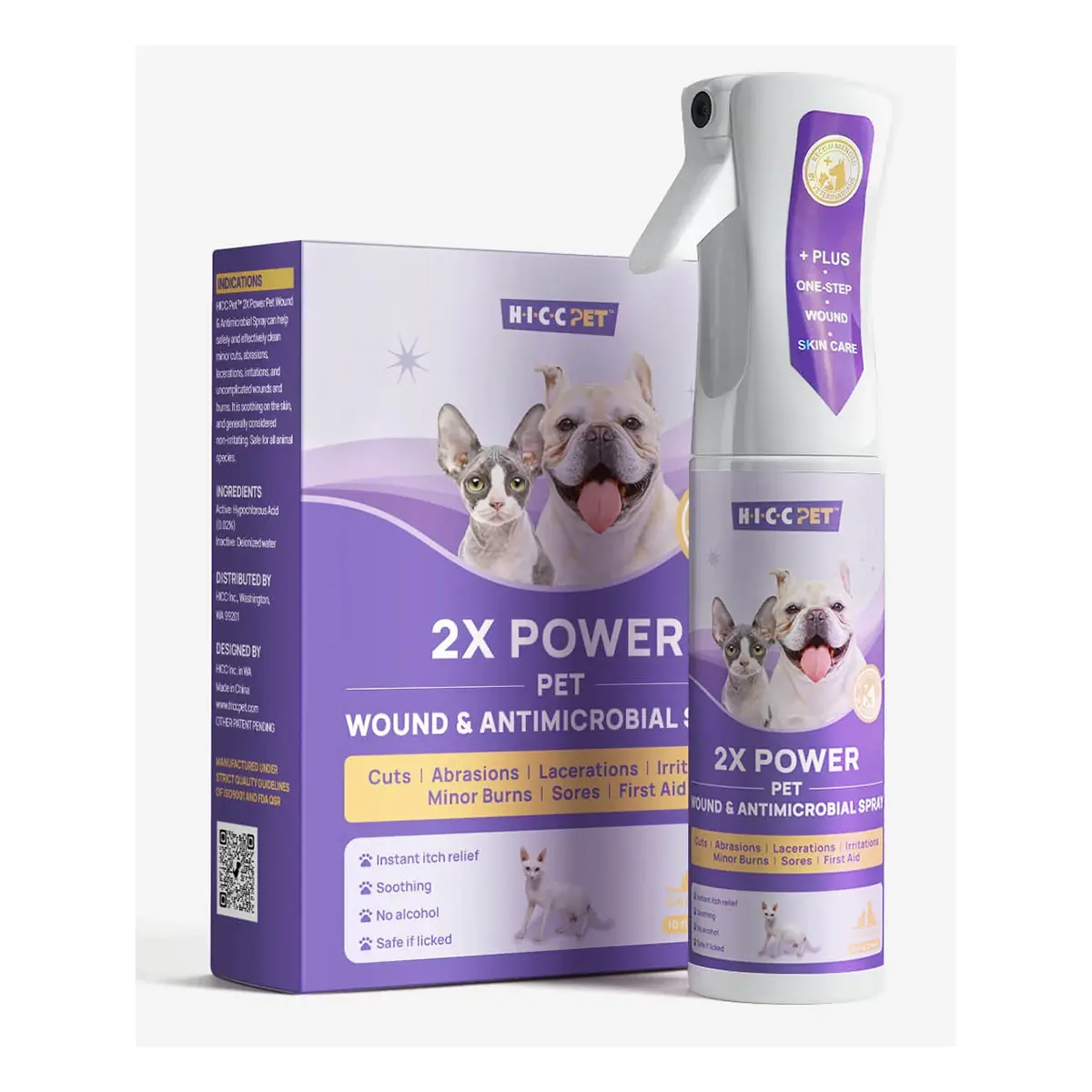
A shiny, flake-free coat starts in the food bowl. If your cat has chronic dandruff, their diet might need an upgrade. We carry several premium brands at BaxterBoo that focus on skin and coat health, such as Farmina and Open Farm. You can also explore our cat skin and coat care category for supplements and related products.
Essential Fatty Acids
Omega-3 fatty acids are the gold standard for skin health. These fats reduce inflammation and help the skin retain moisture. Many high-quality cat foods include fish oil or flaxseed to provide these nutrients.
If your current food is not doing the trick, you can add a supplement. Brands like Zesty Paws or Honest Paws offer salmon oil or specialized skin and coat supplements. Always introduce new supplements slowly to avoid upsetting your cat's stomach. One available option is the Pet Honesty Skin & Coat Health Cat Supplement.
High-Quality Protein
Skin and hair are made primarily of protein. If a cat is not getting enough digestible protein, their body will prioritize internal organs over skin health. Look for foods where a specific meat, like chicken or salmon, is the first ingredient. Avoid diets with heavy fillers that provide little nutritional value for the skin.
Key Takeaway: Switching to a moisture-rich diet and adding Omega-3 supplements can significantly improve skin elasticity and reduce flaking within four to six weeks.
When Dandruff Signals a Medical Problem
Most dandruff is a minor issue. However, sometimes it is a symptom of something more serious. If home remedies do not work, it is time to look for other signs of illness.
Parasites and "Walking Dandruff"
There is a specific mite called Cheyletiella that causes a condition known as walking dandruff. These mites are large enough to see with the naked eye. They look like white flakes that actually move across the cat's fur. This condition is very itchy and highly contagious.
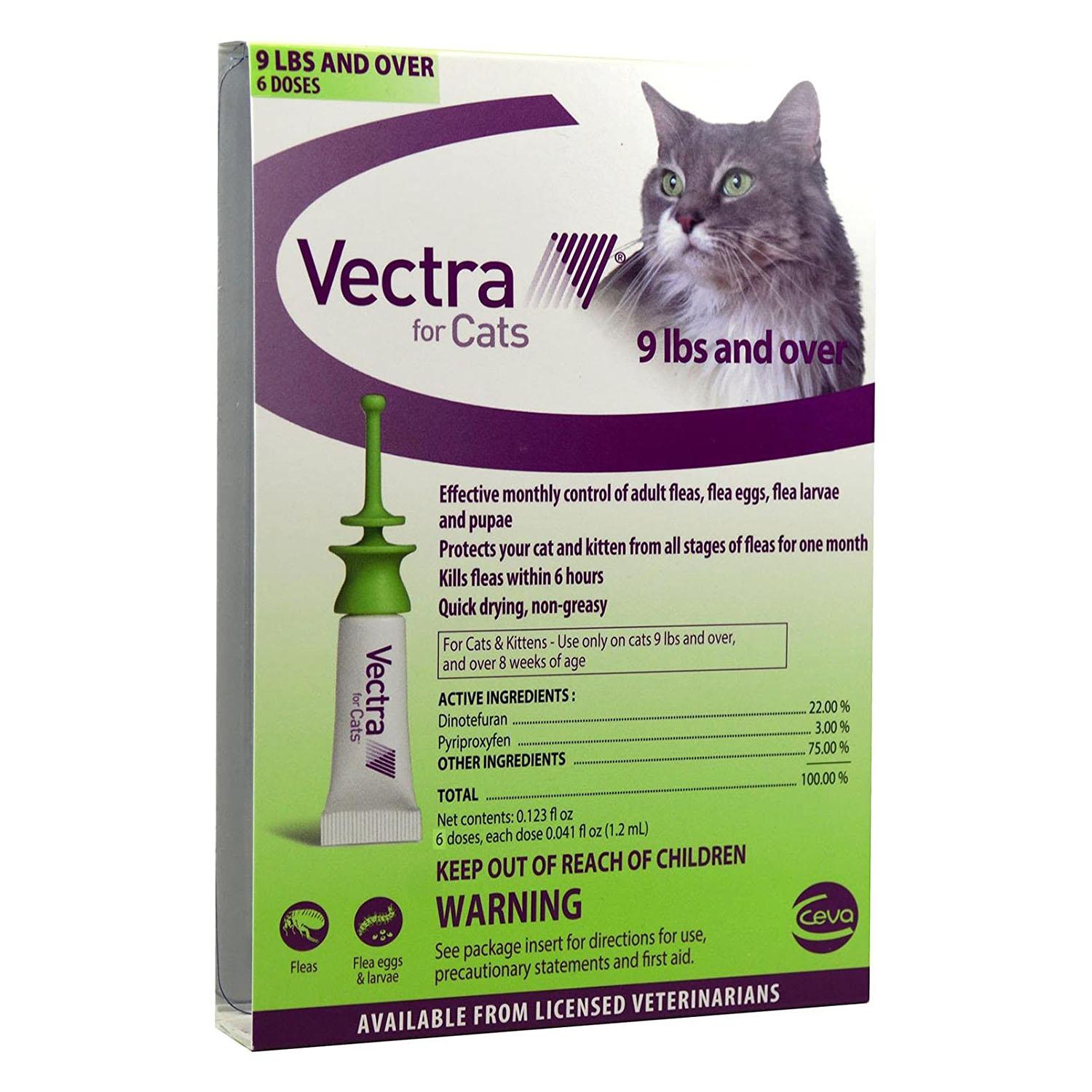
Standard flea and tick preventatives often help protect against mites. Our cat pharmacy carries prescription products and other veterinary care options. If you suspect mites or see "moving" flakes, your vet can provide a definitive diagnosis and prescription treatment.
Systemic Health Issues
Dandruff can be an early warning sign of internal problems. Conditions like hyperthyroidism, diabetes, and kidney disease can all affect skin quality. These illnesses often change how a cat feels, leading them to stop grooming. If your cat has dandruff along with changes in thirst, appetite, or energy levels, a veterinary checkup is essential.
Allergies
Cats can have environmental or food allergies. These often manifest as skin irritation and excessive flaking. If your vet suspects a food allergy, they may recommend a prescription diet. Our pharmacy carries prescription skin and allergy formulas like Farmina Vet Life to help manage these chronic issues.
Bottom line: Persistent dandruff that does not respond to brushing and supplements requires a veterinary consultation to rule out underlying medical conditions.
Managing Weight and Mobility
If your cat's dandruff is caused by an inability to reach their back, you must address the root cause. For overweight cats, weight management is the only long-term solution. Carrying too much weight puts stress on the joints and prevents normal grooming. For additional guidance, read how to help your indoor cat lose weight.
Weight Management Diets
Your vet can help you determine your cat's ideal weight. We offer several weight management formulas that help cats feel full while consuming fewer calories. Transitioning to a measured feeding schedule rather than free-feeding can also make a big difference.
Joint Support for Seniors
For older cats, dandruff is often a sign of arthritis. If it hurts to twist and lick their back, they will stop doing it. Adding a joint supplement with glucosamine and chondroitin can improve their mobility. As they feel better, they may return to their normal grooming habits. Our guide to arthritis care for cats covers related mobility concerns.
Step 1: Consult your vet / Confirm if weight or joint pain is the primary reason for poor grooming.
Step 2: Choose a supplement or diet / Select a joint support product or a weight-loss formula.
Step 3: Assist with grooming / While the cat improves, use a soft brush daily to help them reach difficult spots.
Choosing the Best Products for Your Cat
At BaxterBoo, we curate our selection to ensure you have access to the best tools for the job. Dealing with dandruff does not have to be expensive or complicated. Often, a combination of better grooming tools and a small dietary tweak is all it takes.
If you are looking for specific grooming supplies, our "Grooming" category features everything from slicker brushes to waterless foams. For those whose cats need prescription support, our pharmacy offers a streamlined way to get the medications and therapeutic diets your vet recommends.
Note: When starting a new grooming routine or diet, give it at least 30 days to show results. Skin cells take time to regenerate, and you likely won't see a total change overnight.
Steps to Get Rid of Cat Dandruff Permanently
To see a real change in your cat's coat, follow this simple routine. Consistency is the most important part of managing skin health.
- Daily Brushing: Spend five minutes every day brushing your cat. This keeps the coat clean and stimulates natural oil production.
- Add Omega-3s: Introduce a fish oil supplement or a skin-focused treat into their daily routine.
- Hydrate the Air: Use a humidifier during the colder months to prevent environmental drying.
- Monitor Weight: Keep your cat at a healthy weight so they can reach every part of their body for self-grooming.
- Schedule a Vet Visit: If you see any signs of mites, redness, or behavioral changes, get a professional opinion.
By taking these steps, you are doing more than just cleaning up flakes. You are improving your cat's overall comfort and health. A flake-free coat is a sign of a happy, well-cared-for cat.
Conclusion
Getting rid of cat dandruff is usually a matter of improving grooming habits and supporting skin health from within. By adding regular brushing to your routine and ensuring your cat has the right nutrients, you can keep their coat looking its best. Remember that persistent flakes or signs of discomfort deserve a conversation with your veterinarian. Our pharmacy and Pet's Choice partnership are here to help if your cat needs prescription diets or medical treatments for their skin.
Key Takeaway: Managing cat dandruff requires a two-pronged approach of external grooming and internal nutritional support to keep the skin's moisture barrier healthy.
Check out our full selection of skin and coat supplements to find the right match for your feline friend. Don't forget to join the MVP Rewards program to earn points on every grooming tool and treat you buy.
FAQ
Is cat dandruff the same as fleas?
No, cat dandruff is made of white skin flakes, while fleas are small, dark insects. You might also see "flea dirt," which looks like tiny black pepper flakes. If the flakes are white and do not move, it is likely dandruff; if you see black specks or movement, your cat probably has fleas.
Can I use human dandruff shampoo on my cat?
No, you should never use human dandruff shampoo on a cat. Human products have a different pH balance and often contain ingredients that are toxic to cats if licked off. Always use a shampoo or foam specifically formulated for felines to ensure their safety.
How long does it take for cat dandruff to go away?
If you are using supplements or changing their diet, it typically takes four to six weeks to see a significant improvement. This is because it takes time for new, healthier skin cells to grow and replace the old, dry ones. Brushing provides more immediate results by removing existing flakes.
Why does my cat only have dandruff at the base of their tail?
The base of the tail is the hardest spot for many cats to reach, especially if they are older or overweight. Dandruff often accumulates there first because the cat cannot lick that area to remove dead skin. Increasing your brushing sessions in that specific area can help clear up those localized flakes.






- Site & Contents BaxterBoo.com. BaxterBoo is located in the United States.
- Privacy & Security
- Terms of Use
- Accessibility Statement
