
 Save 15% on your 1st Autoship learn more

 Email us
 Live Chat
 FAQs
FAQs





Introduction
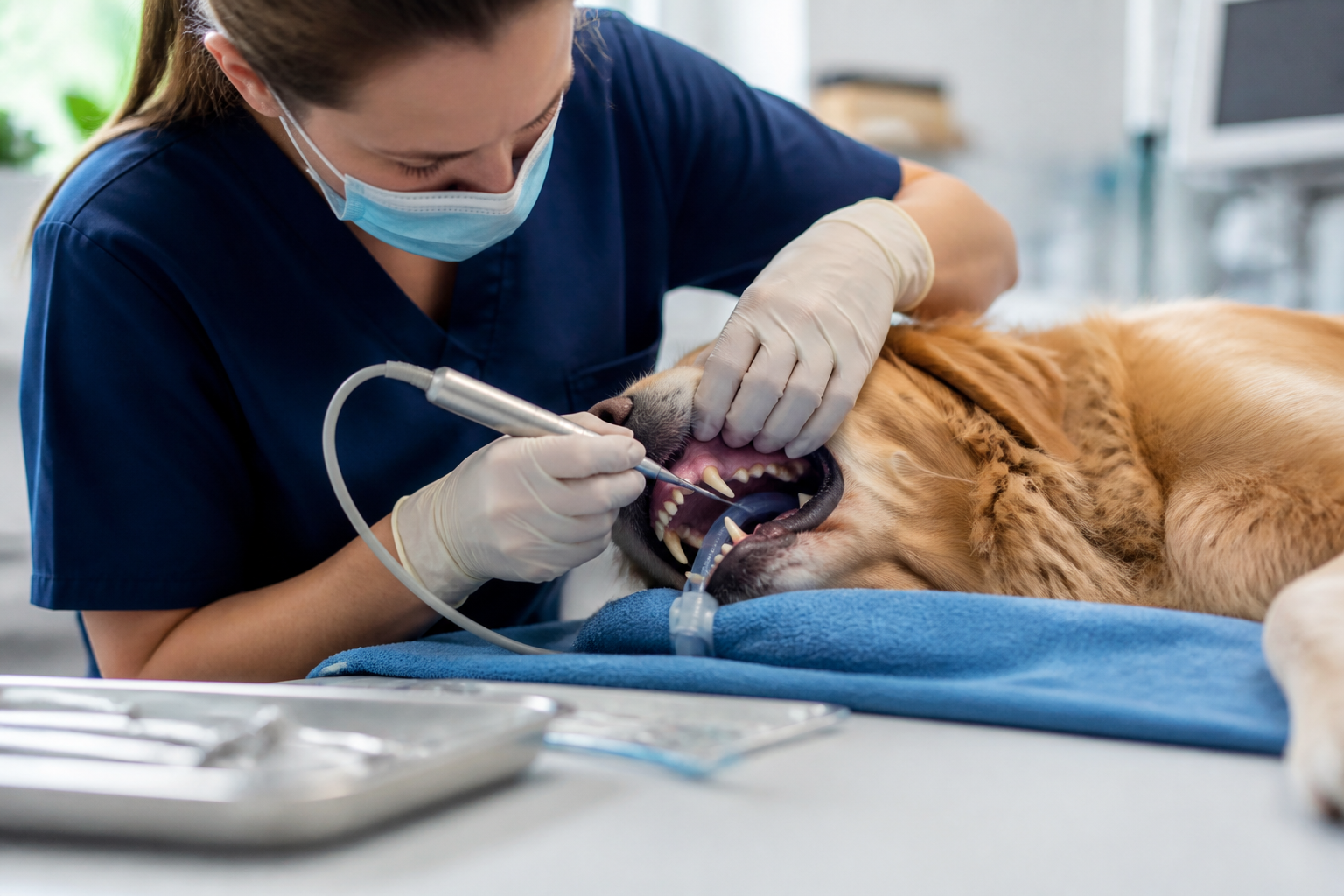
You are likely sitting on the couch when your dog let out a big yawn, and you realized their breath has become more than just a little "doggy." That sharp, metallic, or rotten scent is often the first sign that plaque and tartar have taken hold. When you visit the veterinarian, they may recommend a professional dental cleaning under general anesthesia. It is natural to feel a bit of hesitation when you hear the word anesthesia for a routine cleaning. At BaxterBoo, we know that your dog's safety and comfort are your top priorities. This article explains exactly what happens behind the scenes during a professional dental procedure. We will cover the preparation, the specialized tools used, and why this method is the gold standard for canine oral health.
Quick Answer: A professional dental cleaning involves a multi-step process where the dog is safely sedated to allow for deep cleaning. Veterinarians perform pre-anesthetic bloodwork, scale plaque from above and below the gumline using ultrasonic tools, take X-rays, and polish the teeth to prevent future buildup.
The Importance of Professional Dental Care
Many pet owners wonder why a simple toothbrushing at home is not enough. While daily brushing is helpful, it cannot remove tartar once it has hardened into calculus. Calculus is like concrete on the teeth. It provides a porous surface where even more bacteria can thrive.
About 80 percent of dogs show signs of periodontal disease by the age of three. This condition does not just cause bad breath. It leads to painful inflammation, bone loss around the tooth roots, and systemic health issues. Bacteria from the mouth can enter the bloodstream and damage the heart, liver, and kidneys. We see many customers looking for dental chews and water additives, which are great for maintenance, but they cannot replace the deep cleaning provided by a veterinarian. For additional warning signs, read about how to recognize bad teeth in dogs.
The Pre-Anesthetic Preparation Phase
Before your dog ever enters the dental suite, the veterinary team performs several safety checks. This phase ensures your dog is a good candidate for anesthesia.
Physical Examination and History
The veterinarian begins with a nose-to-tail exam. They listen to the heart and lungs to check for murmurs or irregular rhythms. They also review your dog's medical history to see if there are any chronic conditions that might require a specific anesthetic protocol.
Pre-Anesthetic Bloodwork
This is one of the most critical safety steps. Blood tests check organ function, specifically the liver and kidneys. These organs are responsible for processing and clearing the anesthetic drugs from the body. If the bloodwork shows any abnormalities, the vet might adjust the medications or postpone the procedure until the underlying issue is addressed.
The "Pre-Med" Injection
Once the vet gives the green light, the dog receives a sedative or "pre-med." This injection helps the dog relax and reduces the amount of general anesthesia needed later. It often includes a pain reliever to ensure the dog wakes up feeling comfortable.
Vet Tip: If your dog is a senior or has a known health condition, ask your vet about a customized anesthetic plan. Modern veterinary medicine allows for very specific protocols that prioritize the safety of high-risk patients.
Induction and Airway Protection
After the sedative takes effect, the team moves the dog to the dental table. This is where the actual process of "going under" happens.
Intravenous Catheterization
A veterinary technician usually places an IV catheter in the dog's front leg. This allows the team to administer fluids to maintain blood pressure. It also provides an immediate port for emergency medications if they are ever needed.
Induction and Intubation
The vet administers a fast-acting induction agent through the IV. Once the dog is asleep, a breathing tube (endotracheal tube) is placed into the trachea. This tube serves two vital purposes:
- It delivers oxygen and anesthetic gas directly to the lungs.
- It has an inflatable cuff that seals the airway. This prevents water, bacteria, and debris from the mouth from being inhaled into the lungs, which could cause pneumonia.
Monitoring Equipment
Throughout the entire procedure, a dedicated staff member monitors the dog's vitals. They use machines to track:
- Heart rate and rhythm (EKG)
- Oxygen saturation (Pulse Oximetry)
- Blood pressure
- Carbon dioxide levels
- Body temperature
Key Takeaway: Anesthesia allows the veterinarian to protect your dog's airway and monitor their health in a way that is impossible during a non-anesthetic cleaning.
The Dental Cleaning Process Step-by-Step
Once the dog is stable and monitored, the cleaning begins. This is a much more involved process than what happens during a human dental cleaning. You can explore our dog dental care selection for products designed to support oral care between veterinary visits.
Step 1: Gross Scaling
The technician uses a hand scaler or ultrasonic scaler to remove large chunks of tartar from the visible surfaces of the teeth. The ultrasonic scaler uses high-speed vibrations and a constant stream of water to break apart hard deposits without damaging the enamel.
Step 2: Subgingival Scaling
This is the most important part of the procedure. The vet or technician cleans the area underneath the gumline. Bacteria love to hide in the "pockets" between the tooth and the gum. You cannot reach this area in an awake dog because it is uncomfortable and requires the dog to be perfectly still.
Step 3: Dental Radiographs (X-rays)
Up to 60 percent of a dog's tooth is hidden below the gumline. Without X-rays, the vet cannot see abscesses, bone loss, or broken roots. Many times, a tooth looks perfectly healthy on the outside but is rotting or painful underneath.
Step 4: Probing and Assessment
The veterinarian uses a graduated dental probe to measure the depth of the pockets around every single tooth. They look for signs of oral tumors, fractured teeth, or receding gums.
Step 5: Polishing
Scaling creates microscopic scratches on the tooth enamel. If left unpolished, these scratches act like velcro for new plaque. The team uses a specialized prophy paste and a motorized polisher to smooth the enamel, making it harder for bacteria to stick.
Step 6: Irrigation and Fluoride
The mouth is thoroughly rinsed to remove all loosened debris and paste. Some clinics also apply a fluoride treatment or a dental sealant to strengthen the enamel and provide a barrier against bacteria.
| Step | Purpose | Why Anesthesia is Needed |
|---|---|---|
| Subgingival Scaling | Removes bacteria under the gums | Prevents pain and prevents the dog from moving. |
| X-Rays | Detects hidden disease in roots | Requires the dog to hold heavy sensors in the mouth. |
| Ultrasonic Scaling | Breaks down hard tartar | High-speed vibrations are noisy and scary for pets. |
| Probing | Measures gum pocket depth | Sensitive areas require the pet to be perfectly still. |
Why Non-Anesthetic Cleaning is Often Inadequate
You may have seen "anesthesia-free" dental cleanings offered by groomers or some clinics. While it sounds appealing to avoid sedation, these procedures are largely cosmetic.
In a non-anesthetic cleaning, the provider can only scrape the tartar they can see. They cannot clean under the gumline where the real damage happens. Furthermore, they cannot take X-rays or properly polish the teeth. This often leaves the pet with "white" teeth that are still suffering from underlying periodontal disease.
Restraining an awake dog to scrape their teeth is also incredibly stressful. If the dog moves suddenly while a sharp instrument is in their mouth, it can cause severe lacerations to the gums or tongue. The American Veterinary Dental College does not recommend these procedures because they do not provide the health benefits of a professional cleaning.
Bottom line: Anesthesia-free cleaning is a cosmetic fix that misses the bacteria hiding beneath the surface, often leading to a false sense of security for the pet owner.
Managing Extractions and Oral Surgery
Sometimes, the veterinarian finds a tooth that is too diseased to save. If a tooth has lost significant bone support or has an infected root, it needs to be removed.
If your dog requires extractions, the vet will perform local nerve blocks. This is similar to the numbing injection you get at your own dentist. It ensures that the dog does not feel the surgery even while they are under general anesthesia.
After the tooth is removed, the vet may use dissolvable sutures to close the gum tissue. In these cases, your dog might be sent home with a prescription for antibiotics or pain medication. Our dog pharmacy offers prescription medications for dogs through a veterinary prescription process. Having a prescription filled through a trusted pharmacy ensures your dog gets exactly what the vet ordered for their recovery.
Post-Procedure Recovery
The "wake-up" process is just as carefully monitored as the "go-under" process.
Extubation
The breathing tube is left in place until the dog's swallowing reflex returns. This ensures they can protect their own airway before the tube is removed.
Temperature Management
Anesthesia can cause a dog's body temperature to drop. The team uses warm blankets or specialized heating pads to bring the dog back to a normal temperature during the recovery phase.
Going Home
Most dogs can go home the same day. They may be a bit groggy or quiet for the first 24 hours. If extractions were performed, your vet will likely recommend soft food for several days to allow the gums to heal.
Key Takeaway: Most dogs recover quickly and feel significantly better within a day or two once the source of oral pain and infection is removed.
Maintaining Dental Health at Home
Once your dog's teeth are professionally cleaned, the clock starts ticking again. Plaque can begin to mineralize into tartar in as little as 24 to 48 hours. This is where at-home care becomes vital. For more practical ideas, review these pet dental care tips for brushing, treats, and water additives.
We recommend a multi-layered approach to dental health:
- Daily Brushing: This is the single most effective way to prevent tartar. Use a pet-specific toothpaste, as human toothpaste contains xylitol or detergents that are toxic to dogs.
- Dental Chews: Products like Greenies Dental Dog Chews or other VOHC-approved (Veterinary Oral Health Council) chews help mechanically scrub the teeth as the dog bites down.
- Water Additives: These can help reduce the bacterial load in the mouth.
- Dietary Choices: Some prescription dental diets are specifically designed to scrub the teeth while the dog eats.
At BaxterBoo, we carry a wide range of dental care supplies to help you maintain those professional results. Using our Autoship program is a great way to ensure you never run out of the dental chews or toothbrushes your dog needs.
Vet Tip: Start a dental routine early in your dog's life. Even if you only brush for thirty seconds a day, getting them used to the process makes a lifetime of oral care much easier.
How Often Does a Dog Need a Dental Cleaning?
The frequency of professional cleanings depends on several factors:
- Breed: Small breeds, such as Chihuahuas and Yorkies, have crowded teeth and are much more prone to dental disease than larger breeds.
- Age: Older dogs naturally have more wear and tear and may need more frequent intervention.
- Home Care: Dogs that have their teeth brushed daily may go years between professional cleanings.
- Genetics: Some dogs simply produce more saliva proteins that lead to faster tartar buildup.
Your veterinarian will check your dog's teeth during every wellness exam. They will let you know when the buildup has reached a point where a professional cleaning is necessary.
Conclusion
Understanding how they clean dogs teeth with anesthesia helps take the mystery and fear out of the procedure. It is a highly controlled, medical process designed to treat disease that is otherwise invisible. By choosing a professional cleaning, you are protecting your dog from pain and long-term health complications.
After the procedure, the goal is to keep those teeth sparkling for as long as possible. We are here to support that journey with the right gear and expert-selected products. Whether you need a finger brush for a wiggly puppy or a bulk supply of dental treats, we have you covered.
- Schedule a vet consult to check for signs of periodontal disease.
- Check your dog's bloodwork to ensure they are ready for anesthesia.
- Keep up with daily brushing to extend the time between professional cleanings.
- Use BaxterBoo to stock up on VOHC-approved dental chews and brushes.
Key Takeaway: Professional cleanings are a vital part of your dog's healthcare team. Combined with home care, they can add years to your pet's life by preventing systemic organ damage.
FAQ
Is anesthesia safe for my older dog?
Anesthesia is generally very safe for senior dogs as long as a thorough pre-anesthetic screening is performed. Veterinarians tailor the anesthetic drugs and monitoring to the specific needs of older pets. In many cases, the risk of leaving a painful infection in a senior dog's mouth is greater than the risk of the anesthesia itself.
How long does the dental cleaning procedure take?
The actual cleaning usually takes between 45 and 90 minutes depending on the amount of tartar and whether extractions are needed. However, your dog will likely spend the whole day at the clinic. This allows time for the pre-meds to work, the setup of monitoring equipment, and a safe, supervised recovery period after they wake up.
Will my dog be in pain after the cleaning?
A routine cleaning without extractions usually causes very little discomfort, though the gums might be slightly sensitive for a day. If the veterinarian has to remove teeth, they will use local numbing blocks and provide post-operative pain medication. Most owners find that their dogs act much happier and more energetic once the painful, diseased teeth are gone.
Can I just use dental wipes instead of a professional cleaning?
Dental wipes are a great tool for removing daily plaque, but they cannot remove hardened tartar or treat disease under the gumline. Think of wipes as a preventative measure rather than a cure. Once tartar has formed or the gums are receding, a professional cleaning under anesthesia is the only way to restore oral health.






