
 Save 15% on your 1st Autoship learn more

 Email us
 Live Chat
 FAQs
FAQs





Introduction
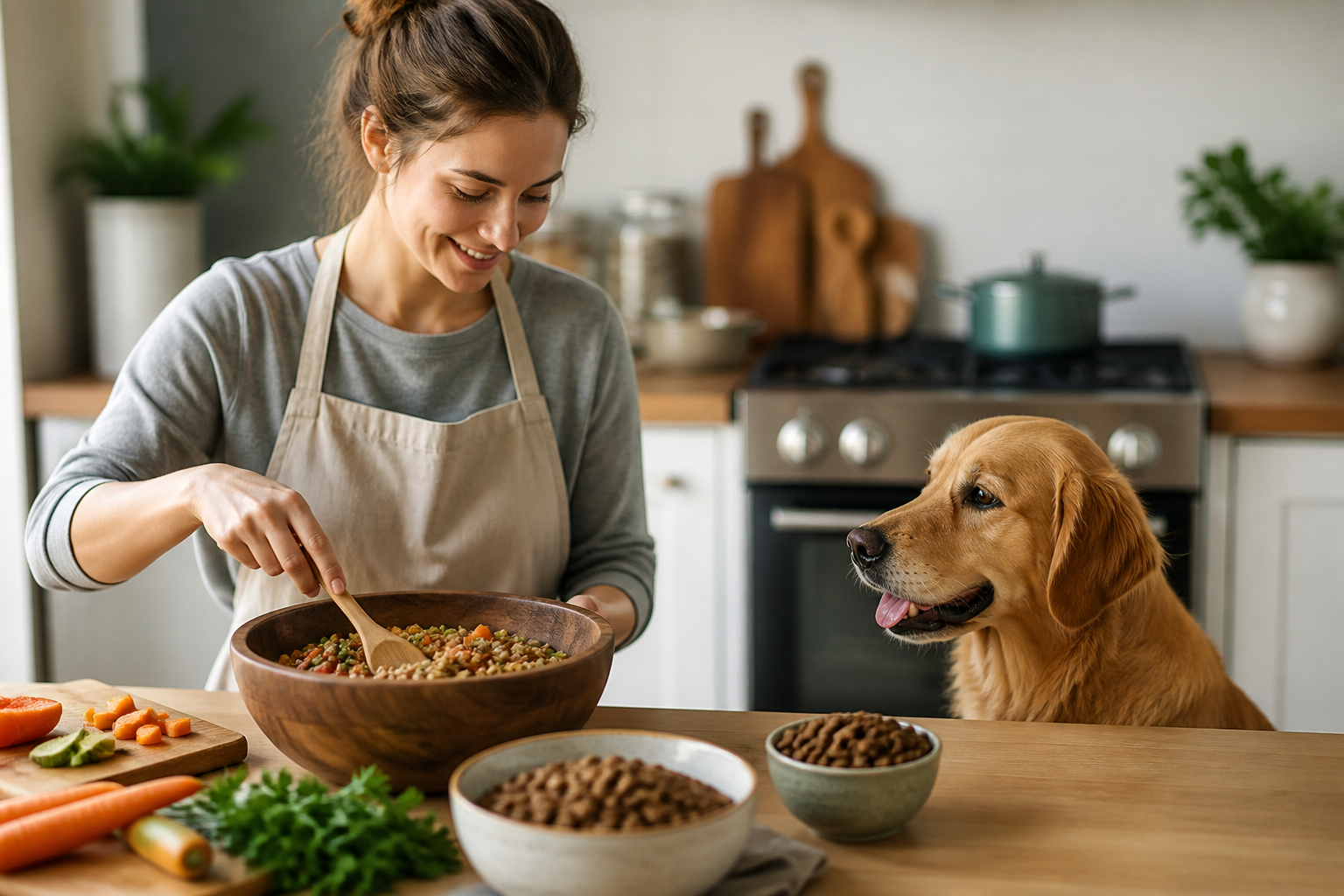
You are standing in the pet food aisle. You are reading labels and trying to decipher words that look more like a chemistry experiment than a meal. Maybe your dog has developed a sudden itch that will not go away. Perhaps you simply want to know exactly what goes into the bowl every morning. Making your own kibble at home is a practical way to take total control over your pet's nutrition. At BaxterBoo, we know that the transition from store-bought bags to kitchen-made meals can feel overwhelming. This guide covers everything from choosing balanced ingredients to the specific double-bake method required to achieve that crunchy texture. You will learn how to provide high-quality nutrition while managing the safety and storage needs of homemade dry food.
The Benefits of Baking Your Own Kibble
Many owners choose the homemade route to solve specific health puzzles. Commercial foods often contain fillers or mystery proteins that can trigger allergies. When you bake the food yourself, you decide the quality of the meat and the types of vegetables used. This is especially helpful for dogs with sensitive stomachs or skin irritations.
Freshness is another significant factor. Store-bought kibble can sit in warehouses or on shelves for months. Homemade kibble is made in smaller batches. You are serving ingredients that were in your refrigerator or pantry just hours before. This often results in a more palatable meal for picky eaters who usually turn their noses up at traditional brown pellets.
Cooking at home also allows you to tailor the calorie density. If your dog is highly active, you can increase healthy fats. If they are a senior dog who spends most of the day napping, you can lean into fiber and lower-calorie fillers like zucchini or green beans. It provides a level of customization that a standard bag simply cannot match. You can also compare homemade ingredients with options in our all-natural dog food category.
Quick Answer: Making homemade dry dog food involves cooking a blend of proteins, grains, and vegetables, pureeing them into a thick paste, and baking the mixture at a low temperature. The process requires a second "drying" bake to remove moisture, which gives the food its shelf-stable, crunchy texture.
Understanding the Nutritional Balance
A dog cannot live on chicken breast alone. While human-grade meat is a great start, a balanced canine diet requires a specific ratio of nutrients. Most veterinarians recommend a balance of roughly 50 percent protein, 25 percent vegetables, and 25 percent grains or complex carbohydrates.
Protein provides the amino acids necessary for muscle repair and immune function. Carbs offer the energy required for daily walks and play. Vegetables deliver essential vitamins, minerals, and antioxidants. You must also include a source of healthy fats, such as olive oil or fish oil, to support skin and coat health.
Calcium is a common missing link in homemade diets. In the wild, canines get calcium from bones. In a kitchen setting, you may need to add crushed eggshells or a specific calcium supplement. Without this balance, a dog can develop bone density issues over time.
Vet Tip: Before switching to a 100 percent homemade diet, consult with a veterinarian or a board-certified veterinary nutritionist. They can help you create a recipe that meets AAFCO standards and ensure your dog is not missing vital micronutrients like taurine or calcium.
Essential Ingredients for Your Recipe
Selecting the right ingredients is the first step in the cooking process. You want to choose whole foods that are easy for your dog to digest. For comparison, you can browse our dog food selection when evaluating commercial alternatives.
High-Quality Proteins
Lean ground turkey, beef, or chicken are the most common choices. Some owners use pork or even lamb if their dog has specific poultry allergies. Always ensure the meat is unseasoned. Avoid meats pre-packed with salt or "natural flavors" that might include onion or garlic powder.
Complex Carbohydrates
Brown rice is a staple because it is high in fiber and easy on the gut. Oats and lentils are also excellent options. If your dog is on a grain-free diet due to a medical necessity, sweet potatoes or chickpeas can act as the primary carbohydrate source. BaxterBoo also carries grain-free dog food options for owners comparing carbohydrate choices.
Nutritious Vegetables
Carrots, peas, spinach, and zucchini are favorites for many dogs. These add volume to the meal without adding excessive calories. Avoid toxic items like onions, leeks, and chives. Always cook starchy vegetables like sweet potatoes before adding them to the mix to prevent intestinal blockages. Options featuring ingredients such as green beans can be found in our green bean dog food selection.
- Protein: 2 lbs of lean ground meat.
- Grains: 2 cups of cooked brown rice or oats.
- Vegetables: 1.5 cups of shredded or finely chopped veggies.
- Fats: 2 tablespoons of olive or safflower oil.
- Optional: 1/2 cup of canned pumpkin (not pie filling) for digestion.
The Step-By-Step Baking Process
Making kibble is different than making a standard "stew" for your dog. The goal is to remove as much moisture as possible so the food is crunchy and shelf-stable.
Step 1: Cook the Base Components
Start by browning your meat in a large pan. While the meat cooks, prepare your grains and steam your vegetables. You want everything to be fully cooked and soft before moving to the next stage. Drain any excess fat from the meat to prevent the kibble from becoming too greasy, which can cause the food to spoil faster.
Step 2: Create a Puree
Once the ingredients are cooked, let them cool slightly. Place the meat, grains, and vegetables into a food processor. Add your oils and any supplements at this stage. Pulse the mixture until it becomes a thick, uniform paste. If it is too thick to move, add a small amount of water or unseasoned bone broth. The consistency should be similar to thick peanut butter. A prepared alternative for adding moisture is our dog food topper selection.
Step 3: Spread and Initial Bake
Preheat your oven to 350 degrees Fahrenheit. Line a large cookie sheet with parchment paper. Spread the mixture onto the sheet until it is roughly one-quarter inch thick. Try to keep the thickness even across the entire pan so it cooks at the same rate. Place it in the oven for about 45 minutes. The edges should start to brown and the top should feel firm to the touch.
Step 4: The Second Drying Bake
Remove the sheet from the oven and let it cool for a few minutes. Use a pizza cutter or a knife to slice the "giant cookie" into small, bite-sized squares. Lower your oven temperature to 300 degrees Fahrenheit. Spread the squares out across the baking sheet and bake for another 45 to 60 minutes. This second round is essentially a dehydration phase. It removes the internal moisture that causes mold.
Key Takeaway: The "double bake" method is the secret to making homemade food that actually looks and feels like kibble. The second bake at a lower temperature is what gives the food its crunch and extends its shelf life.
Storage and Shelf Life
Homemade food does not contain the chemical preservatives found in commercial bags. This means you must be much more careful with how you store it. Moisture is your primary enemy. If the kibble still feels "chewy" or soft after the second bake, it has too much moisture to stay in the pantry.
Store fully dried kibble in an airtight container in the refrigerator. It will typically stay fresh for about 7 to 10 days. If you make a large batch, you can freeze portions in freezer-safe bags for up to three months. Simply thaw a bag in the fridge overnight before serving.
Always check the food before putting it in the bowl. If you notice a sour smell or see any signs of fuzzy mold, discard the entire batch. It is better to be safe than to risk a case of food poisoning. For another perspective on preserving food quality, read this guide to finding and storing dog food.
Managing Health Conditions and Specialty Diets
If you are making food because your dog has a chronic health issue, your ingredient list must be even more precise. For example, dogs with kidney disease often need lower levels of phosphorus. This might mean swapping brown rice for white rice and limiting organ meats.
For dogs with severe skin allergies, your veterinarian might recommend a limited-ingredient diet. This involves using a single protein and a single carb that your dog has never eaten before. Our pharmacy at BaxterBoo offers FDA-approved medications and prescription pet foods. You can also explore our dog healthcare category when looking for health-related products.
Bottom line: Homemade kibble provides transparency, but it requires diligent storage and a strict adherence to nutritional ratios to keep your dog healthy.
When to Use Supplements
Even with a variety of fresh foods, some dogs need an extra boost. Joint support is a common need for aging dogs. We carry trusted supplements that can be easily integrated into a homemade routine. You can mix these supplements into the puree before baking, or more commonly, add them as a topper during mealtime. Browse our dog food selection with health-focused options when comparing complementary products.
Adding a high-quality Omega-3 oil is also a great idea for homemade diets. Since the baking process involves high heat, some of the natural fats in the meat can break down. A fresh squirt of salmon oil on top of the finished kibble ensures your dog gets the essential fatty acids they need for a shiny coat and brain health.
- Joint Support: Glucosamine or chondroitin for senior dogs.
- Skin Health: Fish oil or biotin.
- Digestion: Probiotics or pumpkin fiber.
- Multivitamins: To fill any small gaps in the homemade recipe.
Transitioning Your Dog to Homemade Food
Do not swap your dog’s entire diet overnight. Their digestive system needs time to adjust to the new ingredients and the lack of preservatives. A sudden change can lead to upset stomachs or diarrhea.
Start by mixing about 25 percent of the homemade kibble with 75 percent of their old food. Do this for three days. If their stool remains firm and they seem energetic, move to a 50/50 split for another three days. Gradually increase the homemade portion until the transition is complete. This slow process helps you monitor for any adverse reactions or new allergies to the ingredients you chose.
Vet Tip: Keep a close eye on your dog's weight during the first month of a homemade diet. Homemade food is often more nutrient-dense than commercial kibble, meaning you might need to adjust the portion sizes to prevent unwanted weight gain.
Conclusion
Making your own dry dog food is a labor of love that offers unparalleled control over what your pet eats. By selecting lean proteins, healthy grains, and fresh vegetables, you can create a meal that supports their unique health needs. Remember to use the double-bake method to achieve the right texture and store your batches carefully to maintain freshness. At BaxterBoo, we are here to support your journey with the gear, supplements, and guidance you need for a healthy pet. If you are looking for specific vitamins or a high-quality topper to pair with your new recipe, browse our medical and mobility selection to find the perfect fit.
FAQ
How long does homemade dry dog food last?
Because it lacks artificial preservatives, homemade kibble lasts about 7 to 10 days in the refrigerator. If you need it to last longer, you can freeze it for up to three months in airtight containers. Always ensure the food is completely cooled and dried before storing to prevent mold growth.
Can I make this food without a food processor?
While a food processor makes the "kibble" shape easier to achieve, you can mash the ingredients by hand or use a blender. The goal is to create a uniform paste so the dog cannot pick out the meat and leave the vegetables behind. If the texture is chunky, it may not dry out as evenly during the baking process.
Is homemade kibble cheaper than store-bought food?
The cost depends entirely on the ingredients you choose. Buying meat in bulk or using seasonal vegetables can make it very affordable. However, when you factor in the time spent cooking and the cost of necessary supplements, it is often comparable to the price of a high-end, premium commercial kibble.
My dog has kidney issues; can I still use this recipe?
Dogs with kidney disease have very specific requirements, particularly regarding phosphorus and protein levels. You should never use a general homemade recipe for a dog with a chronic condition without vet approval. Our pharmacy offers prescription diets designed for kidney health that may be a safer alternative for pets with advanced medical needs.






