Save 15% on your 1st Autoship learn more

 Email us
 Live Chat
 FAQs
FAQs





Introduction
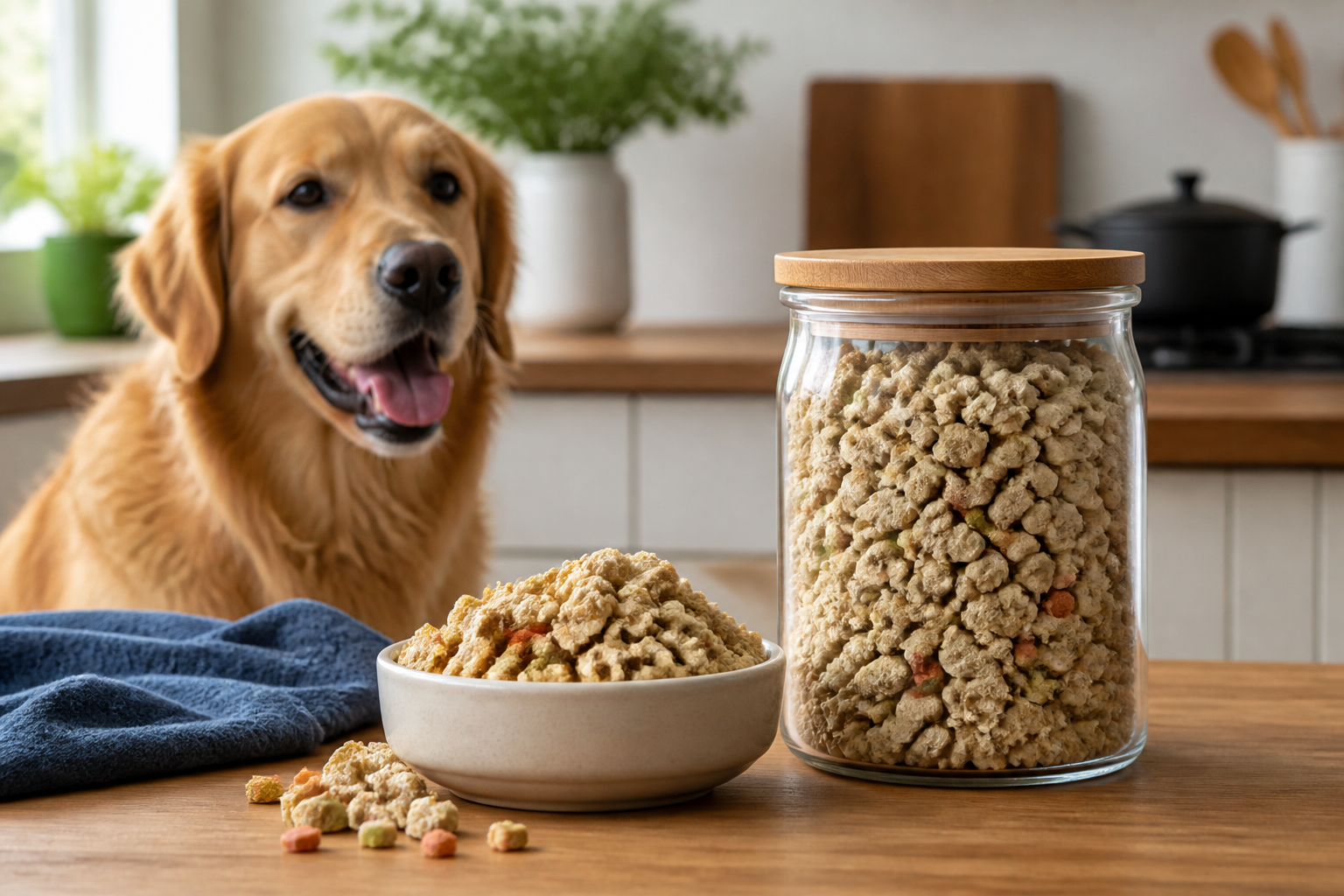
Choosing the right food for your dog often leads to questions about shelf life and storage. You might find yourself staring at a bag of premium freeze-dried morsels and wondering how long they will actually stay fresh. Perhaps you want to buy in bulk to save money, or you are looking for a nutrient-dense option that survives a long time in the pantry. At BaxterBoo, we understand that you want the best nutrition for your dog without wasting money on spoiled food. Freeze-dried food offers an incredible shelf life and high nutritional value, but it is not invincible. This article covers exactly how long freeze-dried dog food lasts in different states and how to store it to maximize its freshness.
Quick Answer: Unopened freeze-dried dog food typically lasts 12 to 24 months in a cool, dry place. Once the bag is opened, you should use the food within 30 days for optimal freshness and safety.
What Makes Freeze-Dried Dog Food Different?
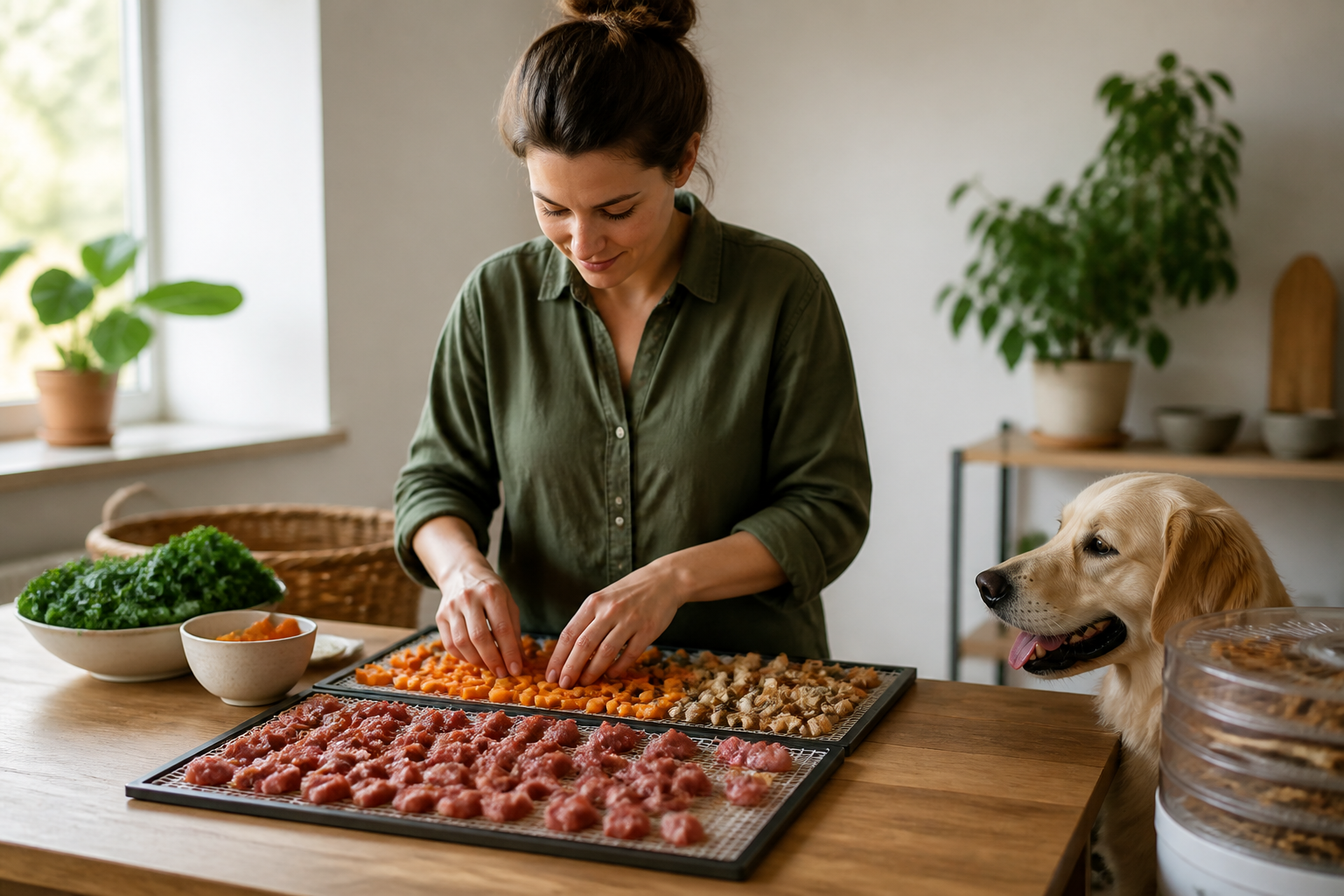
Freeze-drying is a unique preservation method that removes almost all the moisture from raw ingredients. Unlike kibble, which is cooked at high temperatures, freeze-dried food starts as raw meat, organs, and vegetables. These ingredients are flash-frozen at extremely low temperatures. Then, the food enters a vacuum chamber where the ice turns directly into vapor without becoming liquid. This process is called sublimation.
Because the moisture is gone, bacteria and mold cannot grow easily. This makes the food shelf-stable without the need for heavy chemical preservatives. The structural integrity of the nutrients remains intact. Your dog gets the benefits of a raw diet with the convenience of a dry bag. We carry many trusted brands like Stella and Chewy's and Open Farm that use this specific process to ensure high-quality nutrition. You can compare options in our freeze-dried dog food collection.
The Science of Sublimation
Sublimation is the reason this food lasts so much longer than standard raw meat. When moisture is removed to such a low level, the enzymes that cause food to decay are essentially paused. This results in a product that is very lightweight and porous. It is also why the food rehydrates so quickly when you add water. The water fills the tiny gaps where the ice used to be.
Nutritional Integrity
Standard dog food often loses vitamins during the high-heat extrusion process. Freeze-drying keeps those vitamins and minerals in their natural state. This is especially helpful for dogs with sensitive stomachs or specific health needs. Since the food is minimally processed, it is often easier for dogs to digest.
For more background on the feeding process, read how to feed freeze-dried dog food.
How Long Can You Freeze Dry Dog Food?
The lifespan of your dog's food depends entirely on three stages. These stages are unopened, opened, and rehydrated. Each stage has a very different timeline for safety and quality.
Unopened Bags
An unopened bag of freeze-dried dog food is a marvel of food storage. Most manufacturers provide a "Best By" date that is 12 to 24 months from the date of production. These bags are usually nitrogen-flushed to remove oxygen. This prevents the fats in the meat from going rancid. As long as the seal is not broken and the bag is stored correctly, it can safely sit in your pantry for a year or more.
After Opening the Bag
The clock starts ticking the moment you break the seal. When you open the bag, oxygen and humidity from the air rush in. Even if you seal the bag tightly, the food is now exposed to the environment. Most brands recommend finishing the bag within 30 days. Some may stay fresh for up to 45 days if stored in perfect conditions. After this point, the fats may begin to oxidize, which affects the taste and the nutritional quality.
For additional guidance about dry-food freshness, see how long dry dog food stays fresh.
Once Rehydrated
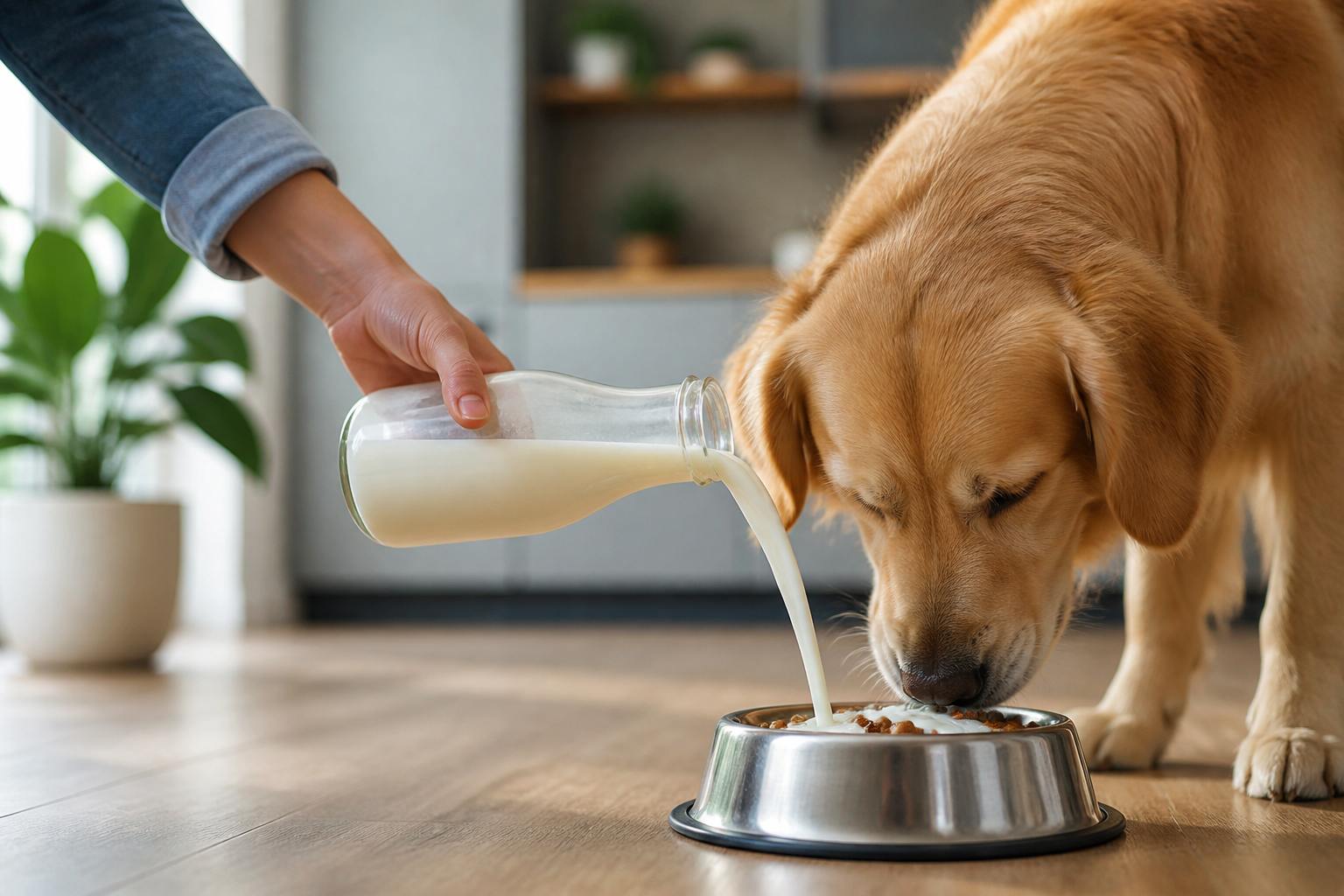
If you add water, goat milk, or bone broth to the food, treat it like fresh meat. You should not leave rehydrated freeze-dried food in a bowl for more than two hours. If your dog does not finish their meal, you can refrigerate the leftovers. However, you must use those refrigerated leftovers within 24 hours. After that, the risk of bacterial growth becomes too high.
Key Takeaway: Treat unopened bags as long-term storage and opened bags as fresh products. Always use rehydrated food immediately or refrigerate it for no more than one day.
Best Practices for Storing Your Dog's Food
Proper storage is the only way to hit those maximum shelf-life numbers. You want to fight the three main enemies of pet food: light, heat, and moisture.
Keep It in the Original Packaging
It is tempting to pour the food into a clear plastic bin, but we recommend keeping it in the original bag. These bags are designed specifically to block out light and air. They often have high-quality zip seals that are better than standard kitchen clips. If you want to use a storage container, place the entire bag inside the container. This provides a double barrier against pests and humidity.
Choose a Cool and Dry Location
The ideal storage temperature is between 50 and 70 degrees Fahrenheit. Avoid storing dog food in the garage or a laundry room where temperatures and humidity levels fluctuate. A kitchen pantry or a dedicated closet is usually the best spot. High heat can cause the natural fats in the food to break down faster, leading to a sour smell and upset stomachs.
The Role of Airtight Containers
If you must move the food out of its bag, use a glass or food-grade plastic container with a silicone seal. Make sure the container is completely dry before adding the food. Even a tiny drop of water can cause mold to grow inside a sealed container. Check the seal regularly to ensure it is still providing a tight fit.
Vet Tip: If your dog has a chronic health condition or severe allergies, talk to your veterinarian about their diet. Our pharmacy offers prescription pet foods through our partnership with Pet's Choice for dogs with specific medical requirements.
Signs That Freeze-Dried Food Has Gone Bad
Even with the best storage, food can spoil. It is important to check the food every time you feed your dog. Trust your senses and your dog's instincts.
- The Smell Test: Freeze-dried food should smell like the proteins inside, such as beef or chicken. If it smells sour, musty, or like old paint, the fats have likely gone rancid.
- The Texture Check: The morsels should feel dry and light. If they feel sticky or soft before you add water, moisture has entered the bag.
- Visible Mold: Look for any fuzzy spots or discoloration. Mold can produce mycotoxins that are very dangerous for dogs.
- Your Dog's Reaction: Dogs have a much stronger sense of smell than we do. If your usually excited eater walks away from the bowl or sniffs the food and hesitates, something might be wrong.
Key Takeaway: Never ignore a change in your dog's appetite. If the food smells off or looks different than usual, it is safer to discard it and start a new bag.
Comparing Freeze-Dried to Other Formats
Understanding where freeze-dried food fits in the spectrum of pet nutrition helps you plan your storage needs. It is often compared to kibble or traditional raw diets.
Freeze-Dried vs. Kibble
Kibble is much cheaper and easier to store in large quantities. However, it often contains more fillers and is processed with high heat. Freeze-dried food offers higher nutrient density but requires more careful handling once the bag is open. Kibble can often last 6 weeks to two months once opened, whereas freeze-dried is best used within 4 weeks.
For another comparison of food formats, read is wet or dry food better for dogs.
Freeze-Dried vs. Raw Frozen
Frozen raw food requires a lot of freezer space and a careful thawing process. It is the most "fresh" option but the least convenient for travel. Freeze-dried food gives you the benefits of raw without the need for a freezer. This makes it a great choice for camping trips or long car rides.
| Feature | Freeze-Dried | Kibble | Raw Frozen |
|---|---|---|---|
| Unopened Shelf Life | 12-24 Months | 12-18 Months | 6-12 Months |
| Opened Shelf Life | 30 Days | 6-8 Weeks | 2-3 Days (Thawed) |
| Storage Needs | Cool Pantry | Cool Pantry | Freezer |
| Preparation | Optional Water | None | Thawing |
How to Prepare and Serve Freeze-Dried Meals
You can feed this food in a few different ways. The method you choose might depend on your dog's preferences or their hydration needs.
Step 1: Measure the portion. / Use the feeding guide on the back of the bag. Remember that freeze-dried food is very light, so a small amount by weight is very nutrient-dense.
Step 2: Decide on rehydration. / You can serve the nuggets dry as treats or a meal. However, adding warm water helps with digestion and keeps your dog hydrated.
Step 3: Wait and crumble. / If you add water, let the food sit for two to three minutes. You can crumble the nuggets with a fork to ensure the water reaches the center of each piece.
Step 4: Clean the bowl. / Since this food is raw-based, wash your dog's bowl with hot soapy water after every meal to prevent bacterial buildup.
For portion guidance, see how much freeze-dried dog food to feed your pet.
Bottom line: Rehydration is usually the best way to serve freeze-dried food because it mimics the natural moisture content of a raw diet.
Managing Your Food Supply with Autoship
Because freeze-dried dog food is best used within a month of opening, it is smart to buy smaller bags more frequently. This ensures your dog is always eating the freshest possible food. We offer our Autoship programme that makes this easy. You can set up a recurring delivery for your favorite brands like Stella and Chewy's. This saves you money on your orders and ensures you never run out of fresh food.
Using Autoship also qualifies you for our MVP Gold membership. This helps you earn rewards on every purchase, which is a great way to manage the cost of premium pet food. By timing your deliveries to arrive every four weeks, you guarantee that you are opening a fresh bag right as the old one is losing its peak quality.
Health and Safety Considerations
While freeze-dried food is generally safe, it is still a raw product. This means you need to follow basic food safety guidelines in your kitchen.
Safe Handling
Always wash your hands after handling freeze-dried food. Even though the moisture is removed, the pathogens that can exist in raw meat could still be present. Most reputable brands use a process called High-Pressure Processing (HPP) to kill pathogens like Salmonella and E. coli. However, careful handling is still a best practice for your health and your dog's health.
For more feeding and handling advice, review this guide to feeding freeze-dried dog food.
Transitioning Foods
If you are switching from kibble to freeze-dried, do it slowly over seven to ten days. Start by mixing a small amount of freeze-dried food into the current kibble. Gradually increase the ratio of the new food each day. This prevents digestive upset and allows your dog's gut bacteria to adjust to the new nutrient profile.
Sensitive Stomachs and Allergies
If your dog has a history of stomach issues, freeze-dried food is often a good choice because of the limited ingredients. Many formulas are grain-free and use a single protein source. This makes it easier to identify what might be causing an allergic reaction. If your dog is struggling with severe allergies, we recommend talking to your vet. Our pharmacy can help provide specialized diets or medications if the food transition is not enough to solve the problem.
Vet Tip: Watch your dog's stool during any food transition. If you notice persistent diarrhea or vomiting, stop the new food and consult your veterinarian immediately.
Why Quality Matters
Not all freeze-dried foods are created equal. Some brands use more fillers or lower-quality meat sources. We focus on carrying brands that prioritize sourcing and safety. When you look at the ingredient list, the first few items should always be identifiable meats and organs.
Brands like Open Farm take it a step further by offering transparency in their sourcing. You can often look up exactly where the ingredients in your specific bag came from. This level of detail is why we have been a trusted resource for pet owners since 2006. We want you to feel confident that the food sitting in your pantry is the best possible fuel for your dog.
Summary
Freeze-dried dog food is an excellent way to provide high-quality nutrition with a long shelf life. By keeping the food in its original bag and storing it in a cool, dry place, you can ensure it stays fresh for up to two years unopened. Once you break the seal, aim to use the food within a month. Always treat rehydrated food as a fresh meal and clean up any leftovers quickly.
- Check the "Best By" date before purchasing.
- Store food away from heat and sunlight.
- Use opened bags within 30 days.
- Treat rehydrated food like fresh meat.
Bottom line: Proper storage preserves the vitamins and taste that make freeze-dried food a premium choice for your dog's health.
FAQ
Can I store freeze-dried dog food in the freezer to make it last longer?
You do not need to store freeze-dried food in the freezer because the moisture has already been removed. In fact, putting it in a standard freezer can introduce moisture through condensation when you take the bag out. It is better to keep it in a cool, dry pantry where the temperature stays consistent.
What should I do if the freeze-dried food has a white powder on it?
Sometimes a white, dusty appearance is just tiny bits of the food that have crumbled during shipping. However, if the white spots look fuzzy or like spider webs, it is likely mold. If you are unsure, it is best to throw the food away to avoid making your dog sick.
Is freeze-dried dog food safe for puppies?
Most freeze-dried dog foods are formulated for all life stages, including puppies. You must check the bag for the AAFCO statement to ensure it meets the nutritional levels for growth. Puppies have very specific calcium and phosphorus requirements, so choosing a puppy-specific freeze-dried formula is often the safest path.
Why does freeze-dried dog food cost more than kibble?
The freeze-drying process is much more expensive and time-consuming than the high-heat cooking used for kibble. You are also paying for higher-quality ingredients with almost no fillers. Because it is so nutrient-dense, you generally feed a smaller volume of food than you would with a bag of standard kibble.