
 Save 15% on your 1st Autoship learn more

 Email us
 Live Chat
 FAQs
FAQs





Introduction
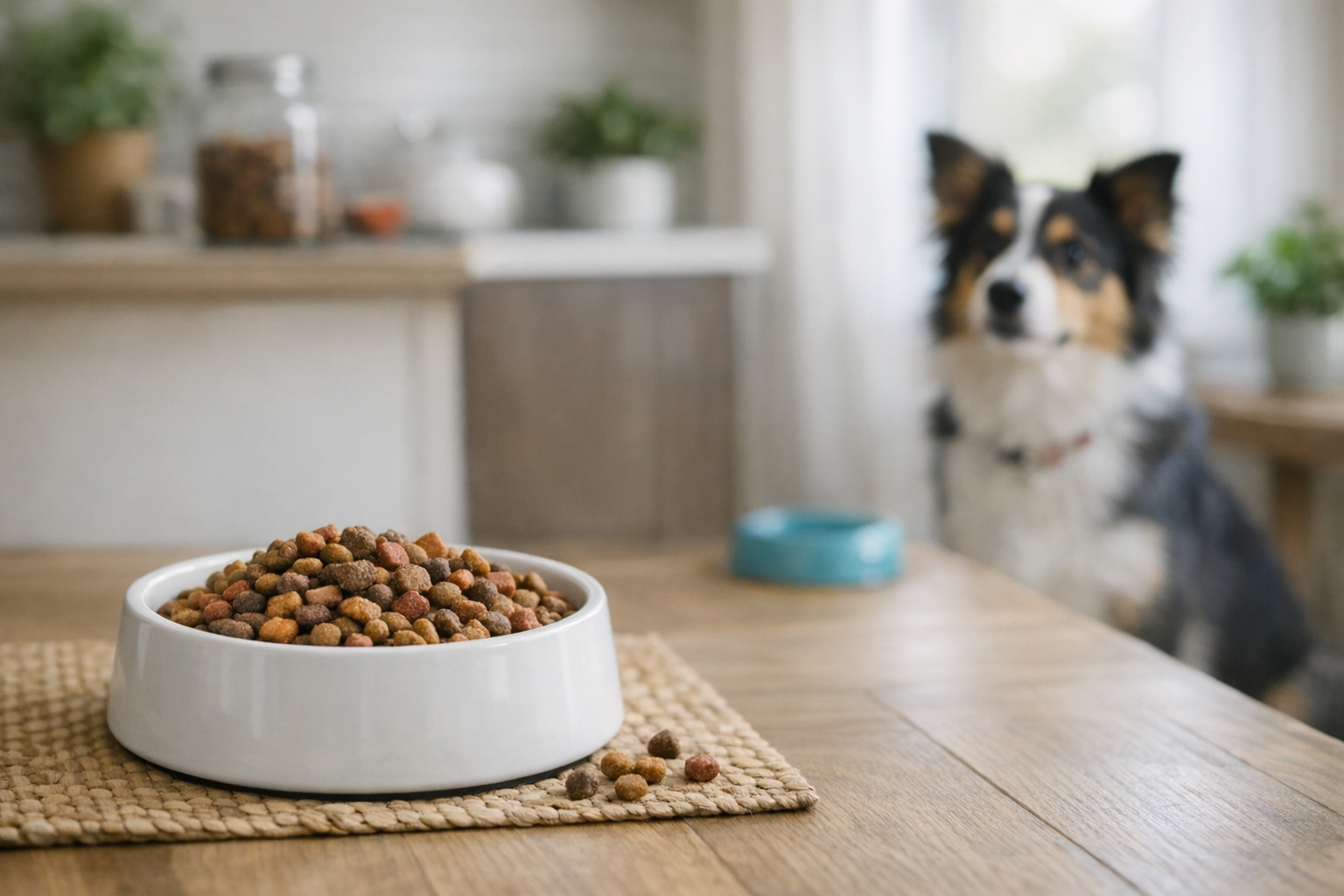
You wake up on a Tuesday morning and notice your dog's dinner bowl is still half full from the night before. Perhaps you have a "grazer" who prefers small snacks throughout the day, or maybe your puppy was too distracted by a squirrel to finish their meal. It is a common scene in many households, leading many owners to wonder if that kibble is still safe or if it has become a buffet for bacteria. At BaxterBoo, we hear this question frequently from pet parents who want to balance convenience with safety. This post covers the specific timelines for kibble freshness, the hidden risks of leaving food exposed, and the best ways to keep your dog's diet nutritious. Understanding these factors helps ensure every bite your dog takes is as healthy as possible.
The Standard 24 Hour Rule for Dry Kibble
The general consensus among pet nutritionists is that dry dog food can safely sit in a bowl for up to 24 hours. This timeline assumes the environment is climate controlled and the food is not exposed to direct sunlight or high humidity. Unlike wet food, which spoils within hours of being opened, dry kibble has a low moisture content that helps it stay stable for longer. However, just because you can leave it out for a full day does not mean it remains at peak quality.
The clock starts ticking the moment the food hits the bowl. While the food might not "spoil" in the same way a gallon of milk does, it begins to lose its appeal. The aroma fades, the texture changes, and the nutritional value starts a slow decline. For most healthy adult dogs, eating kibble that has been out for 12 to 15 hours is unlikely to cause an immediate health crisis. Still, the goal is always to provide the freshest meal possible.
Quick Answer: You can generally leave dry dog food out for up to 24 hours in a cool, dry indoor environment. However, for best freshness and to prevent pest attraction, it is better to pick up uneaten food after 20 to 30 minutes.
Why Kibble Isn't Indestructible
Many owners view kibble as a non perishable item similar to cereal or crackers. In reality, dry dog food is a complex mixture of proteins, grains, and essential fats. These fats are often sprayed onto the outside of the kibble to make it taste better and provide necessary energy. These oils are the first things to fail when food is left in the open air.
When these fats are exposed to oxygen, a process called oxidation begins. This process leads to rancidity. Rancid fats do more than just make the food smell "off" to a dog's sensitive nose. They can lead to digestive upset over time and reduce the effectiveness of the vitamins added during manufacturing. Heat and light act as catalysts for this process, meaning a bowl sitting in a sunny kitchen window will go bad much faster than one in a cool pantry.
The Role of Moisture and Saliva
One of the biggest factors in food safety is moisture. Even if you do not add water or broth to the bowl, your dog adds moisture every time they take a bite. Saliva contains enzymes and bacteria that transfer from the dog's mouth back into the bowl. This creates a damp environment that is perfect for microbial growth.
If your dog is a "slobbery" eater, the kibble in the bowl can become soft and sticky. This moisture can lead to the growth of mold or colonies of bacteria like Staphylococcus. While a single night might not result in visible mold, the microscopic changes can be enough to turn a picky eater away from their dish.
- Saliva introduces bacteria into the dry food.
- Humidity in the air can soften the kibble's exterior.
- Damp food is a primary breeding ground for storage mites.
- Bacteria can double in number every 20 minutes in warm conditions.
Identifying Spoiled Dry Dog Food
It is not always easy to tell when kibble has passed its prime just by looking at it. Dogs have a sense of smell that is significantly more powerful than ours, so they will often be the first to know. If your usually enthusiastic eater suddenly walks away from the bowl, listen to them. They might be detecting rancid oils or the beginning of mold growth that you cannot see yet.
You should also use your own senses to inspect the food. Fresh kibble should have a consistent, slightly oily feel and a standard "meaty" or "grainy" smell. If the scent becomes sour, musty, or paints like old paint, the fats have likely gone rancid. Look for any changes in color or the presence of fine webbing, which could indicate a pest issue or the early stages of mold.
Vet Tip: If your dog accidentally consumes food that you suspect was spoiled or moldy, monitor them for vomiting, diarrhea, or lethargy. Consult your veterinarian immediately if symptoms persist or if your dog appears unsteady on their feet.
The Risk of Uninvited Guests
Leaving food out overnight is an open invitation to pests. From tiny ants to larger rodents, many creatures are active at night and highly motivated by the smell of protein rich dog food. In many parts of the US, an exposed bowl of kibble is the primary reason for indoor ant infestations. Once a scout ant finds the bowl, it leaves a trail for the entire colony.
Rodents like mice and rats are also a significant concern. They are most active when the house is quiet and dark. Beyond eating the food, they can leave behind droppings and urine that carry dangerous pathogens. If you have a doggy door, you might even find yourself playing host to local wildlife like raccoons or opossums. Removing the food bowl at night is the most effective way to keep your home pest free.
Behavioral Impacts of Free Feeding
Leaving food out all day is often called "free feeding." While it seems like the easiest option for a busy schedule, it can have negative effects on your dog's behavior and health. When food is always available, it loses its value as a reward and a point of connection between you and your pet.
Free feeding makes it very difficult to track exactly how much your dog is eating. This can lead to gradual weight gain, which puts unnecessary stress on their joints. It also makes it harder to notice if your dog has lost their appetite, which is often the first sign of an underlying health issue. By moving to a scheduled feeding routine, you gain better control over their nutrition and overall wellness.
Key Takeaway: Scheduled feeding helps prevent obesity and allows you to monitor changes in appetite that might signal a health problem. It also keeps the "high value" of food intact for training purposes.
Proper Storage for Maximum Freshness
How you store the bulk of your dog food is just as important as how long it sits in the bowl. We recommend keeping the kibble in its original bag rather than pouring it directly into a plastic bin. The manufacturers of brands like our selection of NutriSource products and Orijen design their packaging to act as a barrier against oxygen and moisture. These bags are often lined with materials specifically chosen to keep fats from seeping out and becoming rancid.
If you prefer using a hard sided container for organization or to keep out pests, place the entire bag inside the container. This "bag in a bin" method provides a double layer of protection. It also ensures you have the UPC, lot number, and expiration date handy in case there is ever a product recall or if you need to discuss the food with your vet.
Step-by-Step Food Storage Routine
Step 1: Check the expiration date. / Only buy bags that your dog can finish within six to eight weeks of opening.
Step 2: Keep the original bag. / Roll the top down tightly and use a heavy duty clip to squeeze out as much air as possible.
Step 3: Choose the right location. / Store the food in a cool, dry place off the floor to prevent temperature fluctuations and moisture buildup.
Step 4: Clean the containers. / If you use an outer bin, wash it with warm soapy water and dry it completely before inserting a new bag.
Health Risks of Expired or Stale Food
Feeding your dog food that has been left out too long or has expired can lead to real health consequences. Rancid fats are not just unappealing; they can cause long term digestive issues and may even lead to more serious conditions like pancreatitis if the fat quality is severely compromised. Furthermore, the loss of vitamins means your dog might not be getting the full nutritional profile promised on the label.
Bacterial contamination is the most immediate risk. Salmonella and E. coli can thrive in bowls that are topped off repeatedly without being washed. These bacteria can cause severe gastrointestinal distress for your dog and can even be passed to the humans in your household through contact with the bowl or the dog's mouth. If your pet requires a specific prescription diet for a health condition, maintaining the integrity of that food is even more critical. Our pet pharmacy offers many of these specialized diets through our partnership with Pet's Choice, and keeping them fresh ensures your dog gets the therapeutic benefits they need.
Bottom line: While kibble is shelf stable, it is still a biological product that degrades over time and poses risks when contaminated by bacteria or pests.
Maintaining a Hygienic Feeding Station
A clean bowl is just as important as fresh food. Many owners make the mistake of simply refilling a bowl when it gets low. This allows old fats and bacteria to accumulate at the bottom, contaminating the new food immediately. You should treat your dog's dishes like your own dinner plates.
Wash both the food and water bowls daily with hot, soapy water. Stainless steel, ceramic, or glass bowls are generally better than plastic because they do not develop microscopic scratches where bacteria can hide. If you use a mat under the bowls to catch spills, remember to wipe that down frequently as well. A clean feeding station smells better to your dog and reduces the risk of skin irritations on their chin or muzzle.
How to Transition to Scheduled Feeding
If your dog is used to having a bowl out 24/7, they might be confused when you first switch to a schedule. They may stare at the empty spot on the floor or beg for snacks. The transition is usually quick if you stay consistent. Most dogs will adapt to a new routine within three to five days once they realize that food is only available at specific times.
Start by offering food twice a day, usually 12 hours apart. Put the bowl down and give your dog 20 minutes to eat. If they have not finished by then, calmly pick the bowl up and do not offer more food until the next scheduled mealtime. This teaches the dog that they need to eat when the resource is available. Most healthy dogs will not suffer from missing a partial meal, and they will likely be much hungrier and more focused for the next one.
- Choose two consistent times that fit your daily schedule.
- Use a measuring cup to ensure precise portions.
- Pick up the bowl 20 minutes after putting it down.
- Avoid giving too many treats between meals during the transition.
- Ensure fresh water is available at all times, even when the food is gone.
Buying the Right Amount for Freshness
It is often tempting to buy the largest bag of food available because it seems like the best value. However, if you only have one small dog, a 40 pound bag of kibble might sit open for several months. By the time you get to the bottom of the bag, the food has likely lost a significant portion of its nutritional value and flavor.
We suggest buying a bag size that your pet can finish within about six weeks. This ensures the food stays fresh from the first scoop to the last. If you find it difficult to keep track of when you need more, our Autoship programme is a great solution. It allows you to set a recurring delivery schedule so you always have a fresh bag arriving just as you finish the old one, saving you money and ensuring your dog never has to eat stale kibble.
Key Takeaway: Freshness is a vital component of nutrition. Smaller, more frequent purchases are often better for your dog's health than bulk buying that leads to staleness.
Special Considerations for Puppies and Seniors
Life stage plays a role in how you should manage food being left out. Puppies have very high energy requirements and smaller stomachs, meaning they often need to eat three or four times a day. Leaving food out for a puppy can be tempting, but it interferes with house training. Because puppies usually need to go outside shortly after eating, a set schedule helps you predict when they will need a potty break.
Senior dogs may have dental issues or a declining sense of smell that makes them less interested in dry kibble. If you leave their food out, it becomes even less appetizing as the aroma fades. For these dogs, freshness is key to maintaining a healthy weight. If a senior dog is on medication for joint support or other chronic issues, you may even find that a scheduled feeding time is the best way to administer their supplements. Our pet pharmacy carries a variety of FDA approved medications and prescription foods that can help manage these senior needs effectively.
Conclusion
While dry dog food is designed for convenience and stability, it is not meant to sit in a bowl indefinitely. Keeping kibble out for more than 24 hours increases the risk of rancidity, bacterial growth, and pest infestations. By storing your food in its original bag, using airtight containers, and sticking to a regular feeding schedule, you provide your dog with the safest and most nutritious dining experience. We at BaxterBoo are dedicated to helping you find the right tools for this journey, from high quality storage solutions to the freshest premium food brands. Consider signing up for the MVP Rewards programme to earn points on every bag of food you buy, ensuring you can always afford the best for your pet.
FAQ
Can I leave dry dog food out overnight?
Yes, you can generally leave dry kibble out overnight without it spoiling, as long as your home is cool and dry. However, it is not ideal because the food will begin to lose its flavor and may attract pests like ants or mice. It is better to pick up any uneaten food before you go to bed to keep your home clean and the food fresh.
How do I know if my dog's kibble has gone rancid?
The best way to tell is by using your nose. Rancid dog food often has a sour or musty smell, sometimes resembling the scent of old oil or even wet cardboard. You may also notice that the kibble feels excessively greasy or that your dog, who is usually a good eater, suddenly refuses to touch their meal.
Is it better to pour the food into a plastic bin or keep it in the bag?
It is much better to keep the food in its original bag. The bags are designed to protect the food from oxygen and moisture, and the oils from the kibble can actually soak into plastic bins over time and turn rancid. For the best results, put the entire bag into an airtight container for extra protection against pests and humidity.
Does leaving food out cause behavioral problems?
It can lead to issues like picky eating or "grazing" where the dog never feels truly hungry or satisfied. Scheduled feeding reinforces your role as the provider and makes it easier to use food as a motivator during training sessions. It also allows you to monitor your dog's health more closely by noticing immediately if they skip a meal.






