
 Save 15% on your 1st Autoship learn more

 Email us
 Live Chat
 FAQs
FAQs





Introduction
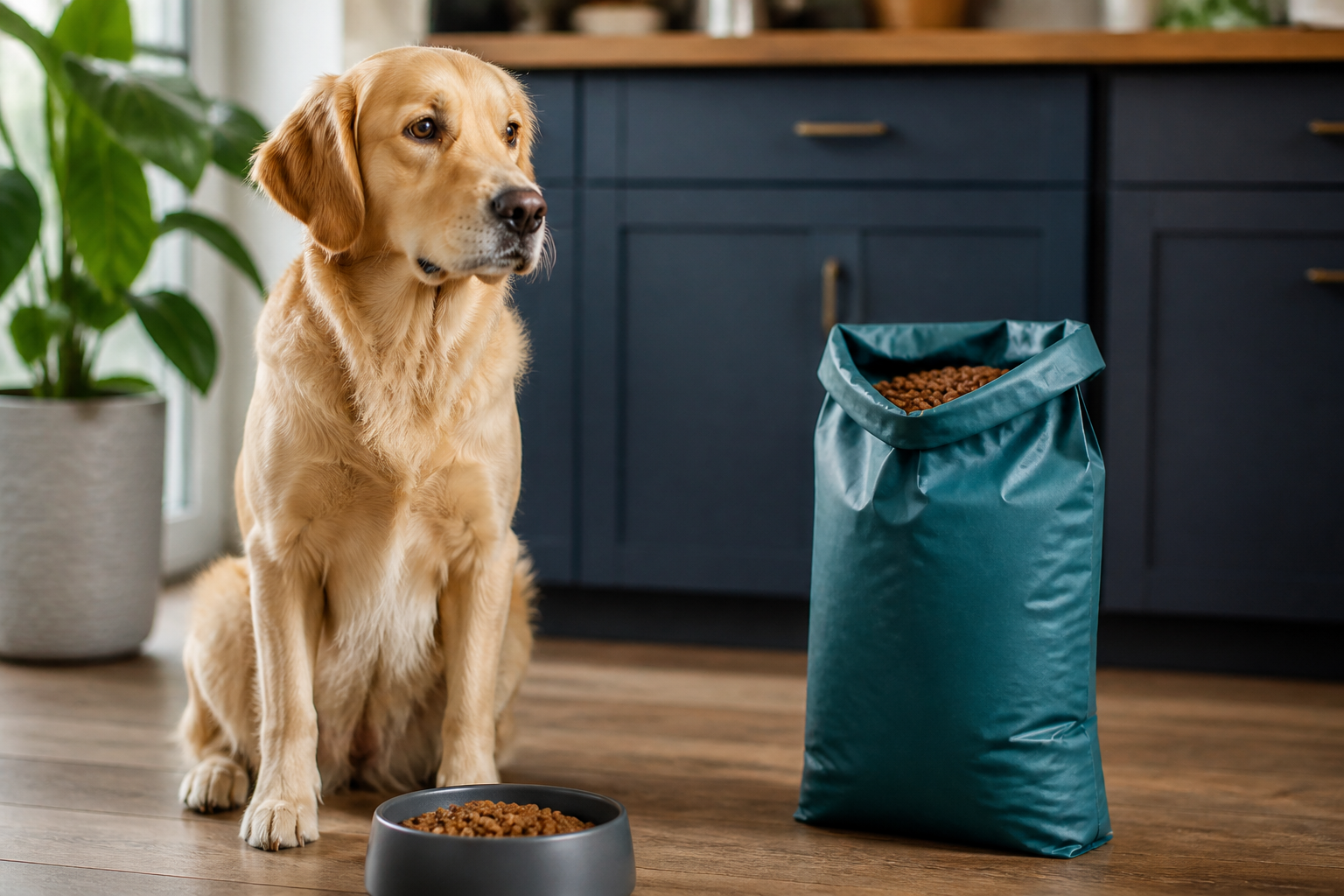
You reach for the kibble scoop and notice the bag has been open for quite a while. Maybe you bought the jumbo size to save a few dollars. Now you are staring at those last few pounds and wondering if they are still as nutritious as the first. At BaxterBoo, we know that keeping your dog healthy starts with what goes into their bowl every single day, and our dry dog food category is a great place to start. While dry dog food is designed for convenience and shelf stability, it does not stay fresh forever. Understanding the timeline of kibble freshness is about more than just taste. It is about protecting the vitamins and fats your dog needs to thrive. This guide covers how long an opened bag really lasts, the best ways to store it, and how to tell if it is time to toss the leftovers.
Quick Answer: Most experts recommend using a bag of dry dog food within four to six weeks once it has been opened. While unopened bags can last 12 to 18 months, exposure to air and humidity causes the quality to drop quickly after the seal is broken.
The Difference Between Unopened and Opened Bags
The date you see printed on the side of a dog food bag is usually a best by date. This date tells you how long the manufacturer guarantees the food will remain at peak nutritional quality while the seal is still intact. Most unopened bags of dry kibble are shelf stable for about a year to 18 months from the date of production. This long life is possible because the packaging is designed to keep out oxygen and moisture.
Once you pull that tab or cut the top of the bag, the clock starts ticking much faster. The moment air hits the kibble, a process called oxidation begins. This is a chemical reaction that occurs when oxygen interacts with the fats in the food. Even if the food technically remains safe to eat for a few months, the nutritional profile begins to degrade. For most households, the goal should be to finish a bag within about 30 to 45 days.
Reading the Labels
Every bag of food we carry, from brands like our selection of NutriSource products, features a stamp with specific details. You will find the best by date, the lot number, and the manufacturing code. It is helpful to take a quick photo of this information when you first buy the bag. If you ever need to check for a recall or contact the manufacturer about a quality issue, you will need those numbers.
Why the Six Week Rule Matters
Waiting too long to finish a bag can lead to several problems. The most common is fat rancidity. Dog food is often sprayed with fats and oils to make it taste better and provide energy. These fats are the first things to spoil when exposed to air. When fats go rancid, they do not just taste bad. They can actually cause digestive upset or long term health issues if consumed regularly.
Environmental Factors That Impact Freshness
How long your dog's food lasts depends heavily on where you keep it. Kibble has three main enemies: air, heat, and moisture. If you can control these three factors, you can keep the food fresh for the full six week window.
The Role of Temperature
Heat is a major factor in how quickly food spoils. High temperatures speed up the breakdown of vitamins and cause fats to turn rancid much faster. The FDA recommends storing pet food in a cool place where the temperature stays below 80 degrees Fahrenheit.
We often see pet owners store large bags in the garage or a backyard shed. In many parts of the country, these areas can reach well over 100 degrees in the summer. This extreme heat can ruin a fresh bag of food in just a few days. Always try to find a spot inside your home, such as a pantry or a climate controlled mudroom.
Fighting Humidity and Moisture
Moisture is the primary cause of mold growth in dry dog food. Even if you cannot see the mold, high humidity can cause microscopic spores to grow on the kibble. This is especially common in coastal areas or during humid summer months. If you live in a high humidity environment, using an airtight container is not just an option. It is a necessity.
Key Takeaway: Store dog food in a cool, dry place inside your home to prevent heat and moisture from destroying the nutritional value of the kibble.
Avoiding Light Exposure
Sunlight can also degrade the quality of dog food. Many premium brands use packaging that blocks light to protect sensitive vitamins like A and B12. If you pour your food into a clear plastic bin and leave it in a sunny spot, the light can weaken these nutrients. If you must use a clear bin, keep it inside a dark cupboard or pantry.
The Best Storage Methods for Maximum Freshness
The way you handle the food every day makes a difference. Many people make the mistake of pouring the kibble directly into a plastic or metal bin. While this seems organized, it is actually not the best way to keep the food fresh.
The Bag in Bin Method
The original packaging is specifically engineered to keep food fresh. Premium brands use multi layered bags with liners that act as a barrier against fat migration and oxygen. When you pour food directly into a plastic bin, the oils from the kibble can seep into the plastic over time. These oils can turn rancid and contaminate the next batch of fresh food you pour in.
Instead, keep the food inside its original bag. Roll the top down tightly to squeeze out as much air as possible and use a heavy duty clip to seal it. Then, place the entire bag inside an airtight storage container. This gives you two layers of protection and keeps your storage bin clean.
Managing Your Storage Bins
If you do choose to pour food directly into a container, you must be diligent about cleaning. Never pour a new bag of food on top of the crumbs of an old bag. Those old crumbs and oils are already oxidizing. They will act like a "spoiler" for your fresh food.
Step 1: Finish the current bag completely. Step 2: Wash the container with hot, soapy water. Step 3: Let the container dry entirely before adding new food. Step 4: Check the seal on the lid to ensure it is still airtight.
Choosing the Right Container
When shopping for gear at BaxterBoo, look for containers with a silicone or rubber gasket in the lid. These create a true airtight seal. Plastic bins are common, but stainless steel options are also excellent because they do not absorb odors or oils. Avoid using simple trash cans or bins without seals, as these allow pests and air to reach the food easily.
Signs That Your Dog Food Has Gone Bad
Your dog's nose is much more sensitive than yours, but you can still spot the signs of spoilage if you know what to look for.
The Smell Test
Fresh kibble should have a mild, grainy, or meaty scent. If you open the bag and get a whiff of something sour, musty, or like old paint, the fats have likely gone rancid. Rancid fat has a very distinct "off" smell that is hard to miss once you recognize it. If the food smells like a damp basement, mold may be present even if you cannot see it.
Visual Cues
Check the bottom of the bag or bin occasionally. You should look for:
- Visible mold (white, green, or black fuzz)
- Insects like grain moths or weevils
- An unusual oily sheen on the kibble
- Clumping or "damp" looking pieces
Your Dog's Behavior
One of the most common signs of old food is a dog that suddenly becomes a picky eater. If your dog usually loves their meals but starts turning their nose up at the bowl, they might be smelling something you missed. Dogs can often detect rancidity or mold long before we can. Never force a dog to eat food they are rejecting.
Vet Tip: If your dog accidentally eats spoiled food and begins vomiting or having diarrhea, contact your veterinarian. Our pet pharmacy offers a wide range of prescription diets and medications for digestive support through our partnership with Pet's Choice, which can help your pet recover from food borne illness.
The Risks of Feeding Expired or Spoiled Food
It might be tempting to feed those last few scoops even if they are a bit old, but the risks to your dog's health are real. Spoiled food is not just unappetizing. It can be dangerous.
Nutritional Deficiencies
Vitamins are fragile. Over time, exposure to air causes them to break down. If you regularly feed food that is several months old, your dog might not be getting the full amount of nutrition listed on the label. This is particularly important for puppies and senior dogs who have very specific nutritional requirements.
Bacterial Contamination
While dry food is low in moisture, it is not sterile. If moisture gets into the bag, it can create a breeding ground for bacteria like Salmonella or E. coli. These bacteria can make your dog very sick and can even be passed to the humans in your house through handling the food or the dog's waste.
Mycotoxins
Moldy food can produce mycotoxins. These are toxic substances produced by certain types of fungi. Mycotoxins are very dangerous for dogs and can cause serious issues like liver failure or tremors. This is why keeping the food dry is the most important part of storage.
Tips for Buying the Right Amount
The easiest way to ensure your dog always has fresh food is to buy the right size bag. It is often cheaper to buy a 40 pound bag, but if you have a 10 pound dog, that bag might last you three or four months. By the time you get to the end, the food will be stale and less nutritious.
Calculating Your Needs
Check the feeding guidelines on your dog's food bag. If your dog eats one cup of food per day, and a 5 pound bag contains about 20 cups, that bag will last you about three weeks. This is perfect. If a 30 pound bag contains 120 cups, it will take you four months to finish. In that case, the smaller bag is actually the better value because you will not end up throwing away spoiled food.
Use Autoship for Freshness
One of the best ways to manage your supply is through our Autoship programme. You can calculate exactly how long a bag should last and schedule your next delivery to arrive just as you are finishing the old one. This ensures you always have a fresh bag on hand without needing to store huge quantities that might go stale.
- Small dogs (under 20 lbs): Look for 4 lb to 10 lb bags.
- Medium dogs (20-50 lbs): Look for 12 lb to 25 lb bags.
- Large dogs (over 50 lbs): Large 30 lb to 40 lb bags are usually fine.
Bottom line: Buy the bag size that your dog can finish within six weeks to ensure every meal is fresh and safe.
Handling Food Recalls
Storage is also vital for safety during a recall. If a manufacturer announces a recall, they will identify the affected food by the lot number and the best by date. If you have poured your food into a bin and thrown away the bag, you will have no way of knowing if your food is part of the recall.
This is another reason why we recommend the "bag in bin" method. Keeping that original packaging allows you to stay informed and act quickly if a safety issue arises. You can also sign up for alerts from the FDA or your favorite brands to stay updated on any safety notices.
Frequently Asked Questions About Dry Dog Food
Can I freeze dry dog food to make it last longer?
You can freeze dry dog food, but it is often more trouble than it is worth. While freezing stops the oxidation process, the act of thawing can introduce moisture and condensation to the kibble. This moisture can lead to mold once the bag is back at room temperature. If you must freeze it, do so in small, airtight portions that can be used quickly after thawing.
Does the best by date still matter if the bag has never been opened?
Yes, the best by date is a firm guideline for unopened bags. Over time, even in a sealed bag, the vitamins will slowly lose their potency and the fats will eventually degrade. While the food might not be "rotten" the day after the date passes, it is no longer guaranteed to provide the complete and balanced nutrition your dog needs.
Is it okay to mix the old food with the new food?
We generally recommend against mixing the last bit of an old bag with a brand new bag. If the old food has started to oxidize, it can actually speed up the spoilage of the fresh food. It is better to finish the old bag completely, wash your container, and then start the new one. If you are switching to a new brand, transition the foods in your dog's bowl, but keep the bulk supplies separate.
Why does my dog's food smell like fish or paint?
If your dog's food has a sharp, fishy, or chemical smell similar to old oil paint, the fats have gone rancid. This happens when the preservatives in the food can no longer stop the oxidation process. This smell is a clear indicator that the food should be discarded immediately, as it can cause stomach upset and contains free radicals that are not healthy for your pet.
Conclusion
Managing your dog's food supply is a simple but vital part of being a pet parent. By sticking to the four to six week rule for opened bags and using the "bag in bin" storage method, you can ensure your dog stays healthy and happy. Remember to keep the food in a cool, dry place and always trust your dog's instincts if they refuse a meal.
- Aim to finish opened bags within 6 weeks.
- Store food in its original bag inside an airtight container.
- Keep storage areas below 80 degrees Fahrenheit.
- Watch for changes in smell, texture, or your dog's appetite.
Key Takeaway: Proper storage and buying the right bag size are the best ways to protect the nutritional integrity of your dog's dry food.
If you are looking for a way to keep fresh food arriving exactly when you need it, consider signing up for our Autoship program at BaxterBoo. You will save on your orders and earn points through our MVP Rewards programme, making it easier than ever to provide high quality, fresh nutrition for your dog.
FAQ
How can I tell if my dry dog food has gone bad?
The most reliable signs are a sour or rancid smell, the presence of insects or mold, and your dog refusing to eat. You should also check for a change in the texture of the kibble, such as it feeling excessively oily or crumbly. If the bag has been open for more than two months, it is best to discard it even if it looks okay.
Is it safe to store dog food in the garage?
Storing dog food in a garage is generally not recommended because garages are subject to extreme temperature swings and humidity. High heat can cause the fats in the food to turn rancid in a matter of days, and moisture can lead to mold. It is much safer to store the food in a pantry or closet inside your climate controlled home.
Why should I keep dog food in its original bag?
The original bag is designed with a specific liner that keeps fats from seeping out and protects against oxygen. It also contains the lot number and expiration date, which are essential in the event of a product recall. Keeping the bag inside an airtight bin provides the best protection against both spoilage and pests.
What should I do if my dog eats expired food?
If your dog eats a small amount of expired food and seems fine, just switch to a fresh bag and monitor them. However, if they show signs of distress like vomiting, lethargy, or diarrhea, you should contact your veterinarian immediately. For ongoing digestive support or prescription diets, our pharmacy and Pet's Choice partnership can provide the medical supplies your vet recommends.






