
 Save 15% on your 1st Autoship learn more

 Email us
 Live Chat
 FAQs
FAQs





Introduction
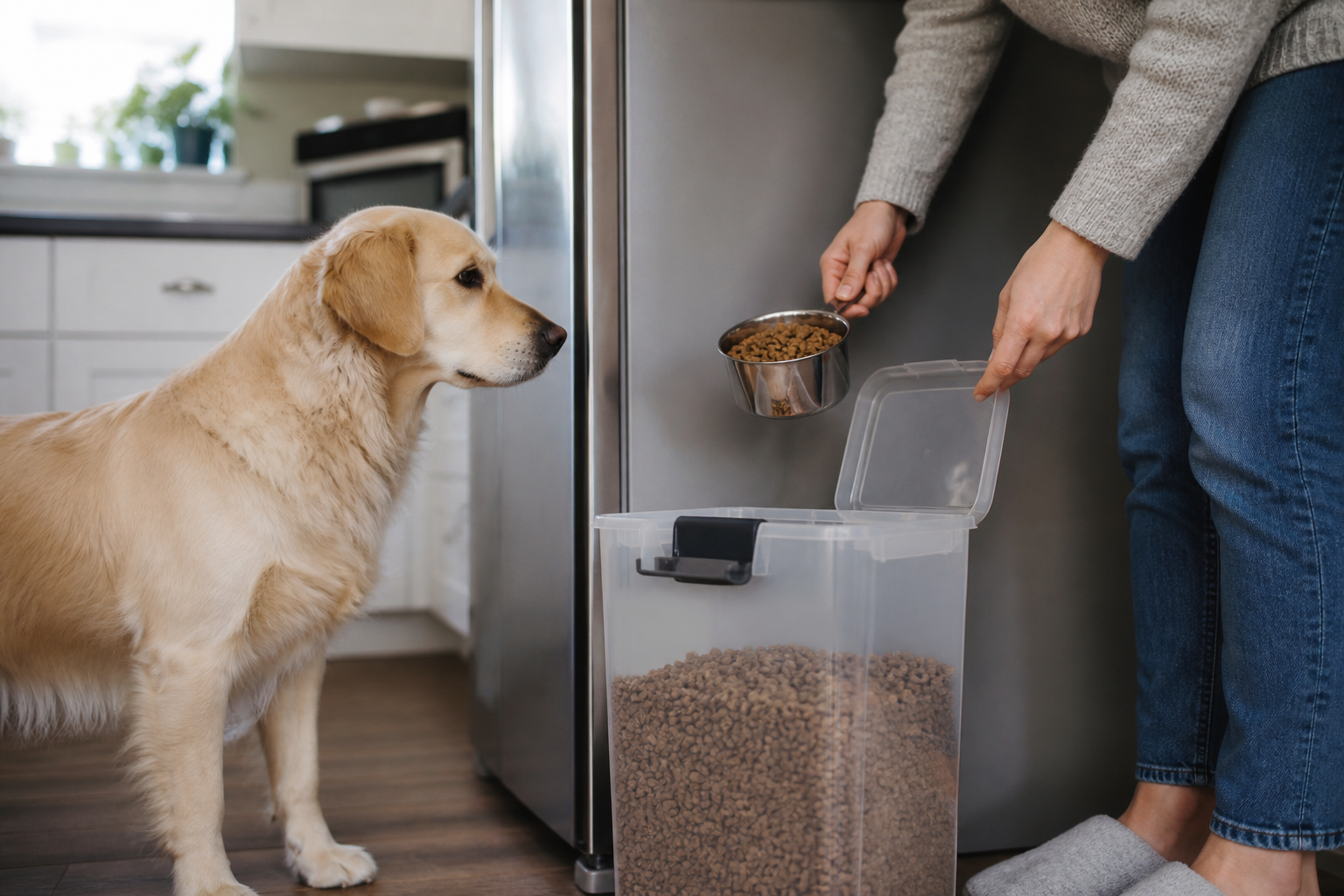
You are standing in the kitchen and looking at a large bag of kibble. It has been open for a few weeks. You might wonder if it still has the same crunch or the same vitamins it had on day one. At BaxterBoo, we hear this question quite often. Owners want to save money by buying in bulk, but they also want to ensure their pets stay healthy. Most people know that wet food spoils fast. However, dry food also has a clock that starts ticking the moment the seal is broken. This article covers the timeline for freshness and the best ways to store your dog's meals. Understanding these rules helps you avoid waste and keeps your dog’s digestive system happy.
Quick Answer: Most dry dog food stays fresh for 30 to 45 days after the bag is opened. While the bag may have a best by date that is a year away, that date only applies to a factory-sealed container. Once air and moisture reach the kibble, the nutritional quality begins to drop.
The Standard Timeline for Freshness
The date printed on your bag of dog food is a best by date. This is the date the manufacturer uses to say the food is at peak quality. It assumes the bag is still sealed and stored in a temperature-controlled warehouse. Once you open that bag, that printed date is no longer your guide.
Most pet nutritionists recommend using a bag of dry food within four to six weeks. This is the window where the fats are still stable and the vitamins are still potent. After six weeks, the risk of oxidation increases. This is a process where oxygen breaks down the chemical bonds in the food. It leads to staleness and eventually causes the fats in the food to turn rancid.
Factors That Change the Timeline
Not every bag of food is the same. Some ingredients stay fresh longer than others.
- Preservative types: Foods with synthetic preservatives like BHA or BHT usually last longer on the shelf. Foods with natural preservatives like Vitamin E (tocopherols) or rosemary extract are healthier but spoil faster.
- Fat content: High-fat diets or those with added fish oils oxidize very quickly. If you feed a performance diet or a skin and coat formula, you should be even more careful about the 30-day rule.
- Climate: If you live in a humid or hot area, the food will spoil faster. Moisture in the air can lead to mold growth inside the bag.
Key Takeaway: Aim to buy a bag size that your dog can finish within 30 to 45 days. This ensures they get the full nutritional value of every bowl.
Why Does Dry Food Spoil?
It is a common myth that dry food is shelf-stable forever. While it has low moisture, it is not invincible. Three main enemies attack your dog's food every time you open the pantry.
Oxidation
As soon as air hits the kibble, the oxidation process begins. This is particularly dangerous for the fats in the food. When fats oxidize, they become rancid. This does more than just make the food smell bad. Rancid fats can cause long-term health issues. They can lead to vitamin deficiencies and digestive upset. In some cases, chronic exposure to rancid fats has been linked to more serious conditions like liver disease.
Moisture and Mold
Dry kibble typically has about 10 percent moisture. If it gets higher than that, it becomes a breeding ground for mold. This often happens if the bag is stored on a garage floor or in a damp basement. Some molds produce mycotoxins. These are toxic substances that can make a dog very ill. Even if you cannot see the mold, it can still be present in the bag.
Bacterial Growth
We often think of Salmonella as a raw food problem. However, dry food can also be contaminated. If a bag is left open, it can attract pests like flies or rodents. These pests carry bacteria that can transfer to the kibble. If the food gets warm, any bacteria already present can begin to multiply.
Vet Tip: If your dog suddenly refuses to eat their favorite food, do not force them. They can often smell spoilage or rancidity long before we can. Trust their nose and check the bag for signs of mold or an off-odor.
Proper Storage Techniques
How you store the food is just as important as when you bought it. Many owners make the mistake of pouring the kibble out of the bag and into a plastic bin. This is actually not the best way to keep it fresh.
Keep the Original Bag
The bags used by premium pet food companies are high-tech. They often have grease barriers and air-lock seals. They are designed to keep the fats inside the kibble and the oxygen out. When you pour the food into a plastic bin, the oils from the food soak into the plastic. Over time, these oils turn rancid. Even if you wash the bin, the residue can stay behind and spoil the next batch of food.
Use an Airtight Container
The best method is to keep the food in the original bag and then place the entire bag inside an airtight container. This gives you two layers of protection. It keeps the grease on the bag and keeps the air out. It also prevents pests from getting into the food. We carry various storage solutions that help maintain this barrier.
Control the Temperature
Store the food in a cool and dry place. The temperature should be below 80 degrees Fahrenheit. Many people store dog food in the garage. This is a mistake in most parts of the country. High heat in the summer and moisture in the winter will ruin the food in a matter of days. A kitchen pantry or a climate-controlled closet is a much better choice.
Bottom line: The original bag is your best friend for freshness, so keep the kibble inside it even if you use a storage bin.
How to Tell if the Food is Bad
Sometimes a bag might spoil before the 30-day mark. You should do a quick check every time you fill your dog's bowl.
The Smell Test
Fresh kibble usually has a mild, grainy, or meaty scent. Rancid food smells different. It might smell like old paint, sour chemicals, or even like a box of stale crackers. If the scent makes you wrinkle your nose, it is probably time to toss it.
Visual Inspection
Look for any changes in the color or texture of the kibble.
- Mold: Look for white, green, or black fuzz.
- Insects: Look for small weevils or moths.
- Texture: If the kibble feels sticky, oily, or unusually crumbly, it may be breaking down.
Your Dog’s Reaction
If your dog is usually excited for dinner but suddenly walks away from the bowl, pay attention. Dogs have a much stronger sense of smell than we do. They can detect the chemical changes of oxidation very early.
Health Risks of Spoiled Food
Feeding expired or rancid food is not just a matter of bad taste. It can lead to real medical problems. When the fats go rancid, they destroy the vitamins in the food. Your dog might be eating the right amount of calories but missing out on essential nutrients like Vitamin E or Vitamin D.
Contaminated food can cause food poisoning. Symptoms of food poisoning in dogs include:
- Vomiting
- Diarrhea (sometimes with blood)
- Lethargy or weakness
- Loss of appetite
- Abdominal pain
If your dog shows these signs after eating, you should consult a veterinarian immediately. For pets with chronic digestive issues or those who need specific nutrition, our pet pharmacy carries a wide range of prescription diets.
Tips to Maximize Freshness
You can take a few simple steps to make sure your dog’s food stays as fresh as possible.
Step 1: Check the bag at the store.
Look for any small rips or tears before you buy. Even a tiny hole allows air and moisture to enter the bag. Avoid buying bags that are dusty or look like they have been sitting on the shelf for months.
Step 2: Buy the right size.
It is tempting to buy the 40-pound bag because it is cheaper. However, if you have a small dog, that bag might last three months. By the end of that time, the food will be stale and less nutritious. Buy a bag size that your dog can finish in about four weeks.
Step 3: Seal the bag tightly.
After every meal, squeeze the air out of the bag and seal it. Use a heavy-duty bag clip or the built-in zipper. The less air that stays in the bag, the longer the food stays fresh.
Step 4: Wash your gear.
If you use a scoop or a storage bin, wash them with hot soapy water regularly. Old oils and crumbs can harbor bacteria and speed up the spoilage of fresh food.
| Storage Method | Freshness Level | Risk of Spoilage |
|---|---|---|
| Original bag, clipped shut | High | Low |
| Original bag inside airtight bin | Very High | Very Low |
| Loose kibble in plastic bin | Medium | Moderate |
| Open bag in garage | Low | High |
| Bowl left out all day | Very Low | Very High |
Managing Your Dog Food Inventory
We recommend using a subscription service if you find yourself running out of food or keeping bags too long. Our Autoship programme is a great way to ensure you always have a fresh bag of food exactly when you need it. You can set the delivery schedule based on how long it takes your dog to finish a bag. This prevents the need to buy giant bags that sit in the pantry for months.
You can also join the MVP Rewards programme to earn points on every bag of food you buy. This makes it easier to afford smaller, fresher bags rather than trying to save money with bulk sizes that might spoil. We carry over 500 trusted brands, including high-quality options like our selection of Orijen products and our selection of Farmina products, which use premium ingredients and natural preservatives.
Identifying Proper Bag Labels
Always keep the bag until the food is completely gone. If there is ever a product recall, you will need the lot number and the UPC code. These are printed on the bag, not on the bin. If your dog gets sick, your vet will want to know the exact brand and formulation. Having the bag on hand makes this process much easier.
Key Takeaway: Proper inventory management and using the original packaging are the best ways to protect your investment and your pet's health.
FAQ
Can I store dry dog food in the refrigerator?
While it seems like it would keep it fresh, the refrigerator is actually a bad place for dry food. The humidity inside a fridge can cause moisture to condense on the kibble, which leads to mold. It is much better to store it in a cool, dry pantry at room temperature.
Is it safe to freeze dry dog food?
Yes, you can freeze dry dog food to extend its life. Make sure it is in an airtight container or a freezer-safe bag to prevent freezer burn. When you take it out, let it reach room temperature before feeding it to your dog to avoid any condensation issues.
How long can I leave dry food in the bowl?
Once you pour the food into the bowl, it should be eaten within 24 hours. After that, it becomes stale and can attract pests or bacteria. If your dog is a "grazer," only put out the amount they will eat in a single day.
Do natural preservatives work as well as synthetic ones?
Natural preservatives like mixed tocopherols are very effective at keeping food fresh for a shorter period. They are generally considered safer for long-term health than synthetic options like BHA. However, they do require you to be more diligent about using the food within that 30 to 45-day window.






