
 Save 15% on your 1st Autoship learn more

 Email us
 Live Chat
 FAQs
FAQs





Introduction
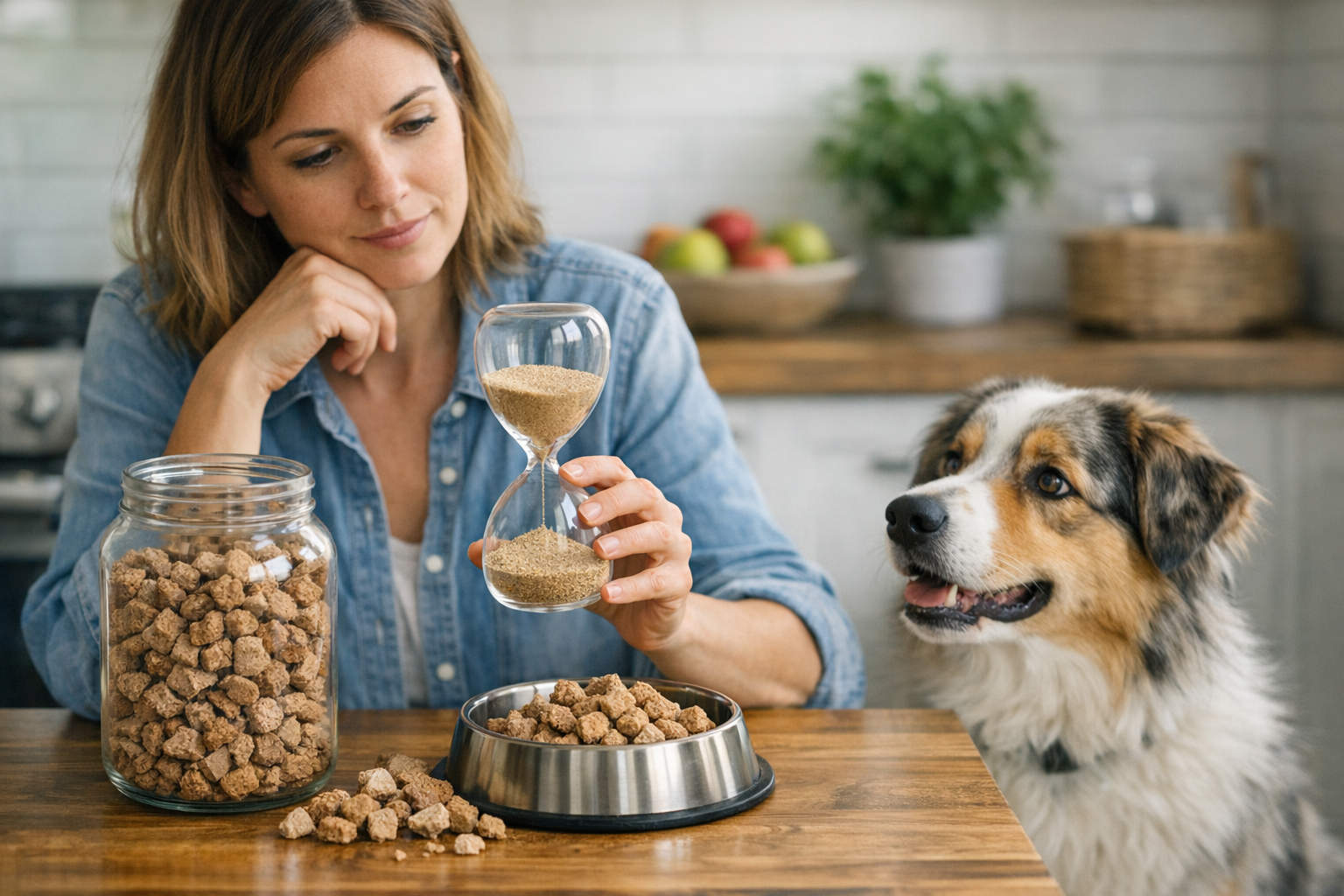
You are reaching into the back of the pantry and pull out a bag of freeze dried nuggets you bought a few months ago. The bag is open, but the zip seal is mostly closed. Your dog is waiting expectantly, but you stop and wonder if the food is still safe. This is a common moment for many pet owners who enjoy the convenience of raw nutrition without the messy thawing process. At BaxterBoo, we know that choosing premium food is an investment in your dog's health. You want to make sure every bite provides the nutrients they need without any risk of spoilage. This guide covers everything you need to know about the shelf life of our freeze-dried food collection in various states. Understanding how moisture and air affect these products will help you keep your dog's meals fresh and safe.
Quick Answer: Unopened freeze dried dog food typically lasts 12 to 24 months when stored in a cool, dry place. Once the bag is opened, you should use the dry food within 30 to 60 days for peak freshness. If you rehydrate the food with water, treat it like fresh meat and use it within 30 minutes or refrigerate it for up to 48 hours.
The Science Behind Freeze Drying and Longevity
Freeze drying is a unique preservation method that differs significantly from traditional kibble baking or dehydration. The process begins by flash freezing raw ingredients like muscle meat, organs, and vegetables. These frozen items are then placed in a vacuum chamber. Through a process called sublimation, the ice turns directly into vapor without ever becoming liquid. This removes nearly all moisture from the food.
Most freeze dried dog foods have about 3 percent to 5 percent moisture remaining. This is much lower than the 10 percent moisture found in standard kibble. Bacteria and mold require moisture to grow and reproduce. By removing the water, manufacturers create an environment where spoilage organisms cannot thrive. This allows the food to remain shelf stable for long periods without the need for chemical preservatives.
The nutritional integrity is another reason this format is so popular. High heat can damage delicate vitamins and enzymes. Because freeze drying happens at very low temperatures, the proteins and nutrients stay intact. You get the benefits of a raw diet with the storage ease of a dry product.
Key Takeaway: Freeze drying removes moisture through sublimation. This creates a shelf stable product that retains raw nutritional values without using high heat or heavy preservatives.
How Long Unopened Bags Last
When you see a bag of freeze dried food on a store shelf, it is often flushed with nitrogen before sealing. This removes oxygen, which is one of the primary causes of fat oxidation and nutrient degradation. As long as that factory seal remains unbroken, the food is protected from the elements.
Most reputable brands carried at BaxterBoo, such as our selection of Stella & Chewy's products or our selection of Open Farm products, provide a best-by date that is 18 to 24 months from the date of production. Some products may even stay viable for up to five years if the packaging is high quality and the storage conditions are perfect.
It is important to remember that a best-by date is not a hard expiration date. It is a manufacturer's guarantee of peak quality and nutritional potency. After this date, the vitamins may begin to degrade. The fats might also start to go rancid, especially if the bag has been exposed to fluctuating temperatures. Always check the packaging for a printed date before purchasing or feeding.
Factors That Shorten Unopened Shelf Life
- Punctures or micro-tears in the bag.
- Storage in a garage or shed with high heat.
- Exposure to direct sunlight.
- Excessive humidity that compromises the packaging material.
Life Span of an Opened Bag
The clock starts ticking the moment you break the factory seal. Once air and humidity enter the bag, the food begins to change. Even if you live in a dry climate, there is enough moisture in the air to slowly affect the texture and safety of the raw ingredients.
Most manufacturers recommend using an opened bag within 30 to 60 days. If you store the food in its original bag and seal it tightly after every use, 60 days is a safe window. If you live in a very humid environment, you might want to aim for 30 days. The fats in raw meat are sensitive to oxygen. Over time, oxygen causes these fats to break down, which can lead to an off-putting smell or digestive upset for your dog.
If you have a small dog and buy a very large bag to save money, you might find it difficult to finish the bag within two months. In these cases, it is better to buy smaller bags to ensure the food is always fresh. You can still save on these frequent purchases by using our Autoship programme. This ensures a fresh bag arrives just as you are finishing the previous one.
Vet Tip: If your dog has a sensitive stomach or chronic digestive issues, pay extra attention to the 30-day mark. Rancid fats can cause inflammation in the digestive tract even if the food does not look "spoiled" to the human eye. If symptoms persist, consult your veterinarian to rule out underlying food sensitivities or the need for a prescription diet from our pet pharmacy.
Managing Rehydrated Freeze Dried Food
Many pet owners choose to add warm water, bone broth, or goat milk to freeze dried nuggets. This helps with hydration and makes the meal more palatable. However, adding moisture completely changes the rules of storage. By reintroducing water, you are creating the perfect environment for bacteria to grow.
Once water is added, you should treat the bowl like a plate of raw meat. Do not leave rehydrated food sitting out at room temperature for more than 30 minutes. If your dog does not finish their meal within that window, you must take action.
You can store leftovers in a sealed container in the refrigerator for up to 48 hours. After two days, any uneaten rehydrated food should be discarded. Never try to re-dry the food or put it back into the original bag once it has been touched by water. This can contaminate the entire dry supply with bacteria.
Rehydration Safety Checklist
- Use filtered or bottled water if your tap water quality is questionable.
- Wash the bowl thoroughly with hot, soapy water after every meal.
- Only rehydrate what your dog will eat in one sitting.
- Store refrigerated leftovers in glass or BPA-free plastic containers.
Proper Storage Techniques
Where you keep the food is just as important as how long you keep it. Heat is the enemy of shelf-stable pet food. If you store your dog's food in a cabinet next to the oven or dishwasher, the constant temperature changes will shorten the life of the product.
The ideal storage spot is a cool, dark, and dry pantry. Keep the food in its original packaging if possible. These bags are often designed with multi-layer barriers specifically meant to keep out light and moisture. If you prefer using a plastic bin, place the entire bag inside the bin rather than pouring the food out. This provides an extra layer of protection and keeps the bin clean from meat oils.
Humidity is another major factor. In the summer months, keep the bag tightly sealed. If the zip-top on the bag fails, use a heavy-duty chip clip or transfer the nuggets to an airtight glass jar.
Bottom line: Keep the food in its original bag, squeeze out excess air before sealing, and store it in a cool, dark pantry to maximize the 60-day window.
Recognizing Spoiled Freeze Dried Food
Even if you follow all the rules, sometimes a bag goes bad. This can happen due to a manufacturing defect or an unnoticed tear in the packaging. You should perform a quick sensory check every time you feed your dog.
The smell is usually the first indicator. Fresh freeze dried raw food should smell like the primary protein, such as beef or chicken. It should have a mild, meaty aroma. If you open the bag and notice a sour, metallic, or "old paint" smell, the fats have likely gone rancid. Your dog's nose is much more sensitive than yours. If a normally excited eater suddenly refuses their food, trust their instincts.
Check the texture of the nuggets or crumbles. They should be dry and light. If they feel sticky, damp, or unusually soft, moisture has entered the bag. Visible mold is rare in freeze dried food because it is so dry, but it can happen if the bag was left open in a damp environment. Any sign of fuzzy growth or dark spots means the entire bag must be tossed.
Signs of Spoilage
- A sour or rancid odor.
- Change in color (fading or darkening significantly).
- Sticky or clumping texture.
- Sudden refusal to eat by your dog.
- Visible mold or insect activity.
Comparing Freeze Dried to Other Formats
It helps to understand how freeze dried food compares to other "dry" options. This puts the shelf life into perspective. While kibble is very stable, it often contains preservatives like tocopherols or even synthetic chemicals to keep it that way.
| Food Type | Unopened Life | Opened Life (Dry) | Rehydrated Life |
|---|---|---|---|
| Freeze Dried Raw | 12-24 Months | 30-60 Days | 24-48 Hours (Fridge) |
| Air-Dried | 12-18 Months | 6-8 Weeks | N/A (Usually fed dry) |
| Dehydrated | 12-24 Months | 60-90 Days | 24-48 Hours (Fridge) |
| Standard Kibble | 12-18 Months | 4-6 Weeks | N/A |
Air-dried foods, like those from our selection of Ziwi Peak products, use a different process that leaves slightly more moisture behind than freeze drying. This makes them very stable but sometimes gives them a shorter opened shelf life than the bone-dry freeze dried options. Dehydrated foods, like our selection of The Honest Kitchen products, are also very shelf stable but usually require rehydration for every meal, putting them in the same category as freeze dried once water is added.
The Role of Safety Processing
Because freeze dried food is raw, many people worry about pathogens like Salmonella or E. coli. Most of the premium brands we carry use a process called High-Pressure Processing (HPP). This is a cold-water pressure method that kills harmful bacteria without using heat.
This process does not affect the shelf life directly, but it does ensure that the food is safe when it enters the bag. Since freeze drying does not involve heat, it cannot be relied upon as a "kill step" for bacteria. If a brand does not use HPP or a similar safety step, any bacteria present in the raw meat could stay dormant in the dry nuggets and become active once you add water.
Always look for brands that mention safety testing. Reputable companies will test every batch for pathogens before it leaves the warehouse. This transparency is why we curate our selection so carefully at BaxterBoo.
Value and Practicality for Dog Owners
Freeze dried raw food is a premium product, and the price reflects the complex manufacturing process. To get the most value out of your purchase, plan your bag sizes according to your dog's weight.
For a large dog, a big bag might only last two weeks, making shelf life a non-issue. For a small dog, that same bag could last three months. In that scenario, the end of the bag might be less nutritious and less tasty. It is often more cost-effective to buy the size that fits the 60-day window.
Our MVP Rewards programme can help you manage the cost of these high-quality diets. You earn points on every purchase which can be used for future discounts. Combining this with a regular schedule ensures you never have "old" food sitting in the pantry for too long.
Handling and Hygiene
Even though the food is dry and shelf stable, it is still a raw meat product. Proper handling is essential for the safety of both the pet and the humans in the house. This is especially important if you have young children, elderly family members, or anyone with a compromised immune system in the home.
Always wash your hands with warm water and soap after handling the dry nuggets or the rehydrated meal. Use a dedicated scoop for the food rather than your dog's bowl or your own measuring cups. If you use a container to store the food, wash it thoroughly between bags. Old oils can cling to the walls of the container and go rancid, contaminating the fresh food you pour in.
If you are traveling with your dog, freeze dried food is the ultimate convenience. You do not need a cooler or ice. However, make sure you bring a resealable bag or a travel container to keep the food dry while on the road. Exposure to a humid car or damp camping environment can spoil the food quickly.
Transitioning and Digesting
If you are moving your dog from kibble to a freeze dried diet, do it slowly. The high protein and fat content in raw food is different from the carbohydrate-heavy structure of kibble. A sudden switch can cause digestive upset regardless of how fresh the food is.
Step 1: Mix 25 percent freeze dried food with 75 percent of the old food for three days.
Step 2: Increase to a 50/50 mix for the next three days.
Step 3: Move to 75 percent freeze dried food for another three days.
Step 4: Transition to 100 percent freeze dried food.
During this time, watch your dog's stool. It should remain firm. If you notice diarrhea or vomiting, slow the transition down. Some dogs benefit from adding a digestive enzyme or probiotic during this change.
Key Takeaway: Proper storage and handling are just as important as the food's quality. Slower transitions and strict hygiene ensure your dog gets the most out of their raw diet.
Health and Wellness Support
If your dog is eating a high-quality freeze dried diet but still struggles with skin allergies or joint stiffness, you might need to look beyond the bowl. Many owners use freeze dried food as a base and then add targeted supplements. Brands like Cosequin or Zesty Paws can be easily mixed into rehydrated meals.
For dogs with more serious health concerns, our pharmacy partnership with Pet's Choice offers access to prescription medications and specialized diets. While freeze dried raw is excellent for general wellness, some conditions like kidney disease or severe heart issues require specific nutrient levels that only a prescription diet can provide. We can help you manage these chronic needs with the same convenience as your standard food orders.
Conclusion
Understanding how long freeze dried raw dog food lasts allows you to feed your pet with confidence. By keeping unopened bags in a cool pantry, using opened bags within 60 days, and following the 30-minute rule for rehydrated meals, you ensure your dog gets the full nutritional benefit of a raw diet. Always trust your senses and your dog's reactions if the food seems off. At BaxterBoo, we are committed to providing the freshest, highest-quality brands to keep your pets thriving.
- Check best-by dates before every purchase.
- Seal bags tightly to keep out oxygen and humidity.
- Refrigerate any rehydrated leftovers immediately.
- Wash hands and bowls after every feeding.
If you are ready to stock up on fresh meals, browse our full collection of dog food and consider setting up an Autoship order to keep your pantry consistently fresh.
FAQ
Can I freeze the dry nuggets to make them last longer?
You can put the dry nuggets in the freezer, but it is generally unnecessary because the food is already shelf stable. If you do freeze them, make sure the bag is completely airtight to prevent freezer burn or moisture from entering. Once you take the bag out of the freezer, let it reach room temperature before opening it to prevent condensation from forming on the food.
Is it safe to feed freeze dried food past the best-by date?
While it is not necessarily dangerous to feed food shortly after the best-by date, the nutritional quality will begin to decline. Vitamins lose their potency, and the fats may start to oxidize. If the food smells fine and has been stored in a cool, dark place, it is likely safe for a few weeks past the date, but it is always better to prioritize fresh batches for optimal health.
Why does my freeze dried food smell different than the last bag?
Because freeze dried food is made from natural, minimally processed ingredients, slight variations in color and aroma are normal between batches. Factors like the time of year or the specific source of the protein can cause these changes. However, if the smell is sour, sharp, or reminds you of old oil, that is a sign of rancidity rather than natural variation, and the bag should not be used.
Do I have to add water to freeze dried dog food?
Most freeze dried foods can be fed dry, but rehydrating is usually recommended. Adding water helps with digestion and ensures your dog stays hydrated, which is especially important since the food has had almost all its moisture removed. If you choose to feed it dry, make sure your dog has constant access to a large bowl of fresh water.






