
 Save 15% on your 1st Autoship learn more

 Email us
 Live Chat
 FAQs
FAQs





Introduction
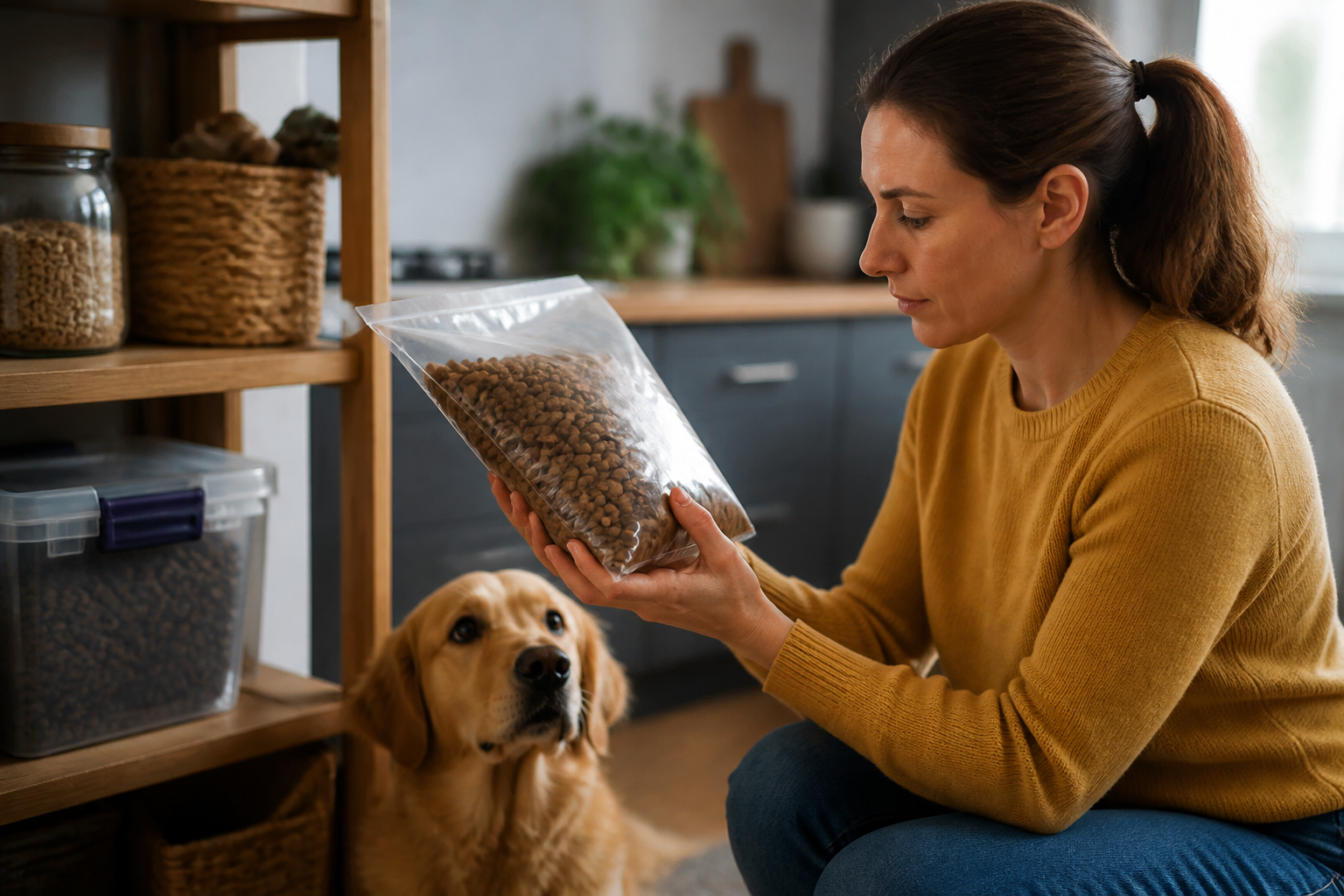
You might be cleaning out the back of your pantry when you find a large, heavy bag of kibble tucked behind the holiday decorations. Maybe you bought it on sale or simply forgot you had a backup. If the seal is still tight, your first instinct is likely to check the date. You want to know if it is still safe and nutritious for your pup. At BaxterBoo, we see this often because many of our customers like to stock up on their favorite premium brands, and our dry dog food category is a great place to compare options. We know you want to provide the best for your pet without wasting perfectly good food. This article covers exactly how long that unopened bag stays fresh, what the dates on the bag actually mean, and how to store your stash to prevent spoilage. Proper storage ensures your dog gets the full nutritional value of every meal.
Quick Answer: Unopened dry dog food generally stays good for 12 to 18 months from the date it was manufactured. Always check the best by date on the bag, as this indicates when the nutrients will begin to decline. Once you break the seal, that window of freshness drops to about four to six weeks.
Understanding Best By Dates
Most pet food manufacturers print a date on the bag. This is usually called a best by or use by date. It is important to know that this is not exactly the same as an expiration date for human medicine. Instead, it is a marker of peak quality. Manufacturers use these dates to tell you when the food will be at its best in terms of taste and nutrition.
After this date passes, the food does not necessarily turn into a hazard overnight. However, the vitamins and minerals start to break down. The fats in the food can also begin to oxidize. This means the food might not provide the complete and balanced diet your dog needs. If the bag is several months past that date, the nutritional profile is likely compromised.
We carry over 500 trusted brands at BaxterBoo. Each one has its own testing process to determine these dates. Brands like Farmina or Orijen use high quality ingredients that require specific storage to meet those date windows. If you find a bag that is just a few days past the date, it might still be okay. If it is months past, it is safer to start fresh.
The Shelf Life of Unopened Kibble
Unopened dry dog food is designed to be shelf stable. Most kibble is extruded and dried to a very low moisture content. This low moisture is what prevents mold and bacteria from growing while the bag is sealed. On average, a bag will stay good for over a year if it remains in its original factory packaging.
The specific shelf life depends on the preservatives used. Some brands use synthetic preservatives like BHA or BHT. These chemicals are very effective at preventing fat from going rancid for long periods. Other premium brands use natural preservatives like tocopherols, which are forms of Vitamin E. Natural preservatives are often preferred by pet owners but they sometimes have a shorter shelf life than synthetic options.
Key Takeaway: Unopened dry dog food is typically at its nutritional peak for 12 to 18 months. Natural preservatives may result in a shorter shelf life than synthetic ones.
What Happens Inside the Bag Over Time?
Even when a bag is unopened, the clock is ticking on the ingredients inside. Oxygen is the main enemy of pet food. While bags are sealed, they are not always perfectly vacuum sealed. Small amounts of air can still interact with the fats in the kibble. This process is called oxidation.
When fats oxidize, they become rancid. This changes the smell and flavor of the food. More importantly, it can create free radicals that are not healthy for your dog to consume. Vitamins are also sensitive to time. Vitamin C and B vitamins are particularly prone to losing their potency as the months go by.
If you feed your dog food that has lost its nutritional value, they might not show signs of illness right away. Over time, however, a lack of proper vitamins can lead to a dull coat or lower energy levels. Keeping your stock fresh ensures they get exactly what the label promises.
The Role of Storage Conditions
How you store that unopened bag matters just as much as the date on the label. If you leave a bag in a hot, humid garage, it will spoil much faster than the best by date suggests. Heat is a major factor in food degradation. It speeds up the chemical reactions that cause fats to go rancid.
Humidity is another significant risk. If moisture gets into the bag, it can lead to mold growth. Even if you cannot see the mold, it can produce mycotoxins. These toxins are dangerous for dogs and can cause serious health issues. We recommend keeping all your pet food in a climate controlled area of your home.
Ideal Storage Checklist
- Keep the temperature below 80 degrees Fahrenheit.
- Store bags off the floor on a shelf or in a bin to prevent moisture wicking.
- Keep the area dark, as light can also degrade certain nutrients.
- Ensure the storage area is dry and well ventilated.
When the Seal Breaks: Opened vs. Unopened
Everything changes the moment you open that bag. Opening the bag exposes the kibble to a massive amount of oxygen, moisture, and potential environmental contaminants. The 12 to 18 month window for unopened food completely disappears once the seal is broken.
Most experts recommend finishing a bag within 30 to 45 days of opening. This is why it is often better to buy smaller bags more frequently. While a 40 pound bag might be a better value, it is only a deal if the food stays fresh. If you have a small dog, that big bag might sit open for three months. By the end of that time, the food is likely stale and less nutritious.
Bottom line: Opening the bag drastically reduces shelf life to about six weeks, regardless of the date printed on the package.
How to Tell if Unopened Dog Food is Spoiled
Sometimes a bag might be within its best by date but has still gone bad. This can happen if the bag was punctured during shipping or stored improperly before you bought it. You should always perform a quick check before pouring a new bag into your dog's bowl.
First, use your nose. Fresh kibble usually has a nutty or meaty scent. If the food smells sour, metallic, or like old paint, it is likely rancid. Second, look at the texture. If the kibble feels oily or sticky to the touch, the fats may have migrated to the surface and spoiled.
Finally, watch your dog. Dogs have a much more sensitive sense of smell than we do. If your normally hungry dog refuses to eat or hesitates at the bowl, they might be detecting spoilage that you missed. Do not force them to eat it if they seem suspicious of a new bag.
Vet Tip: If your dog accidentally eats spoiled food and begins vomiting or having diarrhea, contact your veterinarian immediately. For ongoing digestive support or prescription diets needed for sensitive stomachs, our pet pharmacy offers prescription options.
The Importance of Original Packaging
It is very tempting to pour a new bag of food directly into a large plastic rolling bin. However, we suggest keeping the food inside the original bag even if you put that bag inside a bin. The bags used by premium manufacturers are specifically designed to keep out moisture and light. They often have specialized liners to keep the fats from soaking through.
Plastic bins can also cause problems over time. Residual fats from old food can stick to the sides of the container and go rancid. When you pour fresh food on top, those old fats can contaminate the new batch. If you do use a bin, keep the food in the bag and slide the whole bag into the container.
Steps for Better Bin Storage
Step 1: Clean your storage bin with warm soapy water. / Make sure it is completely dry before use. Step 2: Place the unopened or newly opened bag of food inside the bin. / Do not pour the kibble directly against the plastic walls. Step 3: Squeeze as much air as possible out of the bag before clipping it shut. / This limits oxygen exposure for the food inside. Step 4: Close the bin lid tightly to keep out pests and pets. / An airtight seal is always the best defense.
Buying Habits and Freshness
To ensure your dog always gets fresh food, try to time your purchases. Our Autoship programme is a great way to manage this. You can set your deliveries to arrive just as your current bag is running low. This prevents you from having to store extra bags for months at a time. It also ensures you are always using food that is well within its best by date.
If you do find yourself with multiple bags, use the first in first out method. Always put the newest bags at the back of the pantry and pull the oldest ones to the front. This simple habit prevents bags from getting lost in the back and expiring.
Key Takeaway: Using an automated delivery service like Autoship helps you maintain a fresh supply of food without the need for long term home storage.
Health Risks of Expired or Spoiled Food
Feeding expired food is not just about a lack of vitamins. There are real risks involved. Rancid fats can cause oxidative stress in your dog's body. This can lead to inflammation or even liver issues if consumed over a long period.
Mold is the most immediate danger. Certain types of mold that grow on grain based kibble produce aflatoxins. These are highly toxic and can lead to severe illness or even death in pets. If you ever see fuzzy growth or black spots on kibble, throw the entire bag away immediately. Do not try to scoop around the moldy parts.
If your dog requires a specific prescription diet for a health condition, freshness is even more critical. These diets are carefully balanced to manage issues like kidney disease or allergies. Our Royal Canin selection and Farmina selection include options you can explore when your vet recommends a specialized formula.
Summary of Shelf Life Factors
The longevity of your dog's food depends on a combination of manufacturing, ingredients, and your own home environment. While we provide expert guidance, your local veterinarian is the best source for advice on your specific pet's nutritional needs.
| Factor | Effect on Shelf Life |
|---|---|
| Preservatives | Natural options expire faster than synthetic ones. |
| Packaging | Original bags protect better than loose plastic bins. |
| Heat | High temperatures drastically speed up spoilage. |
| Moisture | Humidity can cause dangerous mold growth. |
| Oxygen | Exposure to air causes fats to turn rancid. |
Keeping Your Dog Safe and Satisfied
At BaxterBoo, we want every meal you serve to be safe and healthy. Checking the dates on your unopened bags is a great first step. By following proper storage techniques and paying attention to signs of spoilage, you can protect your dog's health.
Remember to keep the food in its original bag and store it in a cool, dry place. If you ever have doubts about a bag of food, it is better to be safe than sorry. Your dog's well being is worth the cost of a fresh bag. For those who want to earn rewards while keeping their pantry stocked, our MVP Rewards programme offers a way to get value back on every purchase of premium kibble.
Bottom line: Respect the best by date on unopened bags, but trust your senses and your dog's reaction once the bag is open.
FAQ
Can I feed my dog food that is one month past the best by date?
If the bag has been stored in a cool, dry place and remains tightly sealed, the food is likely safe but may have slightly lower nutritional potency. You should inspect the food for any off smells or changes in texture before serving. If the food smells rancid or your dog refuses it, you should discard the bag and buy fresh food.
Does unopened dry dog food really expire?
While dry dog food is shelf stable, it does eventually lose its nutritional value and can spoil. The best by date is the manufacturer's estimate of how long the food will stay fresh and provide full nutrition. After this date, the fats can go rancid and vitamins can break down, so it is best to use it before that window closes.
How should I store a large bag of unopened dog food?
The best way to store an unopened bag is to keep it off the floor in a cool, dark, and dry area like a pantry. Avoid storing food in garages or sheds where temperatures can fluctuate wildly and pests might get into the packaging. Keeping the bag in a climate controlled environment ensures the nutrients remain stable until you are ready to open it.
Can I freeze dry dog food to make it last longer?
Freezing dry dog food can help prevent fats from going rancid, but it often introduces moisture through condensation when you take it out to thaw. This moisture can lead to mold growth if the food is not used immediately. Most manufacturers do not recommend freezing kibble because of these moisture risks and the potential for the texture to change.






