
 Save 15% on your 1st Autoship learn more

 Email us
 Live Chat
 FAQs
FAQs





Introduction
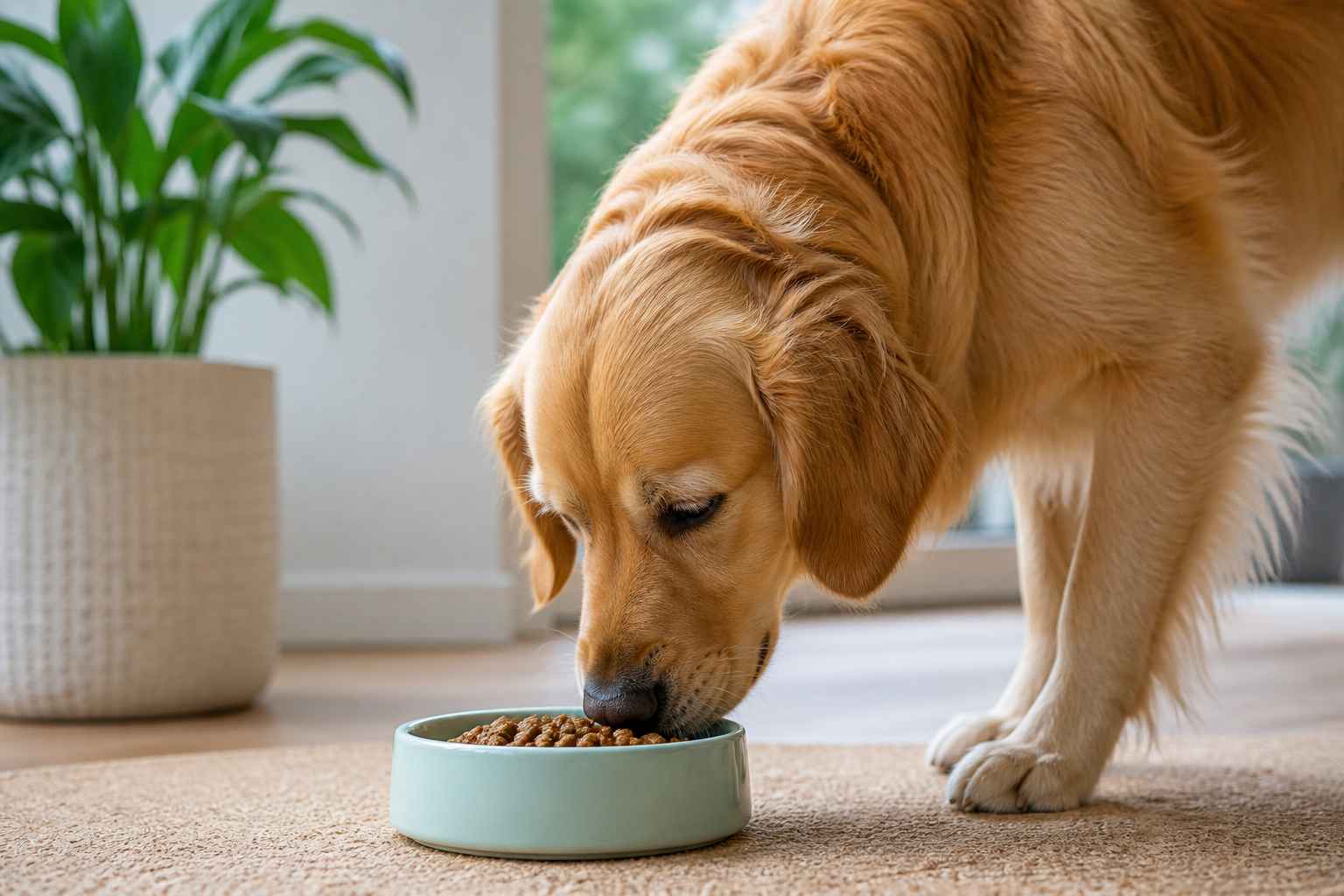
You might find yourself standing over your dog's bowl watching them struggle with hard kibble. Perhaps you have a senior dog who has recently lost a few teeth. You might even have a puppy who is just learning how to eat solid food. For many pet owners, adding water to dry food is a simple way to improve mealtime comfort and hydration. At BaxterBoo, we see many customers looking for ways to make standard kibble more appealing and easier to digest. This guide covers exactly how long you should soak dry dog food and the best ways to do it. We will also look at the health benefits of adding moisture to a dry diet. Learning the right timing ensures your dog gets the most out of every meal without risking food safety.
Quick Answer: Most dry dog food should soak for 10 to 20 minutes in warm water. This timeframe allows the kibble to absorb moisture and soften while releasing aromas that make the food more appetizing for your pet.
The Ideal Timing for Soaking Dog Food
The amount of time you spend soaking kibble depends on the results you want. If you are looking for a simple "gravy" effect, a few minutes is usually enough. If you need the food to be soft enough for a dog with dental issues, you will need the full 20 minutes.
Most standard extruded kibble is porous. It acts like a small sponge. When you add warm water, the outer layer softens almost instantly. However, it takes longer for the moisture to reach the center of the nugget. If you serve the food too quickly, your dog gets a soggy exterior with a hard, crunchy center.
Factors That Influence Soaking Time
Not all dog foods are made the same way. The density of the kibble changes how fast it absorbs liquid. Here are a few things to keep in mind:
- Kibble Size: Small breed kibble has more surface area relative to its size. It often softens in 5 to 10 minutes. Large breed kibble is much denser and usually requires the full 20 minutes.
- Manufacturing Method: Most dry foods are extruded, which means they are cooked quickly with steam and pressure. These are very airy and soak up water fast. Baked kibble or cold-pressed foods are denser and may take up to 30 minutes to fully soften.
- Water Temperature: Warm water moves into the kibble much faster than cold water. It also helps break down the fats on the surface of the food.
Key Takeaway: Always aim for a 15-minute soak as your baseline. This provides a consistent texture that most dogs find easy to chew and swallow.
Step by Step Guide to Soaking Dry Dog Food
Consistency is important for your dog's digestion. Using a routine helps you track how much your dog is eating and how they react to the moisture. Follow these steps for the best results.
Step 1: Measure the dry food. / Use your regular measuring cup to ensure you are not overfeeding. Place the kibble in a clean, high-sided bowl.
Step 2: Add warm liquid. / Use a 1:1 ratio of liquid to food. For one cup of kibble, use one cup of warm water or broth. The water should be warm to the touch but not boiling.
Step 3: Cover the bowl. / Use a small plate or lid to cover the bowl while it soaks. This keeps the heat in and prevents flies or dust from getting into the food.
Step 4: Wait for the timer. / Set a timer for 15 to 20 minutes. Do not leave the food out for more than 30 minutes at room temperature.
Step 5: Stir and serve. / Give the food a quick stir to distribute any remaining liquid. The kibble should be swollen and soft to the touch.
Vet Tip: If your dog is recovering from dental surgery or has severe gum disease, use a fork to mash the soaked kibble into a paste. This ensures they can eat without any painful chewing. Always consult your veterinarian before changing the diet of a dog recovering from surgery.
Why You Should Consider Soaking Kibble
Soaking food is not just about making it soft. It provides several biological benefits that help your dog stay healthy. It is especially useful for dogs that do not drink enough water on their own. For more mealtime ideas, explore our dog food category.
Improved Hydration
Many dogs live in a state of mild dehydration. This is common for active dogs or those living in hot climates. Dry kibble only contains about 10 percent moisture. By soaking the food, you significantly increase their daily water intake. This supports kidney function and helps flush toxins from the body. It can also help prevent urinary tract issues by keeping the urine diluted.
Digestive Ease
Dry food expands when it hits the stomach. If a dog eats too fast, that expansion happens inside them. This can cause discomfort, gas, or even a dangerous condition called bloat in large breeds. When you soak the food first, the expansion happens in the bowl. This makes the meal gentler on the digestive system. It also allows the stomach's digestive enzymes to start working on the food more quickly.
Enhanced Palatability
Dogs have a much stronger sense of smell than humans. Dry kibble straight from the bag does not smell very strong. Adding warm water releases the fats and natural aromas in the food. This makes the meal much more enticing for picky eaters. Brands like Farmina and Royal Canin use high-quality fats that smell great to dogs once they are warmed up.
Bottom line: Soaking food transforms a dry, hard meal into a hydrating, aromatic feast that is easier on the stomach.
Choosing the Best Liquids for Soaking
While plain water is the most common choice, you can use other liquids to add nutritional value. This is a great way to help a dog who is recovering from illness or needs extra calories.
Warm Water
This is the easiest option. Always use filtered water if your local tap water has a strong chlorine smell. Ensure the water is warm but never boiling. Boiling water can destroy heat-sensitive vitamins and probiotics found in premium foods like Stella and Chewy's or Open Farm.
Pet-Safe Bone Broth
Bone broth is packed with amino acids and minerals. It is excellent for joint health and gut support. However, you must use broth specifically made for pets. Human bone broth often contains onions, garlic, and high levels of salt. These ingredients are toxic to dogs. We carry several pet-safe broth options that make a perfect soaking liquid.
Raw Goat's Milk
Goat's milk is often called a universal milk because it is so easy to digest. It is full of probiotics that support a healthy immune system. Adding a splash of goat's milk to your soaking routine is great for puppies or senior dogs who need a nutrient boost. Brands like The Honest Kitchen offer dehydrated goat's milk that you can easily mix with water. Browse our selection of The Honest Kitchen products for additional meal options.
| Liquid Type | Best For | Benefit |
|---|---|---|
| Warm Water | Everyday feeding | Hydration without extra calories |
| Bone Broth | Senior dogs | Joint and gut support |
| Goat's Milk | Puppies and recovery | Probiotics and easy calories |
| Low-Sodium Broth | Picky eaters | Strong aroma and flavor |
Age-Specific Soaking Needs
A dog's nutritional and physical needs change as they age. Soaking food is a tool you can use during different life stages to ensure your dog stays well-nourished.
Puppies and Weaning
When puppies transition from mother's milk to solid food, they cannot handle hard kibble. Their teeth are small and their digestive systems are sensitive. Weaning typically starts around four weeks of age. During this time, you should soak the puppy kibble until it reaches a mushy, porridge-like consistency. This may take 20 to 30 minutes. As they get older, you can gradually reduce the soaking time until they are comfortable with dry food. For additional guidance, read when puppies can start eating dry dog food.
Senior Dog Care
Senior dogs often face dental issues like missing teeth or sore gums. They may also have a declining sense of smell, which makes them less interested in their food. Soaking kibble solves both problems. It makes the food easy to eat and increases the smell. For seniors managing cognitive decline, adding supplements like Senilife to soaked food can be very effective.
Vet Tip: For senior dogs with kidney issues, soaking food is a vital way to keep them hydrated. If your dog is on a prescription diet, our pet pharmacy offers FDA-approved prescription foods through our partnership with Pet's Choice. Always talk to your vet about the best hydration strategy for a dog with chronic health conditions.
Safety and Hygiene Best Practices
Moisture and heat are the perfect environment for bacteria to grow. When you soak dog food, you must be careful about how long it sits out. Safety should always come first to prevent stomach upset or food poisoning.
The 30-Minute Rule
Never leave soaked kibble out at room temperature for more than 30 minutes. If your dog does not eat the meal within this timeframe, you should throw it away. Bacteria like Salmonella and Listeria can multiply quickly in moist dog food. This is especially important in the summer or in warm kitchens.
Cleaning the Bowl
Wet food leaves behind a sticky residue that dry kibble does not. This residue can harbor bacteria and mold if not cleaned properly. You must wash your dog's bowl with hot, soapy water after every single meal. Stainless steel or ceramic bowls are best because they do not have pores where bacteria can hide.
- Wash bowls after every meal
- Discard uneaten soaked food after 30 minutes
- Store dry kibble in a cool, airtight container
- Wash your hands after handling soaked food
Special Situations for Soaking Food
There are times when soaking food is more than just a preference. It can be a necessary part of managing a health condition or a specific physical need.
Dogs Prone to Bloat
Gastric Dilatation-Volvulus, or bloat, is a life-threatening condition where the stomach fills with gas and twists. Large, deep-chested breeds like Great Danes and German Shepherds are at higher risk. Some experts believe that soaking kibble before feeding can reduce the risk because the food will not expand further in the stomach. While this is not a guaranteed prevention, many owners of large breeds choose to soak food as a precaution.
Recovery from Illness
If your dog has been vomiting or has diarrhea, their stomach needs something easy to process. Soaked kibble is much gentler on the esophagus and stomach lining than hard, sharp dry food. It also helps replace the fluids they may have lost. In these cases, using a bland broth can help encourage them to start eating again. For broader context, read how to add water to dry dog food.
Transitioning to New Food
When you switch your dog to a new brand of food, it can be hard on their stomach. Mixing the old and new food is standard advice. However, soaking the mixture can make the transition even smoother. The moisture helps the different ingredients blend together, making it easier for the digestive tract to adapt.
Managing Your Dog's Dietary Needs
Every dog is an individual. Some might love the texture of soaked food, while others might prefer a bit of crunch. It is important to watch your dog and see how they react. If you notice they are leaving the soaked bits behind, you might need to adjust the soaking time or the amount of liquid.
If you are managing a chronic condition like allergies or obesity, the type of food you soak is just as important as the timing. We carry over 500 trusted brands including Farmina Vet Life and Royal Canin. These brands offer specialized formulas that support specific health goals. Using our Autoship programme is a great way to ensure you never run out of your dog's favorite kibble. It also grants you a free MVP Gold membership, providing extra value on every order.
Conclusion
Soaking dry dog food for 10 to 20 minutes is a simple habit that offers major health benefits. It improves hydration, aids digestion, and makes meals more enjoyable for picky or senior dogs. By using warm water or pet-safe broth, you can transform a standard meal into a nutritious experience. Always remember to follow the 30-minute safety rule and keep your dog's bowls clean. If your dog has ongoing health issues or requires a specific diet, our BaxterBoo pharmacy and Pet's Choice partnership are here to help with FDA-approved medications and prescription foods.
Bottom line: A 15-minute soak in warm water is the perfect way to support your dog's health and happiness at mealtime.
FAQ
Can I soak dog food overnight in the refrigerator?
Yes, you can soak dog food overnight as long as it is kept in the refrigerator. This is a good option if you have a very busy morning routine and want the food ready to go. Make sure the container is airtight to prevent the food from picking up other smells. Always use the soaked food within 24 hours to ensure it remains fresh and safe.
Does soaking kibble cause dental problems?
Some people believe that dry kibble helps clean a dog's teeth by scraping away plaque. However, most kibble is too brittle to provide much of a cleaning effect. Soaking food does make it softer, but it does not directly cause dental decay. To maintain your dog's oral health, you should rely on regular brushing, dental treats, and professional cleanings rather than the texture of their food.
Can I use a microwave to speed up the soaking process?
You can use a microwave to warm the water or broth before adding it to the kibble. However, you should not microwave the kibble itself with the water. Microwaving can create "hot spots" that might burn your dog's mouth. It can also degrade some of the vitamins in the food. It is much safer to heat the liquid separately and then pour it over the food.
What should I do if my dog refuses to eat soaked food?
If your dog likes the crunch, they might be put off by a mushy texture. Try starting with a very small amount of water to create a light gravy. You can also try using a flavorful topper or a pet-safe bone broth instead of plain water. If they still refuse, you can try reducing the soaking time to just 5 minutes so the food stays relatively firm.






