
 Save 15% on your 1st Autoship learn more

 Email us
 Live Chat
 FAQs
FAQs





Introduction
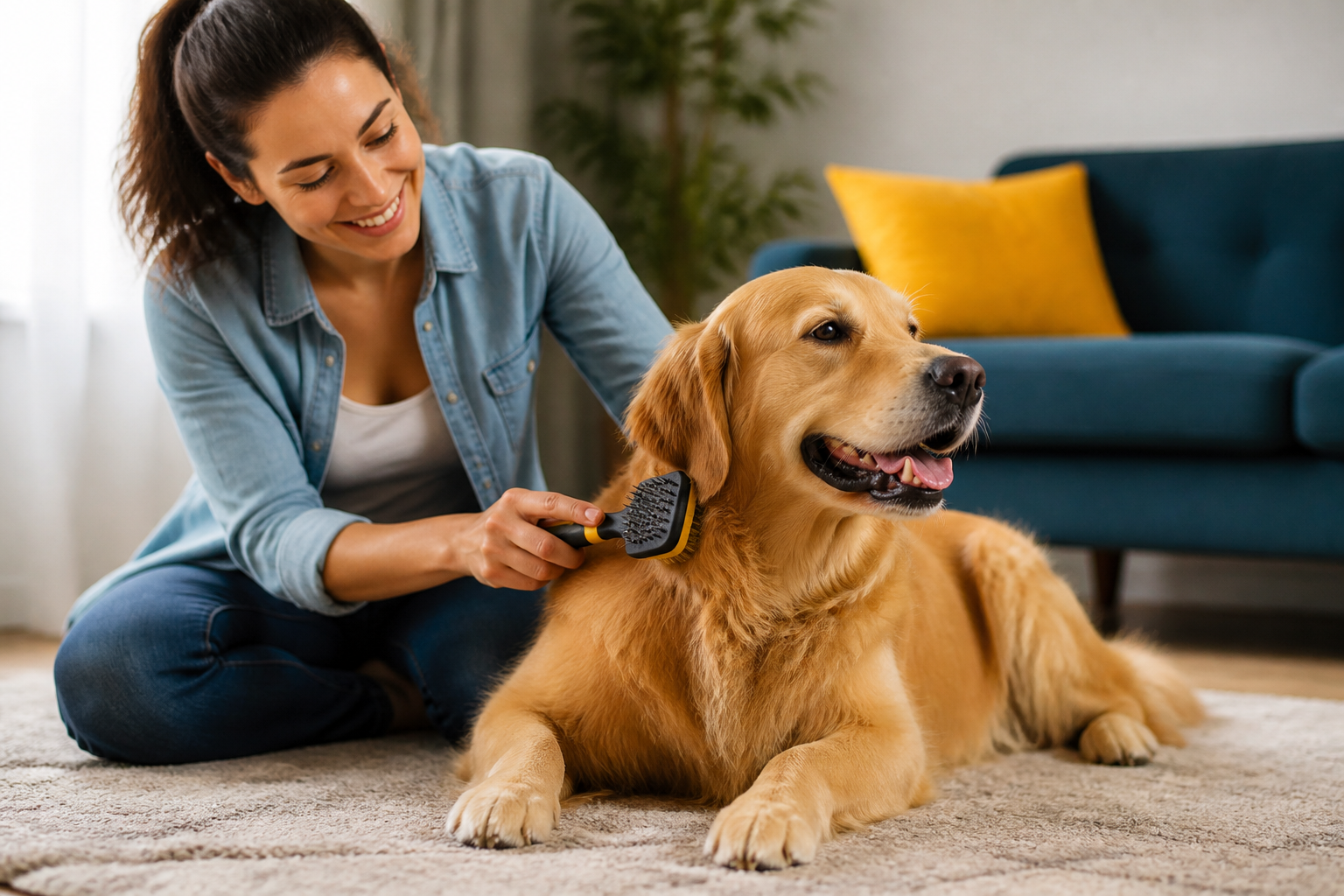
You are sitting on the sofa after a long day when you notice a small cloud of fur drifting across the floor. You reach over to pet your dog and feel a stubborn tangle behind their ears. This is a common moment for many pet owners. It leaves you wondering if your current grooming routine is enough. At BaxterBoo, we believe that regular brushing is about more than just looking good. It is a vital part of your pet's health and comfort. This article explains how often you should brush based on coat type and age. We will also help you choose the right tools for the job. Establishing a consistent schedule helps prevent painful matting and keeps your home cleaner.
Quick Answer: Most dogs benefit from brushing at least two to three times per week. Dogs with long, silky, or curly hair often require daily brushing to prevent tangles and mats. Short-haired breeds may only need a quick session once a week to remove loose fur and distribute skin oils.
Understanding Brushing Frequency by Coat Type
The breed and coat type of your dog are the biggest factors in your grooming schedule. A Beagle has very different needs than a Goldendoodle. Brushing serves different purposes depending on the hair length. For some, it is about removing dead undercoat. For others, it is about preventing the hair from weaving together into a solid mat.
Short and Smooth Coats
Dogs like Boxers, Labradors, and Pugs have short hair that does not tangle easily. However, these breeds often shed more than people expect. You should aim to brush these dogs one to two times per week. This frequency helps pull away loose hairs before they end up on your furniture. It also stimulates the skin to produce natural oils. These oils give the coat a healthy shine and protect the skin barrier.
Double Coats
Breeds like Huskies, German Shepherds, and Golden Retrievers have a dense undercoat beneath a tougher outer layer. These dogs need brushing at least three times a week. During "blowing season" in the spring and fall, you may need to brush them daily. The undercoat sheds in large clumps. If you do not remove this dead hair, it can trap heat and moisture against the skin. This often leads to irritation or "hot spots."
Long or Silky Coats
Dogs such as Shih Tzus, Yorkies, and Maltese have hair that grows continuously. This hair is very fine and prone to tangling. You should brush these dogs every single day. Even skipping two days can allow small knots to form. These knots quickly turn into tight mats that are painful to remove. Daily sessions keep the hair manageable and soft.
Wire and Curly Coats
Poodles and many "Doodle" mixes have curly hair that traps shed fur inside the coat. Because the hair does not fall to the ground, these dogs are often called low-shedding. However, that trapped hair will cause severe matting if it is not brushed out. Wire-haired breeds like Terriers also need attention three times a week to keep the texture of their coat correct. For more guidance, read our guide to grooming curly-haired dogs.
| Coat Type | Common Breeds | Recommended Frequency | Primary Goal |
|---|---|---|---|
| Smooth | Beagle, Boxer, Pug | 1-2 times per week | Shine and oil distribution |
| Double | Lab, Husky, Shepherd | 3 times per week | Undercoat removal |
| Long/Silky | Yorkie, Maltese, Shih Tzu | Daily | Mat prevention |
| Curly/Wire | Poodle, Doodle, Terrier | 3-4 times per week | Tangle removal |
Key Takeaway: Match your brushing frequency to the hair length and texture. Longer hair always requires more frequent attention to avoid painful tangles.
Why Regular Brushing is a Health Necessity
Brushing is not just a cosmetic task. It is a chance to perform a mini-physical exam on your dog at home. When you move the hair aside, you see the skin clearly. This allows you to spot problems before they become serious.
Regular brushing moves natural oils from the base of the hair shaft to the tips. This prevents the skin from becoming dry and flaky. It also removes environmental allergens like pollen or dust that your dog picks up outside. For dogs with seasonal allergies, this can significantly reduce itching. You can explore our dog skin and coat care selection for additional grooming support.
Consistent grooming also helps with temperature regulation. A matted coat acts like a heavy, dirty blanket. It prevents air from reaching the skin. In the summer, this can lead to overheating. In the winter, a clean, fluffy coat provides better insulation against the cold.
Vet Tip: Use your brushing time to check for unusual lumps, red spots, or parasites like fleas and ticks. If you notice persistent skin irritation or hair loss, consult your veterinarian for an exam. Our pharmacy at BaxterBoo offers prescription skin treatments and allergy medications through our partnership with Pet's Choice.
Choosing the Right Brushing Tools
Using the wrong brush can make grooming difficult for you and uncomfortable for your dog. We carry over 500 brands at BaxterBoo to ensure you find the exact match for your pet's needs. The tool you choose should reach the skin without scratching it. Browse our dog brushes and combs to compare grooming options.
Slicker Brushes
These have fine wire bristles that are slightly angled. They are the best choice for removing mats and tangles in long-haired or curly breeds. They are also excellent for deshedding double-coated dogs. Be gentle with a slicker brush. Do not press too hard against the skin. The Master Grooming Tools Ergonomic Slicker Dog and Cat Brush is designed for brush-outs, mat removal, and undercoat care.
Bristle Brushes
These are ideal for short-haired dogs. They use natural or synthetic bristles to smooth the hair and add shine. They feel like a massage to most dogs. This makes them a great "starter brush" for puppies who are still learning to sit still.
Undercoat Rakes
An undercoat rake has long, blunt teeth. It reaches through the topcoat to pull out the loose fuzzy hair underneath. This is an essential tool for heavy shedders like Malamutes or Great Pyrenees. It significantly reduces the amount of fur in your home during peak shedding seasons. For longer coats, the Warren London Long Hair De-Shedding Pet Brush is another option to consider.
Metal Combs
A sturdy metal comb is the best way to double-check your work. After brushing, run the comb through the hair. If it snags, you have a hidden knot that needs more attention. This is especially important for the fine hair behind the ears and in the armpits. You can also browse our selection of BASS Brushes products for additional coat-care tools.
Bottom line: Invest in a high-quality brush designed for your dog's specific coat type to make grooming more effective.
How to Establish a Brushing Routine
If your dog is not used to being brushed, they might be hesitant. You want to make the experience positive. Start when they are calm and tired, perhaps after a long walk.
Step 1: Introduce the brush.
Let your dog sniff the tool. Give them a high-quality treat while they investigate it. This creates a positive association with the equipment.
Step 2: Start with short sessions.
Brush for only one or two minutes at a time. Focus on an easy area like the back or sides. Avoid sensitive spots like the paws or tail during the first few days.
Step 3: Reward throughout the process.
Use small treats or verbal praise. You want your dog to think that brushing results in good things. Gradually increase the length of the sessions as they become more comfortable.
Step 4: Check for hidden spots.
Once your dog is relaxed, move to the areas where mats hide. These include the belly, the base of the tail, and behind the ears. Use a metal comb to ensure these areas are clear.
Common Brushing Mistakes to Avoid
Many owners accidentally cause discomfort by making a few simple errors. One major mistake is brushing a completely dry coat. Dry hair is more prone to static and breakage.
Lightly misting the coat with a grooming spray can help. The moisture provides "slip" so the brush moves through the hair easily. It also helps the brush catch loose hair instead of letting it fly into the air.
Another mistake is only brushing the top layer of hair. This is common with thick-coated breeds. If you do not reach the skin, mats can form underneath the beautiful topcoat. This is often called "pelting." If a coat becomes pelted, a professional groomer may have to shave the dog to the skin for their safety.
Key Takeaway: Always brush all the way down to the skin and consider using a grooming spray to prevent hair breakage.
Seasonal Changes in Grooming Needs
Your dog's coat reacts to the environment. In the winter, many dogs grow a thicker coat to stay warm. Central heating can dry out their skin. You may need to brush more often in winter to remove dry dander.
In the summer, dogs that swim or play in the mud need extra attention. Water can cause existing tangles to tighten into hard knots. Always brush your dog after they have dried off from a bath or a swim in the lake. Removing debris like burrs or seeds immediately prevents them from becoming embedded in the fur. For more bathing guidance, read our tips for bathing your dog.
Our Autoship program is a great way to stay prepared for seasonal changes. You can have grooming sprays, new brushes, and skin supplements delivered on a schedule. This ensures you never run out of supplies when the heavy shedding season starts.
Signs You Need Professional Help
Sometimes, a coat can get out of hand despite your best efforts. If you find a mat that is tight against the skin, do not try to cut it out with scissors. Dog skin is very thin and easy to accidentally cut.
If your dog shows signs of pain when you brush them, they may have underlying skin issues. Redness, a foul odor, or sores under the hair require a visit to the vet. You should also seek professional help if your dog becomes aggressive during grooming. A professional groomer or a behaviorist can help safely manage these situations.
Vet Tip: Persistent skin issues may require prescription diets or medicated topicals. Talk to your vet about whether a specialized formula from our pharmacy could help your pet's coat health.
Conclusion
Brushing your dog is a fundamental part of responsible pet ownership. Whether you have a short-haired Beagle or a long-haired Shih Tzu, a regular routine prevents pain and keeps the skin healthy. Aim for at least weekly sessions, but remember that many breeds thrive with daily care. Use the right tools and keep the experience positive with plenty of treats. If you ever notice changes in your dog's skin or coat, reach out to your veterinarian for guidance. You can find all the grooming supplies and health products you need by browsing our dog grooming collection.
- Brush daily for long-haired and curly breeds.
- Brush weekly for short-haired breeds.
- Always check for mats in hidden areas like armpits and behind ears.
- Use a metal comb to ensure you are reaching the skin.
- Pair grooming with rewards to build a strong bond with your pet.
Bottom line: Consistent brushing is the best way to ensure your dog stays comfortable and your home stays fur-free.
FAQ
Can I brush my dog too much?
It is difficult to brush too much as long as you are being gentle and using the correct tools. However, if you use a harsh brush with too much pressure, you can cause "brush burn," which is skin irritation. Always watch for redness and stop if your dog seems uncomfortable.
Should I brush my dog when their hair is wet?
It is usually better to brush your dog before a bath or after they are completely dry. Water can cause knots and mats to shrink and tighten, making them much harder to remove. If you must brush a damp coat, use a detangling spray to provide extra lubrication.
What should I do if my dog hates being brushed?
Start with very short sessions and use high-value treats to create a positive association. Only brush for a few seconds at a time and gradually increase the duration over several weeks. If the fear is severe, a professional groomer or trainer can help you with desensitization techniques.
How do I know if my dog has a mat or just a tangle?
A tangle is a loose knot that you can usually work apart with your fingers or a comb. A mat is a dense, felted clump of hair that has woven together tightly near the skin. If you cannot see the skin through the hair or the clump feels hard, it is likely a mat that requires careful professional attention.






