
 Save 15% on your 1st Autoship learn more

 Email us
 Live Chat
 FAQs
FAQs





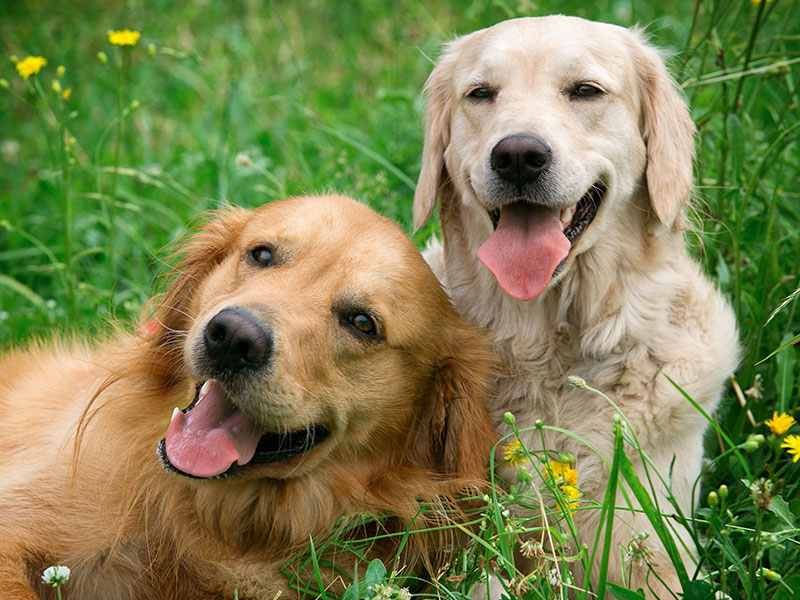
Certain breeds have reputations for being easy to train, having a strong prey drive or making good guard dogs. However, the dog world has long debated whether these traits are genetically encoded into the breed or a result of the environment. Recent studies have indicated that while environment does play a part, 131 genetic variants are associated with differences in dog behavior.
Why Genetics Plays a Role
The Fédération Cynologique Internationale is the largest international federation of kennel clubs. It currently recognizes 360 breeds. Most of these breeds exist because over the past few centuries humans have selected dogs for breeding based on certain characteristics. Some of these characteristics have to do with the appearance of the dog but many were selected because of a particular behavioral trait. Behaviors that were selected for include guarding behaviors, hunting behaviors and companionship.
How the Research Was Done
Researchers examed 14,020 entries from the Canine Behavioral Assessment and Research Questionnaire, which surveyed over 50,000 dog owners. The survey asked owners questions about 14 behavioral factors, such as excitability, aggression , predatory chasing drive and energy level. The researchers specifically examined entries that were made for pure-bred dogs, so that the data could be more reliably correlated with breed differences. They then matched the data from the survey with data from two other studies of 5,697 dogs that sequence 172,000 points from the canine genome.
What the Research Showed
The researchers concluded that about half of the difference in behaviors between dogs of different breeds is determined by genetics. They also discovered that the traits that seemed most influenced by genetics were behaviors such as predatory chasing, stranger-directed aggression, trainability and attention-seeking. They found that genetics accounted for 60-70 percent of the variation in these behaviors across breeds. They believe that the explanation for this is that these particular traits are the traits most often selected for in breeding programs.
What This Means for Your Dog
The research suggests as much as 70% of your dog's behavioral traits may be determined by genetic factors. This is why it is helpful for people who are looking for a new dog to research typical breed characteristics before selecting a purebred dog. For example, if you are looking for a dog to enter in agility competitions , border collies tend to be highly trainable on complex tasks. If you live in a small apartment, you may want to consider a breed that is known for being lower energy, such as a bulldog or a Pekingese.
Mixed breed dogs are more difficult to predict. If you know what your dog's breed mix is, you may be able to get an idea of what behaviors may have been inherited, but it is difficult to know which characteristics, from which breeds, a mixed breed dog may inherit. This can make mixed breeds wonderfully unique, but also more challenging to match with appropriate homes.
How To Select a Dog Based on Genetic Traits
First, you need to determine what your wants and needs are. Factors to consider include, whether the dog will interact with children and other pets , size, energy level, purpose, special needs and grooming. If you want a dog for a specific purpose, such as competing in dog sports, herding livestock, hunting or guarding, then research breeds that have compatible characteristics for those jobs. However, if you primarily want a companion dog, the deciding factors should be behaviors that are compatible with your family's lifestyle. Some dogs will have traits that make them good choices for a variety of purposes.
How To Choose High and Low Energy Breeds
Activity level is one of the most important factors to consider. If you are a couch potato living in a small apartment with no yard, then a dog that needs a lot of exercise may not be a good choice for you. By contrast, if you are hoping to compete in canine agility or go jogging with your dog, you probably don't want to get a dog that is likely to lie around the house all day. Working breeds, such as Rottweilers, Border Collies and Australian Shepherds tend to be high-energy dogs. Typical lower energy dogs include the Bullmastiff, Chow Chow and Shih Tzu.
How To Select a Good Family Dog
Some breeds, such as the Labrador Retriever, are famous for their loving nature. Others, such as the Alaskan Malamute, tend to be difficult to integrate into households with children. Additionally, many dogs bred for outdoor work do not enjoy being indoors for long periods of time.
How To Pick a Dog That Is Easy To Train
Trainability is important for almost all dogs, but if you are a novice owner or you want to teach your dog complex tasks, choosing an easily trainable dog may be high on your list of needs. The American Bulldog, American Pit Bull Terrier and the Boxer are among the many breeds of easily trainable dogs. Many hound dogs, including the Basset Hound, Beagle and Bluetick Coonhound fall into the more challenging category because these dogs were bred for their independent nature. However, challenging dogs can still be trained, it just takes more skill and patience.
When working with a dog you already own or selecting a new dog, it is important to remember that 30 to 50 percent of your dog's behavior is still influenced by environmental factors, including your own behavior. Additionally, while dogs of the same breed tend to share certain characteristics, there is still a significant amount of individual variation.








- Site & Contents BaxterBoo.com. BaxterBoo is located in the United States.
- Privacy & Security
- Terms of Use
- Accessibility Statement
