
 Save 15% on your 1st Autoship learn more

 Email us
 Live Chat
 FAQs
FAQs





Introduction
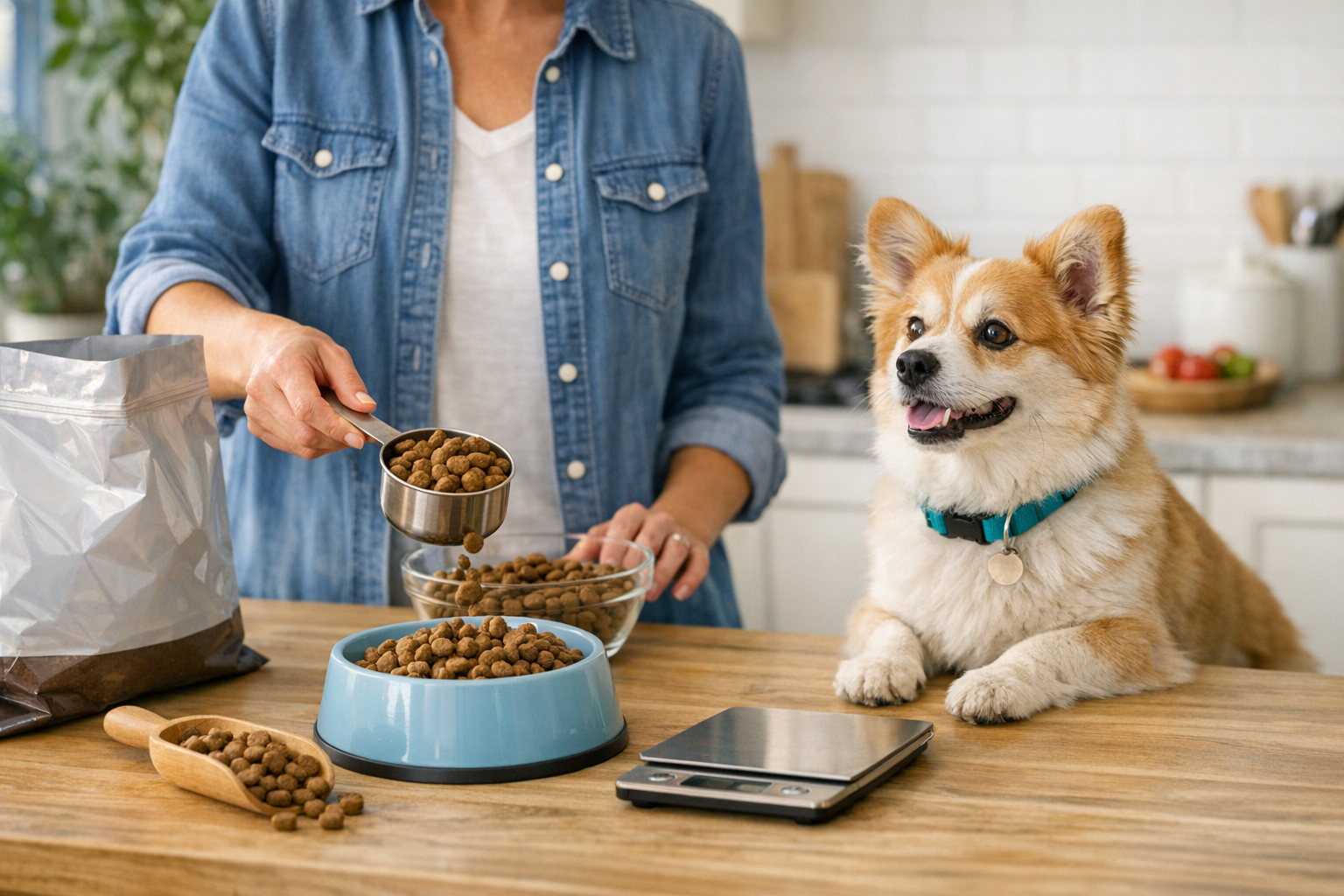
Finding the right amount of food for a 25 lb dog can feel like a guessing game. You might have a sturdy Beagle or a lean Cocker Spaniel. These dogs sit right in the middle of the small to medium range. One day they seem satisfied with their bowl. The next day they are begging for more. At BaxterBoo, we know that proper nutrition is the foundation of a long life. Feeding the correct portion prevents obesity and supports healthy joints. This guide explains how to calculate the perfect daily amount for your 25 lb companion. We will look at calorie counts, activity levels, and life stages. You will learn how to read labels and adjust portions as your dog ages. Finding the right balance ensures your dog stays at an ideal weight for years to come.
The Core Factors of Canine Nutrition
Not every 25 lb dog has the same caloric needs. A dog is more than just a number on a scale. Several internal and external factors change how much energy their body uses each day. Understanding these helps you move beyond the generic suggestions on the back of a bag.
Metabolic Rate and Breed
Genetics play a significant role in how a dog burns energy. Some breeds have a naturally high metabolism. A 25 lb Terrier might be a ball of energy that never stops moving. That dog will require more food than a 25 lb Basset Hound mix with a slower metabolic rate. Even within the same weight class, the energy "burn" varies wildly.
Neutering and Spaying
When a dog is spayed or neutered, their hormonal balance changes. This often leads to a slower metabolism. Research shows that altered dogs generally need about 20 percent fewer calories than intact dogs. If your 25 lb dog just had their surgery, you may need to trim their portions slightly. This prevents the common weight gain that follows these procedures.
Activity Levels
This is often the biggest variable. A dog that goes for a three mile hike every morning needs significant fuel. A dog that spends the day napping on the couch needs very little. Most feeding charts assume a "typical" activity level. This usually means two short walks a day. If your dog does more or less than that, the chart is only a starting point.
If you want a deeper breakdown of portions, our dog food category is a helpful place to compare formulas while you fine-tune daily amounts.
Quick Answer: A typical 25 lb adult dog needs between 1.5 and 2 cups of dry food per day. This assumes the food has an average calorie count of 350 to 400 calories per cup. Always check your specific bag for the calorie density.
Understanding Calorie Density
The most common mistake owners make is measuring by volume instead of energy. All dry dog foods are not created equal. One brand might have 300 calories per cup. Another might have 500 calories per cup. If you switch brands but keep the measurement the same, you could accidentally overfeed or underfeed your dog.
Reading the Kcal Per Cup
Every bag of food should list the "kcal/kg" or "kcal/cup." Kcal is just another word for calorie. High quality brands like our selection of Open Farm products or our selection of Stella & Chewy's products often have higher calorie densities. This is because they use nutrient dense ingredients instead of cheap fillers. When the food is high quality, your 25 lb dog will actually eat less volume to get the same nutrition.
The Problem with Fillers
Low quality foods use corn, wheat, and soy to bulk up the bag. These ingredients do not provide much sustained energy. Your dog might eat three cups of a low quality food and still feel hungry. Conversely, they might eat only a cup and a half of a premium brand and feel completely full.
- Always look for the kcal/cup statement on the back of the bag.
- Compare the calorie count when switching between brands.
- Use a standard 8 ounce measuring cup for accuracy.
- Avoid using a random scoop or a coffee mug.
Feeding for Life Stages
A 25 lb puppy and a 25 lb senior dog have completely different requirements. Their bodies are doing different jobs. One is building bone and muscle. The other is maintaining aging systems.
Puppies (Under 12 Months)
A 25 lb puppy is likely a medium or large breed dog that is still growing. Puppies need more calories per pound of body weight than adults. They also need higher levels of protein and minerals like calcium. If you have a puppy that weighs 25 lbs now, they may be destined to weigh 50 lbs as an adult. You must feed them based on their expected adult weight.
Adults (1 to 7 Years)
This is the maintenance phase. Your goal is to keep the weight steady. Most 25 lb dogs in this stage do well with two meals a day. This helps keep blood sugar levels stable. It also prevents the "hunger pukes" that can happen when a dog goes too long between meals.
Seniors (7+ Years)
As dogs age, they often become less active. Their joints may ache, and their metabolism slows down. A 25 lb senior dog may only need 80 percent of the food they ate as a young adult. Many senior specific foods have fewer calories but more joint support. If your senior dog is struggling with mobility, we carry specific supplements like our Cosequin brand page to help.
Vet Tip: If your dog is losing weight or gaining it rapidly despite no changes in food, consult your veterinarian. Weight fluctuations can be a sign of thyroid issues or other metabolic conditions that require medical attention.
The 25 Lb Feeding Chart
This chart provides a general baseline for a 25 lb adult dog. It is based on standard calorie densities. Always verify these numbers against the specific food you purchase from us.
| Activity Level | Daily Calories Needed | Estimated Cups (350 kcal/cup) |
|---|---|---|
| Sedentary / Senior | 550 - 650 kcal | 1.5 - 1.75 cups |
| Typical / Active | 750 - 850 kcal | 2 - 2.25 cups |
| Highly Active / Working | 1,000+ kcal | 2.75 - 3 cups |
If you are comparing higher-calorie formulas, our NutriSource selection is a practical place to look at different recipe styles and life-stage options.
Key Takeaway: The feeding chart on the bag is a suggestion for the "average" dog. Use it as a starting point and adjust by 10 percent up or down based on your dog's body condition.
Monitoring Your Dog's Weight
Since you are the one filling the bowl, you are the best person to monitor your dog's health. You should check your dog's body condition once a month. This is more accurate than just using a scale.
The Rib Test
You should be able to feel your dog's ribs easily. There should be a thin layer of fat over them, like the back of your hand. If the ribs feel like your knuckles, the dog is too thin. If you cannot feel the ribs at all without pressing hard, the dog is overweight.
The Waistline Check
Look at your dog from above. They should have a visible waist behind the ribcage. It should look like an hourglass figure. From the side, the belly should "tuck" up toward the hind legs. A flat or drooping belly on a 25 lb dog usually indicates they are carrying a few extra pounds.
Adjusting the Portion
If you notice your dog is getting a bit round, do not panic. Small adjustments make a big difference. Try reducing the daily total by two tablespoons. Maintain that for two weeks and check again. It is much easier to lose one pound than it is to lose five.
For more body-condition guidance and weight-related support, our dog healthcare category gives you another place to explore helpful options.
The Role of Treats and Scraps
Many owners forget to count treats as part of the daily calorie total. A single large milk bone can have 100 calories. For a 25 lb dog, that is more than 10 percent of their entire daily allowance.
The 10 Percent Rule
Treats should never make up more than 10 percent of your dog's daily calories. If you are training and using many treats, you must reduce their dinner portion. You can also use pieces of their dry kibble as training rewards. This keeps the nutrition balanced.
Healthy Alternatives
If your dog always seems hungry, try adding low calorie volume. Green beans or canned pumpkin (not pie filling) are great options. They add fiber and weight to the stomach without adding many calories. This is a great trick for dogs on a weight loss plan.
Transitioning to New Food
When you find a new brand at BaxterBoo, you must transition slowly. A 25 lb dog has a sensitive digestive system. A sudden change can cause upset stomachs or diarrhea.
The Seven Day Plan
Step 1: Mix 25 percent new food with 75 percent old food for two days. Step 2: Mix 50 percent new food with 50 percent old food for two days. Step 3: Mix 75 percent new food with 25 percent old food for two days. Step 4: Feed 100 percent new food on day seven.
This slow move allows the gut bacteria to adjust. It also lets you see if the new calorie density is working for your dog's energy levels. If you notice soft stools, slow down the transition.
If your dog needs prescription support during a food change, our pet pharmacy for dogs is the natural place to check what’s available through BaxterBoo.
Special Dietary Needs and Health
Sometimes a standard dry food is not enough. Some 25 lb dogs have allergies or chronic health issues. These dogs might need a prescription diet.
Managing Allergies
If your dog has itchy skin or chronic ear infections, they might have a food sensitivity. Common allergens include chicken or beef. Many owners find success switching to limited ingredient diets. Brands like our selection of Zesty Paws products or our Farmina brand page offer options that avoid common triggers.
Prescription Diets and the Pharmacy
For dogs with kidney issues, urinary stones, or severe obesity, a vet may prescribe a specific food. Our pharmacy carries FDA approved prescription pet foods through our partnership with Pet's Choice. These diets are formulated to manage specific medical conditions. If your vet recommends a prescription diet like Royal Canin Vet Care or Farmina Vet Life, we can help you fulfill that order easily.
Vet Tip: Never start a prescription diet without a veterinarian's diagnosis. These foods have specific mineral balances that are only appropriate for certain health conditions.
Practical Feeding Tips for Success
Feeding time should be consistent and stress free. Follow these steps to make sure your 25 lb dog gets the most out of every meal.
- Use a kitchen scale for the most accuracy. Weighing food in grams is more precise than measuring cups.
- Clean bowls daily. Dry food leaves behind oils that can go rancid and grow bacteria.
- Keep food in its original bag. The bags are designed to keep fats from oxidizing. Place the whole bag inside a plastic bin if you need extra protection.
- Avoid free feeding. Leaving food out all day makes it hard to track how much your dog actually eats. It also leads to grazing and weight gain.
If you are looking for a convenient way to keep a steady supply on hand, our Autoship programme can help you stay stocked without extra trips.
The BaxterBoo Difference
We have been helping pet owners since 2006. We do not just stock whatever is popular. We carry over 500 brands that we actually trust. Whether you need a high protein kibble for an active Terrier or a weight management formula for a senior Basset mix, we have curated the best options.
Our hybrid model means you get the expertise of a local shop with the convenience of a warehouse. You can order online for home delivery or visit our warehouse in Vernon Hills for in store pickup. We want to make sure your 25 lb dog has exactly what they need to thrive.
For extra value on repeat purchases, the MVP Rewards programme is a smart way to make everyday feeding a little more rewarding.
Bottom line: Your dog's food needs will change throughout their life, so stay observant and adjust their bowl as they grow and age.
Summary of Feeding a 25 Lb Dog
Feeding your dog is one of the most important things you do every day. A 25 lb dog is in a unique size category that requires careful monitoring. By focusing on calorie density rather than just volume, you can ensure they get the right energy. Always account for life stage and activity levels when calculating the bowl.
- Start with 1.5 to 2 cups of dry food daily.
- Adjust based on the specific kcal/cup of your brand.
- Monitor body condition monthly using the rib test.
- Keep treats to less than 10 percent of the daily total.
- Consult your vet for any sudden weight changes.
If you want more help choosing a budget-friendly formula, our guide to discounted dog food is a useful next step.
FAQ
Is 2 cups of food too much for a 25 lb dog?
It depends entirely on the calorie content of the food. If the food is low calorie (around 300 kcal/cup), 2 cups might be exactly right for an active dog. However, if the food is very nutrient dense (450+ kcal/cup), 2 cups could lead to weight gain. Always check the label and your dog's body condition.
How many calories does a 25 lb dog need?
An average, moderately active adult dog weighing 25 lbs needs about 700 to 800 calories per day. Senior dogs or very sedentary dogs may need closer to 550 or 600 calories. Highly active working dogs or puppies may need 1,000 calories or more to maintain their energy.
Should I feed my 25 lb dog once or twice a day?
Most veterinarians recommend feeding adult dogs twice a day, usually once in the morning and once in the evening. This helps prevent hunger and keeps energy levels stable throughout the day. For 25 lb dogs, this usually means about 3/4 to 1 cup per meal.
How do I know if my dog is at a healthy weight?
A healthy 25 lb dog should have a visible waist when viewed from above and a "tuck" in their abdomen when viewed from the side. You should be able to feel their ribs easily under a thin layer of fat. If you cannot feel the ribs or if the waist is bulging, your dog is likely overweight.






