
 Save 15% on your 1st Autoship learn more

 Email us
 Live Chat
 FAQs
FAQs





Introduction
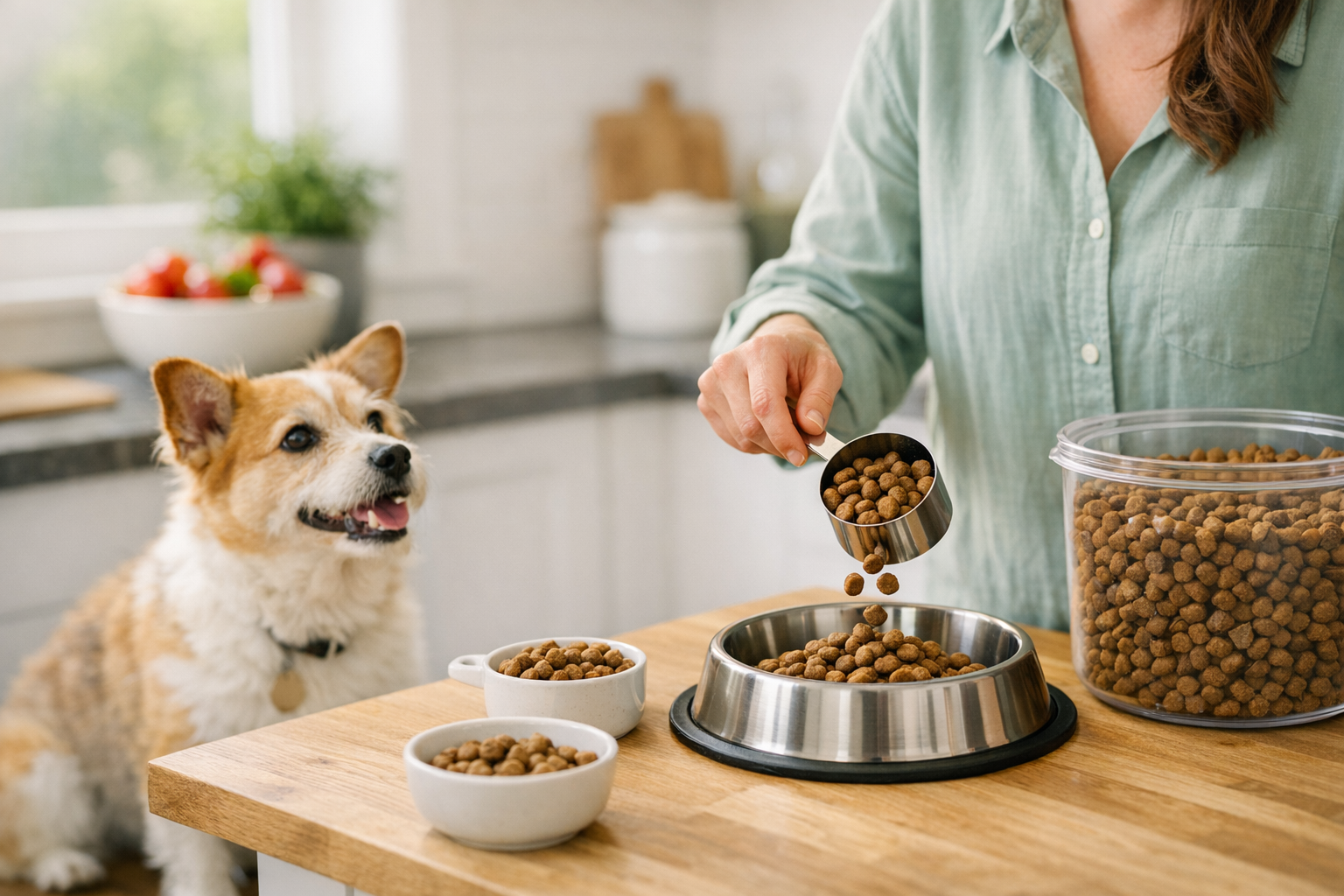
You are standing in your kitchen with a measuring cup in one hand and your dog staring up at you with expectant eyes. It is a common scene for many pet owners. You want to make sure your pup is well-fed, but you also want to avoid the health risks that come with carrying extra weight. A 20 pound dog sits in a unique category. They are often too big for toy-breed guidelines but too small for standard medium-dog portions. At BaxterBoo, we know that finding the right balance is about more than just following the back of a bag. It requires looking at your dog's activity level, age, and the specific calorie density of their food. This guide will help you determine the exact portion your dog needs to stay healthy and active. We will cover calorie calculations, feeding schedules, and how to adjust for your dog's lifestyle.
Quick Answer: A typical adult dog weighing 20 pounds needs roughly 500 to 600 calories per day. This usually translates to 1.25 to 1.5 cups of standard dry kibble, but this amount changes based on the food's calorie density and the dog's activity level.
Understanding the Baseline for a 20 Pound Dog
The first step in feeding your dog is understanding their daily energy requirement. Most veterinarians use a baseline for a healthy, spayed or neutered adult dog with moderate activity. For a 20 pound dog, this target is usually between 500 and 600 calories. If your dog is intact, they may have a slightly higher metabolism. If they are very sedentary, they might need closer to 400 calories.
Not all dog foods are created equal. One brand might have 300 calories per cup, while a high-protein formula might have 450 calories per cup. This is why you cannot simply use a standard cup measurement across different brands. You must look at the kcal/cup measurement listed on the packaging.
At our warehouse in Vernon Hills, Illinois, we stock over 500 brands. We see firsthand how much these formulations vary. A dense, nutrient-heavy kibble like those from our selection of Farmina products or our selection of Orijen products will require smaller servings than a more traditional grocery store brand. Feeding the same volume of a calorie-dense food as a lower-calorie option is a fast way to cause weight gain.
Factors That Change the Feeding Math
Your dog is an individual. No chart can perfectly predict what a specific dog needs without looking at their lifestyle. Several variables will force you to adjust that baseline of 500 to 600 calories.
Activity Level
A dog that spends its day hiking or playing fetch will burn significantly more energy than a dog that napping on the rug. Working breeds or highly active terriers might need 20% to 40% more food than the average. On the other hand, if your dog's primary exercise is a short walk around the block, you should stick to the lower end of the feeding range.
Age and Metabolism
Puppies are in a state of constant growth. A 20 pound puppy that is still maturing might need twice the calories of a 20 pound adult. They require more protein and fat to build muscle and bone. Senior dogs often have slower metabolisms. They may also be less active due to joint stiffness. We carry specific senior formulas from brands like our selection of NutriSource products and PureVita that address these lower energy needs while supporting joint health with added glucosamine.
Reproductive Status
Spaying or neutering a dog can slightly lower its metabolic rate. This is a common point where owners notice their dogs starting to put on weight. If your dog was recently fixed, keep a close eye on their waistline. You may need to reduce their daily intake by about 10% to account for the change in hormones.
Key Takeaway: Use the feeding chart on your dog's food bag as a starting point. Then, adjust the amount based on whether your dog is a high-energy athlete or a low-energy companion.
The Importance of Calorie Density
When you look at a bag of dog food, the ingredient list is only half of the story. The calorie density tells you how much energy is packed into every bite. This is usually listed as "kcal/kg" or "kcal/cup."
If you switch from a weight-management food to a high-performance food, the volume of food in the bowl must change. Many owners make the mistake of keeping the same measuring cup and filling it to the same line. If the new food is 100 calories more per cup, your 20 pound dog is suddenly getting an extra 150 calories a day. Over a month, that can lead to noticeable weight gain.
We always recommend using a standard measuring cup, not a random plastic cup from the cupboard. Better yet, use a kitchen scale to weigh the food in grams. This is the most accurate way to ensure your dog gets the exact same amount every single day.
How to Tell if Your Dog Is at a Healthy Weight
Since every dog's metabolism is different, the best way to know if you are feeding the right amount is to look at the dog. Veterinarians use a Body Condition Score to evaluate a dog's weight. You can do a simplified version of this at home.
First, look at your dog from above. They should have a visible tuck at the waist behind the ribs. If they look like a solid rectangle or an oval, they are likely overweight. Next, feel your dog's sides. You should be able to feel the ribs easily under a thin layer of skin. If you have to press hard to find the ribs, there is too much fat coverage. If the ribs are visible from across the room, your dog may be underweight.
Vet Tip: Maintaining a lean body weight is one of the best ways to prevent joint issues and diabetes. If you struggle to help your dog lose weight despite reducing portions, consult your veterinarian to rule out thyroid issues or other metabolic conditions.
Health Conditions and Prescription Diets
Sometimes, a standard dry food is not enough for a dog with specific health needs. Dogs with kidney issues, severe allergies, or chronic obesity may require prescription diets. These foods are formulated with precise nutrient ratios to manage medical conditions.
BaxterBoo provides access to a full pharmacy through our partnership with Pet's Choice. If your vet prescribes a specialized diet like Farmina Vet Life, we can help fulfill that need. Prescription diets often have very specific feeding instructions. It is vital to follow these exactly to ensure the therapeutic benefits of the food.
Our pet pharmacy also carries FDA-approved medications for conditions that can impact weight, such as flea and tick preventives and heartworm medication. Keeping your dog healthy through proper medication is just as important as their diet.
Managing Treats and Extras
Treats are a great way to bond with your dog, but they are often the hidden cause of weight gain. For a 20 pound dog, a single large biscuit can represent a huge portion of their daily calories. A good rule of thumb is the 10% rule. No more than 10% of your dog's daily calories should come from treats.
If your dog's daily goal is 500 calories, that means only 50 calories should come from extras. A single piece of cheese or a strip of bacon can easily exceed that. If you are doing heavy training with brands like Kong or Greenies, you should subtract the calories in those treats from their dinner portion.
- Use small training treats instead of large biscuits.
- Try fresh vegetables like green beans or carrots as low-calorie snacks.
- Always keep a bowl of fresh, clean water available.
- Avoid sharing calorie-dense human food like pizza crusts or buttered toast.
Developing a Feeding Schedule
Most adult dogs do best on a twice-a-day feeding schedule. This helps keep their blood sugar stable and prevents them from becoming overly hungry. For a 20 pound dog, this usually means half of their daily portion in the morning and half in the evening.
Consistency is key. Feeding at the same time every day helps regulate your dog's digestion. It also makes it easier to notice if they suddenly lose their appetite. A sudden lack of interest in food can be an early sign of health problems.
If you have a busy schedule, our Autoship programme can help. It ensures you never run out of food and keeps your dog on their routine. Plus, you get savings on your orders and a free MVP Gold membership. We have been helping pet owners stay organized since 2006, and we know how much a regular routine matters to a dog's well-being.
Transitioning to a New Food
If you realize you need to change your dog's food or adjust their portion, do it slowly. A sudden change in diet can cause upset stomachs or diarrhea. This is especially true for 20 pound dogs, who can have sensitive digestive systems.
Step 1: Mix 25% of the new food with 75% of the old food for two days. Step 2: Move to a 50/50 mix for the next two days. Step 3: Feed 75% new food and 25% old food for two days. Step 4: Transition to 100% of the new food.
During this week, monitor your dog's stool and energy levels. If you notice any issues, slow the transition down. Some dogs may need two weeks to fully adjust to a new formula.
Why Quality Ingredients Matter
You might find that you can feed less of a high-quality food than a budget brand. This is because premium foods often have fewer fillers and more bioavailable nutrients. When a food is packed with high-quality proteins and healthy fats, the dog's body can use more of what it eats.
We carry brands like Stella and Chewy's, Acana, and The Honest Kitchen because they prioritize these high-quality ingredients. When a dog is eating a nutrient-dense diet, you will often see it in their coat quality and energy levels. While these foods may cost more per bag, the cost per feeding is often comparable because the portions are smaller.
Bottom line: High-quality food is more efficient fuel for your dog, often allowing for smaller portions while providing better nutrition.
Common Mistakes in Feeding Small Dogs
One of the biggest mistakes owners make with 20 pound dogs is "free feeding." This is when you leave a full bowl of food out all day. While some dogs can regulate their intake, many will overeat out of boredom. This leads to grazing and weight gain.
Another mistake is using a large bowl for a small portion of food. A cup of food looks like very little in a giant bowl. This often tricks the owner into thinking the dog is still hungry. Use a smaller bowl that fits the portion size. It makes the meal look more substantial and helps you stay disciplined with measurements.
Finally, do not forget to factor in dental treats. Products like Greenies or dental chews have calories. If you give one every day, it needs to be part of the daily calorie count. For a dog that is only 20 pounds, those calories add up fast.
Environmental and Seasonal Adjustments
The weather can also affect how much dry food your dog should eat. In the winter, dogs may burn more calories just to stay warm, especially if they spend a lot of time outside. In the summer, they may be less active due to the heat and require fewer calories.
If you live in a climate with extreme seasons, pay attention to your dog's body condition as the weather changes. You might find that they need a slightly larger scoop in January than they do in July.
Monitoring Your Dog's Health Long Term
Feeding your dog is an ongoing process. Their needs will change as they transition from a young adult to a senior. Regular weigh-ins at your vet's office are a great way to stay on track. Most clinics will let you stop in just to use their scale for free.
If your dog's weight fluctuates more than a pound or two, it is time to re-evaluate their portions. For a 20 pound dog, a two-pound weight gain is a 10% increase in body weight. That is equivalent to a 150-pound human gaining 15 pounds. Small changes matter a lot for smaller dogs.
We are proud to carry 500+ brands that offer solutions for every stage of life. Whether you need a high-protein puppy kibble or a senior formula for cognitive support, our curated selection is here to help. Our 4.9-star rating on Google reflects our commitment to helping pet owners make these important choices.
Summary of Feeding a 20 lb Dog
Managing your dog's diet does not have to be a guessing game. By focusing on calories instead of just cups, you can ensure your pup stays at their ideal weight. Remember that your dog's needs will shift throughout their life.
- Start with 500-600 calories for an average adult.
- Measure every meal with a standard cup or scale.
- Limit treats to 10% of total calories.
- Monitor body condition monthly.
- Adjust portions based on activity and age.
Key Takeaway: The best feeding plan is one that is tailored to your dog's specific activity level and the calorie density of their food.
If you have questions about which brand is right for your dog's specific needs, our team is always ready to help. We believe that every pet deserves the best care, from high-quality kibble to essential medications.
For your next bag of food, start with our dog food category or talk to your vet about our pharmacy services for prescription needs.
FAQ
Is 1 cup of dry food enough for a 20 lb dog?
For many 20 pound dogs, 1 cup of high-quality, calorie-dense dry food is enough. However, if the food is lower in calories or the dog is very active, they may need closer to 1.5 cups. Always check the kcal/cup on the bag to be sure.
How many calories does a sedentary 20 lb dog need?
A sedentary or senior 20 pound dog may only need about 400 to 450 calories per day. Overfeeding a dog with low activity levels is a leading cause of canine obesity. If your dog spends most of the day resting, start at the lower end of the feeding range.
Can I mix wet food and dry food for a 20 lb dog?
Yes, you can mix wet and dry food, but you must calculate the calories for both. If a can of wet food has 200 calories and your dog needs 500 total, you should only provide 300 calories of dry food. Mixing can be a great way to add hydration and flavor to your dog's diet.
Why is my 20 lb dog always acting hungry?
Acting hungry does not always mean your dog needs more food. Some dogs are naturally food-motivated or may be eating too quickly. Try using a slow feeder bowl or adding low-calorie fiber like green beans to their meal to help them feel fuller for longer.






