
 Save 15% on your 1st Autoship learn more

 Email us
 Live Chat
 FAQs
FAQs





Introduction
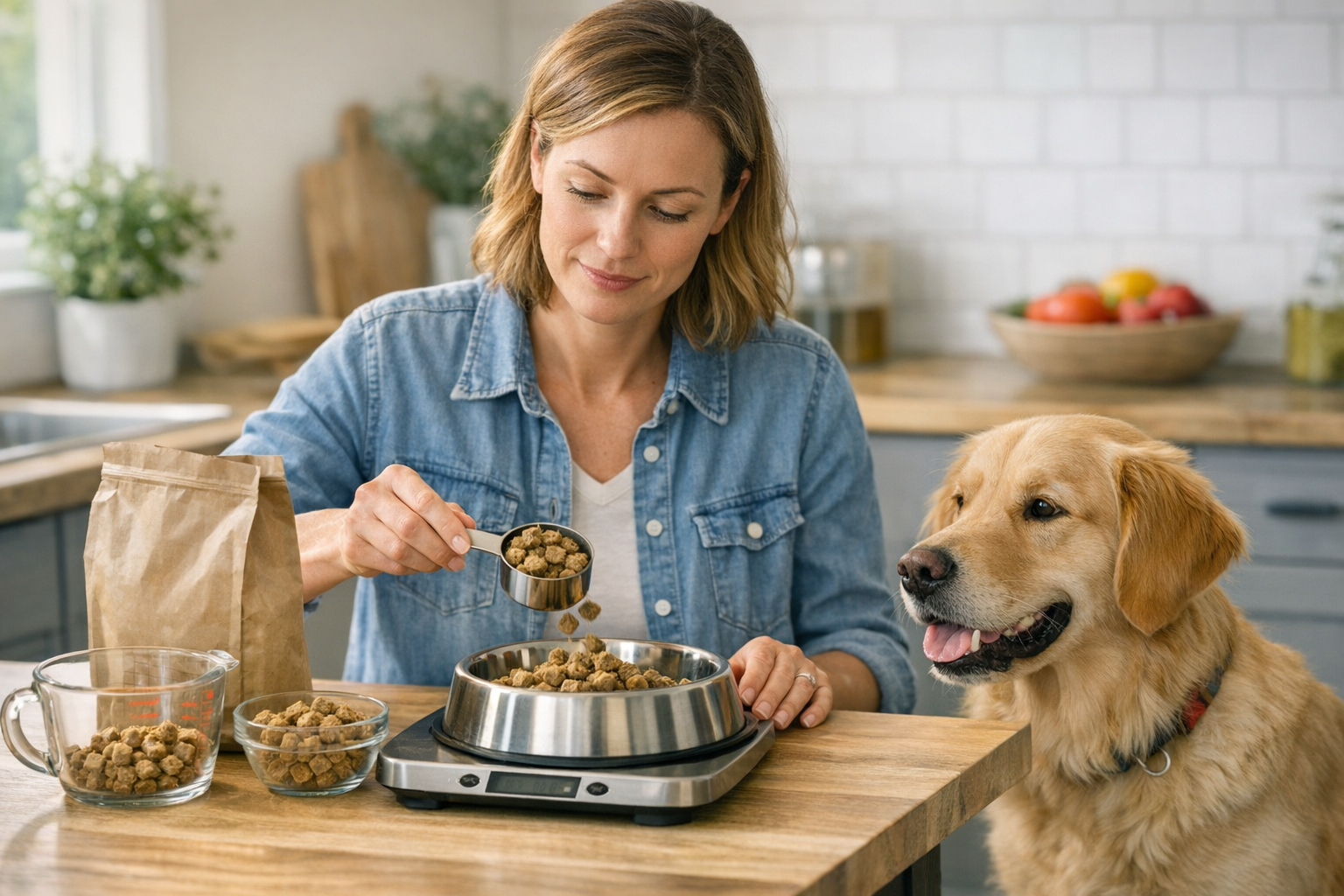
You are standing in your kitchen with a brand new bag of freeze dried dog food. You reach inside and pull out a few nuggets. They feel incredibly light, almost like space food or croutons. You look at the bag and then at your dog, wondering how this small, airy portion could possibly be enough to keep them full and healthy. This is a common moment of doubt for many owners making the switch from heavy bags of kibble. At BaxterBoo, we talk to pet parents every day who are navigating the transition to raw and freeze dried diets. We know that getting the portion size right is the most important part of the process. This guide covers how to calculate daily amounts based on weight, activity, and life stage. We also explain why rehydration changes everything about the way you measure your dog's bowl.
Quick Answer: Most adult dogs should eat between 2% and 4% of their ideal body weight in rehydrated food per day. Because freeze dried food is concentrated, you typically feed about one cup of dry nuggets for every 10 to 15 pounds of body weight. Always check the specific calorie count on your chosen brand's label.
Understanding the Density of Freeze Dried Food
The first thing to understand is that freeze dried food is essentially a raw diet with the water removed. The process uses sublimation to turn ice into vapor without it ever becoming liquid. This preserves about 97% of the original nutrients found in the raw ingredients. It also makes the food incredibly light. One pound of freeze dried food might be equivalent to four pounds of raw meat once you add the water back in.
This concentration is why you cannot use your old kibble scoop as a guide. Kibble is filled with starches and air, and it is processed with high heat. Freeze dried nuggets are dense with protein and fats. If you fill a bowl to the same level you did with kibble, you will likely be overfeeding your dog by a significant margin. This can lead to digestive upset or rapid weight gain.
Most high quality brands we carry, such as our selection of Stella & Chewy's products or our selection of Open Farm products, provide a feeding chart on the back of the bag. These charts are usually based on the dry weight of the food. However, we always recommend looking at the calories per cup or per nugget. This helps you stay consistent even if you switch between different protein sources like beef and chicken.
The Basic Formula for Daily Portions
A good starting point for any raw or freeze dried diet is the percentage of body weight rule. This calculation is based on what the food weighs once it has been rehydrated. Most healthy adult dogs thrive on a daily portion that equals roughly 2% to 3% of their ideal body weight.
If your dog weighs 20 pounds, they should eat about 0.4 to 0.6 pounds of food per day. This is the total for the entire day, not per meal. You would then look at the bag to see how many dry nuggets or cups it takes to reach that weight once water is added.
For a more active dog or a dog with a high metabolism, you might move up to 4% of their body weight. If your dog is overweight and needs to slim down, you should calculate the portion based on their target weight, not their current weight. This ensures they are getting the nutrients they need while naturally reducing their calorie intake.
General Guidelines by Dog Size
- Small Dogs (5 to 15 lbs): These dogs often have very high metabolic rates. They may need closer to 3% or 4% of their body weight.
- Medium Dogs (20 to 50 lbs): The 2% to 3% rule is usually perfect for this group.
- Large Dogs (50 to 90 lbs): Larger breeds often have slower metabolisms. Stick to the 2% range to prevent joint stress from excess weight.
Key Takeaway: Freeze dried food is a concentrated version of a raw diet. You must calculate portions based on your dog's ideal weight rather than just filling the bowl by sight.
Why Rehydration Changes the Math
We strongly recommend adding moisture back into every meal. Freeze dried food usually contains only about 2% moisture. In comparison, kibble has about 10% and raw food has 70%. If you feed the food dry, your dog's body has to work harder to digest it. They may also become chronically dehydrated over time.
When you add water, the food expands. A small handful of dry nuggets can turn into a substantial stew. This helps your dog feel full and satisfied. It also makes the nutrients easier to absorb. We suggest a 1:1 ratio of water to food. If you put one cup of nuggets in the bowl, add one cup of warm water.
Wait about three to five minutes before serving. This gives the food time to soak up the liquid. If your dog is picky, you can use bone broth or goat milk instead of plain water. This adds extra flavor and nutrition. Just remember that if you use broth, you should account for those extra calories in your daily total.
Vet Tip: If your dog has a history of urinary tract issues or kidney disease, rehydration is not optional. Providing moisture within the food is the best way to support kidney function. For pets with chronic health conditions, consult your veterinarian about specific prescription diets. Our pet pharmacy carries many FDA-approved veterinary foods through our Pet's Choice information page.
Adjusting for Life Stages
How much you feed will change as your dog grows and eventually slows down. Puppies are growing rapidly and building bone, muscle, and organ tissue. They require significantly more calories and nutrients than an adult dog of the same weight.
Feeding Puppies
A puppy might need to eat as much as 5% to 10% of their current body weight. This sounds like a lot, but their bodies are essentially calorie-burning engines. Most owners find it easiest to feed puppies three or four small meals a day. This keeps their blood sugar stable and prevents them from getting too hungry.
When feeding a puppy freeze dried food, ensure the bag is labeled for all life stages or specifically for growth. Puppies need a precise balance of calcium and phosphorus. Brands like Open Farm or Stella and Chewy's often formulate their recipes to meet these AAFCO standards for puppies.
Feeding Seniors
As dogs age, their metabolism naturally slows down. They also tend to be less active. You may need to drop their daily portion toward the lower end of the 2% scale. However, senior dogs still need high quality protein to maintain muscle mass. This is where freeze dried food shines. It provides easily digestible protein without the heavy fillers found in many senior kibbles.
The Impact of Activity Levels
A dog's lifestyle is just as important as their weight. A working farm dog or an agility competitor burns significantly more calories than a dog who spends most of the day on the sofa. If your dog is very active, you will need to increase their portion size to prevent them from losing weight.
Keep a close eye on your dog's body condition. You should be able to feel their ribs easily, but they should not be sticking out. When you look at them from above, they should have a visible waist. If they start to look too thin, add an extra nugget or two to each meal. If they start to lose their waistline, trim the portion back.
Environmental factors also play a role. If your dog spends a lot of time outside in cold weather, they burn extra energy just to stay warm. You might find that you need to feed a bit more in the winter and a bit less in the summer.
Transitioning to Freeze Dried Food
You should never switch your dog's food overnight. Their digestive system needs time to adapt to the new nutrient density and the raw nature of the ingredients. A sudden switch can cause diarrhea, gas, or vomiting. We recommend a transition period of at least seven to ten days.
- Days 1 to 3: Mix 25% freeze dried food with 75% of their old food.
- Days 4 to 6: Mix 50% freeze dried food with 50% of their old food.
- Days 7 to 9: Mix 75% freeze dried food with 25% of their old food.
- Day 10: Feed 100% freeze dried food.
During this time, watch your dog's stool. It is normal for the stool to become smaller and firmer on a freeze dried diet. This is because their body is absorbing more of the nutrients and producing less waste. However, if the stool becomes very hard or if they are straining, you may need to add more water to the meals.
Key Takeaway: A slow transition helps the gut microbiome adjust to the high protein and lack of fillers in freeze dried diets.
Using Freeze Dried Food as a Topper
If feeding a 100% freeze dried diet does not fit your budget, you can still provide the benefits by using it as a topper. We carry many products at BaxterBoo that are specifically designed to be crumbled over kibble. This adds a boost of raw nutrition and makes the meal much more palatable for picky eaters. Our dog food topper collection is a good place to start.
When using toppers, you must reduce the amount of kibble you are feeding. If you add 100 calories of freeze dried toppers, you need to remove 100 calories of kibble. If you don't adjust the math, your dog will slowly gain weight.
Toppers are also a great way to introduce variety. You can rotate between different proteins like lamb, turkey, or salmon. This provides a wider range of amino acids and prevents your dog from becoming bored with their meals. Since the topper is only a small part of the meal, you don't usually need to rehydrate it, but it still doesn't hurt to add a splash of water.
Storage and Handling Safety
Since most freeze dried dog food is made from raw meat, safety is a priority. Many of the brands we stock use High Pressure Processing (HPP). This is a cold pasteurization technique that uses extreme pressure to kill harmful bacteria like Salmonella and Listeria without using heat. This keeps the food safe while preserving the nutrients.
Even with HPP, you should follow standard food safety practices. Wash your hands after handling the food. Clean your dog's bowl with hot, soapy water after every meal. If you have rehydrated the food and your dog does not eat it within 30 minutes, you should throw it away. Do not leave wet food sitting out at room temperature.
Keep the bag sealed tightly and store it in a cool, dry place. Most freeze dried food will stay fresh for about 30 days after opening. If you buy a large bag and have a small dog, you might want to store a portion of it in an airtight container to maintain freshness. Unopened bags can last for two to three years on the shelf.
Health and Wellness Considerations
Feeding the right amount of freeze dried food can have a major impact on your dog's long term health. Many owners report that their dogs have shinier coats, more energy, and fewer allergy symptoms after making the switch. Because these diets are typically grain-free and low in carbohydrates, they are excellent for dogs with sensitive stomachs or skin issues.
However, no single diet is perfect for every dog. If your pet has a chronic condition like pancreatitis, they may need a low fat diet that requires careful monitoring. Some freeze dried foods are naturally high in fat, so you must read the labels carefully.
If your dog is managing a serious health issue, your veterinarian might recommend a prescription diet. At BaxterBoo, we offer a specialized pharmacy service in partnership with Pet's Choice. This allows you to order FDA-approved medications and prescription pet foods directly from us. Having access to a real pharmacy ensures that you can manage your dog's medical needs alongside their daily nutrition.
Vet Tip: Always consult your vet before switching to a raw or freeze dried diet if your dog is immunocompromised or has a history of pancreatitis. They can help you determine the safest protein and fat levels for your dog's specific needs.
Why Quality Matters
At BaxterBoo, we have been operating since 2006. We have seen many pet food trends come and go. We only carry brands that we trust for our own pets. Every product in our warehouse is handpicked by people who understand animal nutrition. We look for brands that use named proteins like "Beef" or "Chicken" rather than generic "Meat Meals."
We also look for foods that include functional ingredients. This might include salmon oil for skin and coat health, or probiotics for digestion. For example, some freeze dried meals now include "Belly Biotics," which are blends of prebiotics and probiotics. These help maintain a healthy gut microbiome, which is the foundation of your dog's immune system.
When you shop with us, you are getting more than just a bag of food. You are getting the expertise of a specialty retailer. Whether you visit our warehouse in Vernon Hills or order online, we want you to feel confident in the choices you make for your pet.
Conclusion
Determining how much freeze dried dog food to feed does not have to be a guessing game. By starting with the 2% to 3% body weight rule and adjusting for your dog's unique activity level and age, you can create a perfect feeding plan. Remember to always rehydrate the food to support digestion and kidney health. Transition slowly to avoid stomach upset and always handle the food with the same care you would use for your own meals.
If you are ready to start your dog on a freeze dried journey, we invite you to browse our freeze-dried dog food collection and our selection of Open Farm Freeze Dried Dog Food - Turkey. You can earn up to 5% back on every purchase through the MVP Rewards programme. For the best value, consider our Autoship programme. You will save on your first order and receive a free MVP Gold membership, ensuring your dog never misses a meal.
Bottom line: Feed based on ideal body weight, always add water, and adjust the portion as your dog's life stage and activity levels change.
FAQ
Is freeze dried dog food more expensive to feed than kibble?
The price per bag is higher because you are paying for high quality meat and a complex manufacturing process. However, because the food is so nutrient dense, you feed much smaller portions than you would with kibble. When you calculate the cost per meal and factor in the potential for fewer vet visits due to better health, many owners find it to be a great value.
Can I feed freeze dried food to my puppy?
Yes, as long as the food is formulated to meet AAFCO standards for growth or all life stages. Puppies require a specific balance of nutrients to support their developing bones and organs. You will need to feed them significantly more frequently and in higher amounts relative to their body weight than you would an adult dog.
What happens if I don't add water to freeze dried dog food?
While it is safe to feed as an occasional treat without water, feeding it dry as a full meal can lead to dehydration. Your dog's body must use its own internal moisture to hydrate the food for digestion. Over time, this can put stress on the kidneys and lead to constipation or hard stools.
How do I know if I am overfeeding my dog?
The easiest way to tell is by checking their ribs and waistline. You should be able to feel the ribs under a thin layer of fat without having to press hard. If you can no longer feel the ribs or if your dog loses their visible waist when viewed from above, you should reduce their daily portion size immediately.






