
 Save 15% on your 1st Autoship learn more

 Email us
 Live Chat
 FAQs
FAQs





Introduction
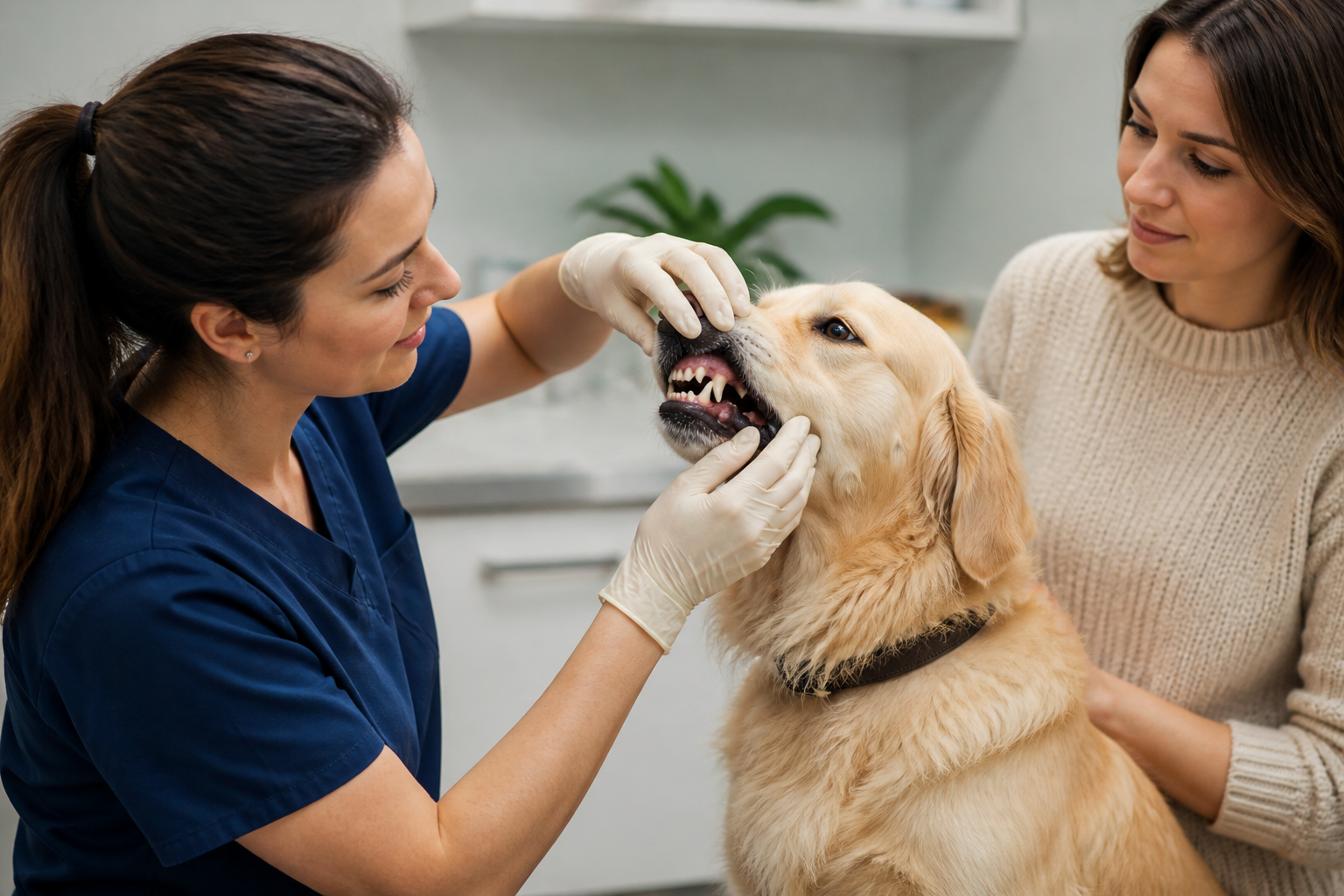
You might be sitting on the sofa when your dog lets out a big yawn, and suddenly, you are hit with a scent that is far from fresh. Bad breath is often the first sign that a professional cleaning is overdue. While we often focus on grooming and diet, oral health is a massive part of a dog’s overall wellness. At BaxterBoo, we know that the cost of veterinary care is a major consideration for every pet owner. In this guide, we will break down exactly what you can expect to pay for a professional dental cleaning, why the prices vary so much, and how you can manage these costs. Understanding these numbers helps you make the best decisions for your dog’s health and your budget.
Quick Answer: A routine professional dog teeth cleaning usually costs between $300 and $700. If your dog requires extractions, dental X-rays, or specialized care for advanced gum disease, the total can easily reach $1,000 to $2,000.
The Average Cost of Professional Dog Teeth Cleaning
The price tag for a dental cleaning is rarely a flat fee. Most veterinary clinics provide a range because they cannot know exactly what is happening inside the mouth until the dog is under anesthesia. For a healthy dog with minimal buildup, you might see an invoice on the lower end of the $300 to $700 spectrum. This base price typically covers the professional scaling, polishing, and the anesthesia required to keep the dog still and safe.
If you live in a major city or an area with a high cost of living, you should expect to pay toward the top of that range. Rural clinics often have lower overhead costs and may charge less. However, the complexity of the procedure is the biggest driver of the final bill. A simple "prophy" or preventative cleaning is much faster and less resource-heavy than a procedure for a dog with loose teeth and heavy tartar.
Why the Price Varies by Size
The size of your dog impacts the cost primarily through the amount of anesthesia and supplies used. A Great Dane requires significantly more sedative and monitoring than a Toy Poodle. Because anesthesia is often billed by the dose or by the time the animal is under, larger dogs usually have higher base costs. Additionally, larger dogs have larger teeth and more surface area to clean, which can lengthen the time the veterinary technician spends scaling and polishing.
Geographic Impact on Pricing
Just like human healthcare, veterinary costs are regional. A clinic in downtown Chicago or New York City will almost always be more expensive than a clinic in a smaller town. This is due to the costs of rent, staff wages, and utilities. If you are looking to save money, it is sometimes worth calling clinics slightly outside of your immediate metropolitan area to compare estimates.
Breaking Down the Invoice: What Are You Paying For?
When you receive an estimate for a dental cleaning, it can look like a long list of confusing line items. It is important to remember that a professional cleaning is a medical procedure, not just a cosmetic one. Each item on that list serves a specific purpose in keeping your dog safe and ensuring their mouth is actually healthy.
Anesthesia and Monitoring
This is usually the largest portion of the base cost. Unlike humans, dogs will not sit still for a dental scaler. They do not understand that the high-pitched noise and water spray are there to help them. Anesthesia allows the vet to clean deep under the gum line where the most dangerous bacteria live. It also protects the dog’s airway from the water and debris generated during the cleaning.
The cost includes the drugs themselves and the dedicated staff member who monitors your dog’s heart rate, oxygen levels, and blood pressure throughout the surgery. High-quality monitoring equipment is expensive to maintain, which is reflected in the price.
Dental X-Rays
Many owners are surprised to see X-rays on the bill. However, about 60 percent of a dog’s tooth structure is hidden beneath the gum line. A tooth can look perfectly white and healthy on the surface while the root is rotting away or an abscess is forming underneath. Without X-rays, a vet is essentially guessing about the health of the mouth. While X-rays add $100 to $300 to the bill, they often save money in the long run by identifying problems before they become emergency situations.
Scaling and Polishing
This is the "cleaning" part of the cleaning. Vets or technicians use ultrasonic scalers to vibrate tartar off the teeth. After scaling, the teeth must be polished. Scaling creates microscopic scratches on the enamel. If these are not polished smooth, plaque will cling to those scratches and build up even faster than before.
Key Takeaway: A professional dental cleaning is a comprehensive medical procedure that involves anesthesia, deep scaling, and often X-rays to see what is happening below the gums.
The Factors That Drive Up the Bill
While the base cleaning has a somewhat predictable price, certain factors can cause the bill to double or triple. Most of these involve "oral surgery," which is any procedure that goes beyond basic cleaning.
Tooth Extractions
If a tooth is loose, fractured, or has a significant infection at the root, it usually needs to come out. Extractions are billed by the complexity of the tooth. A small, single-rooted front tooth might cost $50 to $100 to remove. A large, three-rooted carnassial tooth in the back of the mouth can cost $300 to $600 or more because it requires surgical equipment to split the tooth and remove it safely.
Pre-Anesthetic Bloodwork
Most vets require bloodwork before putting a dog under anesthesia, especially for senior pets. This test checks kidney and liver function to ensure the dog can safely process the anesthetic drugs. This usually adds $75 to $200 to the total. While it feels like an extra expense, it is a vital safety net.
Pain Medication and Antibiotics
If your dog has extractions or a deep gum infection, they will need medication. This includes local numbing blocks during the surgery and take-home medications for the days following. Our pet pharmacy carries a variety of medications through our partnership with Pet's Choice. If your veterinarian provides a prescription for post-operative care, we can help you fulfill those needs for chronic or acute recovery.
Vet Tip: If your dog is over seven years old, do not skip the pre-anesthetic bloodwork. It provides essential information that helps your vet tailor the anesthesia to your dog’s specific health needs and reduces the risk of complications.
General Practice vs. Veterinary Dental Specialists
Most routine cleanings are handled by your regular family veterinarian. However, there are times when a board-certified veterinary dentist is necessary. These specialists have years of extra training in complex oral surgeries, root canals, and jaw repairs.
When to See a Specialist
You might be referred to a specialist if your dog has a complex jaw fracture, oral tumors, or needs a root canal to save a vital tooth. Specialists use more advanced equipment, such as CT scans, and often have more specialized anesthesia protocols for high-risk patients.
Comparing the Costs
A visit to a specialist will always be more expensive than a general practice. A specialist cleaning and exam often start at $1,500 and can go up significantly from there. For most healthy dogs needing a routine "refresh" of their pearly whites, a general practitioner is the right choice.
Why Anesthesia-Free Cleanings Are Not the Solution
You may see advertisements for "anesthesia-free" dental cleanings at a much lower price point. While these are tempting, they are often considered a cosmetic procedure rather than a medical one.
The Limits of Manual Scraping
Anesthesia-free cleanings involve someone holding the dog and scraping the visible tartar off the teeth. This makes the teeth look better, but it does nothing for the bacteria under the gum line. Because the dog is awake, the technician cannot use a probe to check for pockets of infection or take X-rays.
The Risk of Injury
Trying to scrape a dog's teeth while they are awake can be stressful and dangerous. A sudden movement can lead to the tool cutting the gums or damaging the enamel. Most veterinary organizations do not recommend anesthesia-free cleanings because they do not treat periodontal disease.
Bottom line: Anesthesia-free cleaning may make teeth look white, but it leaves the most dangerous bacteria behind under the gums where you cannot see them.
Signs Your Dog Needs a Professional Cleaning
How do you know when it is time to schedule that appointment? While a yearly exam is the gold standard, some dogs develop dental disease faster than others.
- Persistent Bad Breath: This is not just "dog breath." It is a foul odor caused by bacteria.
- Discolored Teeth: Yellow or brown crust near the gum line is tartar, which cannot be brushed away at home.
- Bleeding Gums: You might see a small amount of blood on a chew toy or in their water bowl.
- Difficulty Eating: If your dog drops food, tilts their head while chewing, or suddenly refuses dry kibble, their mouth might be painful.
- Pawing at the Face: This can indicate a toothache or something stuck in the gums.
If you notice these signs, your first step should be a visit to your vet. They can grade your dog’s dental disease from Stage 1 (mild gingivitis) to Stage 4 (advanced bone loss and infection). This grading helps them give you a more accurate cost estimate. For more warning signs, read what to know about bad teeth in dogs.
How to Lower Dental Costs Through Prevention
The best way to save money on professional cleanings is to make sure your dog doesn't need them as often. While some breeds, like small terriers and brachycephalic dogs, are genetically prone to dental issues, home care makes a massive difference. Our dog dental and breath care collection includes products designed to support a consistent routine.
Daily Brushing
Brushing your dog’s teeth is the single most effective way to prevent tartar buildup. You must use a dog-specific toothpaste, as human toothpaste contains xylitol or fluoride, which are toxic to pets. We carry a variety of brushes and flavored pastes at BaxterBoo that make the process easier. Even brushing three times a week can significantly reduce the frequency of professional cleanings.
Dental Chews and Treats
Specific treats are designed to mechanically scrape plaque off the teeth as the dog chews. Look for products with the VOHC (Veterinary Oral Health Council) seal. These have been tested and proven to reduce plaque or tartar. We offer popular options like Greenies dental dog chews and other specialized dental chews that fit into your dog’s daily routine.
Water Additives and Wipes
If your dog absolutely will not tolerate a toothbrush, water additives and dental wipes are a good secondary option. These products use enzymes or mild antiseptics to break down plaque-forming bacteria. While they are not as effective as brushing, they are better than doing nothing at all.
Bottom line: Investing a few minutes a day in brushing and providing the right dental chews can save you thousands of dollars in surgical extractions over your dog’s lifetime.
Steps to Starting a Home Care Routine
If you have never brushed your dog’s teeth, do not try to do the whole mouth on day one. It is a process of building trust. For additional guidance, see these pet dental care tips.
- Let them taste the paste. / Give your dog a small dab of poultry or beef-flavored toothpaste on your finger. Let them lick it off so they associate it with a treat.
- Touch the teeth. / Gently rub your finger along their gums and teeth. Do this for a few days until they are comfortable with you touching their mouth.
- Introduce the brush. / Put a small amount of paste on a finger brush or a soft dog toothbrush. Only brush the front teeth for a few seconds.
- Work your way back. / Gradually increase the time and the number of teeth you brush. Focus on the outside of the teeth, as that is where the most tartar builds up.
The Role of Diet in Dental Health
What your dog eats can also impact their oral hygiene. While the old myth that "kibble cleans teeth" isn't entirely true for most standard foods, there are specific prescription dental diets. These kibbles are larger and have a fibrous texture that does not shatter when the dog bites into it. Instead, the tooth sinks into the kibble, which wipes away plaque.
Our partnership with Pet's Choice through the BaxterBoo pharmacy allows you to order these prescription dental diets conveniently. If your vet recommends a specific food like Royal Canin Dental or Farmina Vet Life, we can help you manage those recurring orders through our Autoship programme. This ensures you never run out and can save on the supplies your dog needs to stay healthy.
Financial Planning for Pet Dental Care
Because dental cleanings are a significant expense, many pet owners look for ways to budget.
- Pet Insurance: Many plans, like our partners at FIGO Pet Insurance, offer wellness add-ons that cover a portion of a routine cleaning. Check your policy to see if dental illness or routine care is included.
- Dental Health Month: Many clinics offer discounts in February, which is National Pet Dental Health Month. This is a great time to schedule a cleaning if your dog is due.
- MVP Rewards: When you shop for your dental supplies like brushes, pastes, and chews with us, you can earn up to 5% back through the MVP Rewards programme. These points can be used to offset the cost of other health needs.
Preparing for the Appointment
When the day of the cleaning arrives, your vet will give you specific instructions. Most require you to fast your dog (no food after midnight) to ensure the anesthesia is as safe as possible. When you drop your dog off, ask for a "call-back" once the X-rays are done. This allows the vet to explain what they found and get your permission for any extractions before they proceed.
After the procedure, your dog will likely be a bit groggy. They may need soft food for a few days if they had extractions. Follow your vet's instructions for pain medication closely to ensure a smooth recovery.
Conclusion
A professional dental cleaning for your dog is an investment in their longevity. While the initial cost of $300 to $700 can feel high, it prevents much more expensive and painful conditions like heart disease, kidney failure, and systemic infections. By combining regular veterinary visits with a consistent at-home routine of brushing and dental chews, you can keep those costs manageable. We are here to support you with the expert-curated gear and pharmacy access you need to make dental care a simple part of your daily life. Explore our dog dental care products today to start your dog on the path to a healthier mouth.
FAQ
Is $1,000 too much for a dog teeth cleaning?
A $1,000 bill is common if the procedure includes dental X-rays, pre-anesthetic bloodwork, and one or two tooth extractions. The base price of a cleaning is usually lower, but the total increases quickly once oral surgery or advanced diagnostics are required. You should always ask for a detailed estimate to see exactly where the money is going.
Does pet insurance cover the cost of teeth cleaning?
Standard pet insurance policies usually cover dental "illnesses," such as a broken tooth or an abscess. However, they typically do not cover routine preventative cleanings unless you have a specific wellness or preventative care add-on. It is important to review your policy details or talk to your provider to understand your specific coverage.
Can I clean my dog's teeth myself to save money?
You can and should brush your dog's teeth at home to prevent the buildup of plaque and tartar. However, once plaque has hardened into tartar, it cannot be removed with a toothbrush. At that point, only a professional cleaning with veterinary equipment can safely remove the buildup and address infection under the gum line.
How often should I get my dog's teeth professionally cleaned?
Most veterinarians recommend a professional cleaning once a year starting around age two or three. Small breeds or dogs with crowded teeth may need cleanings every six months. Your vet will check your dog's teeth during their annual physical and let you know when it is time for a professional procedure.






