Save 15% on your 1st Autoship learn more

 Email us
 Live Chat
 FAQs
FAQs





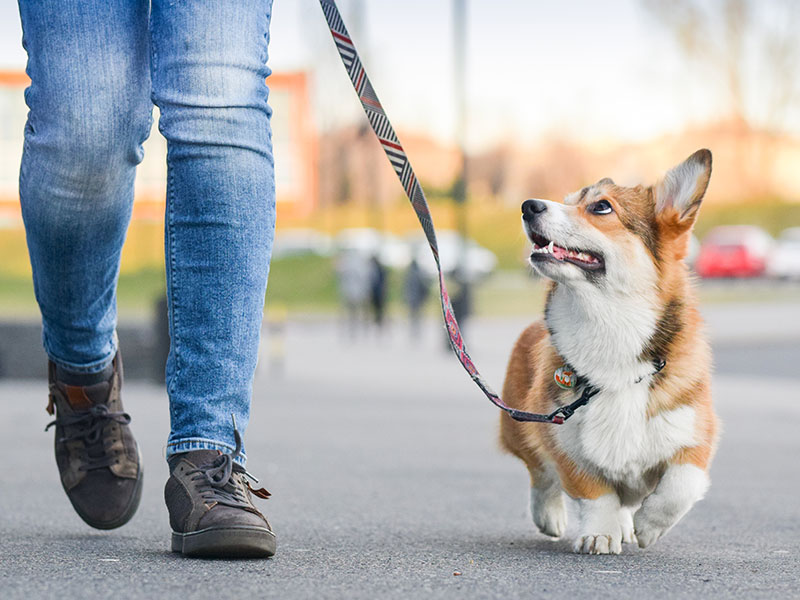
Going for walks is really important for your dog’s well-being. Walking isn’t just about exercise; it’s also a great way for your dog to have fun. A walk around the neighborhood may not seem particularly special to you. To your dog, however, a walk around the block or a quick excursion to your local dog park is a fantastic adventure. When you go out with your dog, there’s lots of wonders to investigate and all kinds of fascinating sights and scents waiting for them.
How Often Do You Need to Walk Your Dog?
Dogs have to go outside to relieve themselves about five times per day. Typically, veterinarians recommend that dogs be able to go out no less than every six hours. The frequency with which your dog needs to urinate may depend on his or her size. While little dogs produce less urine and waste, they have a smaller storage capacity and may need to go out more frequently than a larger dog. If you won’t be able to walk your dog for an extended period during the day, it may be a good idea to consider enlisting the help of a professional dog walker.
How Long Should You Walk Your Dog?
When you take your dog outside, every outing shouldn’t be a quick jaunt to the nearest grassy spot just to take care of business. While the occasional quick in and out is certainly okay, especially in inclement weather, you shouldn’t make every walk as short as possible. Be sure to give your favorite walking companion the opportunity to cover a good distance. If your dog is healthy and doesn’t have any type of mobility issues, a twenty minute walk or an outing that takes you a mile or longer is a great way to get in some excellent physical activity. If you want to do some jogging together, you can use a hands-free leash . Let your dog set the pace, and give him or her time to stop and check out things that catch his or her interest. Don’t rush your dog past the things that he or she wants to see, but keep an eye on what your dog is doing in case he or she happens to come across something that seems like a delicious treat but could be harmful.
Choose a comfortable colla r that isn’t too snug but isn’t so loose that your dog may slip out of it. You should keep your dog on a leash unless you’re somewhere that’s fenced in to make sure that he or she stays safe and won’t come into contact with any type of oncoming danger. When you go on a longer walk, you should consider using a harness instead of a collar. A harness can be more comfortable for a dog, and you can get a no-pull harness that will give you good control without having to tug on your dog’s neck. This advantage is especially beneficial for little dogs, who may be more vulnerable to an injury when their owners have to give them a sudden tug to pull them out of harm’s way.
How Long Should You Walk a Puppy?
Puppies may seem like they have boundless energy. They spend more than half of their waking hours playing, and you may sometimes see your puppy start zooming back and forth across the room for no apparent reason. Exercise is important to your puppy’s healthy growth and physical development, but you have to help your puppy moderate his or her physical activity. Puppies don’t have a lot of endurance, their muscles aren’t well developed, and they tire out quickly. You might notice that a puppy who appears to be bursting with energy can suddenly conk out wherever he or she happens to be and in position.
As a general rule, puppies should go for walks that are about five minutes long for each month their age. If your puppy is three months old for example, you should limit your walks to about fifteen minutes. While puppies are still learning about leash manners, it’s especially important that you get a comfortable harness . You should probably pick a harness with a soft but breathable material. Get a leash that will be easy to manage , and you might want to consider a retractable leash so you can adjust the length.
How Long Should You Walk a Senior Dog?
As dogs get older, their joints and muscles deteriorate much in the same way that human’s do. They don’t have the stamina that they once did, and they may have some mobility limitations. Nevertheless, it’s important that your older dog gets some physical exercise by walking. Moderate physical activity is important for maintaining good joint function and healthy muscles.
You should walk your senior dog as frequently as often as an adult dog, but you may want to make your trips out a little bit shorter. If you notice your dog slowing down or stopping, you should make your way back home right away. Bet attentive to how your dog is moving and keep an eye out for any signs of discomfort.
Walk time is about more than just taking care of business. It’s a fun activity that your dog looks forward to. Every dog loves getting to share the experience of doing something fun with their favorite human. Set aside some time in your regular schedule for walks and get some great gear to keep walk time fun and safe.