
 Save 15% on your 1st Autoship learn more

 Email us
 Live Chat
 FAQs
FAQs





Introduction
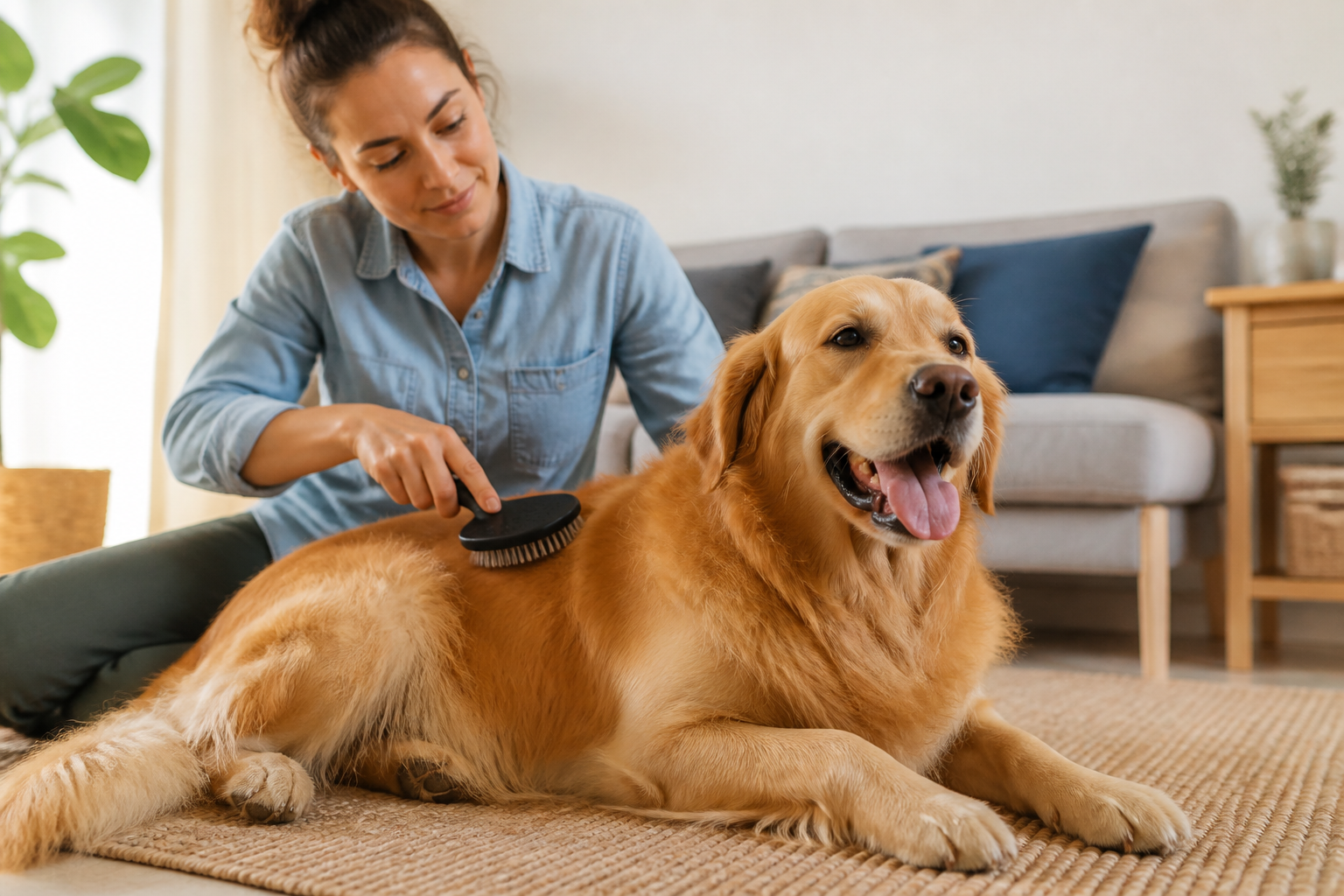
You might be sitting on the rug with your dog when you notice a stray tuft of fur peeking out from their side. Or perhaps you reach down to give a scratch and feel a small, hard knot forming behind an ear. These moments usually lead every owner to the same question: how often can I brush my dog without overdoing it? The answer is not the same for a sleek Greyhound as it is for a fluffy Samoyed. At BaxterBoo, we know that grooming is about more than just looking good for the neighborhood walk. It is a fundamental part of your dog's physical health and comfort. This guide covers the ideal brushing schedules for every coat type and explains how to keep your dog's skin and fur in peak condition year round.
Understanding Your Dog's Unique Coat Type
Before you pick up a brush, you need to identify exactly what kind of coat you are working with. Most dogs fall into one of several categories based on length, texture, and whether they have an undercoat. If you are unsure, look at the hair around the neck and thighs. This is usually where the coat is thickest and easiest to categorize.
Smooth and Short Coats
Smooth-coated dogs like Boxers, Pointers, and Dalmatians have the lowest maintenance requirements. Their hair lies flat against the body and does not tangle easily. Short-coated dogs like Labradors or Beagles have slightly longer hair but follow similar rules.
For these dogs, you should aim to brush once or twice a week. While they do not get mats, brushing is still necessary to remove dead hair and skin cells. It also helps distribute the natural oils across the skin. This keeps the coat shiny and prevents that "doggy" smell from building up.
Double Coats and Heavy Shedders
Dogs like German Shepherds, Huskies, and Samoyeds have a protective outer coat and a soft, dense undercoat. These are the dogs that "blow" their coats twice a year, usually in the spring and fall. During these transitions, you might feel like you are living in a snowstorm of fur.
During the regular season, brush a double-coated dog at least two to three times per week. When they are shedding their seasonal coat, you may need to brush them daily. If the dead undercoat is not removed, it can become trapped against the skin. This leads to hot spots and prevents the skin from breathing.
If your dog is a particularly heavy shedder, you can find additional coat-care guidance in this guide to managing seasonal shedding in dogs.
Curly and Drop Coats
Poodles, Bichons, and Yorkshire Terriers fall into the high-maintenance category. These dogs have hair that grows continuously rather than fur that sheds out. Because the hair stays on the body, it is very prone to tangles and painful matting.
You should brush these dogs daily if their hair is kept long. If they have a shorter "puppy cut," you can get away with brushing every two days. Pay special attention to high-friction areas like the armpits and the spots where their collar or harness sits.
For more guidance, review these tips on grooming curly-haired dogs.
Key Takeaway: Brushing frequency is determined by hair length and shedding patterns. Smooth coats need weekly attention, while curly and double coats often require daily care to prevent skin issues.
The Benefits of Frequent Brushing
Brushing is more than a chore. It is a health check. When you brush your dog regularly, you are doing several things for their well-being.
First, you are stimulating blood flow to the skin. This encourages healthy hair growth and keeps the skin's barrier strong. Second, you are looking for things that do not belong. While brushing, you can feel for new lumps, bumps, ticks, or areas of sensitivity. Early detection of a skin growth or a hidden injury can make a massive difference in treatment.
Brushing also reduces the amount of dander and loose fur in your home. For owners with mild allergies, a daily brushing routine can make living with a dog much more comfortable. It keeps the allergens on the brush and in the trash can rather than on your sofa.
For brushes, combs, and other tools, explore our dog grooming collection.
Quick Answer: Most dogs benefit from being brushed at least two to three times per week. However, long-haired or double-coated breeds often require daily brushing to prevent painful mats and manage heavy shedding.
How Often to Brush Your Dog's Teeth
While we often focus on the fur, dental hygiene is just as important. Many owners do not realize that dental health directly impacts a dog's internal organs. Bacteria from infected gums can enter the bloodstream and affect the heart, liver, and kidneys.
Ideally, you should brush your dog's teeth every single day. Just like humans, dogs build up plaque within hours of eating. If daily brushing is not possible, aim for a minimum of three times per week. This is often enough to prevent the plaque from hardening into tartar, which can only be removed by a veterinarian under anesthesia.
Our pharmacy at BaxterBoo offers various dental health supports through our partnership with Pet's Choice. This includes prescription dental diets and oral rinses for dogs with advanced gum sensitivity. Always consult your vet if you notice bleeding gums or extremely foul breath, as these are signs of dental disease.
You can also review these pet dental care tips for additional routine ideas.
Choosing the Right Tools for the Job
Using the wrong brush can be ineffective or even painful for your pet. You want the grooming session to be a bonding experience, not a source of stress.
- Slicker Brushes: These have fine, wire bristles. They are the best choice for removing tangles and mats in curly, silky, or double coats.
- Bristle Brushes: These are great for smooth-coated dogs. They remove surface dirt and add shine.
- Rubber Curry Brushes: These are perfect for short-haired dogs. They massage the skin and pull out loose fur like a magnet.
- Undercoat Rakes: These reach through the topcoat to pull out the dead fluff from the undercoat. They are essential for breeds like Golden Retrievers and Huskies.
For tools suited to different coat types, browse our dog brushes and combs.
We carry over 500 trusted brands like Kong and RC Pets to help you find the exact tool for your dog's specific coat texture. Using a high-quality tool means you can finish the job faster and with less pulling on the skin.
Vet Tip: Never use human toothpaste on your dog. It often contains Xylitol, which is highly toxic to pets. Use a canine-specific paste in a flavor they enjoy, like poultry or beef.
Seasonal Adjustments to Your Routine
The weather plays a major role in how often you should reach for the brush. In the winter, some owners worry that brushing will "open" the coat and make the dog cold. This is a common myth. In reality, a matted or dirty coat provides less insulation than a clean, fluffy one.
When the coat is matted, it cannot trap air effectively. Air is what actually keeps your dog warm. Regular brushing keeps the fur lofted and dry. In the summer, removing the dead undercoat is vital for temperature regulation. A thick layer of dead fur acts like a heavy parka in the heat. Brushing helps your dog stay cool by allowing air to reach the skin.
Step-by-Step: Introducing a New Brushing Routine
- Choose a quiet time. Pick a moment when your dog is relaxed, perhaps after a long walk.
- Let them sniff the tools. Place the brush on the floor and let your dog investigate it. Give a small treat for calm behavior.
- Start with short sessions. Brush for only two minutes at a time. Focus on an easy area like the back.
- Reward throughout. Use small, high-value treats to create a positive association with the brush.
- Check the skin. Watch for any redness or irritation. If the skin looks pink, you might be pressing too hard.
Managing Skin Sensitivities and Allergies
If your dog has itchy skin or seasonal allergies, brushing frequency becomes even more critical. Brushing helps remove environmental allergens like pollen and dust that get trapped in the fur. However, you must be gentle.
For dogs with sensitive skin, avoid metal slicker brushes that might scratch. Instead, use a soft bristle brush or a rubber grooming mitt. If you notice your dog is constantly scratching, losing hair in patches, or has a strong odor, it is time for a veterinary visit.
These symptoms can indicate underlying issues like yeast infections or flea allergy dermatitis. We provide access to FDA-approved medications and prescription shampoos through our pharmacy partnership to help manage these chronic conditions.
For grooming products suited to allergy-related care, visit our dog allergy collection.
Bottom line: Brushing is a primary defense against skin irritations and environmental allergens.
Training Your Dog to Enjoy Brushing
Many dogs are "brush shy" because they have had a painful experience with a mat being pulled. You can change this perspective with patience. Always start at the ends of the hair and work your way toward the skin. This prevents the brush from snagging.
If you encounter a mat, do not pull on it. Use a detangling spray and your fingers to gently pull the knot apart. If a mat is tight against the skin, it is safer to have a professional groomer or vet remove it with clippers. Pulling on a tight mat can tear the delicate skin of a dog.
We recommend making brushing a part of your "wind down" routine in the evening. It is a calm, quiet activity that reinforces your bond. Many dogs eventually learn to love the sensation and will come running when they see the brush come out.
Why Quality Ingredients Matter for Coat Health
What goes into your dog's body shows up on their fur. A dull, brittle coat that sheds excessively can sometimes be a sign of nutritional gaps. High-quality foods from brands like Farmina, The Honest Kitchen, or Stella and Chewy's provide the essential fatty acids needed for a glossy coat.
Omega-3 and Omega-6 fatty acids are the building blocks of skin health. If your dog's coat stays dull despite regular brushing, you might consider a supplement like Zesty Paws or Cosequin. These products are formulated to support the skin's moisture barrier from the inside out.
At BaxterBoo, we have been helping pet owners find the right balance of nutrition and grooming since 2006. Our curated selection of premium foods and supplements ensures that you are supporting your dog's coat at every level.
For recurring grooming and care purchases, consider our Autoship programme.
Handling Specific Grooming Challenges
Some areas of the dog are more difficult to groom than others. The tail, the "trousers" on the back legs, and the hair behind the ears are notorious for matting.
The Problem of "Brush Burn"
Brush burn occurs when you use too much pressure or brush the same spot for too long. It looks like a red, scraped area on the skin. This is particularly common in short-haired breeds or on the sensitive skin of the belly. To avoid this, always keep the brush moving. Use light strokes and let the tool do the work. If you have to press hard to get a result, you are likely using the wrong type of brush.
Eye and Ear Care
For drop-coated breeds like Maltease or Shih Tzus, the hair around the eyes can become stained and crusty. This hair should be brushed daily with a very fine-toothed comb. This prevents eye discharge from hardening and pulling on the skin. Similarly, check the ears for tangles. The skin on the ears is very thin and has many blood vessels, so be extremely careful when removing knots in this area.
Key Takeaway: Focus on high-friction areas like the ears and legs every day, even if you only do a full-body brush twice a week.
Summary of Brushing Frequency
To make it easy, follow this general guide based on your dog's appearance:
- Boxers, Labs, Pugs: 1–2 times per week.
- Golden Retrievers, Border Collies: 3 times per week.
- Huskies, German Shepherds: 3 times per week (daily during shedding season).
- Poodles, Doodles, Yorkies: Daily or every other day.
- English Setters, Cockers: Daily for the long feathers on the legs and ears.
By staying consistent, you reduce the time each session takes. A daily two-minute brush is much easier for your dog than a thirty-minute battle with mats once a month.
Wrapping Up
Maintaining a regular brushing schedule is one of the simplest ways to ensure your dog stays comfortable and healthy. Whether you are managing the heavy shedding of a double coat or keeping a silky coat free of tangles, the effort pays off in a happier pet and a cleaner home. Our team at BaxterBoo is here to support you with the best tools, nutrition, and expert advice to make grooming a success.
For the best results, pair your grooming routine with high-quality nutrition and regular health checks. If you are starting a new grooming regimen, consider signing up for the MVP Rewards programme to earn points on every brush, comb, and bottle of shampoo you purchase. Keeping your dog's coat in top shape is a journey, and we are proud to be a part of it with you.
Bottom line: Consistency is the secret to a healthy coat and a happy dog.
FAQ
Can I brush my dog too much?
It is possible to irritate the skin if you use a harsh brush with too much pressure. This is known as brush burn. However, as long as you use a soft touch and the correct tools for your dog's coat type, daily brushing is generally very beneficial. Always monitor the skin for redness or signs of sensitivity after a session.
What should I do if my dog hates being brushed?
Start very slowly by using a soft brush and plenty of treats. Keep sessions extremely short, even just thirty seconds, and gradually increase the time as your dog becomes more comfortable. Pairing the brush with a high-value reward like a lickable treat can help change their negative association into a positive one.
Does brushing help with seasonal allergies?
Yes, brushing can significantly help dogs with seasonal allergies by removing pollen, dust, and other irritants trapped in their fur. By clearing these particles away, you reduce the amount of time they stay in contact with the skin. For dogs with severe allergies, a vet may also recommend medicated wipes or shampoos from our pet pharmacy.
Why does my dog still shed so much even though I brush them?
Shedding is a natural process, and brushing primarily removes the hair that has already died and is ready to fall out. If the shedding seems excessive or you notice bald patches, it could be due to stress, poor nutrition, or an underlying health issue. In these cases, it is best to consult your veterinarian to rule out medical conditions like thyroid issues or skin infections.
FAQ
How often should I brush a dog that doesn't shed much?
Even low-shedding dogs like Poodles or Yorkies need frequent brushing, often daily or every other day. Because their hair keeps growing and does not fall out on its own, it easily traps dirt and forms mats. Regular brushing prevents these painful tangles from reaching the skin.
Can I use a human hairbrush on my dog?
While a soft human brush might work for a smooth-coated dog, it is usually not effective for most breeds. Dog brushes are designed to penetrate through thick fur or undercoats to reach the skin. Additionally, the spacing and material of the bristles are specifically engineered to handle the texture of canine hair without causing static or breakage.
Is it better to brush a dog before or after a bath?
You should always brush your dog thoroughly before a bath. Water acts like glue for mats and tangles, making them much tighter and harder to remove once they are wet. Brushing beforehand ensures that the shampoo can reach the skin and that you aren't making existing knots worse.
For additional bath-time guidance, read these tips for bathing your dog.
Does brushing my dog's teeth once a week actually help?
While daily brushing is the gold standard, brushing once a week is still significantly better than not brushing at all. It helps remove some plaque before it can calcify into tartar. To supplement weekly brushing, you can use dental treats or water additives to help manage bacteria on the days you skip the toothbrush.






