
 Save 15% on your 1st Autoship learn more

 Email us
 Live Chat
 FAQs
FAQs





Introduction
You might notice a fine layer of fur covering your sofa just hours after vacuuming, or perhaps your dog has started to develop small tangles behind the ears. These are the moments when most pet owners wonder if their grooming routine is actually enough to keep up with their pet's needs. At BaxterBoo, we have helped owners since 2006 find the right tools for every coat type and lifestyle. Brushing is one of the most effective ways to manage shedding, prevent painful mats, and check for skin issues before they become serious problems. The frequency of your brushing routine depends almost entirely on your dog's specific coat type and their daily activity level. This guide explains exactly how often you should brush your dog to maintain their health and keep your home a little cleaner.
Quick Answer: Most dogs benefit from a coat brushing session at least once a week, though long-haired or curly breeds often require daily attention. Brushing your dog's teeth should ideally happen every day to prevent plaque from hardening into tartar and causing dental disease.
The Importance of Regular Brushing
Brushing is much more than a way to make your dog look like they just left a professional salon. It serves as a vital health check that allows you to feel for lumps, bumps, or parasites like fleas and ticks. When you run a brush through your dog's hair, you are also distributing natural oils across the skin. These oils keep the coat shiny and provide a protective barrier against the elements.
Regular sessions also help reduce the amount of loose hair that ends up on your clothes and furniture. For dogs with thick undercoats, brushing removes the "dead" hair that gets trapped beneath the top layer. If this hair stays put, it can block airflow to the skin, leading to hotspots or irritation.
Key Takeaway: Brushing is a preventative health measure that manages shedding, distributes skin oils, and allows for early detection of skin abnormalities or parasites.
Frequency Based on Coat Type
Not all coats are created equal. A Beagle has very different needs than a Goldendoodle or a Siberian Husky. Understanding your dog's coat type is the first step in setting a schedule that works.
Short-Haired Breeds
Dogs with short, smooth coats, such as Pugs, Greyhounds, or Labradors, generally require the least amount of brushing. You should aim to brush these dogs once a week. While they do not get mats, they certainly shed. Using a rubber curry brush or a firm bristle brush once a week helps lift loose hair and dander. During the heavy shedding seasons of spring and fall, you may want to increase this to twice a week to keep the hair in your house under control.
Medium-Haired and Double-Coated Breeds
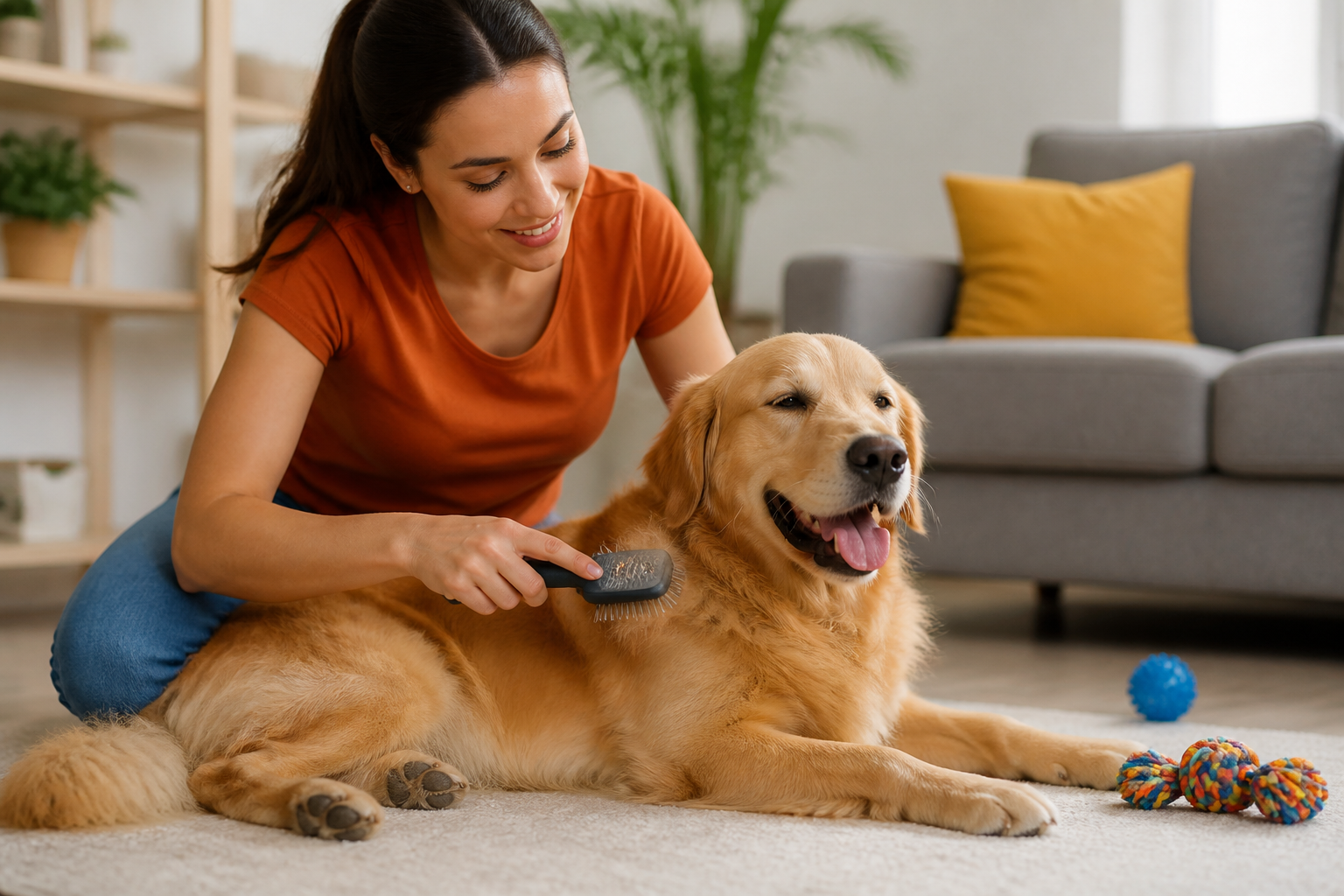
Breeds like Golden Retrievers, Border Collies, and many shepherds have a double coat. This means they have a soft undercoat for insulation and a tougher outer coat for protection. These dogs should be brushed two to three times a week. The undercoat is prone to "blowing out" twice a year, during which daily brushing becomes necessary. If you skip these sessions, the undercoat can become compacted, which is uncomfortable for the dog and difficult to remove.
Long-Haired or Curly Breeds
Dogs with long, flowing hair or curly, wool-like coats require the most commitment. This includes Poodles, Bichon Frises, Yorkies, and Shih Tzus. These breeds should be brushed every single day. Their hair does not shed out like a Lab's hair. Instead, loose hairs get caught in the surrounding coat, quickly forming knots and mats. Once a mat forms close to the skin, it can pull painfully every time the dog moves. For additional guidance, read our guide to grooming a dog with curly hair.
Hairless Breeds
While it sounds strange to talk about brushing a hairless dog, they still require skin maintenance. Breeds like the Chinese Crested do not need a traditional brush, but they do need weekly baths and skin checks. Their pores can become clogged, leading to blackheads or acne. Instead of a brush, use a soft, damp cloth to wipe them down and keep their skin healthy.
Choosing the Right Tools for the Job
Using the wrong brush can make the experience unpleasant for your dog and less effective for you. Our selection at BaxterBoo is curated to ensure you have the right tool for every specific coat need. Browse our dog grooming collection to compare brushes, combs, shampoos, and other grooming supplies.
- Slicker Brushes: These have fine, wire bristles and are great for removing mats and tangles in medium to long-haired dogs.
- Bristle Brushes: Best for short-haired dogs to remove surface debris and add shine.
- Pin Brushes: Similar to a human hairbrush, these are good for finishing long coats without causing static.
- Undercoat Rakes: These reach deep into thick coats to pull out loose undercoat hair without damaging the top layer.
- Rubber Curry Brushes: Perfect for short-haired breeds and for use during baths to massage the skin.
Vet Tip: If you find a mat that is tight against the skin, do not try to cut it out with scissors. It is very easy to accidentally cut a dog's thin skin. Instead, use a de-matting tool or consult a professional groomer.
How Often Do You Brush Your Dog's Teeth?
While coat brushing is what most people think of first, dental hygiene is just as important for your dog's long-term health. Bacteria in the mouth can lead to plaque, which hardens into tartar in as little as 24 to 48 hours. Once tartar forms, it cannot be brushed away and requires a professional cleaning.
Ideally, you should brush your dog's teeth every day. If that is not possible, aim for at least three times a week. Many owners find it easiest to link this to a specific time of day, such as right before bed or after the evening walk. Our dog grooming tools include toothbrushes and other supplies for building a consistent routine.
Quick Answer: Daily dental brushing is the gold standard for preventing periodontal disease. If daily is not possible, three times a week is the minimum required to make a difference in oral health.
Signs of Dental Trouble
Regularly checking your dog's mouth during brushing sessions can help you catch issues early. Contact your veterinarian if you notice any of the following:
- Extremely bad breath (halitosis)
- Red, swollen, or bleeding gums
- Yellow or brown crust near the gum line
- Difficulty eating or dropping food
- Pawing at the mouth or face
Our pharmacy carries a variety of dental health supports through our partnership with Pet's Choice. This includes prescription diets designed to scrub teeth as the dog eats and professional-grade rinses for dogs with advanced needs. Always consult your vet for a diagnosis before starting a new dental health regimen. You can also review warning signs of dental problems in dogs.
Seasonal Changes in Brushing Frequency
The weather in places like Illinois can change drastically, and your dog's coat reacts accordingly. In the spring, dogs "shed out" their heavy winter coats to prepare for the heat. In the fall, they lose their lighter summer coat to make room for thicker insulation.
During these transition periods, you will likely need to double your brushing frequency. A dog that usually needs a weekly brush might need to be brushed every other day for a few weeks. This prevents the "tufting" of hair where clumps of undercoat hang off the dog's body.
Key Takeaway: Be prepared to increase your brushing frequency during the spring and fall to manage seasonal shedding and prevent the undercoat from matting.
Establishing a Positive Brushing Routine
If your dog hides the moment they see the brush, the task becomes a chore for everyone. The goal is to make grooming a calm, rewarding experience.
Step 1: Choose a quiet time.
Wait until your dog is relaxed, perhaps after a long walk or a meal. A tired dog is a more cooperative dog.
Step 2: Start with short sessions.
Begin with just two or three minutes of brushing. Focus on an easy area like the back or sides. Avoid sensitive areas like the belly, ears, or tail in the beginning.
Step 3: Use high-value rewards.
Give your dog a small treat after every few strokes of the brush. You want them to associate the tool with something they love.
Step 4: Gradually increase the duration.
Once your dog is comfortable with short sessions, slowly work your way up to a full-body brush. Eventually, they may even come to enjoy the massage-like feeling of the bristles.
Step 5: Check for skin issues.
Use this time to look for redness, flakes, or unusual lumps. If you find something concerning, a vet visit is the best next step.
When Brushing Is Not Enough
Sometimes, despite your best efforts, your dog's skin or coat might need extra help. Dogs with severe allergies or chronic skin conditions may require specialized care. This is where a hybrid approach to pet care is helpful.
If your dog is constantly itchy, has an unpleasant odor even after a bath, or is losing hair in patches, it could indicate an underlying health issue. We recommend talking to your vet about these symptoms. Through our partnership with Pet's Choice, our pet pharmacy provides access to FDA-approved medications and prescription shampoos for managing these conditions. A medicated shampoo, for example, can soothe inflammation while you work on maintaining the coat through regular brushing.
Bottom line: Brushing is a maintenance tool, but it cannot replace medical treatment for underlying skin or health conditions.
Common Brushing Mistakes to Avoid
Many well-meaning owners make simple mistakes that can lead to skin irritation or poor results.
- Only brushing the top layer: This is common with double-coated dogs. The top looks fine, but the undercoat is a solid mat. Ensure your brush reaches all the way to the skin.
- Brushing a dirty coat: Dirt and grit can be abrasive. If your dog is very muddy, a bath first might be better, provided you have brushed out any existing mats. Never bathe a matted dog, as water can make mats tighten and become impossible to remove.
- Using too much pressure: A dog's skin is thinner than ours. Be gentle, especially with slicker brushes and metal rakes.
- Skipping the "friction" areas: Tangles often start where the collar or harness sits, or where the legs meet the body. These spots need extra attention.
For more bath-related guidance, see our tips on bathing your dog without damaging the coat.
Maintaining Your Tools
To keep your grooming sessions effective, you must care for your brushes. Hair and dander build up in the bristles, which can harbor bacteria or simply make the brush less effective.
- Remove hair after every use.
- Wash brushes occasionally with mild soap and warm water.
- Dry metal brushes thoroughly to prevent rust.
- Replace brushes when pins become bent or bristles become frayed.
A good set of tools can last for years if properly maintained. This is part of the value we provide at BaxterBoo, offering high-quality brands that stand up to regular use.
The Role of Nutrition in Coat Health
What goes into your dog's body is just as important as what you do to the outside. A diet rich in Omega-3 and Omega-6 fatty acids supports a healthy skin barrier and a shiny coat. If you find that your dog's coat is consistently brittle or their skin is very dry despite regular brushing, it might be time to look at their food.
We carry premium brands like Farmina, Orijen, and Open Farm that focus on high-quality ingredients. Many of these brands include natural sources of fatty acids that make your grooming job much easier. A healthy coat tangles less and shines more, making the weekly brush a breeze. You can browse our selection of Orijen products while comparing food options for your dog.
Vet Tip: If you are considering adding a skin and coat supplement to your dog's routine, check with your veterinarian first. They can ensure the supplement is appropriate for your dog's age and health status.
Conclusion
Setting a regular brushing schedule is one of the kindest things you can do for your dog. Whether it is a quick once-over for a short-haired pup or a daily session for a long-haired companion, the time spent grooming strengthens your bond and protects their health. Remember to adjust your frequency during shedding seasons and never neglect the importance of dental brushing. We are proud to offer everything you need to keep your pet looking and feeling their best, from professional-grade brushes to our fully stocked pharmacy for your more complex health needs.
- Brush short coats weekly and long coats daily.
- Use the correct tool for your dog's specific hair type.
- Integrate dental brushing as a daily habit.
- Consult a vet if you notice skin abnormalities or dental pain.
Bottom line: A consistent grooming routine prevents pain, manages mess, and helps your dog live a more comfortable life.
Explore our dog brush and comb selection to find the perfect fit for your dog's routine. If your pet needs prescription support for skin or dental issues, our pharmacy and Pet's Choice partnership are here to help you provide the best care possible.
FAQ
What happens if I never brush my dog's coat?
If you skip brushing, loose hair will build up and eventually form mats. These mats trap moisture and bacteria against the skin, which can lead to painful infections and hotspots. For long-haired breeds, the lack of grooming can even restrict their movement if the mats become severe enough to pull on the limbs.
Can I use a human hairbrush on my dog?
Human hairbrushes are generally not effective for most dog coats. They are often too soft to reach through a thick undercoat or too harsh for a dog's sensitive skin. Specialty dog brushes, like slickers or rakes, are designed to handle the specific texture and density of canine fur without causing discomfort.
Do short-haired dogs really need to be brushed?
Yes, short-haired dogs still benefit from weekly brushing. While they do not get tangles, they do shed, and brushing helps remove the loose hair before it ends up on your furniture. It also massages the skin and helps distribute oils that keep their coat healthy and shiny.
How do I stop my dog from biting the brush during grooming?
Many dogs bite the brush because they are nervous or think it is a toy. Try using a "distraction treat" like a lick mat with a bit of peanut butter to keep their mouth busy while you brush. Keep the sessions very short and stop before your dog becomes frustrated, always ending on a positive note.






