
 Save 15% on your 1st Autoship learn more

 Email us
 Live Chat
 FAQs
FAQs





Introduction
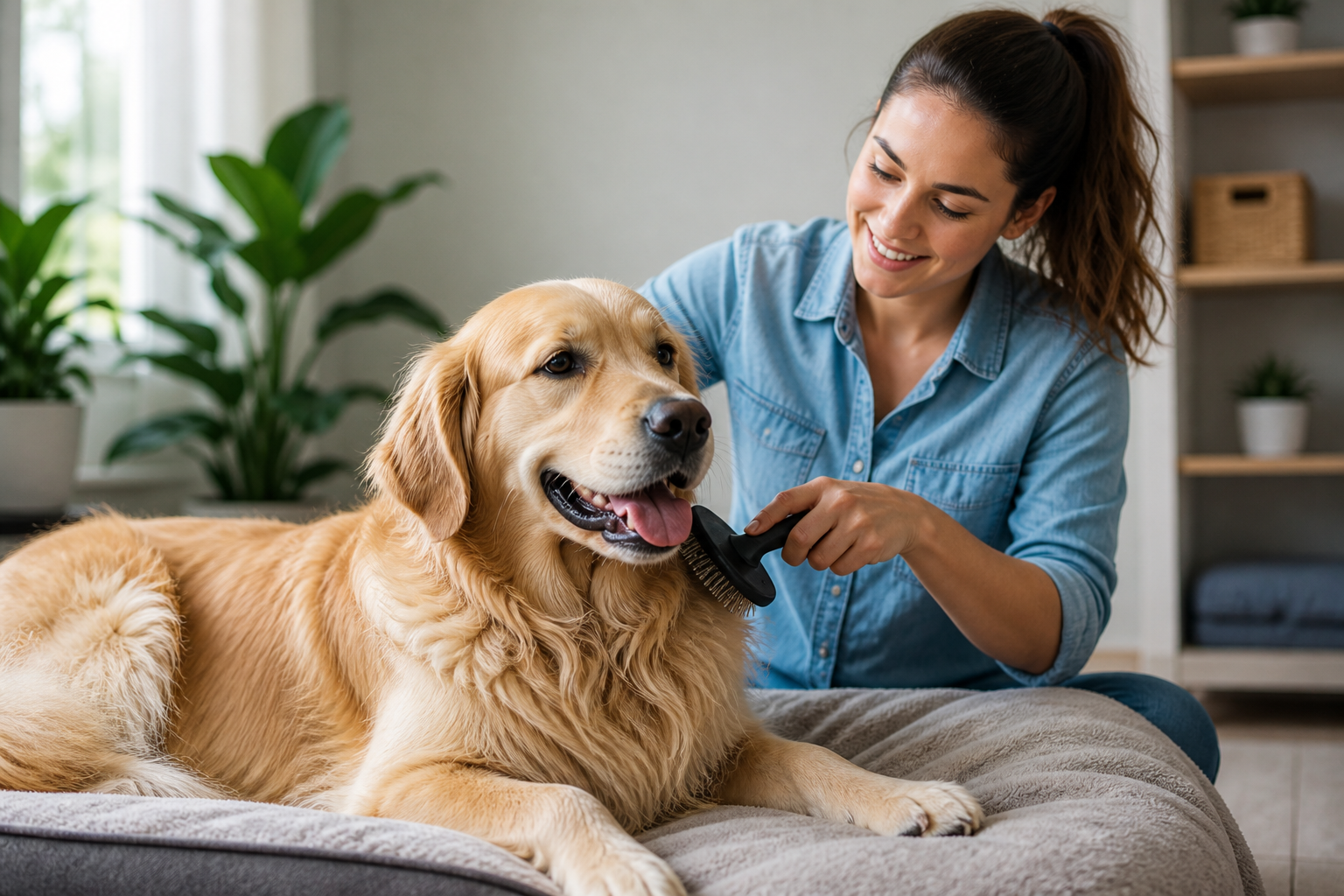
You are sitting on the rug and reach down to pet your dog. Instead of smooth fur, your fingers catch on a tangled knot behind their ear. Or perhaps you notice a thick layer of "dog glitter" on your couch that seems heavier than usual. Knowing how often should you brush a dog can prevent these messy surprises and keep your pet comfortable. At BaxterBoo, we know that grooming is about more than just looks. It is a vital part of your dog’s overall health and well-being. This post covers the specific brushing schedules for different coat types and how to manage dental care. We will also discuss the right tools for the job. Regular brushing keeps your dog comfortable and helps you spot skin issues before they become serious problems.
The Short Answer on Brushing Frequency
Quick Answer: Most dogs benefit from brushing at least once a week. However, dogs with long hair or thick undercoats often need daily brushing to prevent painful mats. Short-haired breeds can stick to a weekly schedule to remove loose fur and distribute natural skin oils.
The frequency of your brushing routine depends on several factors. Your dog’s breed, coat type, and activity level all play a role. A dog that spends all day hiking through brush will need more attention than a dog that spends most of its time indoors. Seasonality also matters. Many dogs "blow their coats" twice a year. During these times, you may need to brush every single day to keep the shedding under control.
Brushing by Coat Type
Every dog has a unique coat. Understanding what your dog specifically needs will save you time and keep them happy. Using the wrong schedule for a specific coat type can lead to skin irritation or severe matting.
Short and Smooth Coats
Dogs like Labradors, Boxers, and Beagles have short, sleek hair. You might think they do not need brushing at all. This is a common mistake. These dogs still shed. Their hair is often stiff and can weave itself into your furniture.
For short-haired dogs, brushing once or twice a week is usually enough. The goal here is not to untangle knots. Instead, you are removing dead hair before it falls out. Brushing also moves natural oils across the skin. This gives the coat a healthy shine. A rubber grooming mitt or a soft bristle brush works best for these breeds.
Double Coats
Huskies, German Shepherds, and Golden Retrievers have a soft undercoat and a tougher outer coat. This undercoat is what keeps them warm in the winter and cool in the summer. It also makes a lot of a mess.
You should brush double-coated dogs at least two to three times per week. During the spring and fall, you should increase this to daily brushing. If you ignore the undercoat, it can become "impacted." This means the dead hair gets trapped against the skin. It prevents air from circulating. This can lead to hot spots and skin infections.
For more guidance on seasonal shedding and undercoat care, read this guide to managing shedding in double-coated dogs.
Long or Silky Coats
Breeds like Yorkies, Shih Tzus, and Afghan Hounds have hair that grows continuously. This hair is very fine. It can tangle if your dog just walks across the room.
These dogs require daily brushing. Even skipping two days can lead to small knots. These knots quickly turn into mats. Mats are not just ugly. They pull on the skin every time your dog moves. This causes constant pain. If your dog has long hair, a daily five-minute brush is much better than a long, stressful session once a week.
Wire and Curly Coats
Terriers often have wire coats that feel rough. Poodles and Doodles have curly hair that traps shed fur inside the curls.
Wire-haired dogs should be brushed two to three times a week. Curly-coated dogs usually need daily attention. Because their hair does not fall out on its own, it stays trapped in the coat. This leads to massive mats that often require a professional to shave off.
For additional curly-coat care, see our guide to grooming curly-haired dogs.
Key Takeaway: Brushing frequency is dictated by coat texture and length rather than the size of the dog. Daily brushing is the gold standard for long-haired or curly-haired breeds to avoid the need for aggressive shave-downs.
Why Regular Brushing Matters for Health
Brushing is a form of a home health exam. When you brush your dog, you are looking at their skin. You are feeling their body for things that should not be there.
- Spotting Pests: You can see fleas or ticks before they cause an infestation.
- Finding Lumps: Early detection of skin tumors or cysts can save lives.
- Checking for Irritation: You might notice redness or dry skin caused by allergies.
- Bonding Time: Most dogs learn to love the attention of a calm brushing session.
When you find something unusual, it is important to act fast. Our pet pharmacy carries medications and prescription pet foods. If your dog has chronic skin issues, your vet might prescribe a special shampoo or medication. Having a pharmacy you can trust makes managing these conditions much easier.
Vet Tip: If you notice red bumps, bald spots, or an unusual smell during your brushing routine, consult your veterinarian. These can be signs of skin infections or allergies that may require prescription treatment from our pharmacy.
Selecting the Right Tools
You cannot use the same brush for a Greyhound that you use for a Poodle. Using the wrong tool can actually hurt your dog’s skin. At BaxterBoo, we carry a wide variety of grooming supplies from trusted brands like Kong and RC Pets. You can explore our dog grooming supplies to find brushes, combs, shampoos, and other essentials.
The Bristle Brush
This is a good all-around tool. It works well for short-haired dogs. The bristles remove surface dirt and add shine.
The Slicker Brush
This brush has fine, short wires close together. It is designed for long-haired dogs and those with curly coats. It is excellent at removing mats and tangles. You must be gentle with a slicker brush so you do not "brush burn" the skin.
The Pin Brush
This looks like a human hairbrush. It usually has metal pins with rounded tips. It is best for dogs with long, silky hair. It helps separate the hair without pulling too hard.
De-Shedding Tools
Tools like the Kong ZoomGroom are made of rubber. They are fantastic for short-haired dogs. They act like a magnet for loose fur. For double-coated dogs, you may need a specialized undercoat rake. This reaches through the top layer to pull out the dead fluff underneath.
Brushing the Teeth: The Other Vital Routine
When people ask how often they should brush a dog, they are usually thinking of the coat. However, dental brushing is just as critical. Many dogs suffer from periodontal disease by the age of three.
Ideally, you should brush your dog's teeth every day. Plaque begins to harden into tartar within 24 hours. If you cannot do it daily, aim for at least three times per week. For more information about warning signs and home care, read this guide to dog dental health.
Step 1: Get your dog used to the taste of dog-safe toothpaste. Never use human toothpaste. It contains ingredients like xylitol that are toxic to dogs.
Step 2: Let them lick the paste off your finger.
Step 3: Gradually introduce a finger brush or a long-handled dog toothbrush.
Step 4: Focus on the outside of the teeth where the lips rub. Use gentle, circular motions.
If your dog already has heavy tartar buildup, brushing will not remove it. They may need a professional cleaning from a vet. For ongoing maintenance, our pharmacy offers prescription dental diets that can help keep teeth clean between brushings.
Brushing Through the Life Stages
A dog’s grooming needs change as they age. A puppy has different requirements than a senior dog.
Puppies
Start brushing your puppy the day you bring them home. Even if they do not have much hair yet, you are training them. You want them to think brushing is a normal, happy part of life. Keep sessions very short. Give them plenty of treats. Touch their paws, ears, and tail often. This makes future vet visits and professional grooming much easier.
Adult Dogs
This is when you establish your long-term routine. Consistency is the most important factor here. If you have a high-shedding breed, consider using our Autoship programme for de-shedding shampoos or skin supplements. This ensures you never run out of the supplies you need to keep your house clean.
Senior Dogs
Older dogs often have thinner skin. They may also have arthritis. This makes standing for long grooming sessions painful. Be very gentle. Use softer brushes. You might need to brush them while they are lying down. Check for new lumps and bumps even more frequently during these sessions.
For more routine-care ideas for older dogs, read this dog paw and grooming care guide.
Brushing Frequency Comparison Table
| Coat Type | Recommended Frequency | Primary Tool |
|---|---|---|
| Short / Smooth | 1–2 times per week | Rubber mitt or bristle brush |
| Double Coat | 2–3 times per week (Daily in shed season) | Undercoat rake and slicker brush |
| Long / Silky | Daily | Pin brush and metal comb |
| Curly / Wool | Daily to every other day | Slicker brush |
| Wire Coat | 2–3 times per week | Slicker brush or bristle brush |
Common Brushing Mistakes to Avoid
Even well-meaning pet owners can make mistakes that lead to a poor grooming experience. Avoiding these pitfalls will make the process better for everyone.
Mistake 1: Brushing only the top layer.
With thick coats, it is easy to just brush the surface. This leaves mats hidden underneath near the skin. Use the "line brushing" technique. Part the hair with one hand and brush from the skin outward.
Mistake 2: Brushing a dry coat.
If your dog has a very long or curly coat, brushing it while completely dry can cause the hair to break. It can also create static. Use a light grooming spray or a leave-in conditioner to provide "slip." This makes untangling much easier.
Mistake 3: Waiting until there is a problem.
Do not wait until you see a mat to start brushing. Brushing is a preventive measure. Once a mat forms, it is much harder to remove.
Mistake 4: Making it a chore.
If you are stressed or in a rush, your dog will pick up on that energy. They might start to hide when they see the brush. Keep the mood light. Use praise and rewards to keep it a positive experience.
Managing the Mess: Shedding Tips
If you are brushing as often as you should, you will notice a lot of hair coming off. This is a good thing. Every hair in the brush is a hair that is not on your carpet.
- Brush Outside: If the weather is nice, take the grooming session to the backyard. The birds will even use the fur for their nests.
- Use a Damp Cloth: After brushing a short-haired dog, wipe them down with a damp cloth. This catches the tiny loose hairs that the brush might have missed.
- High-Quality Diet: Healthy skin starts from the inside. Foods rich in Omega-3 fatty acids can reduce excessive shedding. Brands like Stella and Chewy's or Open Farm offer great options for skin and coat health.
Bottom line: Consistent brushing is the most effective way to manage shedding and maintain skin health.
When to See a Professional
Even with a perfect home routine, some dogs still need professional help. If your dog becomes severely matted, do not try to cut the mats out with scissors. Dog skin is very thin and easy to cut. A professional groomer has the right clippers to safely remove the hair.
You might also seek a professional if your dog is extremely aggressive or fearful during grooming. They have the experience and equipment to keep the dog safe. However, home maintenance is still required between those appointments. A professional cannot fix months of neglect in a single afternoon.
Conclusion
Determining how often should you brush a dog depends on your pet’s specific coat and lifestyle. For most, a weekly session keeps the coat shiny and the skin healthy. For long-haired and curly breeds, daily attention is necessary to prevent painful tangles. Remember that brushing is not just for the fur. Daily dental brushing is a cornerstone of a long, healthy life. We are here to help you every step of the way with a wide selection of brushes, shampoos, and pharmacy needs. By staying consistent, you turn a chore into a rewarding bonding experience that keeps your best friend feeling their best.
- Brush short coats once a week to remove dead hair and move skin oils.
- Brush double coats and long coats more frequently to prevent mats.
- Introduce tooth brushing early to avoid dental disease and tartar.
- Use your brushing time to check for any new lumps, bumps, or pests.
- Sign up for the MVP Rewards programme to earn back on your favorite grooming supplies.
Key Takeaway: Regular brushing is the simplest and most effective way to monitor your dog's health and prevent avoidable pain from mats or dental disease.
FAQ
Can I brush my dog too much?
It is possible to over-brush if you use a tool that is too abrasive for your dog's skin type. If you notice redness, skin irritation, or your dog seems in pain, you may be using too much pressure or the wrong brush. For most coat types, a gentle daily brushing is safe and beneficial as long as you use the correct tools.
What should I do if my dog hates being brushed?
Start with very short sessions, even just thirty seconds, and pair the brush with high-value treats. Let them sniff the brush first and reward them for staying calm. Gradually increase the time as they become more comfortable, and always stop before they get too stressed.
Does brushing help with dog allergies?
Yes, regular brushing can help dogs with environmental allergies by removing pollen, dust, and other allergens from their fur. For dogs with severe skin allergies, your veterinarian may also recommend prescription shampoos or medications, which are available through our pharmacy.
Should I brush my dog before or after a bath?
You should always brush your dog before a bath, especially if they have long hair or mats. Water can cause existing tangles to shrink and tighten, making them nearly impossible to remove once the dog is dry. Brushing after the bath, once the coat is dry, is also helpful for a final finish.






