
 Save 15% on your 1st Autoship learn more

 Email us
 Live Chat
 FAQs
FAQs





Introduction
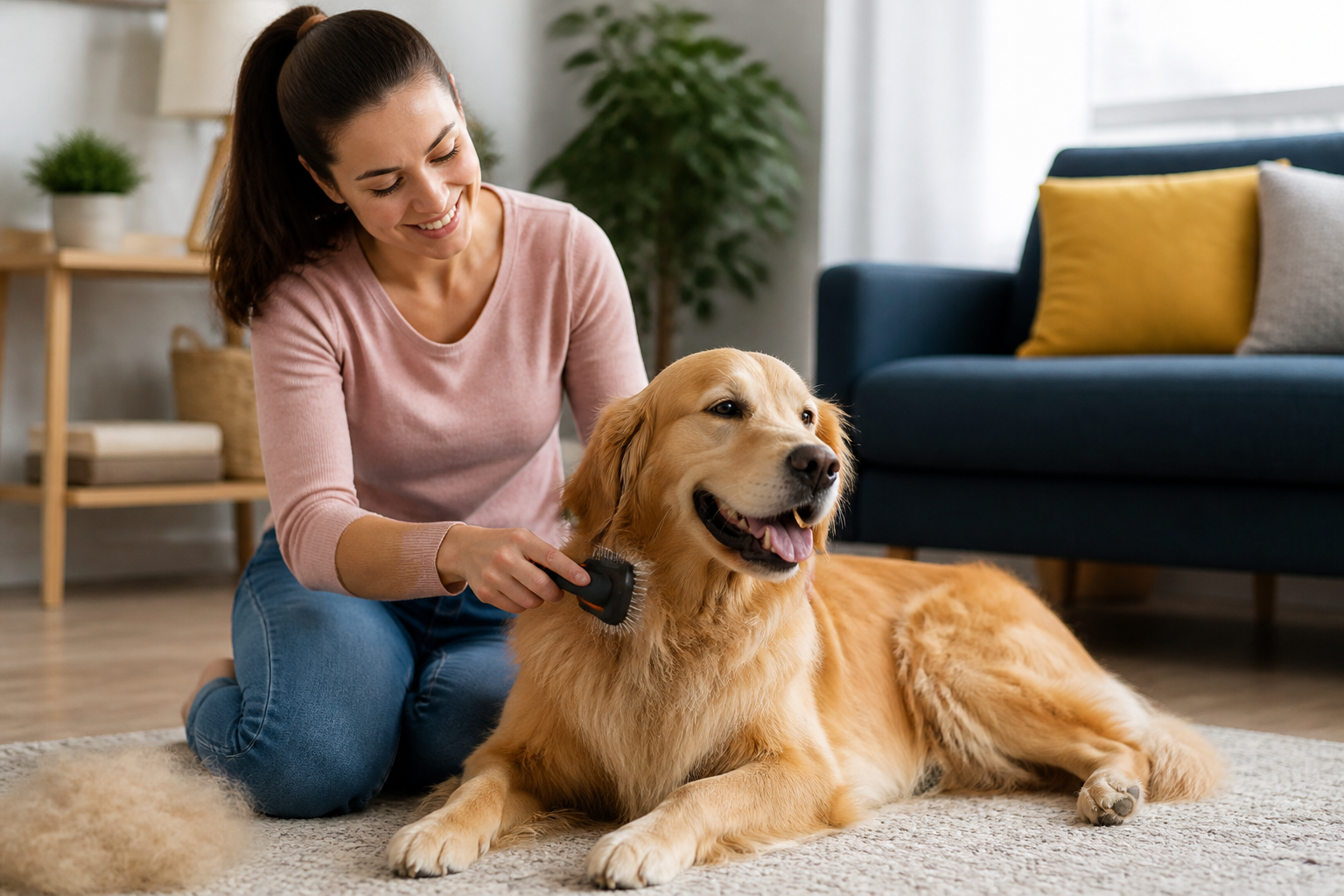
You reach for your morning coffee and notice a fine layer of Golden Retriever glitter floating on the surface. By noon, fur tumbleweeds are migrating across the hardwood floors despite your best efforts with the vacuum. Dealing with a shedding dog is a full time job for many pet owners, especially during the peak seasons of spring and autumn when coats seem to explode overnight. At BaxterBoo, we know that the right grooming routine is the difference between a house covered in hair and a manageable living space. This post will walk you through exactly how often to reach for the brush, which tools actually work for different coat types, and how to spot when shedding is more than just a seasonal shift. Understanding your dog's unique coat needs is the first step toward a cleaner home and a healthy pup.
Understanding the Science of Shedding
Before you can build a grooming schedule, you need to understand why your dog is dropping hair in the first place. Shedding is a natural, healthy process where old or damaged hair falls out to make room for new growth. This process is governed by several factors, including genetics, daylight hours, and the environment inside your home.
Most dogs go through a four phase hair growth cycle. First is the growth phase, where the hair actively emerges from the follicle. This is followed by the transition phase, where growth stops and the hair reaches its full length. The resting phase comes next, where the hair stays attached but is essentially dead. Finally, the shedding phase occurs when the hair detaches and falls out.
For many breeds, this cycle hits a peak twice a year. This is often called blowing the coat. In the spring, dogs shed their thick winter undercoat to prepare for warmer weather. In the autumn, they shed their lighter summer coat to make room for heavy insulation. However, because our pets live in temperature controlled homes with artificial lighting, many dogs now shed moderately all year round. For more seasonal shedding insight, read about how Australian Shepherds shed.
Quick Answer: Most shedding dogs benefit from being brushed 2 to 3 times per week. However, heavy shedders or dogs with double coats may require daily brushing during peak seasonal changes to prevent matting and control indoor messes.
Brushing Frequency by Coat Type
Not every dog requires the same level of maintenance. The frequency of your grooming sessions should be dictated primarily by the type of coat your dog wears. We see a wide variety of coat textures in our Vernon Hills warehouse, and each one needs a specific approach.
Double Coated Dogs
Breeds like Huskies, German Shepherds, Labradors, and Golden Retrievers have a dense undercoat protected by a coarser topcoat. These dogs are the champions of shedding.
During the off season, you should brush these dogs at least three times a week. When they are blowing their coat in the spring and fall, daily brushing is almost mandatory if you want to keep the hair off your furniture. Brushing these breeds helps pull the dead undercoat out before it can tangle with the guard hairs.
Smooth Coated Dogs
Short haired breeds like Boxers, Pointers, and Dobermans may seem like low maintenance options, but they still shed. Their hairs are often stiff and needle like, which means they can weave themselves into fabric and upholstery.
For smooth coats, once or twice a week is usually sufficient. Because their skin is more exposed, you must be careful not to use harsh metal tools that could cause irritation. A rubber curry brush is perfect for these breeds because it massages the skin while attracting loose hair like a magnet.
Wire Coated Dogs
Terriers often have wire coats that do not shed in the traditional sense. Instead, the hair dies and stays in the follicle. While they drop less hair around the house, they still need regular attention to keep the coat healthy. Brushing two times a week helps remove the dead hair and keeps the texture of the coat crisp.
Long Coated Dogs
Breeds with long, silky hair like Shih Tzus or Setters require frequent brushing to prevent tangles. Even if they are not heavy shedders, the length of the hair means that any loose strands will quickly turn into mats. Aim for daily brushing or every other day to keep their coat flowing and debris free.
| Coat Type | Recommended Frequency | Peak Season Frequency |
|---|---|---|
| Double Coat | 3 times per week | Daily |
| Smooth Coat | 1 to 2 times per week | 3 times per week |
| Wire Coat | 2 times per week | 2 times per week |
| Long/Silky Coat | Daily or every other day | Daily |
Selecting the Right Grooming Tools
Using the wrong brush is a common mistake that leads to frustration for both you and your dog. If you use a brush that only touches the top layer of a double coated dog, you are leaving the entire undercoat to rot and mat. We carry over 500 brands, including top tier grooming names, to ensure you have the right gear for your specific breed. Start by exploring our dog grooming supplies.
Slicker Brushes
A slicker brush has fine, short wires closely spaced on a flat or curved surface. It is the workhorse of the grooming world. It is excellent for removing tangles and smoothing the coat. Use this on medium to long haired dogs. Brands like Kong and RC Pets offer versions that are ergonomic and easy on your wrists. You can compare options in our dog brushes and combs collection.
Undercoat Rakes
If you have a heavy shedder, an undercoat rake is your best friend. These tools have long, metal tines designed to reach through the topcoat and pull out the loose fluff underneath. They are essential for breeds with thick manes or dense haunches.
Rubber Curry Brushes
The Kong ZoomGroom is a classic example of this tool. It is made of soft rubber and works beautifully on short haired dogs. You can also use it in the bathtub to work shampoo deep into the coat, which helps loosen dead hair during the washing process. The KONG Zoom Groom Natural Rubber Dog Grooming Brush is designed for wet or dry use.
Bristle Brushes
For dogs with very short hair or for finishing a grooming session on a longer coat, a bristle brush adds shine. It helps distribute natural skin oils across the hair shaft, which keeps the coat looking healthy and vibrant.
Key Takeaway: Match your tool to your dog's coat depth. Undercoat rakes are for depth, slickers are for tangles, and rubber brushes are for surface hair and skin massage.
How to Brush Your Dog Like a Pro
The way you brush matters just as much as how often you do it. A rushed or aggressive grooming session can cause brush burn, which is a painful skin irritation. Follow these steps to make the process comfortable for your pet.
Step 1: Inspect the skin. / Before you start, run your hands over your dog's body. Look for lumps, bumps, or red spots that might need a vet's attention.
Step 2: Start at the head and move back. / Work in the direction of hair growth. Begin at the neck and move toward the tail, then down the legs.
Step 3: Use the "line brushing" technique for thick coats. / Hold the hair up with one hand and brush the hair underneath. This ensures you are reaching the skin and not just skimming the surface.
Step 4: Be gentle around sensitive areas. / The belly, ears, and back of the legs are tender. Use lighter pressure and a softer brush in these spots.
Step 5: Reward and praise. / Give your dog high quality treats throughout the process. Brands like Stella and Chewy's or The Honest Kitchen offer small, tasty bites that make grooming a positive experience.
Vet Tip: If you notice your dog flinching or if the skin looks bright pink after brushing, you may be using too much pressure. Always check the skin for signs of irritation, and consult your veterinarian if you see persistent redness, sores, or bald patches.
Reducing Shedding with Proper Bathing
While brushing is the primary way to manage hair, a strategic bath can do wonders for a shedding dog. Water and high quality shampoo help "release" the dead hair that is stuck in the coat. For additional bathing guidance, review these dos and don'ts for bathing your dog.
We recommend using a deshedding shampoo and conditioner once every four to six weeks. These formulas are often packed with omega fatty acids and proteins that strengthen the hair shaft and moisturize the skin. Look for brands like Zesty Paws or specialized grooming formulas that avoid harsh chemicals.
When bathing a heavy shedder, always use a conditioner. The conditioner helps the dead hair slide out more easily during the drying process. After the bath, use a high velocity dryer or a towel to vigorously dry the dog. You will likely see a large amount of hair fall out during this stage. This is normal and actually means the bath did its job.
Note: Never brush a soaking wet dog with a metal rake or slicker, as wet hair is more prone to breaking and the skin is more sensitive when damp. Wait until the coat is about 80 percent dry before doing a final brush out.
Nutrition and Supplements for Coat Health
A dog that sheds excessively or has a dull, brittle coat may be missing key nutrients in their diet. The skin is the largest organ of the body, and it requires a significant amount of protein and healthy fats to stay in top shape.
Consider the ingredients in your dog's food. Premium brands like Farmina, Orijen, and Acana focus on high protein content and healthy fats that support skin elasticity. If your dog has a sensitive stomach or skin allergies, we often recommend looking at limited ingredient diets from brands like NutriSource or PureVita. Browse our dog food selection when reviewing everyday nutrition options.
Supplements can also play a major role in coat management. Fish oil, which is rich in Omega-3 fatty acids, is one of the most effective ways to reduce inflammation in the skin and strengthen the hair. Zesty Paws and Honest Paws offer excellent supplement options that many of our customers in Vernon Hills swear by.
If your dog is experiencing severe skin issues alongside shedding, such as constant itching or hot spots, it might be time to look into prescription options. Our pet pharmacy carries prescription products and prescription diets like Royal Canin Veterinary Diet or Farmina Vet Life. These can address underlying medical issues that over the counter food cannot solve.
When Shedding is a Sign of a Medical Issue
It is important to distinguish between normal seasonal shedding and hair loss caused by a health condition. If your dog is losing hair in patches or has symmetrical hair loss on both sides of their body, this is not normal shedding.
Common medical causes for excessive hair loss include:
- Hormonal imbalances such as hypothyroidism or Cushing's disease.
- Skin parasites like fleas, ticks, or mange mites.
- Environmental or food allergies.
- High stress or anxiety levels.
- Nutritional deficiencies.
If you notice your dog's skin looks blackened, thickened, or has a strong odor, a trip to the vet is necessary. Our pharmacy can help fulfill prescriptions for flea and tick prevention like NexGard or Frontline, which are often the first line of defense against skin irritation.
Key Takeaway: Normal shedding is uniform across the body. Abnormal shedding often leaves bald spots, thinning areas, or irritated skin.
Managing the Mess: Home Care Tips
Even with a perfect grooming routine, some hair will inevitably end up on your floors. To keep your home clean, consider these practical tips from our team at BaxterBoo.
First, use washable covers on your furniture. It is much easier to throw a cover in the wash once a week than to try and vacuum a fabric sofa. Second, choose your flooring wisely if you are a multi pet household. Hardwood and tile are easier to manage than deep pile carpets.
Finally, keep a lint roller by the door. We carry various travel gear and cleaning supplies that make it easier to manage pet hair on the go. Explore our cleaning and waste supplies for products that can help with household messes. If you find yourself constantly reordering grooming supplies, our Autoship programme is a great way to save money and ensure you never run out of shampoo or brushes. Plus, you get a free MVP Gold membership with your first Autoship order.
Conclusion
Managing a shedding dog does not have to be a losing battle. By establishing a consistent brushing routine tailored to your dog's coat type, you can significantly reduce the amount of fur in your home. Remember that internal health is just as important as external grooming. Providing high quality food and supplements ensures that the hair your dog does keep is strong and shiny.
If you are dealing with a heavy shedding season right now, start with a high quality undercoat rake and a schedule of three sessions per week. If the shedding seems excessive or is accompanied by itching, reach out to your veterinarian to rule out underlying health issues. For all your grooming needs, from slicker brushes to prescription skin diets, we are here to help.
Check out our full collection of grooming supplies and supplements to get started on your journey to a hair free home.
Bottom line: Consistency is the secret to managing shedding; a ten minute brush every other day is more effective than a two hour session once a month.
FAQ
Can I shave my double coated dog to stop the shedding?
We strongly recommend against shaving a double coated dog. The undercoat actually helps regulate your dog's temperature in both heat and cold, and shaving it can permanently damage the coat's texture. Furthermore, a shaved dog is more susceptible to sunburn and skin cancer.
Why is my dog shedding so much in the middle of winter?
Most dogs shed year round because they live in heated homes with artificial lighting, which confuses their natural biological clock. If the shedding is extreme, ensure your home's humidity isn't too low, as dry air can lead to dry skin and increased hair loss.
Does a deshedding tool like the FURminator hurt the dog?
When used correctly, deshedding tools are not painful and most dogs enjoy the sensation. However, you must avoid using too much pressure or going over the same spot too many times, which can cause skin irritation known as brush burn. Always follow the manufacturer's instructions for the specific tool you are using.
Will giving my dog extra baths help with shedding?
Bathing can help loosen dead hair, but too much bathing can strip the skin of essential oils, leading to dryness and even more shedding. Aim for a bath once every 4 to 6 weeks using a moisturizing or deshedding shampoo to keep the skin healthy without over drying it.






