
 Save 15% on your 1st Autoship learn more

 Email us
 Live Chat
 FAQs
FAQs





Introduction
You are relaxing on the sofa when you notice a small tumbleweed of fur rolling across the hardwood floor. Or perhaps you reach down to scratch your dog behind the ears and feel a stubborn, tight knot that was not there yesterday. These moments are a standard part of life for any pet owner. We know that grooming is about more than just looking good for the neighbors. It is a fundamental part of your dog's physical health. At BaxterBoo, we have spent years helping owners find the right tools for every kind of coat. This article covers the specific brushing needs for different breeds and why dental brushing is just as vital as fur care. Our goal is to help you build a routine that keeps your pet comfortable and your home a little bit cleaner.
Quick Answer: Most dogs benefit from brushing two to three times per week. However, long-haired or double-coated breeds often require daily attention to prevent painful matting. Short-haired breeds may only need a quick weekly session to remove loose hair and distribute skin oils.
Understanding Your Dog's Specific Coat Type
The answer to how often you should brush your dog depends mostly on the hair they were born with. Every breed has a different growth cycle and texture. If you treat a Siberian Husky's coat the same way you treat a Boxer's coat, you will quickly end up with a mess of mats and skin irritation.
Short-Haired Breeds
Short-haired dogs like Beagles, Labradors, and Pugs are often called "wash and wear" breeds. While they do not get tangles, they do shed. Brushing these dogs once a week is usually enough. This session is less about detangling and more about removing dead hair before it lands on your furniture. It also helps spread natural oils across the skin. This keeps the coat shiny and healthy.
Medium and Double-Coated Breeds
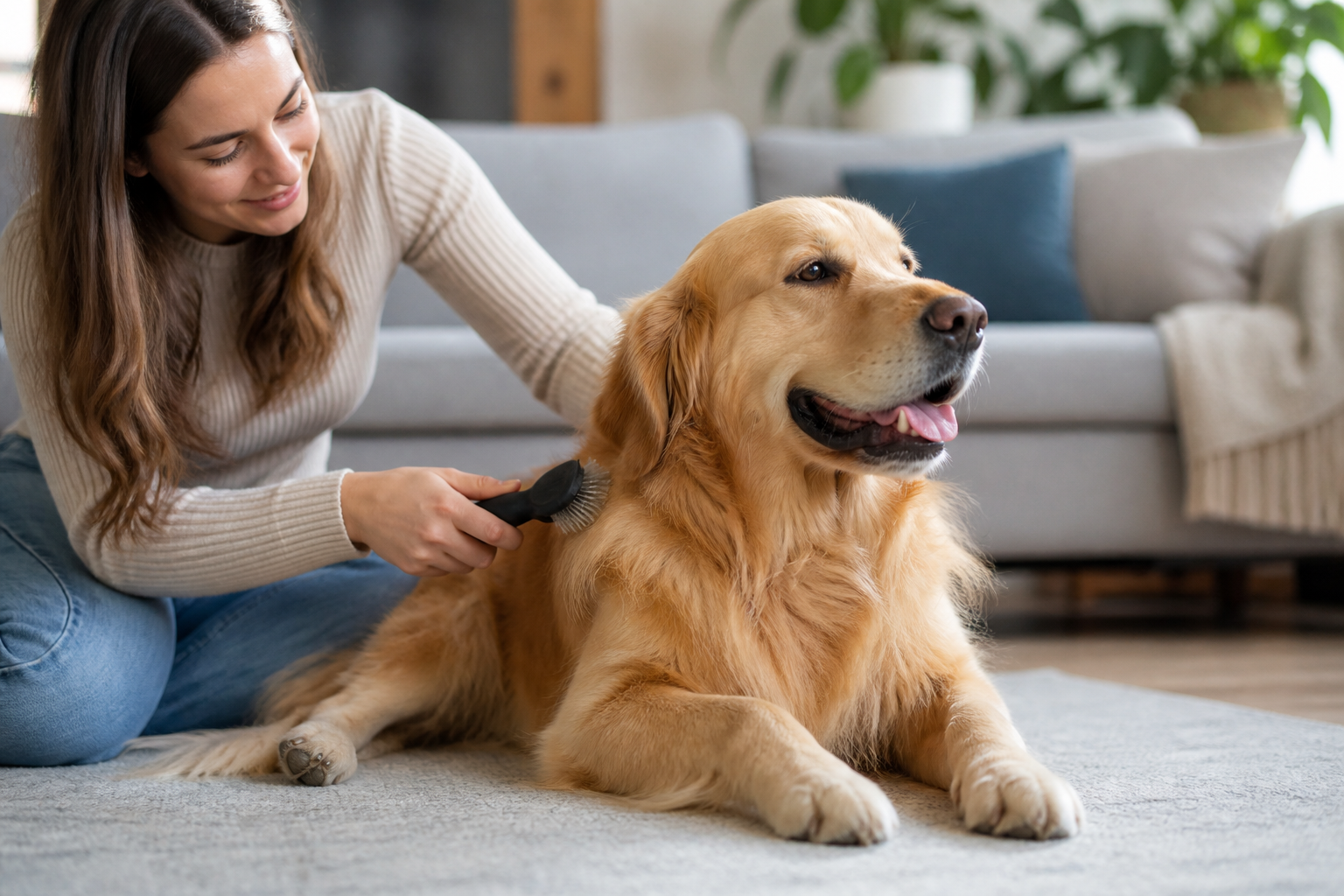
Dogs with double coats have a soft undercoat for insulation and a tougher outer coat for weather protection. Examples include Golden Retrievers and German Shepherds. These dogs need brushing at least three times a week. During shedding season in the spring and fall, you may need to brush them every single day. The undercoat can become trapped under the top coat. This leads to heavy shedding and skin hot spots if the dead hair is not removed.
Long-Haired and Silky Coats
Breeds like Yorkshire Terriers, Shih Tzus, and Afghan Hounds have hair that is very similar to human hair. It grows continuously and tangles easily. For these dogs, daily brushing is almost always necessary. If you skip even two days, small knots can form near the friction points like the armpits and behind the ears. These knots can tighten into mats that are impossible to brush out.
Curly and Non-Shedding Breeds
Poodles, Bichon Frises, and various "Doodle" mixes are often described as non-shedding. This is a bit of a myth. They do shed, but the loose hair gets trapped in their tight curls instead of falling to the floor. Because of this, they need brushing every day or every other day. If the trapped hair is not brushed out, it creates a solid felt-like mat close to the skin. This can be very painful and may require a professional to shave the dog down. For additional guidance, see our guide on grooming curly-haired dogs.
Key Takeaway: Always match your brushing frequency to the hair length and texture. When in doubt, more frequent sessions are better than fewer. This prevents mats from forming in the first place.
The Seasonal Shift in Grooming Needs
Many dogs go through a process called "blowing coat" twice a year. This usually happens in the spring as they lose their heavy winter undercoat and in the fall as they prepare for colder weather. During these windows, your brushing frequency must increase.
If you usually brush twice a week, move to a daily schedule for about fourteen days. This helps the dog regulate their temperature more effectively. It also prevents the skin from becoming itchy and irritated by the massive amount of loose fur. We carry several dog brushes and grooming tools that are designed specifically for these high-shedding seasons. Using a tool like a de-shedding rake can make this process much faster.
Checklist for Shedding Season
- Increase brushing frequency to once a day.
- Use an undercoat rake to reach the deep layers of fur.
- Check for skin redness or flakes that might indicate irritation.
- Use a high-quality shampoo during baths to help loosen the dead hair.
- Reward your dog with treats to make the extra grooming sessions positive.
Why Dental Brushing Is a Daily Necessity
When people ask how often they should brush their dog, they are usually thinking about fur. However, brushing a dog's teeth is just as important for their longevity. Dental disease is one of the most common health problems in adult dogs. Ideally, you should brush your dog's teeth every single day.
Plaque begins to turn into hard tartar in as little as 24 to 48 hours. Once tartar forms, you cannot brush it away with a toothbrush. It requires a professional veterinary cleaning. Daily brushing prevents this buildup and protects your dog's internal organs. Bacteria from the mouth can enter the bloodstream and cause issues with the heart, liver, and kidneys. For more information, read our guide to warning signs of dental disease in dogs.
Vet Tip: If your dog has persistent bad breath, bleeding gums, or difficulty eating, consult your veterinarian. These are often signs of advanced dental disease that requires professional care rather than just home brushing. Our pharmacy, through our partnership with Pet's Choice, provides access to prescription dental diets and medications that can help manage chronic oral health issues.
Essential Tools for an Effective Routine
You cannot use the same brush for every dog. Having the right equipment makes the job easier for you and more comfortable for your pet.
The Slicker Brush
This is the workhorse of the grooming world. It has fine wire bristles that are slightly angled. It is excellent for removing mats and tangles in medium to long-haired dogs. Use a gentle touch to avoid scratching the skin.
The Bristle Brush
This is best for short-haired breeds. It uses natural or synthetic bristles to smooth the coat and remove surface dust. It is very gentle and feels like a massage for most dogs.
The Pin Brush
A pin brush looks like a standard human hairbrush. It is best for dogs with long, silky hair. It helps separate the strands without breaking them.
Rubber Curry Combs
These are perfect for short-haired dogs and for use during bath time. The rubber nubs massage the skin and pull away loose hair. They are also great for dogs that are sensitive to the feeling of wire brushes.
Bottom line: Investing in the right brush for your dog's specific coat type will save you time and keep your pet's skin healthier over the long term.
Step-by-Step Guide to a Successful Brushing Session
If your dog is not used to being brushed, you should start slowly. The goal is to make it a relaxing bonding experience.
Step 1: Choose a quiet time. / Pick a moment when your dog is already calm and relaxed. Do not try to brush them right after a high-energy play session.
Step 2: Let them sniff the brush. / Place the tool on the floor and let your dog investigate it. Give them a treat so they associate the brush with something good.
Step 3: Start with a few gentle strokes. / Begin on the back or the sides where the dog is less sensitive. Avoid the belly, tail, and face at first.
Step 4: Gradually move to sensitive areas. / Once the dog is comfortable, move to the legs and the areas behind the ears. These are the places most likely to have knots.
Step 5: Reward and praise. / End the session with a high-value treat like those from our dog treats collection. This ensures they will be happy to see the brush next time.
Managing Mats and Skin Health
Sometimes, despite our best efforts, mats happen. This often occurs in high-friction areas like where a harness or collar sits. Never try to cut a mat out with scissors. A dog's skin is very thin and moves easily. It is incredibly common for owners to accidentally cut the skin while trying to remove a knot.
Instead, use a detangling spray and a wide-tooth comb. Hold the mat at the base near the skin so you do not pull on the dog's body. Gently pick at the mat from the outside edges, moving inward. If the mat is too tight to the skin, it is time to visit a professional groomer. Our article on safe bathing and detangling practices offers additional grooming guidance.
When to See the Vet
Brushing is the best time to perform a "body scan" on your pet. As you move the hair aside, look at the skin. If you see any of the following, a vet visit is the right next step:
- Small red bumps or "hot spots"
- Fleas or flea dirt (which looks like tiny black pepper flakes)
- Unusual lumps or bumps under the skin
- Excessive flaking or greasy skin
- Foul odors coming from the skin or ears
Our pharmacy carries FDA-approved flea and tick preventatives like Frontline and NexGard. If you notice signs of parasites during your grooming session, you can browse our dog pharmacy for treatment options through our Pet's Choice partnership. Many of these medications require a prescription, and our pharmacy team makes that process simple.
Brushing for Different Life Stages
A puppy has different needs than a senior dog. It is important to adjust your approach as your dog ages.
Puppies
Start brushing your puppy as soon as you bring them home. Even if they have very little hair, the goal is to get them used to the sensation. Use a very soft brush and keep the sessions very short. This training pays off when they reach adulthood and need more intensive grooming.
Senior Dogs
Older dogs often have thinner skin and may suffer from arthritis. They might find it uncomfortable to stand for long grooming sessions. You may need to brush them while they are lying down. Use softer brushes and be very careful around bony areas like the hips and spine. If your senior dog has mobility issues, products from our Medical & Mobility section can help make them more comfortable during the day.
Key Takeaway: Adapt your grooming style to your dog's age and physical comfort. Short, frequent sessions are often better for puppies and seniors than one long, exhausting session.
Nutritional Support for a Healthy Coat
What you put into your dog's body shows up on the outside. A dull, brittle coat that tangles easily can sometimes be a sign of a nutritional gap. High-quality food brands like Royal Canin, Orijen, or Acana include essential fatty acids that support skin health.
Omega-3 and Omega-6 fatty acids are crucial for maintaining the skin's moisture barrier. If your dog's coat feels like straw or they have constant dandruff, they might benefit from a supplement. Zesty Paws and Honest Paws offer great options for skin and coat support. Always consult your vet before adding new supplements to your dog's diet, especially if they have existing health conditions.
Building a Routine That Works
The best grooming schedule is the one you can actually stick to. If daily brushing feels impossible, aim for every other day. Consistency is what prevents the painful mats that lead to expensive groomer visits or veterinary skin treatments.
We recommend keeping your grooming tools in a place where you usually hang out with your dog. If the brush is right next to the couch, you are much more likely to do a quick five-minute session while you are watching TV. This makes grooming a part of your daily life rather than a chore you have to prepare for.
At BaxterBoo, we want to make it easy for you to get everything you need for your pet. Our Autoship programme is a great way to ensure you never run out of dog toothpaste or grooming wipes. You also save on your first order and get a free MVP Gold membership, which gives you even better rewards on every purchase.
Bottom line: Regular brushing is a simple act of love that prevents pain, identifies health issues early, and keeps your dog's coat in peak condition.
Summary Checklist for Dog Owners
- Identify your dog's coat type to set a baseline schedule.
- Brush short-haired dogs once a week and long-haired dogs daily.
- Aim for daily dental brushing to prevent serious health issues.
- Increase frequency during the spring and fall shedding seasons.
- Use a "body scan" during grooming to check for lumps, bumps, or parasites.
- Consult your vet for any persistent skin or dental problems.
- Use the BaxterBoo pharmacy for any prescription medication or therapeutic diet needs.
FAQ
Can I use human hairbrushes on my dog?
It is usually best to avoid human brushes. A dog's skin is much more sensitive than ours, and the bristles on human brushes can be too stiff or sharp. Grooming tools designed for pets have specific bristle spacing and tips meant to protect canine skin while effectively reaching the undercoat.
My dog hates being brushed. What should I do?
Start with very short sessions, even just thirty seconds, and pair the brush with a high-value treat. Use a very soft brush at first to make the experience pleasant. Gradually increase the time as your dog becomes more comfortable, and never force a session if they are showing signs of high stress.
Is it okay to brush my dog when their fur is wet?
Generally, you should brush your dog before the bath or after they are completely dry. Brushing wet fur can actually tighten existing knots and mats, making them much harder to remove. The exception is if you are using a specific rubber curry brush during the bath to help loosen dead hair.
How do I know if my dog's coat is healthy?
A healthy coat should be shiny and smooth, not brittle or greasy. The skin underneath should be a healthy pink or dark color (depending on the breed) without redness, flakes, or sores. If the coat remains dull despite regular brushing and good food, it is a good idea to talk to your vet about potential underlying health issues.






