
 Save 15% on your 1st Autoship learn more

 Email us
 Live Chat
 FAQs
FAQs





Introduction
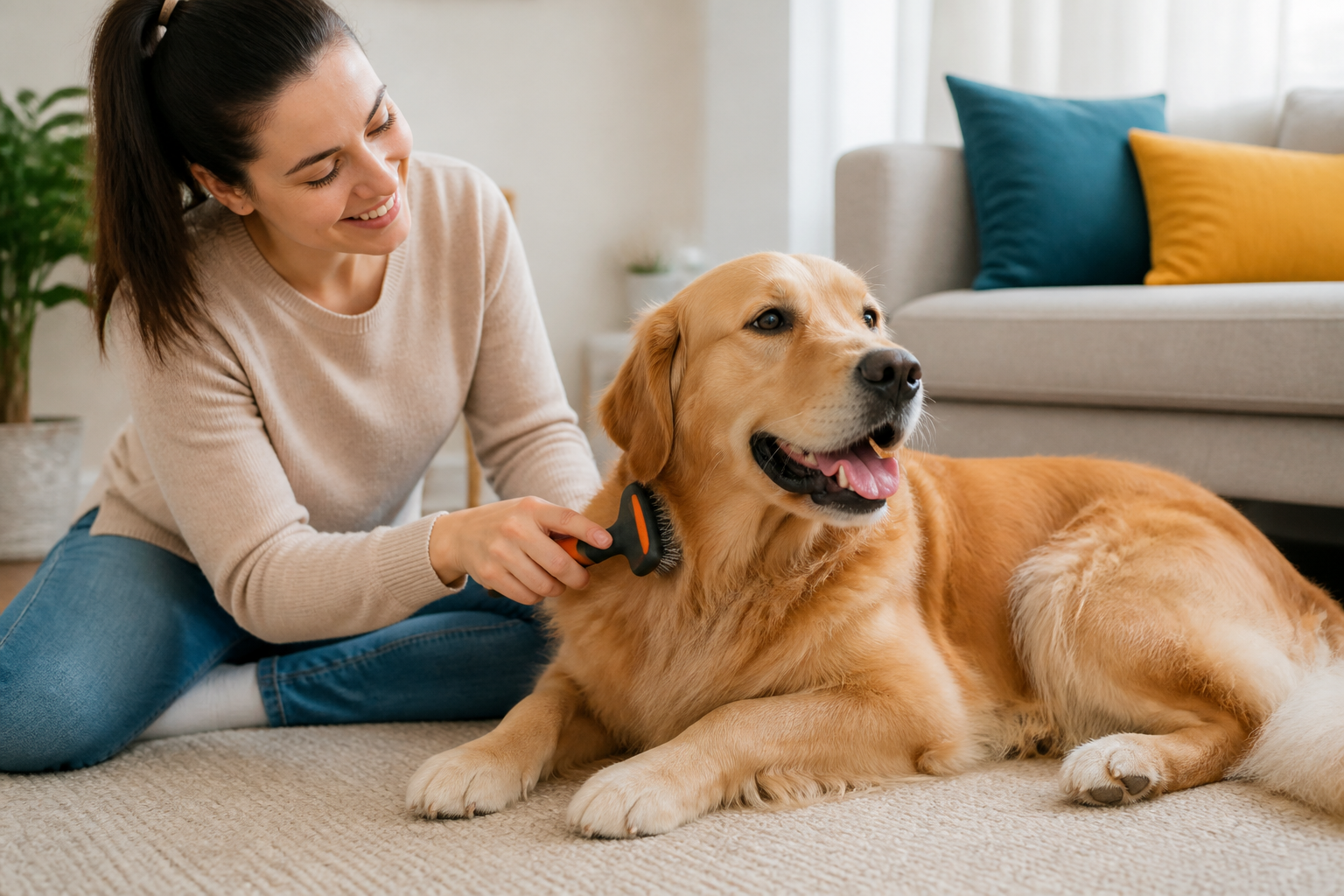
You are relaxing on the sofa with your dog when you notice a small cloud of fur drift across the floor. Or perhaps you reach down to scratch their favorite spot and feel a hard knot tight against the skin. These moments are common for every pet owner. They serve as a gentle reminder that our dogs rely on us to manage what they cannot. At BaxterBoo, we know that brushing is about much more than just looking good for the neighborhood walk. It is a fundamental part of their physical health and your bond together. This guide explains the ideal brushing frequency for different coat types and lifestyles. You will learn why the right schedule prevents painful mats and how it keeps your home cleaner. Understanding your dog's specific coat needs is the first step toward a happier, more comfortable pet.
Quick Answer: Most dogs benefit from brushing at least two to three times per week. However, long-haired or double-coated breeds often require daily attention to prevent tangles, while short-haired dogs can sometimes go a week between sessions.
The Importance of a Regular Brushing Routine
Brushing is the most effective way to manage shedding and keep skin healthy. When we brush our dogs, we are doing more than removing dead hair. We are stimulating the skin and distributing natural oils across the entire coat. These oils act as a protective barrier and provide that healthy shine everyone loves to see. Without regular brushing, these oils can build up at the skin surface while the ends of the hair become brittle.
Regular sessions also help you catch problems early. When you are hands-on with your dog, you notice things that are hidden under thick fur. You might find a small tick, a new lump, or an area of redness that suggests an allergy. This proactive approach can save you a lot of worry and vet bills down the road. It also keeps your living space much tidier. Every hair you catch in a brush is one less hair stuck to your carpet or clothes.
Health Benefits Beyond Appearance
A neglected coat can lead to serious physical discomfort. For dogs with thick undercoats, dead hair that is not removed can become trapped. This creates mats that pull tightly against the sensitive skin. These mats do not just look messy. They can actually restrict movement or trap moisture against the skin, leading to painful infections or "hot spots." Brushing ensures that air can reach the skin, which is vital for temperature regulation in both summer and winter.
Key Takeaway: Brushing is a primary health tool that prevents skin infections, manages body temperature, and allows for early detection of physical abnormalities.
Brushing Requirements by Coat Type
Not all fur is created equal. The breed of your dog determines the structure of their hair follicles and how quickly they shed. We see a wide variety of coat types at our Vernon Hills warehouse, and each one requires a different strategy.
Short-Haired Dogs
Dogs like Boxers, Beagles, and Labradors have short, sleek coats. Many owners assume these dogs do not need much brushing because their hair is short. While they are less likely to get mats, they still shed. Brushing a short-haired dog once or twice a week is usually sufficient. Using a rubber curry brush or a firm bristle brush helps pull away loose hairs before they fall off.
Double-Coated Breeds
Huskies, Golden Retrievers, and German Shepherds have a soft, insulating undercoat protected by longer guard hairs. These dogs are the champions of shedding. During the transition between seasons, they "blow" their coats, meaning the undercoat sheds out in massive clumps. During these times, you should brush them every single day. For the rest of the year, three times a week is a good baseline to keep the undercoat from compacting.
Long-Haired and Silky Coats
Breeds like Yorkies, Shih Tzus, and Setters have hair that continues to grow rather than reaching a set length and falling out. This hair is very fine and prone to tangling. If you skip even two days of brushing, small knots can quickly turn into large mats. We recommend a daily brushing routine for these dogs. This keeps the hair silky and prevents the need for drastic "rescue" clips at the groomer.
Wire-Haired and Curly Coats
Poodles, Doodles, and Terriers have unique needs. Curly coats trap shed hair within the curls. If you do not brush it out, that dead hair tangles with the live hair. This creates a felt-like matting close to the skin. Wire-haired dogs have a coarse outer layer that needs regular attention to stay tidy. For these breeds, aim for at least three to four thorough sessions per week. For additional guidance, see our guide to grooming dogs with curly hair.
| Coat Type | Ideal Frequency | Primary Tool |
|---|---|---|
| Short/Sleek | 1-2 times per week | Rubber Curry Brush or Bristle Brush |
| Double Coat | 3+ times per week (Daily in Spring/Fall) | Undercoat Rake or Slicker Brush |
| Long/Silky | Daily | Pin Brush and Metal Comb |
| Curly/Wire | 3-4 times per week | Slicker Brush and Metal Comb |
How Life Stages Impact Your Routine
The age of your dog affects how you should approach grooming. At BaxterBoo, we often talk to new puppy owners who are overwhelmed by the grooming process. It is important to start early, even if your puppy does not have much hair yet. This is about training rather than cleaning.
Puppyhood Training
Puppies go through a period where they are learning what is "normal" in their world. If you wait until they are six months old to start brushing, they may be fearful of the tools. Start with a very soft brush for just a minute or two a day. Reward them with treats to build a positive association. This makes the process much easier when their adult coat finally comes in.
The Senior Years
As dogs age, their skin can become thinner and more sensitive. They may also develop arthritis, making it uncomfortable for them to stand for long grooming sessions. You may need to switch to a softer brush or break your grooming into several shorter sessions throughout the day. Be extra careful around bony areas like the hips and spine.
Vet Tip: If you notice your senior dog’s coat becoming dull or excessively dry despite regular brushing, consult your veterinarian. Changes in coat quality can sometimes indicate underlying metabolic issues or nutritional deficiencies.
Seasonal Changes and Environmental Factors
The weather plays a major role in how often you should reach for the brush. In the spring, many dogs lose their heavy winter protection. You might find yourself brushing daily for a few weeks to keep up with the volume of fur. In the winter, salt and slush can get trapped in the hair on their legs and paws. Brushing after walks becomes a necessity to remove these irritants before they cause skin damage.
Environmental factors like swimming or hiking also change the rules. If your dog loves the water, you must brush them after they dry off. Wet hair that dries without being brushed is highly likely to mat. Similarly, if you take your dog on trails, a post-hike brushing is essential to check for burrs, stickers, and ticks. You can also review these dog bathing tips for a smoother grooming routine.
Choosing the Right Tools for the Job
Using the wrong brush is a common mistake that can make grooming unpleasant for your dog. A brush that is too sharp can scratch the skin, while one that is too soft will not reach the undercoat. Our team at BaxterBoo carefully selects tools that balance effectiveness with comfort. Browse our dog brushes and combs to find options for different coat types.
The Slicker Brush
This is a versatile tool with fine, short wires close together. It is excellent for removing mats and tangles in medium to long-haired dogs. It is the workhorse of the grooming world.
The Undercoat Rake
Designed for double-coated breeds, this tool has long metal tines that reach through the top layer of fur to pull out the loose undercoat. It is essential for managing shedding in breeds like Huskies or Labs.
The Metal Comb
Never underestimate the power of a simple metal comb. It is the best tool for checking your work. After you think you are finished brushing, run a comb through the fur. If it snags, you still have a small knot to work out.
Bristle and Rubber Brushes
These are best for short-haired dogs. They are gentle and act more like a massage, which helps dogs enjoy the process while you remove surface debris and shine the coat.
Bottom line: Matching the brush to your dog's specific hair texture makes the job faster and much more comfortable for your pet.
Step-by-Step for a Stress-Free Session
If your dog is not a fan of being brushed, you can change their mind with a bit of patience. Follow this process to make it a relaxing experience.
Step 1: Choose a calm environment. / Pick a time when the house is quiet and your dog is already relaxed, perhaps after a long walk.
Step 2: Start with a "high-value" area. / Begin brushing in a spot where your dog likes to be petted, such as the shoulders or chest.
Step 3: Check for mats before you begin. / Use your fingers to feel for any knots. If you find one, hold the base of the hair near the skin so you do not pull while you gently work the knot apart with a brush or comb.
Step 4: Brush in the direction of hair growth. / Moving against the grain can be uncomfortable. Use short, gentle strokes rather than long, pulling ones.
Step 5: Reward and praise. / Give your dog small treats throughout the session. End the session before they get restless so they leave with a positive memory.
Beyond the Coat: Total Grooming Hygiene
While the coat is the most visible part of grooming, other areas require regular maintenance to keep your dog healthy. Consistency in these areas prevents long-term health issues.
- Dental Care: Ideally, you should brush your dog's teeth daily. At a minimum, aim for three times a week. This prevents plaque from hardening into tartar, which can lead to gum disease and systemic health problems. For more guidance, read our pet dental care tips.
- Nail Trimming: Most dogs need their nails trimmed every three to six weeks. If you can hear them clicking on the floor, they are too long.
- Ear Cleaning: Check ears weekly for redness or a bad smell. Clean them with a vet-approved solution if you see wax buildup, but avoid over-cleaning as it can cause irritation.
- Paw Pad Care: Check between the toes for matted hair or debris. Trimming the hair between the pads can help your dog get better traction on slippery floors.
Addressing Skin Conditions and Allergies
Sometimes, a dog's coat issues are more than skin deep. If your dog is constantly itching, has red patches, or has a greasy smell, they may be dealing with allergies or skin infections. Brushing is still important, but you may need specialized products to help them heal.
Our pharmacy at BaxterBoo offers a variety of FDA-approved treatments and medicated shampoos through our partnership with Pet's Choice. If your veterinarian prescribes a specific shampoo or topical treatment for a skin condition, we can help you fulfill that need. Prescription diets can also play a major role in skin health. Many dogs with "itchy" coats find relief when switched to a limited-ingredient or hypoallergenic diet. Explore our dog healthcare selection for related care options.
Vet Tip: Never use human shampoo or skin creams on your dog unless specifically directed by a professional. Dogs have a different skin pH than humans, and human products can strip their natural defenses and cause severe irritation.
Maintaining the Routine with Autoship
Consistency is the hardest part of grooming. It is easy to realize you are out of ear cleaner or that your slicker brush has lost its pins just when you need them most. We designed our Autoship program to solve this problem. You can have your favorite grooming supplies, treats, and even pharmacy items delivered on a schedule that works for you. This ensures you never have to skip a session because you lacked the right tools. Learn more about our Autoship programme. Plus, our MVP Rewards program lets you earn points on every grooming purchase, which you can use for future savings.
Conclusion
Brushing your dog is a simple act that yields massive rewards. Whether you have a short-haired Beagle that needs a weekly shine or a Poodle that requires daily detangling, your effort keeps them comfortable and healthy. Remember to adjust your frequency based on the seasons and your dog's activity level. Keep the sessions positive and use the time to check for any physical changes that might need a vet's attention. By staying consistent with your grooming, you reduce shedding in your home and build a deeper bond with your companion. For all your grooming essentials, from professional brushes to prescription skin care, we are here to support you with quality products and expert advice. Start with our dog grooming supplies and make regular coat care part of your routine.
Bottom line: A consistent brushing schedule is the foundation of your dog's skin health and overall physical comfort.
FAQ
Can I brush my dog too much?
It is difficult to brush too much as long as you are using the correct tools and a gentle technique. However, if you use a harsh brush with too much pressure, you can cause "brush burn," which is skin irritation. Always watch your dog's skin for redness and ensure the experience remains pleasant for them.
What should I do if my dog has a mat that won't come out?
Never try to cut a mat out with scissors, as it is very easy to accidentally cut the dog's skin. Instead, apply a detangling spray or a small amount of cornstarch to the mat to help the hairs slide apart. Use a metal comb to slowly pick at the mat from the outside in, or consult a professional groomer if the mat is tight against the skin.
My dog hates being brushed, how can I make it easier?
Start with very short sessions, even just thirty seconds, and pair the brush with their favorite high-value treats. Use a softer brush than technically required at first just to get them used to the sensation. Gradually increase the time as they become more comfortable, and always stay calm and patient.
Why does my dog still shed so much even though I brush them?
Shedding is a natural process influenced by light and temperature. While brushing removes the loose hair, it does not stop the biological process of hair falling out. If the shedding seems excessive or you notice bald spots, it is best to consult your veterinarian to rule out hormonal imbalances or nutritional deficiencies.






