
 Save 15% on your 1st Autoship learn more

 Email us
 Live Chat
 FAQs
FAQs





Introduction
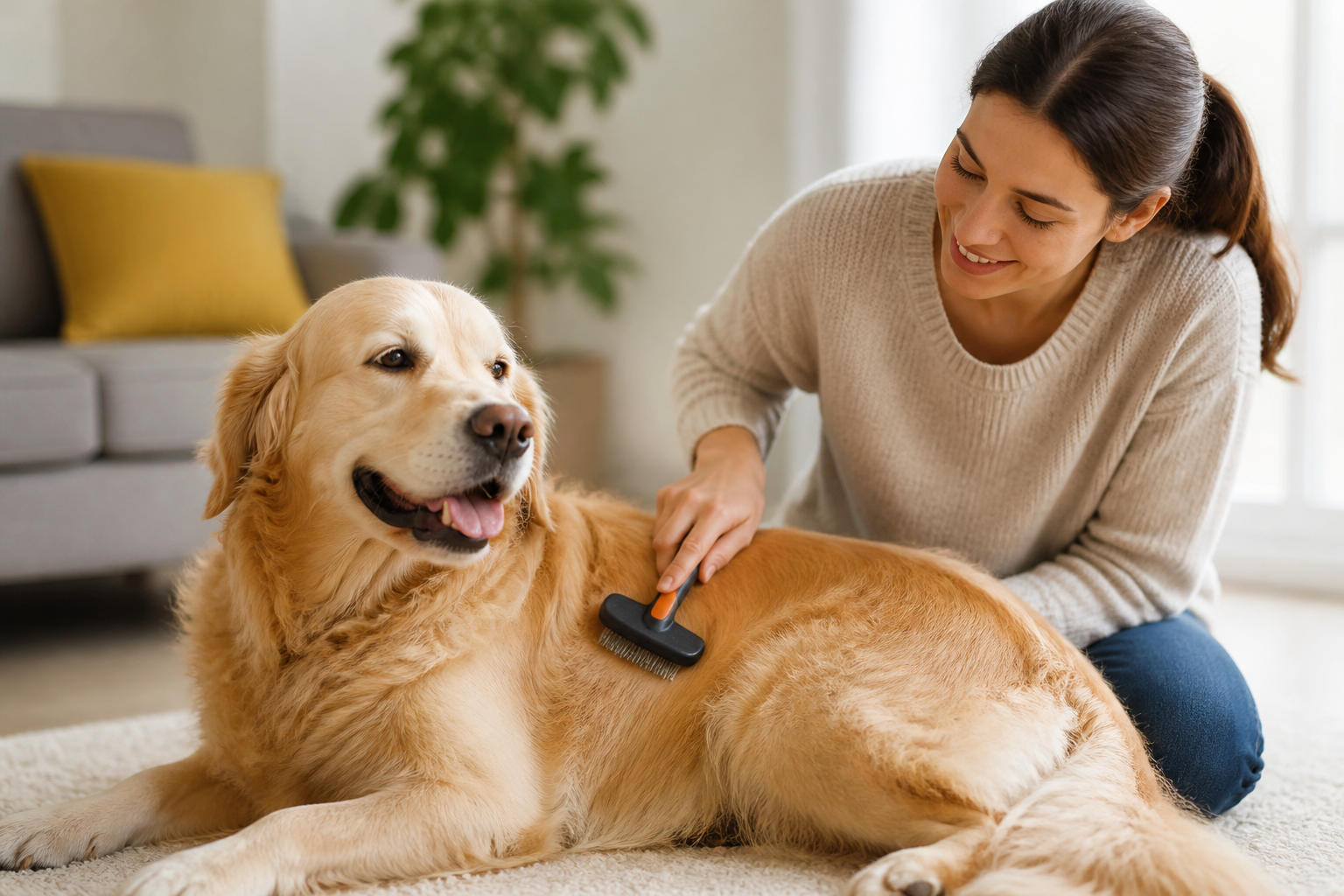
You are relaxing on the sofa with your dog after a long day when you notice a small, tight knot forming behind their ear. Or perhaps you realize that every time your dog stands up from the rug, they leave behind a cloud of loose fur that seems to multiply by the hour. These moments are when most owners start wondering about the right grooming schedule. At BaxterBoo, we know that keeping up with a coat can feel like a full-time job. This post covers the ideal brushing frequency for different coat types, the health benefits of regular grooming, and the tools you need to succeed. Finding the right rhythm for your dog ensures they stay comfortable while your home stays a little cleaner.
Understanding Your Dog's Coat Type
The most important factor in determining how often you should brush your dog is the type of hair they have. A sleek Boxer and a fluffy Goldendoodle have very different needs. If you apply the same schedule to every dog, you might end up with painful mats or a house full of shed fur.
Short and Smooth Coats
Dogs with short, smooth hair like Beagles, Pugs, or Labradors are often considered low maintenance. However, these breeds are often some of the heaviest shedders. We recommend brushing short-haired dogs at least once a week. This frequency helps remove loose hair before it ends up on your furniture. It also distributes the natural skin oils that keep their coat shiny and water-resistant.
Double Coats
Breeds like Siberian Huskies, German Shepherds, and Golden Retrievers have a dense undercoat protected by a longer outer layer. These dogs require more attention, especially during the spring and fall when they blow their coats. You should aim to brush double-coated dogs two to three times a week. During heavy shedding seasons, daily brushing is often necessary to manage the sheer volume of fur. For more guidance on managing seasonal shedding, read our tips for grooming dogs with heavy seasonal shedding.
Long or Silky Coats
If your dog has long, flowing hair like a Maltese or a Yorkshire Terrier, daily brushing is the gold standard. Their hair is much like human hair and can tangle very easily. If you skip even a few days, small tangles can quickly turn into tight mats against the skin.
Curly or Wire Coats
Curly coats, like those on Poodles or Bichon Frises, do not shed in the traditional sense. Instead, the loose hair gets trapped within the curls. This makes daily or every-other-day brushing vital. Without it, the trapped hair will weave itself into the living hair, causing severe matting. Wire-haired breeds, such as many Terriers, benefit from brushing two to three times a week to keep the coat from becoming brittle. Our guide to grooming curly-haired dogs offers additional brushing guidance.
Quick Answer: Most dogs benefit from being brushed at least two to three times a week. However, short-haired breeds may only need weekly sessions, while long-haired or curly-coated dogs often require daily attention to prevent painful matting.
The Physical Benefits of Regular Brushing
Brushing is not just about aesthetics. It is a fundamental part of your dog's physical health. When you run a brush through their coat, you are doing much more than just tidying up.
One of the primary benefits is the stimulation of the skin. Brushing acts as a massage that improves blood circulation to the skin surface. This brings vital nutrients to the hair follicles, which encourages stronger and healthier hair growth. As you brush, you also spread natural oils throughout the coat. These oils act as a natural barrier against moisture and environmental irritants.
Regular sessions also allow you to manage your dog's body temperature. In the summer, removing the dead undercoat allows air to circulate closer to the skin, helping your dog stay cool. In the winter, keeping the coat clean and fluffy ensures it can trap heat effectively. A matted coat loses its insulating properties, leaving your dog vulnerable to the cold. You can find brushes, combs, shampoos, and other supplies in our dog grooming collection.
Key Takeaway: Brushing promotes skin health by increasing circulation and distributing natural oils that protect the coat from the elements.
Using Brushing as a Health Check
Every grooming session is an opportunity to perform a mini-wellness exam. Because you are touching almost every part of your dog's body, you are likely to notice changes before they become serious problems.
As you brush, look for any new lumps, bumps, or skin discolorations. Feel for areas that seem tender or warmer than the rest of the body. You should also keep a close eye out for external parasites. Fleas and ticks love to hide in thick fur, and brushing often brings them to the surface.
Vet Tip: Use your brushing time to check for redness, rashes, or unusual growths. If you find signs of pests or skin irritation, consult your veterinarian. Our pharmacy carries a wide range of flea and tick preventives and medicated shampoos through our partnership with Pet's Choice to help manage these issues.
The Danger of Mats and Tangles
When loose hair is not removed, it begins to wrap around the healthy, attached hair. This creates a mat. Over time, these mats get tighter and closer to the skin. This is not just a cosmetic issue. Tight mats can be incredibly painful, as they constantly pull on the skin every time the dog moves.
Mats also trap moisture and bacteria against the skin. This can lead to hot spots, infections, and even hidden wounds that you cannot see through the fur. If a mat becomes too tight, it can even restrict blood flow to the skin in that area.
Note: Never try to cut a tight mat out with scissors. A dog's skin is very thin, and it is easy to accidentally cut them. If your dog is severely matted, seek help from a professional groomer who can safely shave the area.
Introducing a Brushing Routine
If your dog is not used to being brushed, they might be hesitant or even fearful. It is important to make the experience positive. Start with very short sessions, even just one or two minutes at a time. Pair the brush with high-value treats to create a positive association.
Step 1: Choose a quiet time. / Pick a moment when your dog is calm and relaxed, such as after a long walk or a meal.
Step 2: Let them investigate. / Allow your dog to sniff the brush before you start. Give them a treat just for being near it.
Step 3: Start with easy areas. / Begin brushing the back or sides where your dog is less sensitive. Avoid the belly, tail, or ears until they are comfortable.
Step 4: Gradually increase time. / Slowly add a minute to each session until your dog can sit through a full-body grooming without stress.
Essential Tools for the Job
Having the right tool makes the job faster and more comfortable for your dog. We carry a variety of brands like Kong and RC Pets that offer ergonomic designs for owners.
| Brush Type | Best For | Purpose |
|---|---|---|
| Slicker Brush | Long or curly coats | Removing tangles and loose debris |
| Bristle Brush | Short, smooth coats | Distributing oils and adding shine |
| Rubber Curry | Short coats / Bath time | Massaging the skin and removing loose hair |
| Undercoat Rake | Double coats | Reaching deep into the fur to pull out dead undercoat |
| Pin Brush | Silky coats | Gentle detangling for sensitive skin |
Brushing and the Bathing Connection
A common mistake many owners make is giving a matted dog a bath before brushing them. This actually makes the problem much worse. When a mat gets wet, the hair fibers swell and then contract as they dry. This causes the mat to tighten significantly, often making it impossible to remove without shaving the dog.
Always perform a thorough brush-out before the water starts running. This ensures that the shampoo can actually reach the skin and that the dirt is not trapped deep inside tangles. If you use a conditioning spray during your dry brush-out, it can help the brush glide through the hair more easily, reducing breakage. For more bathing guidance, read our tips for bathing your dog.
For those who purchase their grooming supplies through our Autoship program, you can ensure you never run out of the sprays and shampoos needed to keep the coat manageable. This is a practical way to stay consistent with your routine.
Bottom line: Brushing before a bath is essential to prevent mats from tightening and to ensure a deeper clean.
Seasonal Changes in Grooming Needs
Your brushing schedule should not stay the same all year. Most dogs experience a significant change in their coat as the seasons shift. In the spring, many dogs lose their heavy winter undercoat to prepare for the heat. This is often called "blowing the coat."
During these peak shedding times, you may need to increase your brushing frequency to daily, regardless of the breed. Failing to keep up with seasonal shedding can lead to an overwhelming amount of fur in your home and a very uncomfortable pet. If you notice your dog's skin seems particularly dry during the winter months due to indoor heating, you might want to use a moisturizing spray or add a skin and coat supplement to their diet. We offer several trusted supplement brands like Zesty Paws and Cosequin that can support skin health from the inside out in our dog supplements collection.
Grooming Senior Dogs
As dogs age, their grooming needs change. Senior dogs often develop thinner skin, and their joints may become stiff or painful. You should be much more gentle when brushing an older dog. Avoid putting pressure on their hips or elbows, and consider shorter, more frequent sessions so they do not have to stand for too long.
Brushing a senior dog is also vital for monitoring age-related changes. You may find new skin tags, fatty lipomas, or signs of cognitive decline, such as your dog becoming confused during their grooming routine. Keeping them clean and well-groomed helps them feel their best during their golden years. For additional senior-care guidance, explore how to choose the right dog food for senior pets.
Diet and the Quality of the Coat
If you are brushing regularly but your dog's hair still looks dull or brittle, the issue might be their diet. The coat is often a reflection of internal health. High-quality proteins and healthy fats, specifically Omega-3 and Omega-6 fatty acids, are necessary for a vibrant coat.
Brands like Farmina, Open Farm, and Stella and Chewy's focus on nutrient-dense ingredients that support skin and coat health. If your dog has food sensitivities, their skin may become itchy or flaky, making grooming a struggle. In these cases, switching to a limited-ingredient diet or a prescription food from our pharmacy can make a visible difference in their hair quality. Browse our dog food selection when reviewing your dog's nutrition.
Key Takeaway: A healthy coat starts with high-quality nutrition. If brushing is not improving the coat's appearance, look at the ingredients in your dog's food.
Conclusion
Brushing your dog is a simple but powerful act of care. By sticking to a schedule based on their coat type, you can prevent painful mats, reduce shedding, and catch potential health problems early. Whether you have a short-haired dog that needs a weekly once-over or a curly-coated dog that requires daily attention, consistency is the key to success. We are here to support you with the tools and supplies you need to make grooming a stress-free part of your life.
Bottom line: A consistent brushing routine is the best way to keep your dog comfortable and their coat in peak condition.
One easy way to stay on top of your grooming needs is to use our Autoship programme for your favorite brushes, shampoos, and supplements. You will save on your orders and get a free MVP Gold membership to help you earn rewards faster.
FAQ
Can I brush my dog too much?
While it is hard to over-brush most dogs, you should be careful not to irritate the skin. If you use a brush with sharp metal pins and apply too much pressure, you can cause brush burn. Always use a gentle hand and watch for any signs of skin redness or discomfort.
What should I do if I find a tick while brushing?
If you find a tick, use a proper tick removal tool to grasp the tick as close to the skin as possible and pull it straight out. Do not twist it. Once removed, clean the area with antiseptic. This is a good time to ensure your dog is up to date on their preventives from our pharmacy.
Why does my dog's hair seem to mat even with daily brushing?
Matting can happen if you are only brushing the top layer of hair. This is common with double-coated or curly-haired dogs. Make sure you are using a technique called line brushing, where you part the hair and brush from the skin outward to ensure you are reaching the undercoat.
Does my dog still need to be brushed if they have a short summer haircut?
Yes, even dogs with short haircuts need regular brushing. While the hair is shorter and less likely to mat, the skin still benefits from the massage and oil distribution. Brushing also helps remove the tiny, prickly hairs that short-haired dogs shed, which can be very difficult to get out of upholstery.






