
 Save 15% on your 1st Autoship learn more

 Email us
 Live Chat
 FAQs
FAQs





Introduction
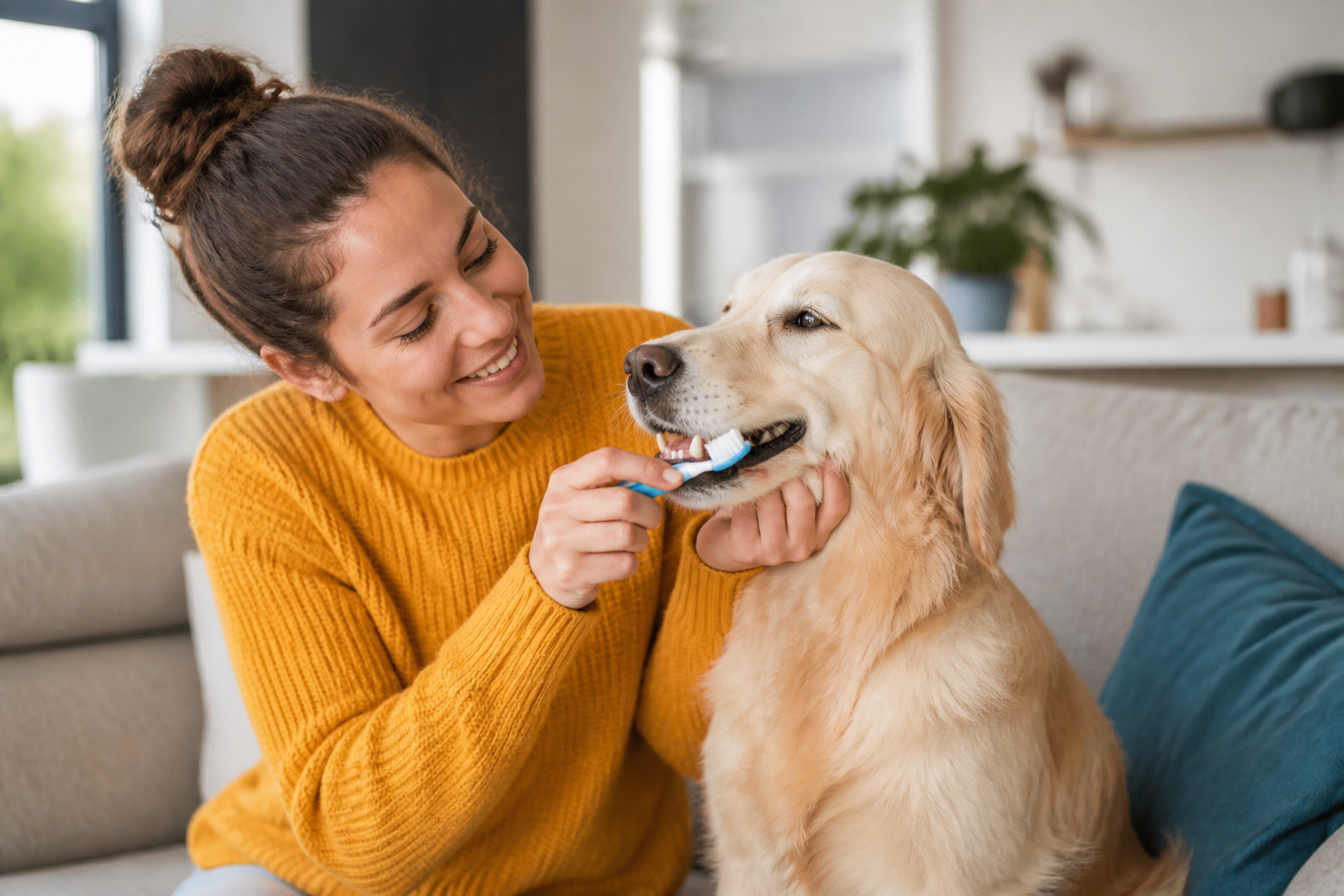
You lean in for a happy morning greeting and a wave of foul breath stops you in your tracks. This is a common moment for many pet owners, but it is often the first sign of a deeper health issue. At BaxterBoo, we know that dental health is about much more than just a fresh-smelling mouth. It is a critical part of your dog's overall longevity and wellness. This guide explains how frequently you need to brush and when to schedule a professional cleaning with your vet. We will also cover the tools you need to make the process easy and stress-free for your pet. Establishing a consistent routine now can save your dog from significant pain and protect their vital organs from systemic infection.
Quick Answer: You should aim to brush your dog's teeth every single day to provide the best protection against gum disease. If a daily schedule is not realistic, cleaning their teeth at least three times per week is necessary to prevent plaque from hardening into tartar.
The Importance of Frequent Dental Care
Many owners do not realize that dental disease is the most common health problem in adult dogs. By the age of three, the vast majority of dogs show some signs of periodontal disease. This happens because bacteria and food particles combine to form a sticky film called plaque. If you do not remove this film quickly, it mineralizes into a hard substance known as tartar or calculus. Once tartar forms, you cannot remove it with a toothbrush alone. It requires professional scaling under anesthesia.
The stakes are higher than just a few yellow teeth. Bacteria in the mouth can enter the bloodstream through inflamed gum tissue. Once in the blood, these bacteria can travel to the heart, kidneys, and liver. This can lead to chronic organ damage and a shortened lifespan for your companion. Regular cleaning is the primary defense against these invisible threats. For more warning signs, read our guide to recognizing bad teeth in dogs.
Daily Brushing: The Gold Standard
Veterinary dentists agree that daily brushing is the best way to maintain oral health. Plaque begins to form within hours of a meal. Within 24 to 72 hours, that plaque starts to harden into tartar. If you brush daily, you disrupt this cycle before the mineralization process begins. It is much like our own dental routine. We would not consider brushing once a week sufficient for our own health, and dogs have similar needs.
If your schedule is packed, do not give up entirely. Even brushing three times a week makes a significant difference. The goal is to be consistent. It is better to do a quick 30-second brush every other day than a deep clean once a month. The more often you handle your dog's mouth, the more comfortable they will become with the process. Our pet dental care tips can help you build the routine gradually.
Key Takeaway: Plaque turns into hard tartar in as little as three days, making frequent brushing essential to prevent permanent buildup.
When to Schedule Professional Cleanings
Even with excellent home care, most dogs will eventually need a professional cleaning. We recommend a veterinary dental exam at least once a year. For most healthy adult dogs, a professional cleaning once a year is the standard. However, this frequency can change based on your dog's specific needs.
Some dogs are genetically predisposed to dental issues. Smaller breeds often have crowded teeth, which creates more places for food and bacteria to hide. These dogs may need professional cleanings every six to nine months. Senior dogs also require more frequent monitoring as their immune systems change. Your veterinarian will assess the "dental grade" of your dog's mouth during their annual checkup to determine the right interval.
The Role of Anesthesia
Professional cleanings must be performed under general anesthesia to be effective. Some services claim to offer anesthesia-free cleanings, but these are mostly cosmetic. Anesthesia allows the vet to clean deep under the gumline where the real damage happens. It also allows for dental X-rays to find hidden problems like bone loss or abscessed roots. Without anesthesia, a dog will not stay still enough for these critical steps.
Specialized Health Needs
If your dog has an existing heart condition or advanced dental disease, your vet might prescribe specific medications. Our pharmacy at BaxterBoo provides access to FDA-approved medications and prescription diets through our partnership with Pet's Choice. These products can help manage infections or support recovery after a major dental procedure. Always consult your vet if you notice severe redness or bleeding in your dog's gums.
Vet Tip: Schedule a professional dental exam once a year. If you have a small breed like a Yorkie or a Pug, ask your vet if they need checkups every six months due to tooth crowding.
Choosing the Right Dental Tools
You should never use human toothpaste for your dog. Human toothpaste contains fluoride and detergents like xylitol that are toxic to pets. Dogs do not know how to spit, so they swallow everything you put on the brush. Instead, use a toothpaste formulated specifically for canines. These come in flavors like poultry, beef, or peanut butter to make the experience more enjoyable.
The brush you choose also matters. You can find several styles in our dog dental care collection:
- Standard pet toothbrushes with long, angled handles for reaching back molars.
- Finger brushes that slip over your fingertip for better control and a gentler touch.
- Dual-headed brushes that clean the top and sides of the teeth at the same time.
- Soft-bristled brushes designed for sensitive or inflamed gums.
If your dog is very small, a soft toddler toothbrush can also work well. The key is to use soft bristles that will not irritate the delicate gum tissue.
How to Introduce Brushing to Your Dog
If your dog is not used to having their mouth touched, you must start slowly. Forcing a brush into their mouth on the first day will likely cause fear and resistance. Follow these steps to build trust over time.
Step 1: Let them taste the paste. / Put a small amount of flavored pet toothpaste on your finger. Let your dog lick it off so they associate the flavor with a positive reward.
Step 2: Touch the teeth and gums. / Rub your finger along the outside of their teeth and gums. Do this for a few days until they are comfortable with you lifting their lips.
Step 3: Introduce the brush. / Put some toothpaste on the brush and let them lick it. Gently brush the front canine teeth in a circular motion.
Step 4: Gradually reach the back. / Over the next week, move further back into the mouth. Focus on the outside surfaces of the teeth, as this is where most tartar accumulates.
Step 5: Reward the behavior. / Always follow a brushing session with praise or a dental-friendly treat. This reinforces that dental care is a positive part of their day.
Bottom line: Patience during the introduction phase ensures your dog will cooperate with dental care for years to come.
Dietary Support for Dental Health
What your dog eats can impact how fast plaque builds up. While diet is not a substitute for brushing, it is a helpful tool. Some dry kibbles are specifically designed to have a mechanical cleaning effect. These larger, textured pieces do not crumble immediately. Instead, they scrub the tooth surface as the dog chews.
Wet food does not provide this abrasive action. If your dog eats a strictly wet diet, you may need to be even more diligent with brushing. There are also water additives and food toppers that contain enzymes to help break down plaque. If your vet recommends a prescription dental diet, you can often find these through our pharmacy and Pet's Choice partnership. These diets are formulated to be safe for long-term use while targeting oral bacteria.
Dental Chews and Treats
Dental treats are an easy way to supplement your dog's oral care routine. High-quality chews are designed to be long-lasting. As your dog gnaws on them, the friction helps scrape away soft plaque. Look for products that carry the Veterinary Oral Health Council (VOHC) seal of approval. This seal means the product has been tested and proven to reduce plaque or tartar. You can also browse our dental chews and treats for options suited to different dogs.
Be mindful of the calories in these treats. They should be factored into your dog's daily food intake to prevent weight gain. Also, supervise your dog while they enjoy a chew. If they try to swallow large chunks, it could lead to a choking hazard or an intestinal blockage.
- Select the right size chew for your dog's weight.
- Look for flexible textures that allow the tooth to sink in.
- Avoid very hard items like dried hooves or antlers which can fracture teeth.
- Check for the VOHC seal on the packaging.
For additional ideas, see our guide to the best dental chews for dogs.
Recognizing Signs of Dental Trouble
You should perform a "flip the lip" check once a week at home. This allows you to spot problems before they become painful emergencies. Healthy gums should be a light pink color. The teeth should be white or off-white without significant brown staining.
If you notice any of the following, make an appointment with your veterinarian:
- Persistent bad breath that does not go away after brushing.
- Red, swollen, or bleeding gums.
- Yellow or brown crust near the gumline.
- Loose or broken teeth.
- Difficulty eating or dropping food from the mouth.
- Pawing at the face or rubbing the mouth on the furniture.
- Excessive drooling.
Vet Tip: If your dog has a sudden change in eating habits or starts tilting their head while chewing, they may have a painful tooth abscess that requires immediate professional care.
Factors That Influence Dental Frequency
Not every dog has the same dental needs. Age, breed, and even the shape of the jaw play a role in how often you should clean. For example, brachycephalic breeds like Boxers or Bulldogs often have misaligned teeth. This misalignment creates "pockets" where bacteria thrive. These dogs usually require more frequent brushing and professional checkups.
Puppies lose their baby teeth between four and six months of age. While you do not need to worry about tartar on baby teeth, this is the perfect time to start a brushing routine. It gets them used to the sensation before their permanent adult teeth arrive. For senior dogs, dental health is even more vital. Chronic inflammation in the mouth can tax an older dog's immune system, making them more susceptible to other illnesses.
Managing a Reluctant Dog
Some dogs are naturally more sensitive about their mouths. If your dog pulls away or growls, do not force the issue. This could lead to a bite or a permanent fear of grooming. You might try using a dental wipe instead of a brush. These are textured pads that you wrap around your finger. They are often less intimidating than a plastic brush and can still remove a significant amount of plaque. Our dog dental health selection includes products designed to support alternative oral care routines.
If your dog remains highly resistant, talk to your vet. They can check for underlying pain that might be making the brushing process uncomfortable. In some cases, a professional cleaning is needed first to resolve existing inflammation. Once the mouth is healthy and pain-free, the dog may be more willing to let you brush.
Key Takeaway: If your dog resists brushing, try dental wipes or water additives as a temporary measure while working with a vet to rule out oral pain.
The Cost of Neglect
It is easy to put off dental care because it feels like a chore. However, the cost of neglect is high both financially and emotionally. A standard professional cleaning is much more affordable than oral surgery to extract multiple rotted teeth. Furthermore, treating heart or kidney disease caused by dental bacteria is a lifelong expense.
Investing a few minutes a day into brushing is one of the most cost-effective things you can do for your dog's health. It keeps them comfortable, keeps their breath fresh, and prevents the need for invasive procedures. We see the difference it makes every day in the health and happiness of the pets we serve.
Summary of Best Practices
Maintaining your dog's teeth is a multi-step process that involves daily effort and professional oversight. To keep your dog's smile healthy, follow this simple routine:
- Brush daily or at least three times a week with pet-safe toothpaste.
- Use a soft-bristled brush or a finger brush that your dog tolerates well.
- Provide VOHC-approved dental chews for mechanical cleaning.
- Schedule a veterinary dental exam every 12 months.
- Watch for warning signs like red gums or persistent bad breath.
Conclusion
Consistent dental care is a cornerstone of responsible pet ownership. While brushing your dog's teeth every day is the ideal goal, any effort you make will help protect them from the dangers of periodontal disease. By combining home brushing with annual professional cleanings, you are giving your dog the best chance at a long and pain-free life. Our team at BaxterBoo is here to support you with the right brushes, pastes, and dental treats to make this routine a success. For dogs with specific medical needs, our pharmacy partnership with Pet's Choice ensures you have access to the prescription diets and medications your vet recommends. Start small today, and your dog will thank you with years of healthy, happy kisses.
Bottom line: Daily brushing and annual vet visits are the most effective ways to prevent serious dental disease and protect your dog's overall health.
FAQ
Can I use baking soda to clean my dog's teeth?
It is best to avoid using straight baking soda for your dog. While it is not strictly toxic in tiny amounts, it has a high alkaline content that can upset a dog's stomach if swallowed. It also lacks the appealing flavors of commercial pet toothpaste, which makes the brushing experience much less pleasant for your dog.
My dog's gums bleed a little when I brush. Should I stop?
A small amount of bleeding can be a sign of early gingivitis, meaning the gums are inflamed and need more frequent cleaning. However, if the bleeding is heavy or persistent, you should stop and consult your veterinarian. They need to ensure there isn't a more serious infection or a foreign object lodged in the gumline.
Do dental water additives actually work?
Water additives can be a helpful supplement, but they are not a replacement for brushing. These products usually contain enzymes or ingredients like chlorhexidine that help reduce the bacterial load in the mouth. They work best when used alongside physical brushing and professional cleanings to help slow down the return of plaque.
At what age should I start professional dental cleanings?
Most dogs should have their first professional cleaning between the ages of two and three. Small breeds may need to start even earlier, around age one, because they are more prone to early-onset dental disease. Your vet will monitor your puppy's tooth development and let you know when it is time for their first formal scaling.






