Save 15% on your 1st Autoship learn more

 Email us
 Live Chat
 FAQs
FAQs





Introduction
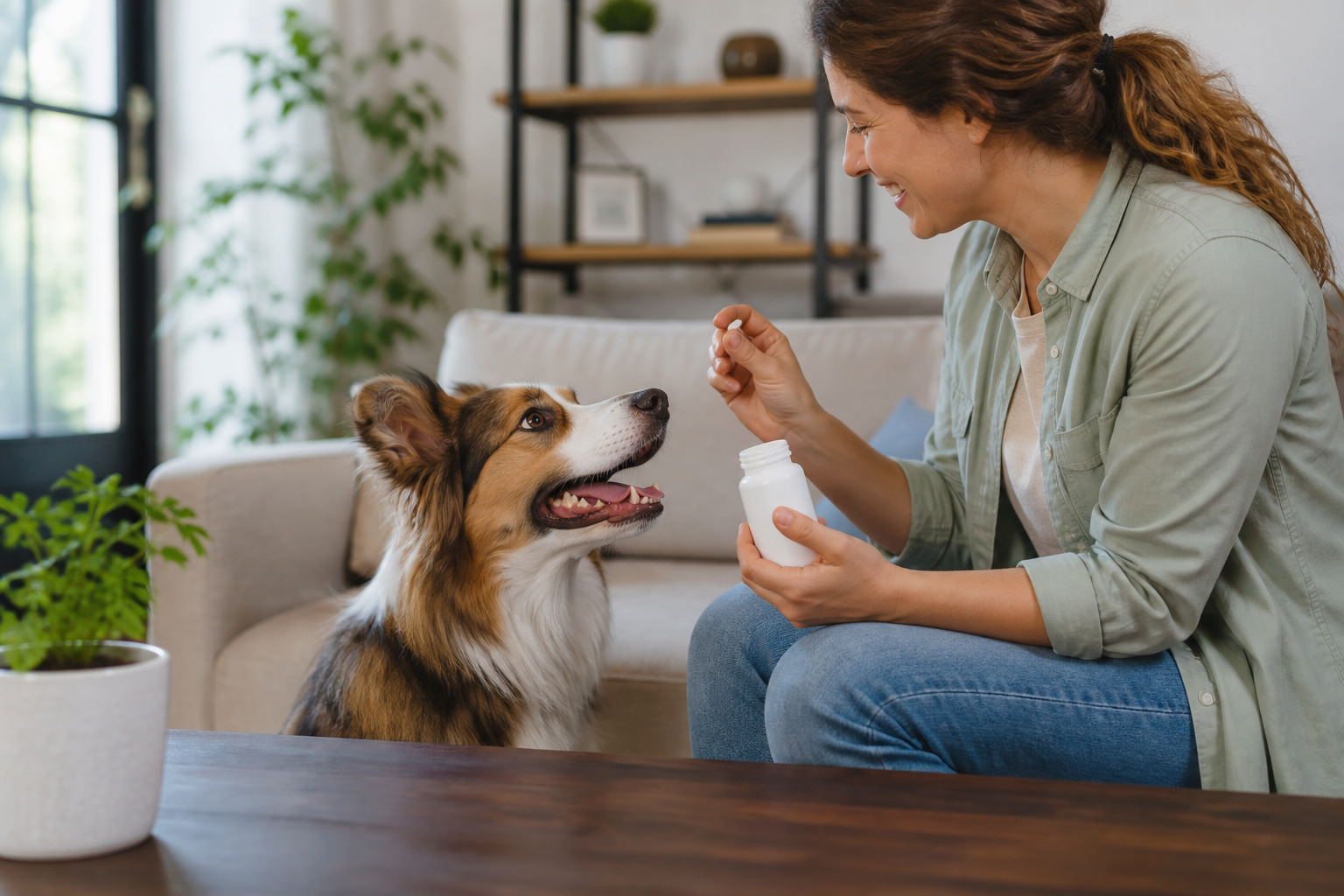
Watching your dog struggle with a sensitive stomach or recurring gas can make any pet owner feel uneasy. You might have heard that probiotics can help balance things out, but the labels do not always explain the logic behind the schedule. At BaxterBoo, we talk to dog owners every day who are trying to navigate the world of digestive health and supplements. This article covers the ideal frequency for giving your dog probiotics based on their specific health goals and life stage. We will explore whether daily use is necessary or if you can simply offer them as a temporary fix for occasional tummy troubles. Understanding the frequency that works for your dog is the first step toward a happier, more comfortable pet.
Quick Answer: Most veterinarians recommend giving your dog probiotics once daily to maintain a consistent population of beneficial bacteria. While short-term use for 10 to 14 days helps with acute issues like diet changes, long-term daily use is better for chronic conditions and immune support.
Understanding the Dog Gut Microbiome
To understand how often to give probiotics, you first need to understand what they are doing inside your dog. Your dog’s gut is home to billions of microscopic organisms including bacteria and yeast. This community is called the microbiome. It handles much more than just digesting last night's dinner. A healthy microbiome helps your dog absorb nutrients, produces essential vitamins, and supports a strong immune system.
When the balance of "good" bacteria and "bad" bacteria shifts, your dog can experience digestive upset. This might look like loose stools, excessive gas, or a lack of appetite. Probiotics are live, beneficial bacteria that you introduce into this environment to help restore balance. However, these new bacteria do not just move in and stay forever. They are transient, meaning they pass through the system. This is why the frequency of administration is so important.
Key Takeaway: Probiotics are transient guests in the digestive tract. They require consistent, repeated introduction to effectively influence the gut environment and support overall health.
Daily vs Occasional Use: Which Is Better?
One of the most frequent questions we receive is whether a dog needs a supplement every single day. The answer depends on your goal. If you only give a probiotic when you see a symptom, you are playing a game of catch-up. The microbiome is a dynamic system that changes constantly based on food, stress, and environment.
Research suggests that daily use is far more effective for the majority of dogs. A daily dose provides a steady "signal" to the gut. This consistency allows the beneficial bacteria to compete more effectively with harmful pathogens. If you only give them occasionally, the beneficial populations are quickly outnumbered and displaced by the existing gut flora.
Comparison of Probiotic Schedules
| Goal | Frequency | Typical Duration |
|---|---|---|
| Acute Diarrhea | Once Daily | 7 to 14 days |
| Diet Transition | Once Daily | 2 weeks |
| Chronic Allergies | Once Daily | Ongoing |
| Senior Support | Once Daily | Ongoing |
| Travel/Stress | Once Daily | 3 days before and during |
Bottom line: Consistency matters more than a high occasional dose because the gut environment requires a steady supply of beneficial bacteria to maintain a healthy balance.
When to Use Probiotics Short-Term
There are specific situations where you might only need to give your dog probiotics for a few weeks. These are typically times when you know your dog's gut is about to face a challenge. For additional guidance about food-related digestive upset, read our article on dog food for sensitive stomachs.
Transitioning to New Food
Switching from one brand of kibble to another can be hard on a dog’s stomach. Even a high-quality transition over seven days can cause soft stools. Giving a daily probiotic during this transition, and for a week after, helps the gut adapt to new proteins and fiber sources.
Stressful Events
Stress has a direct impact on the gut. If you are planning to board your dog, move to a new house, or take a long road trip, their digestive system may react. Starting a daily probiotic three to five days before the event can preemptively strengthen the gut. This is often referred to as "proactive" supplementation.
Recovery from Antibiotics
Antibiotics are life-saving medications, but they do not discriminate between good and bad bacteria. They often wipe out large portions of the beneficial gut microbiome. This is why many dogs develop "antibiotic-associated diarrhea."
Vet Tip: If your dog is on antibiotics, wait at least two hours after giving the medication before offering a probiotic. This prevents the antibiotic from immediately killing the beneficial bacteria in the supplement. Continue the probiotic for at least a week after the antibiotic course is finished.
The Case for Long-Term Daily Use
For many dogs, a daily probiotic becomes a permanent part of their wellness routine. This is especially true for pets managing chronic health concerns. You can compare different formats and formulas in our dog probiotic collection.
Support for Seasonal Allergies
It might seem strange to treat skin issues with gut supplements, but nearly 70 percent of a dog's immune system lives in the digestive tract. A balanced gut can help regulate the body's inflammatory response to environmental triggers like pollen or grass. Owners of dogs with itchy skin often find that consistent daily use over several months leads to visible improvements in coat quality and comfort.
Senior Dog Wellness
As dogs age, their digestive efficiency can decline. Senior dogs may also experience a decrease in the diversity of their gut bacteria. A daily probiotic can help an older dog get the most nutrition out of their food and support their immune defenses as they become more vulnerable to illness.
Managing Anxiety
Recent studies have highlighted the "gut-brain axis," which is the communication line between the digestive system and the brain. Certain strains of bacteria, such as Bifidobacterium longum, have been shown to help dogs stay calmer during stressful situations. For a dog with general anxiety, a daily probiotic can be a gentle tool to support emotional regulation.
How Long Does It Take to See Results?
Patience is necessary when starting a new probiotic routine. While you might see an improvement in stool consistency within a few days, other benefits take longer to manifest.
- Days 1-3: Initial adjustment. You might notice a slight increase in gas as the gut environment shifts.
- Week 2: Stools should become firmer and more consistent. Occasional "rumbling" tummies often settle down during this time.
- Weeks 4-6: Immune system and skin benefits begin to appear. Your dog may have more energy or a shinier coat.
- Month 3: This is usually the point where the microbiome has fully acclimated to the supplement. This is the best time to evaluate if the specific brand or strain is working for your dog.
Step 1: Choose a high-quality probiotic formulated specifically for dogs.
Step 2: Introduce the supplement at a half-dose for the first three days to prevent gas.
Step 3: Move to the full daily dose as recommended on the packaging.
Step 4: Administer at the same time every day, ideally with a meal.
Choosing the Right Strains and CFU Count
Not all probiotics are created equal. When you are looking at labels, you will see a measurement called CFU, which stands for Colony Forming Units. This tells you how many live, active bacteria are in each serving. For general maintenance, a product with 1 to 5 billion CFUs is standard. For dogs with active digestive issues, your vet might recommend a higher count.
Look for these specific strains that have been well-researched for canine health:
- Enterococcus faecium: Excellent for managing acute diarrhea and shortening recovery time.
- Lactobacillus acidophilus: Supports overall stool quality and helps with nutrient absorption.
- Bifidobacterium animalis: Known for supporting the immune system and reducing the duration of digestive upset.
- Bacillus coagulans: A very hardy, spore-forming strain that survives the acidic environment of the stomach to reach the intestines.
Key Takeaway: A "synbiotic" supplement that includes both probiotics (the bacteria) and prebiotics (the fiber that feeds them) is often more effective than a probiotic alone. The Honest Paws Wellness Pre+ Probiotic Dog Supplement includes prebiotic and probiotic ingredients in a daily stick pack.
When a Probiotic Isn't Enough
While probiotics are incredibly helpful, they are not a cure-all. If your dog has persistent or severe symptoms, it is time to consult your veterinarian. Probiotics should support a healthy system, not mask an underlying medical condition.
Signs you should see a vet include:
- Blood in the stool
- Vomiting and diarrhea occurring at the same time
- Extreme lethargy or a refusal to eat
- Weight loss despite a normal appetite
- Chronic symptoms that do not improve after 4 weeks of probiotic use
For dogs with chronic conditions like Inflammatory Bowel Disease (IBD) or severe food allergies, your vet may recommend a prescription diet or FDA-approved medications. Our pet pharmacy offers a wide range of specialized products to help you get the prescription food or medication your vet requires.
How to Administer Probiotics Effectively
Most dogs are not picky about how they take their supplements, but timing and method can impact how well they work.
With Food or Without?
It is generally best to give probiotics with a meal. Food acts as a buffer against stomach acid. The environment in a dog’s stomach is highly acidic to help break down proteins and bone. This acid can kill off many beneficial bacteria before they ever reach the small intestine. By mixing the supplement with food, you increase the survival rate of the bacteria.
Formats Matter
- Powders: Easy to mix into wet food or over dampened kibble.
- Soft Chews: Great for dogs who think every supplement is a treat. Zesty Paws probiotic soft chews offer a chewable format for daily routines.
- Capsules: Can be hidden in a piece of cheese or a pill pocket if your dog is picky.
Bottom line: The "best" probiotic is the one your dog will actually eat every day. If they refuse a powder, try a soft chew to ensure you maintain that crucial daily routine.
Safety and Side Effects
Probiotics are remarkably safe for the vast majority of dogs. Because they are a natural part of the digestive system, the body usually tolerates them very well. However, some dogs may experience minor side effects during the first week of use.
The most common side effect is increased flatulence or mild bloating. This happens as the new bacteria begin to interact with the existing gut flora. If this happens, you can simply reduce the dose by half for a few days and gradually work your way back up. This gives the digestive system more time to adjust.
Vet Tip: Use caution with probiotics in severely immunocompromised dogs. If your dog is undergoing chemotherapy or has a condition that significantly weakens their immune system, always check with your vet before adding any live bacterial supplements to their diet.
Conclusion
Deciding how often to give your dog probiotics depends on your pet's unique needs, but for most, a daily routine is the gold standard for gut health. Whether you are helping a new puppy adjust to their diet or supporting a senior dog’s aging immune system, consistency is the key to seeing real results. Short-term use is a powerful tool for transitions and stress, while long-term use offers a foundation for overall wellness.
If you are looking for specific brands, we carry over 500 trusted names like NutriSource, Zesty Paws, and Honest Paws to help you find the perfect fit. For those managing more complex health issues that require prescription support, our pharmacy is here to help. You can even set up your favorite supplements on our Autoship programme to ensure you never miss a day of your dog's new wellness routine.
FAQ
Can I give my dog probiotics every day forever?
Yes, most dogs can safely take probiotics every day for their entire lives. For many pets, daily supplementation helps maintain a stable immune system and consistent digestion, which can prevent minor issues from becoming major problems.
What happens if I miss a dose of my dog's probiotic?
If you miss a day, simply resume the normal schedule the next time you feed your dog. Do not double the dose to "make up" for the missed day, as a sudden high volume of bacteria might cause temporary gas or bloating.
Can puppies have probiotics daily?
Puppies can definitely benefit from daily probiotics, especially as they transition from their mother's milk to solid food and undergo their initial vaccinations. Just be sure to use a product specifically formulated for dogs and follow the weight-based dosing instructions on the label.
Is it okay to give human probiotics to my dog?
While human probiotics are generally not toxic to dogs, they are not ideal because the human gut microbiome has different bacterial strains and pH levels than a dog's gut. Supplements designed specifically for canines include the exact strains that have been proven to survive and thrive in a dog's unique digestive tract.