
 Save 15% on your 1st Autoship learn more

 Email us
 Live Chat
 FAQs
FAQs





Introduction
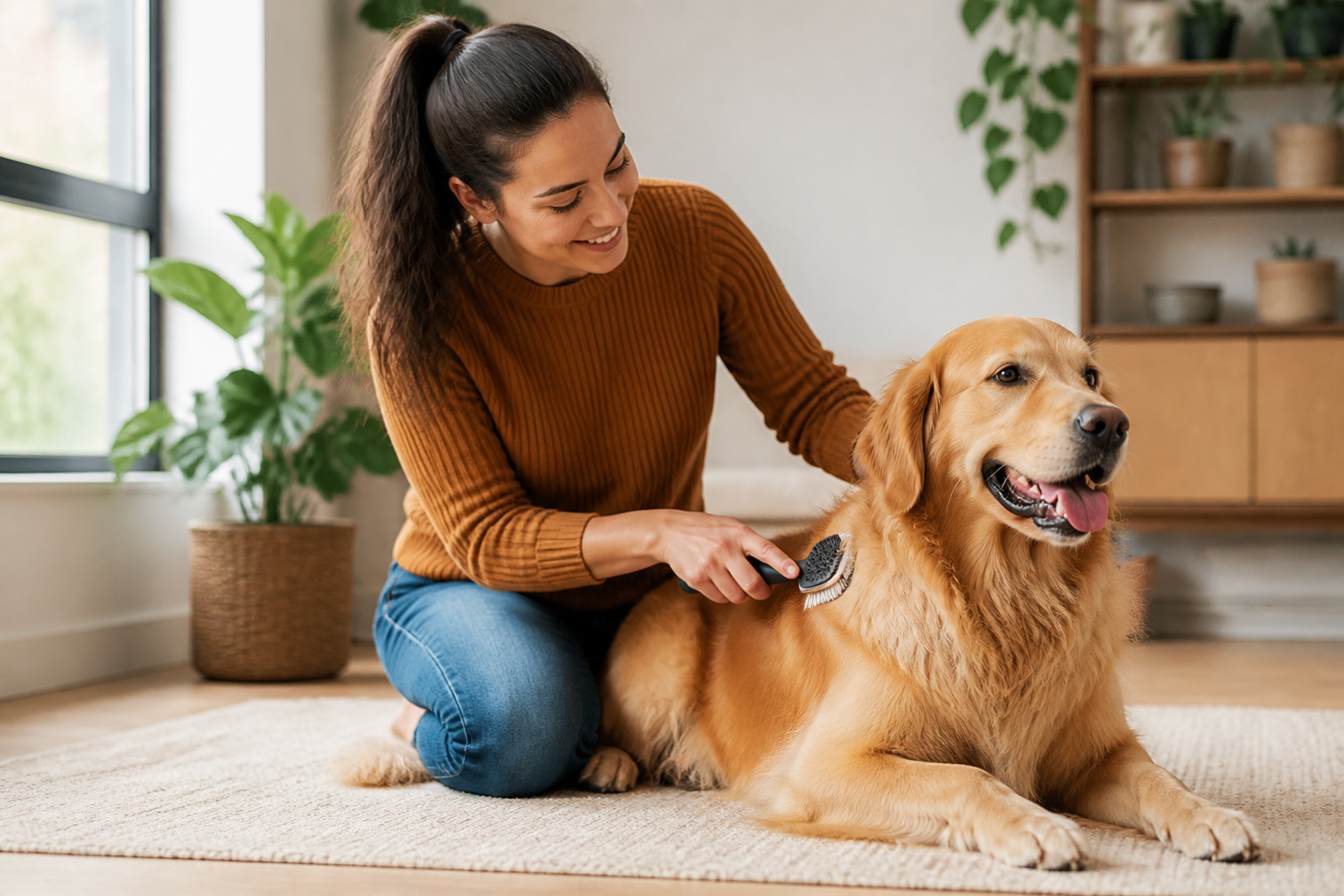
You are sitting on the rug with your dog when you notice a small tumbleweed of fur drifting across the floor. Or perhaps you reach down to scratch their ears and feel a stubborn knot starting to form behind their neck. These moments are the most common reminders that it is time to grab the brush. At BaxterBoo, we know that grooming is about much more than just keeping your home clean. It is a vital part of your dog's health and a perfect way to bond after a long day. This guide covers how often to brush dog coat types of all varieties and the best ways to keep your pet comfortable. We will explain how to tailor your routine to your dog's specific needs so their coat stays shiny and mat free.
Quick Answer: Most dogs benefit from brushing at least once a week. However, long-haired breeds and double-coated dogs often require daily brushing to prevent painful mats and manage heavy shedding.
The Basic Benefits of Regular Brushing
Brushing is the foundation of good pet hygiene. Many owners think of it only as a way to stop shedding. While it certainly helps keep fur off your furniture, the benefits go much deeper than that. When you run a brush through your dog's hair, you are stimulating the skin. This action encourages blood flow and helps distribute natural oils across the entire coat. These oils are what give a healthy dog that signature shine and protective layer against the elements.
Regular sessions also serve as a vital health check. As you move the brush along their body, you can feel for new lumps, bumps, or sensitive spots. You might catch a tick before it attaches or notice a patch of dry, flaky skin that needs attention. It is much easier to address a small skin irritation early than to wait until it becomes a hot spot.
Key Takeaway: Brushing acts as a daily health inspection that keeps the skin oily and the coat vibrant. It is your first line of defense against skin issues and parasites.
Frequency Based on Coat Type
Every dog is different. A Labrador has very different grooming needs compared to a Poodle or a Golden Retriever. To know how often to brush dog coat textures in your home, you first need to identify the hair type.
Short and Smooth Coats
Dogs like Boxers, Labradors, and Beagles have short hair that lies close to the skin. These breeds are often called "wash and wear" dogs because they are low maintenance. However, they still shed quite a bit.
You should aim to brush a short-haired dog once a week. This frequency is enough to remove loose hair and dirt. During the spring and fall shedding seasons, you might increase this to twice a week. A rubber curry brush or a soft bristle brush works best for these dogs. You can find suitable tools in our dog brushes and combs collection.
Medium to Long Coats
Breeds like Spaniels and Setters have longer, silkier hair that can easily tangle. These coats require more frequent attention to prevent knots. Aim for three to four sessions per week. If your dog spends a lot of time outdoors in tall grass or burs, you may need to do a quick check every day. Focus on the "high friction" areas. These include the armpits, behind the ears, and where the collar sits.
Double Coats
Huskies, German Shepherds, and Great Pyrenees have a dense undercoat protected by longer guard hairs. These dogs "blow" their coats twice a year. During these times, daily brushing is almost mandatory to keep the fur under control. Outside of peak shedding seasons, brushing two or three times a week will keep the undercoat from compacting. If the undercoat becomes too thick and matted, it can trap moisture against the skin and lead to infections.
Curly and Non-Shedding Coats
Poodles, Bichon Frises, and many "Doodle" crosses have hair that grows continuously. Because they do not shed in the traditional sense, the dead hair gets trapped in the curls. This leads to severe matting very quickly. These dogs should be brushed every single day. If you cannot commit to daily brushing, it is best to keep their hair clipped short by a professional.
Vet Tip: If your dog has persistent skin redness or a dull coat despite regular brushing, it may be time for a professional evaluation. Our pet pharmacy carries a variety of prescription diets and medications for skin health through our partnership with Pet's Choice.
Identifying Different Brush Types
Choosing the right tool is just as important as how often you use it. Using the wrong brush can be uncomfortable for your dog or simply ineffective at reaching the undercoat.
- Slicker Brushes: These have fine wire bristles. They are excellent for removing mats and tangles in medium to long-haired dogs.
- Bristle Brushes: Best for short-haired dogs. They remove surface debris and polish the coat.
- Undercoat Rakes: These tools have long, tines that reach through the topcoat to pull out dead hair from the undercoat. They are essential for double-coated breeds.
- Rubber Curry Brushes: These are great for short-haired dogs and puppies. They massage the skin and pull away loose fur during bath time.
- Metal Combs: A fine-toothed metal comb is the best way to check your work. If the comb can slide through the hair from skin to tip, you have successfully removed the tangles.
Grooming Kit Checklist
- A brush suited for your dog's specific coat type.
- A metal comb for finishing and checking for mats.
- Detangling spray to help with stubborn knots.
- High-value treats to make the experience positive.
- Blunt-nosed scissors (only for very careful use by experienced owners).
For an all-purpose option, the U-Groom Combo Brush for Dogs and Cats combines stainless-steel pins with boar bristles.
Dealing with Mats and Tangles
A mat is more than just a knot. It is a dense clump of fur that can pull on the skin and cause pain. If a mat gets wet, it tightens. This can eventually lead to skin sores or "mats" that act like a pelt, trapping bacteria underneath.
When you find a knot, do not pull on it. This will make your dog fear the grooming sessions. Instead, apply a small amount of detangling spray or conditioner. Use your fingers to gently pull the knot apart from the outside in. Once it is loosened, use a slicker brush to finish the job. If a mat is too close to the skin or too tight to move, it is safer to have a professional groomer or a vet remove it.
For additional bath-time guidance, see our article on brushing and combing your dog after a bath.
Bottom line: Never pull or yank on a mat, as this causes pain and skin damage.
Seasonal Changes and Shedding Cycles
The weather plays a major role in how often to brush dog coat layers. Most dogs experience a significant shed in the spring as they lose their heavy winter coat. They often have another shift in the fall to prepare for colder weather.
During these transitions, you will likely need to double your brushing frequency. This helps the new coat grow in cleanly and prevents the old hair from becoming a mess. Many owners find that using our Autoship programme for grooming supplies ensures they always have a fresh brush or detangling spray ready when shedding season hits.
Making Brushing a Positive Experience
Many dogs are wary of the brush at first. If your dog hides when they see the grooming kit, you need to change their perspective. Start with very short sessions. Even thirty seconds of brushing followed by a favorite treat can make a difference.
Step 1: Let your dog sniff the brush while it sits on the floor. Give them a treat.
Step 2: Gently touch the dog's side with the back of the brush. Reward them again.
Step 3: Try one or two gentle strokes in the direction of hair growth.
Step 4: Gradually increase the time as your dog becomes more comfortable.
If your dog is extremely anxious or shows signs of aggression during grooming, consult a professional trainer. You want this to be a time of relaxation, not a battle of wills. We see many owners who find that regular, low-stress sessions at home make professional grooming visits much easier for their pets.
Health Signals to Watch For
While you brush, pay close attention to the state of the skin. Healthy skin should be pale and smooth. If you notice any of the following, it might be time to call the vet:
- Excessive flaking or dandruff.
- Bald patches or thinning hair.
- Foul odors coming from the skin or ears.
- Red, inflamed areas or open sores.
- Evidence of fleas or ticks.
Our pharmacy provides FDA-approved flea and tick preventives that can help keep your dog's skin clear. If your vet prescribes a medicated shampoo or a specific skin supplement, you can often find those through our partnership with Pet's Choice.
Vet Tip: Skin issues can sometimes be linked to underlying allergies or nutritional deficiencies. Always consult your veterinarian if you notice a sudden change in your dog's coat quality or if they are scratching excessively.
Grooming Throughout Life Stages
A puppy's coat is usually much softer and thinner than an adult coat. This is the perfect time to start the habit. Even if they do not "need" it for maintenance yet, daily handling helps them get used to the sensation of being handled.
As dogs age into their senior years, they may develop arthritis or skin sensitivity. Be extra gentle around the joints and hips. A senior dog might not be able to stand for long periods, so let them lay down on a soft mat while you brush them. You may also find that senior dogs need more frequent brushing if they can no longer reach certain spots to groom themselves.
Frequently Asked Questions about Brushing
Can I brush my dog too much?
It is rare to over-brush, but you can cause "brush burn" if you use a stiff brush with too much pressure on the skin. Always use a gentle touch and watch for any signs of redness or irritation on the skin. If the skin looks pink or irritated, take a break for a few days.
Should I brush my dog when their coat is wet?
It is usually best to brush your dog before a bath to remove tangles. Wetting a mat often makes it tighter and much harder to remove. If you must brush a wet dog, use a wide-toothed comb and a leave-in conditioner to minimize pulling.
Does brushing help with dog allergies?
Yes, regular brushing can significantly reduce the amount of dander and loose fur in your home. This can help human family members who suffer from pet allergies. It also removes environmental allergens like pollen that may be trapped in your dog's coat after a walk.
How do I know if my dog's coat is matted?
A mat feels like a hard, dense clump of hair that does not move when you touch it. If you try to run a comb through the hair and it stops abruptly at a tangle that you cannot easily see through, that is a mat. You can often feel them by running your hands over your dog's body, especially in areas like the ears and legs.
Conclusion
Determining how often to brush dog coat types depends largely on the length and texture of the hair. While a weekly session is the standard for many, long-haired and curly-coated breeds need daily attention to stay comfortable. Beyond aesthetics, brushing is a critical health practice that allows you to monitor your dog's skin and distribute healthy oils. By choosing the right tools and keeping sessions positive, you make grooming a highlight of your dog's day.
- Establish a weekly routine for short-haired breeds.
- Commit to daily brushing for curly or long-haired dogs.
- Use the change of seasons as a reminder to increase grooming frequency.
- Always reward your dog to build a positive association with the brush.
Key Takeaway: Consistent brushing prevents painful mats and keeps your dog's skin healthy. If you find a skin issue during your routine, our pharmacy is ready to help with prescription solutions.
To keep your grooming kit fully stocked, consider signing up for the MVP Rewards programme to earn points on every purchase of brushes, shampoos, and treats.
FAQ
What happens if I don't brush my dog often enough?
If brushing is neglected, loose hair and dirt become trapped against the skin, leading to painful mats. These mats can pull on the skin, cause sores, and hide parasites like fleas or ticks. In some cases, severe matting can even restrict a dog's movement or trap moisture that leads to fungal infections.
Can brushing replace a professional grooming appointment?
For many breeds, home brushing is essential maintenance but does not replace the need for professional clipping or deep cleaning. Professional groomers have the tools to safely trim hair near sensitive areas and can perform tasks like expressing anal glands or deep ear cleaning. However, regular brushing at home makes the professional's job much easier and less stressful for your dog.
What is the best way to brush a dog that hates being groomed?
Start with very short sessions using a soft brush or a grooming glove that feels like petting. Use high-value treats to reward your dog for staying calm, and slowly work up to longer sessions with more effective tools. If your dog remains highly stressed, consult a professional trainer to help desensitize them to the grooming process.
How do I choose the right brush for a puppy?
Puppies have sensitive skin, so it is best to start with a soft bristle brush or a rubber curry brush. The goal at this stage is more about getting them used to the sensation of being handled than removing large amounts of hair. As their adult coat comes in, you can transition to a slicker brush or rake that matches their specific coat type.






