
 Save 15% on your 1st Autoship learn more

 Email us
 Live Chat
 FAQs
FAQs





Introduction
Finding tumbleweeds of dog hair drifting across your hardwood floors is a familiar sight for many pet owners. You might notice your dog scratching more often or see small knots forming behind their ears after a long walk. These are common signs that your grooming routine needs a quick adjustment. At BaxterBoo, we know that every dog has unique needs based on their breed and lifestyle. This post covers exactly how often you should reach for the brush to keep your dog comfortable and your home a little cleaner. Understanding your dog's coat type is the first step toward a manageable routine. Regular brushing is about more than just aesthetics because it directly impacts skin health and overall wellbeing.
Quick Answer: Most dogs benefit from brushing at least once or twice a week to remove loose fur and dirt. However, long-haired or double-coated breeds often require daily brushing to prevent painful mats and manage heavy shedding.
Understanding Frequency by Coat Type
Not all coats are created equal. A Greyhound has very different requirements than a Goldendoodle or a Siberian Husky. The primary factor in deciding how often to brush is the length and texture of the hair.
Short and Smooth Coats
Dogs with short, smooth coats like Labradors, Boxers, or Beagles are often considered low maintenance. This does not mean they should be ignored. These breeds still shed and produce natural oils that need to be distributed. For these dogs, a thorough brushing once a week is usually sufficient.
During heavy shedding seasons in the spring and fall, you might increase this to two or three times a week. Using a rubber grooming mitt or a soft bristle brush helps pull away loose hairs before they end up on your furniture. It also massages the skin which promotes better circulation.
Medium to Long Coats
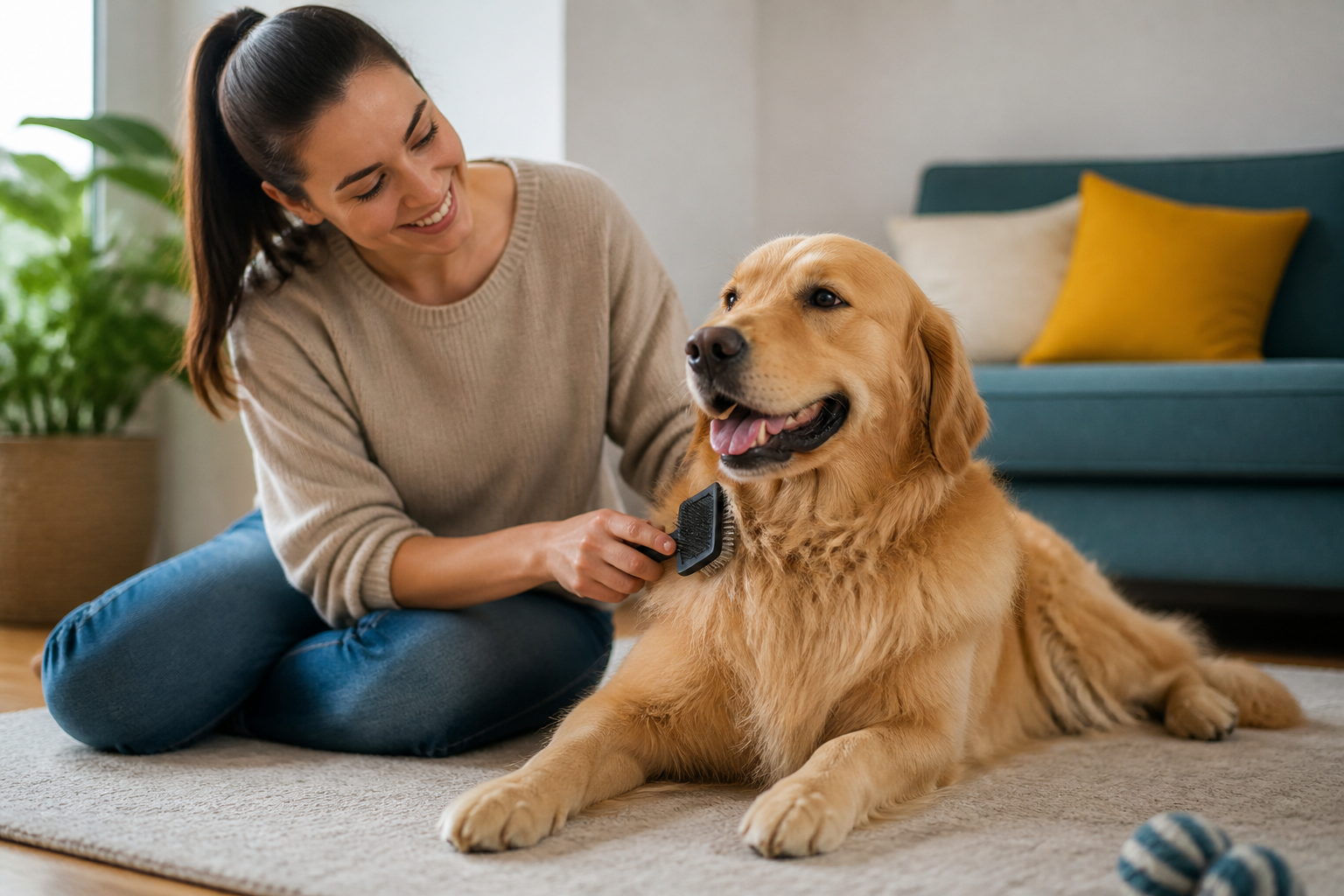
Breeds with longer flowing hair like Golden Retrievers or Cocker Spaniels need more frequent attention. Their hair can easily trap burrs, twigs, and dust. For these dogs, aim for every other day or at least three times a week.
If you skip too many days, the fine hairs can begin to twist together. This leads to matting which is difficult to remove without scissors. Regular sessions keep the coat silky and allow you to spot any skin issues hidden under the long fur.
Double-Coated Breeds
Huskies, German Shepherds, and Great Pyrenees have a dense undercoat protected by longer guard hairs. This undercoat is designed to insulate the dog from both heat and cold. It also sheds heavily.
For double-coated dogs, daily brushing is the gold standard. During the "blow out" seasons when they lose their undercoat in clumps, you may even need to brush them twice a day. Failing to remove the dead undercoat can lead to "compacting." This is where the dead hair gets trapped against the skin, prevents airflow, and can cause hot spots or fungal infections.
For more seasonal shedding guidance, read about how Australian Shepherds shed.
Curly and Wire-Haired Coats
Poodles and many "doodle" mixes have hair that grows continuously rather than shedding out. Wire-haired breeds like Schnauzers have a distinct texture that traps dead hair within the coat. These dogs require daily brushing to prevent the curls from turning into solid mats.
Because their hair does not fall out on its own, you must manually remove it. This also keeps the coat from becoming heavy and uncomfortable. Wire-haired dogs may also need professional "stripping" or regular clipping every few to eight weeks to maintain the proper texture.
Key Takeaway: Match your brushing frequency to the coat type: weekly for short hair, every other day for long hair, and daily for double coats or curly hair.
The Physical Benefits of Regular Brushing
Brushing is a vital health check disguised as a beauty routine. While the primary goal for many owners is reducing shed hair, the physiological benefits for the dog are significant.
Natural Oil Distribution
Every dog produces sebum which is a natural oil created by the skin. This oil protects the skin from moisture loss and gives the coat a healthy shine. Brushing acts as a manual distributor for these oils.
Without regular brushing, the oils can pool at the base of the hair follicle. This can lead to a greasy feel or even clogged pores. Brushing pulls the oils from the skin down the entire length of the hair shaft. This keeps the coat hydrated and resilient against breakage.
Skin Aeration and Temperature Control
A matted or dirty coat acts like a heavy, non-breathable blanket. This is particularly dangerous in the summer months. Brushing removes the dead hair that blocks airflow to the skin.
When the skin can breathe, the dog can regulate its body temperature more effectively. This is why we never recommend shaving a double-coated dog. Instead, we suggest frequent brushing to remove the insulating undercoat while leaving the protective guard hairs intact.
Early Detection of Health Issues
When you brush your dog, you are essentially performing a mini-physical exam. Your hands and the brush move over parts of the body you might not otherwise touch daily. This is the best time to look for:
- Ticks or fleas hiding near the skin.
- New lumps, bumps, or skin tags.
- Redness or irritation from allergies.
- Scratches or small wounds.
- Hot spots forming from moisture trapped in the fur.
Vet Tip: If you notice persistent redness, a strong odor from the skin, or your dog flinches when you brush a specific area, consult your veterinarian. These can be signs of underlying skin infections or painful mats that require professional care.
Essential Tools for a Better Brushing Routine
Using the wrong tool can make grooming a chore for you and a painful experience for your dog. Our warehouse at BaxterBoo stocks a wide variety of tools because different coats require different approaches. Explore our dog grooming supplies to compare brushes, combs, shampoos, and other routine-care items.
Slicker Brushes
These are the most versatile brushes for medium to long-haired dogs. They feature fine, short wires closely spaced on a flat or curved surface. They are excellent for removing loose hair and breaking up small tangles. Use a gentle touch with a slicker brush to avoid "brush burn" on the skin.
You can also browse our dog brushes and combs for tools suited to different coat types.
Undercoat Rakes
For double-coated breeds, a rake is a necessity. These tools have long, metal tines designed to reach through the top layer of hair and pull out the loose undercoat. They are much more effective than a standard brush for managing heavy shedding.
Rubber Curry Brushes
These are best for short-haired dogs. The rubber nubs grab onto loose fur while providing a massage. Brands like Kong make popular versions that many dogs find very relaxing. These can also be used during bath time to help work shampoo into the coat.
Metal Combs
A sturdy metal comb is the final step for long-haired or curly dogs. Once you have used a slicker brush, run the comb through the hair. If it snags, you have a hidden knot that needs attention. This is often called "line brushing" and ensures the coat is tangle-free all the way to the skin.
Step 1: Selection
Choose the tool that matches your dog's specific coat length and texture.
Step 2: Inspection
Run your hands over your dog to check for large mats or sensitive spots before you start.
Step 3: Direction
Always brush in the direction of hair growth to avoid pulling the skin or causing discomfort.
Step 4: Verification
Use a metal comb to check your work and ensure no small tangles remain near the skin.
Bottom line: Having the right tools—like a slicker brush for tangles and a rake for undercoats—makes the process faster and more comfortable for your dog.
Managing Mats and Skin Sensitivity
Mats are not just a cosmetic issue. They are clusters of dead hair and live hair that have wound together tightly. As they grow, they begin to pull on the skin. This can cause bruising, restrict movement, and hide sores.
If you find a mat, do not reach for the scissors immediately. Cutting out a mat with kitchen scissors is a common way dogs end up with accidental nicks and cuts. Instead, try to work it out with your fingers or a specialized detangling tool. Applying a small amount of pet-safe conditioner can also help provide enough slip to pull the hairs apart.
For dogs with sensitive skin or chronic allergies, brushing is even more important. It removes environmental allergens like pollen or dust that can trigger itching. Our pharmacy carries FDA-approved medications for skin conditions and allergies through our partnership with Pet's Choice. If your dog is constantly itchy despite regular brushing and bathing, a prescription diet or medication may be necessary. We offer a range of prescription pet foods that support skin health for dogs with specific sensitivities.
Key Takeaway: Never pull on a tight mat, as this can tear the dog's skin. If a mat is too close to the skin to remove safely, see a professional groomer or your vet.
Seasonal Changes in Grooming Needs
Most dogs experience significant shedding twice a year. This is often called "blowing the coat." It typically happens in the spring as the heavy winter coat falls out and in the fall as the summer coat makes way for winter fur.
During these transitions, your brushing frequency should double. If you usually brush once a week, move to daily sessions. This helps manage the sheer volume of hair and prevents the new coat from growing in through a layer of dead fur. This period of transition is also a great time to check your grooming supplies. Worn-out brushes with bent bristles or missing tips can scratch the skin and should be replaced.
Training Your Dog to Enjoy Brushing
Not every dog is born loving the brush. Some may find the sensation strange or scary. The goal is to build a positive association with grooming sessions.
Start small. If your dog is nervous, only brush for one or minute at a time. Use high-value treats and plenty of praise. Start with the areas where your dog likes to be petted, such as the shoulders or chest. Avoid the sensitive areas like the belly, tail, and paws until they are more comfortable.
Keep your sessions calm. If you are stressed or in a rush, your dog will pick up on that energy. Pick a time when the dog is naturally relaxed, perhaps after a long walk or a meal. If you make it a consistent part of your routine, most dogs will eventually come to see it as a bonding time rather than a chore.
Vet Tip: For highly anxious dogs, consider using calming supplements or pheromone sprays before grooming. If the anxiety is severe, talk to your vet about behavioral strategies or medication to make grooming safer for everyone.
Beyond the Coat: Nails, Ears, and Teeth
While you have the brush out, it is the perfect time to check other areas of your dog's health. Brushing is just one piece of the grooming puzzle.
- Nails: Check the length. If you hear clicking on the floor, they need a trim. Long nails can cause toe joint pain and affect posture.
- Ears: Look for redness or a dark, waxy discharge. If the ears smell like yeast, it may be an infection that needs veterinary attention.
- Teeth: Ideally, teeth should be brushed daily with dog-safe toothpaste. This prevents tartar buildup and gum disease.
- Paw Pads: Check for cracks or debris stuck between the toes. This is especially important in winter when salt and ice can cause irritation.
For additional advice, see these pet dental care tips and review our dog ear care selection.
Maintaining Your Equipment
Your tools need care to work effectively. After every brushing session, remove the hair from the bristles. You can use a comb to pull the hair out of a slicker brush easily.
Once a month, wash your brushes with a mild soap and warm water. This removes the buildup of oils and skin cells. Ensure they are completely dry before using them again to prevent the growth of bacteria. High-quality tools from trusted brands can last for years if they are properly maintained.
Conclusion
Determining how often to brush your dog's coat is about finding a balance between their specific needs and your daily schedule. For most, a few minutes of brushing every few days is enough to maintain a healthy shine and significantly reduce shedding in the home. Remember that short-haired dogs need weekly sessions, while long-haired and double-coated breeds require much more frequent care.
Regular grooming is one of the best ways to stay proactive about your dog's health. It allows you to catch skin issues early and provides a great opportunity for bonding. If you find that your dog’s skin needs more than just a brush, our pharmacy and Pet's Choice partnership offer a variety of prescription solutions for allergies and dermatological needs.
For all your grooming supplies and routine care items, consider signing up for our Autoship programme. You will save on your first order and receive free MVP Gold membership, making it easier to keep your grooming kit fully stocked year-round.
FAQ
Can I brush my dog too much?
It is possible to over-brush if you use too much pressure or the wrong type of brush. This can lead to "brush burn," which is a skin irritation characterized by redness and sensitivity. Always use a gentle touch and stop if the skin looks irritated or if your dog seems uncomfortable.
Should I brush my dog while their coat is wet?
Generally, it is better to brush your dog when the coat is dry. Wet hair is more prone to stretching and breaking. Furthermore, if your dog has mats, water can actually cause them to tighten and become harder to remove. The exception is when you are using a specific rubber brush during a bath to work in shampoo.
How do I get my dog to sit still for brushing?
Consistency and rewards are the keys to success. Start with very short sessions and provide high-value treats throughout the process. Gradually increase the time as your dog becomes more comfortable. It also helps to brush them when they are already tired from exercise.
Why does my dog still shed so much even with daily brushing?
Some shedding is natural and cannot be stopped entirely, especially with double-coated breeds. However, excessive shedding can sometimes be linked to poor nutrition or underlying health issues like allergies. Ensure your dog is on a high-quality diet, and consult your vet if the shedding is accompanied by bald spots or skin sores.






