
 Save 15% on your 1st Autoship learn more

 Email us
 Live Chat
 FAQs
FAQs





Introduction
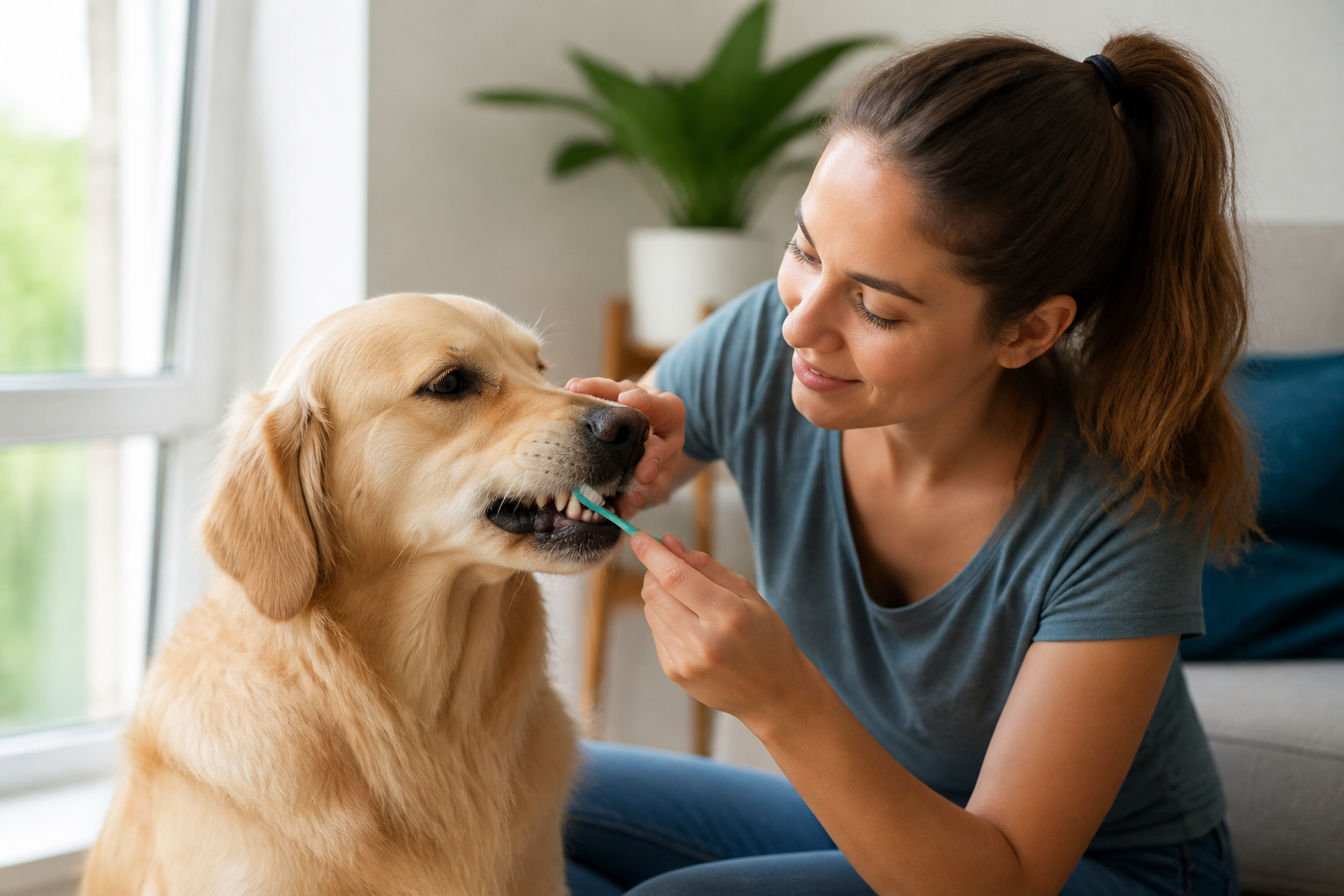
You are relaxing on the couch with your dog after a long day. They lean in for a happy nuzzle, and suddenly, you are hit with a wave of very bad breath. While we often joke about "dog breath," a strong odor is usually the first sign that your pet needs better oral care. At BaxterBoo, we see this often with our own pets. We want to help you move past the smell and focus on the health of your dog. This post covers the ideal frequency for at-home cleanings, the best tools to use, and how to spot signs of dental pain. Consistent at-home care is the best way to prevent expensive vet visits and keep your dog comfortable for years to come.
Quick Answer: You should aim to brush your dog's teeth every single day. If a daily schedule is not possible, cleaning their teeth at least three times per week is the minimum required to prevent plaque from hardening into permanent tartar.
The Ideal Schedule for Dog Dental Care
Most veterinarians agree that daily brushing is the gold standard for canine health. This may seem like a high bar for a busy pet owner. However, the biology of a dog's mouth makes frequency the most important factor. Plaque is a soft, sticky film of bacteria that forms on the teeth within hours of eating. If you do not remove this film, it reacts with the minerals in your dog's saliva. This process turns soft plaque into hard tartar, also known as calculus.
Tartar is the real enemy of your dog's oral health. Once it hardens, you cannot remove it with a toothbrush at home. It requires professional scaling under anesthesia at a veterinary clinic. This hardening process can happen in as little as 48 to 72 hours. This is why brushing once a week is rarely enough. By the time you pick up the brush on Sunday, the plaque from Monday is already stuck for good.
If your schedule is packed, do not give up on oral care entirely. Aiming for at least three sessions per week provides a significant benefit over doing nothing. This frequency helps disrupt the bacteria before they can cause deep inflammation in the gums. We recommend picking a specific time of day, such as right after your own teeth are brushed or after the final walk, to build a lasting habit.
Why Small Breeds Need More Frequent Care
While all dogs benefit from clean teeth, small and toy breeds are at a much higher risk for dental disease. Breeds like Yorkies, Chihuahuas, Pugs, and Dachshunds often have "crowded" mouths. They have the same number of teeth as a large dog, but their jaws are much smaller. This crowding creates many tiny nooks and crannies where food particles and bacteria get trapped.
Small dogs also have less bone density in their jaws. If a small dog develops a tooth infection, it can quickly lead to a jaw fracture or bone loss. Because of these risks, owners of small dogs should be extra diligent. If you own a toy breed, daily brushing is not just a suggestion. It is a necessary part of their daily hygiene to prevent early tooth loss.
Key Takeaway: Daily brushing is the only way to stop plaque from turning into tartar. Small breeds are especially prone to fast tartar buildup and should have their teeth cleaned every day without exception.
The Link Between Mouth Health and Systemic Wellness
It is easy to think of dental care as a cosmetic issue. Many owners assume that a few yellow teeth or bad breath are just part of aging. This is a dangerous misconception. The mouth is the gateway to the rest of the body. When a dog has periodontal disease, the gums are essentially an open wound. This allows harmful bacteria to enter the bloodstream every time your dog chews or plays.
Once in the bloodstream, these bacteria travel to major organs. Studies have linked chronic oral infections to heart valve disease, also known as endocarditis. The bacteria can also settle in the liver and kidneys, causing micro-abscesses and decreasing organ function over time. By cleaning your dog's teeth regularly, you are doing much more than freshening their breath. You are protecting their vital organs and potentially extending their lifespan. For additional guidance on warning signs, read about bad teeth in dogs and what to do.
Vet Tip: If you notice your dog has bleeding gums or extremely foul breath, schedule a veterinary exam before you start a heavy brushing routine. Brushing over an active infection can be painful for your dog and may push bacteria further into the bloodstream.
Essential Tools for At-Home Cleaning
Using the right equipment makes the process safer for your dog and easier for you. You should never use human products on your pet. Most human toothpastes contain fluoride or xylitol. Xylitol is a sweetener that is highly toxic to dogs even in small amounts. Fluoride can cause severe stomach upset if swallowed. Since dogs cannot spit, they will swallow every bit of paste you use. You can compare brushes, toothpaste, wipes, and other options in our dog dental care collection.
Enzymatic Toothpaste
Canine-specific toothpastes are usually enzymatic. These pastes use proteins to break down the film on the teeth even if you cannot reach every spot with a brush. They also come in flavors that dogs actually enjoy, like poultry, beef, or peanut butter. This makes the experience feel more like a treat than a chore. At BaxterBoo, we recommend trying a few different flavors to see which one your dog likes best.
Toothbrush Varieties
The best brush is the one your dog will tolerate. There are several options to choose from:
- Standard Pet Toothbrushes: These look like human brushes but have longer handles and angled heads to reach the back molars.
- Dual-Headed Brushes: These have two sets of bristles that clean the front and back of the tooth at the same time.
- Finger Brushes: These are small silicone or rubber caps that fit over your fingertip. They are excellent for puppies or dogs who are nervous about having objects in their mouth.
- Dental Wipes: If your dog absolutely refuses a brush, dental wipes are pre-moistened pads you rub over the teeth. They are less effective than a brush but far better than no care at all.
A Step-by-Step Guide to Training Your Dog
Most dogs will not let you stick a brush in their mouth immediately. You must build trust through a slow, positive introduction. Forcing the issue will only make your dog hide when they see the toothbrush. Follow these steps over the course of one or two weeks. For more training guidance, review these pet dental care tips for introducing brushing.
Step 1: The Taste Test.
Put a small amount of dog toothpaste on your finger. Let your dog lick it off. Do this for a few days so they associate the paste with a tasty reward.
Step 2: The Finger Massage.
Once they like the paste, put some on your finger and gently rub it along their upper gums. Do not try to open their mouth yet. Just focus on the outer surfaces of the teeth and gums.
Step 3: Introduce the Tool.
Show your dog the brush or finger cap. Let them sniff it. Put some paste on the bristles and let them lick it off. This helps them realize the brush is not a threat.
Step 4: The First Brush.
Gently lift the upper lip. Use the brush in a circular motion on the large canine teeth and the premolars. Focus on the gum line, as that is where plaque does the most damage. Start with just 10 seconds per side.
Step 5: Full Mouth Coverage.
Gradually increase the time until you can brush the entire mouth. You do not need to worry about the inside of the teeth. A dog's tongue does a decent job of keeping the inner surfaces clean. Focus your effort on the outer surfaces near the cheeks.
Bottom line: Patience during the training phase prevents a lifetime of struggling with your dog during grooming.
Dietary Support and Prescription Needs
What your dog eats also plays a role in their oral health. While most dry kibble does not actually "clean" teeth, there are specific dental diets designed with a larger, fibrous kibble. This structure forces the dog to chew, creating a scrubbing action on the tooth surface. We carry several brands that offer dental support formulas, including Royal Canin and Farmina.
If your dog has advanced dental issues, your vet may recommend a prescription diet. These are formulated to reduce mineral buildup in the saliva. Our pet pharmacy provides access to these specialized foods and FDA-approved medications through our partnership with Pet's Choice. If your veterinarian provides a prescription for a specific dental health diet or an oral antibiotic, we can help you fulfill that order conveniently.
When At-Home Care Isn't Enough
Even with perfect brushing, most dogs will eventually need a professional cleaning. Think of it like your own dental visits. You brush and floss every day, but you still go to the dentist for a deep clean. For most dogs, a professional cleaning should happen once a year. Some senior dogs or small breeds may need a visit every six months.
During a professional cleaning, your vet will perform a full exam while the dog is under anesthesia. This is the only way to safely take X-rays of the tooth roots and clean beneath the gum line. If your dog is showing signs of serious pain, you should see a vet immediately.
Watch for these warning signs:
- Dropping food while eating
- Pawing at the muzzle or face
- Excessive drooling, sometimes with blood
- Swelling under the eye or along the jawline
- A "chattering" jaw when they try to eat
These symptoms often indicate a fractured tooth or a root abscess. These conditions are very painful and cannot be fixed with a toothbrush. Your vet will determine if an extraction is necessary to stop the infection from spreading.
Effective Alternatives to Brushing
We know that some dogs are extremely difficult to brush. If you have a rescue dog with a history of trauma or a dog with a very sensitive mouth, you can use other tools to slow down plaque. These should be seen as supplements to brushing, not total replacements.
Dental Chews
Products like Greenies or dental-specific treats are designed to be abrasive. As the dog chews, the treat scrapes away some of the soft plaque. Look for the Veterinary Oral Health Council (VOHC) seal on packaging to ensure the product has been tested for effectiveness. Browse our dog dental supplements for additional options.
Water Additives
These are tasteless liquids you add to your dog's water bowl. They contain enzymes or minerals that help kill bacteria in the mouth. This is a very easy "set it and forget it" option for busy owners.
Chew Toys
Durable rubber toys, such as those made by Kong, can help. Some are designed with ridges that massage the gums and scrape the teeth as the dog plays. Smearing a little dog toothpaste into the grooves of a toy is a great way to get some cleaning action without a struggle. Explore our selection of KONG products for durable play options.
The Cost of Neglect vs. The Cost of Prevention
Many owners avoid dental care because they worry about the cost of professional cleanings. However, preventative care is much more affordable in the long run. A daily brushing routine costs only a few dollars a month for toothpaste and brushes. In contrast, treating advanced periodontal disease often requires multiple extractions, oral surgery, and long courses of antibiotics.
Neglected teeth can also lead to systemic health crises that require emergency vet visits. By spending two minutes a day on your dog's teeth, you are saving yourself thousands of dollars in future medical bills. Most importantly, you are sparing your dog from the chronic, dull pain that comes with rotting teeth and inflamed gums.
Summary of Best Practices
Maintaining a healthy mouth for your dog requires a multi-pronged approach. You cannot rely on one single product to do all the work. The best routine combines consistent mechanics with professional oversight.
- Frequency: Aim for daily brushing, or at least three times per week.
- Technique: Focus on the gum line and the outer surfaces of the back molars.
- Safety: Always use dog-safe enzymatic toothpaste and never human varieties.
- Monitoring: Check your dog's mouth weekly for redness, swelling, or broken teeth.
- Professional Help: Schedule a dental exam with your vet at least once a year.
Key Takeaway: Dental health is a marathon, not a sprint. Consistency over time is what prevents tooth loss and protects your dog's heart and kidneys.
Conclusion
Taking care of your dog's teeth is one of the most impactful things you can do for their long-term health. While it might feel like a chore at first, most dogs eventually learn to enjoy the taste of the toothpaste and the extra attention. At BaxterBoo, we are committed to providing the tools you need to make this routine successful. Whether you need a starter finger brush, a bulk pack of dental chews, or a prescription diet from our pharmacy, we have you covered. Keeping those pearly whites clean means more fresh-smelling snuggles and a happier, healthier life for your best friend. To stay on top of your pet's needs, consider signing up for our Autoship programme to ensure you never run out of toothpaste or dental treats.
FAQ
How often should I brush my dog's teeth?
Ideally, you should brush your dog's teeth every day to remove plaque before it hardens into tartar. If daily brushing is not possible, try to do it at least three times a week to maintain a basic level of oral health. Brushing less than once a week is generally ineffective because tartar forms within 48 to 72 hours.
Can I use my own toothpaste on my dog?
No, you must never use human toothpaste on a dog. Human toothpaste often contains xylitol, which is a sweetener that is deadly to dogs. It also contains foaming agents and fluoride that can cause severe stomach upset since dogs cannot spit out the paste.
What are the signs of dental disease in dogs?
Common signs include very bad breath, red or swollen gums, and visible yellow or brown tartar on the teeth. You might also notice behavioral changes like dropping food, reluctance to play with chew toys, or pawing at the face. If you see bleeding in the mouth or swelling near the jaw, you should visit a veterinarian immediately.
Do dental chews actually work?
Dental chews can be a helpful supplement, but they are not a replacement for brushing. They work by using abrasion to scrape away soft plaque as the dog chews. For the best results, look for products with the VOHC seal of approval and use them alongside a regular brushing routine.






