
 Save 15% on your 1st Autoship learn more

 Email us
 Live Chat
 FAQs
FAQs





Introduction
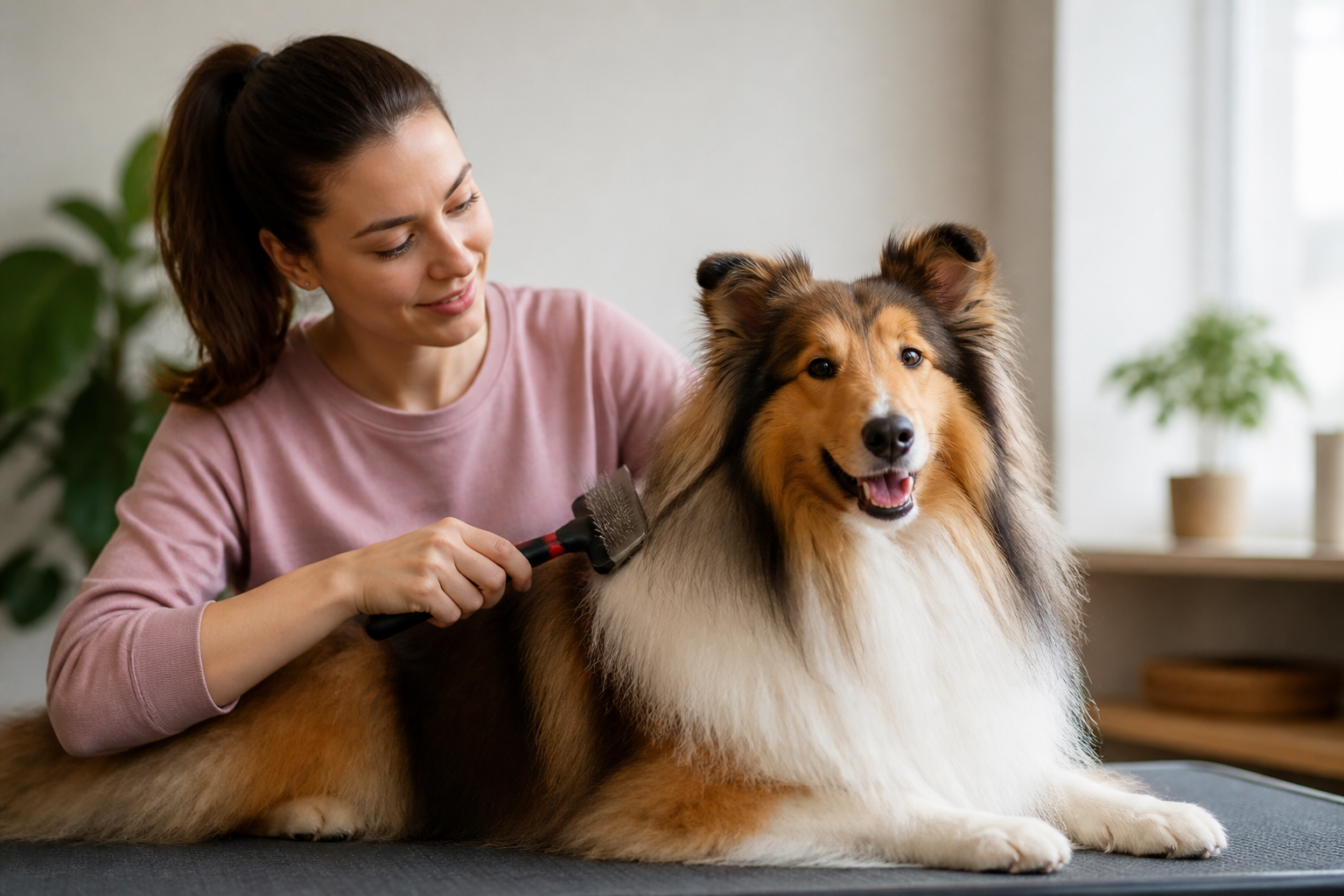
You are sitting on the rug with your Golden Retriever or Yorkshire Terrier when you notice a small, tight knot behind their ear. You try to pull it apart with your fingers, but your dog flinches. This is the moment every long-haired dog owner knows well. Those beautiful, flowing locks look stunning when they are fresh from the groomer, but they can quickly turn into a tangled mess without the right routine. At BaxterBoo, we see thousands of pet parents navigating the challenges of high-maintenance coats every year. This guide covers the essential tools, techniques, and safety tips you need to keep your dog comfortable and tangle-free. Brushing is more than just a beauty routine. It is a vital part of your dog's physical health and a perfect way to strengthen your bond.
Quick Answer: The best way to brush a dog with long hair is using a technique called line brushing. This involves parting the hair and brushing from the skin outward in small sections to ensure you remove tangles from the undercoat.
Identifying Your Dog's Specific Long Hair Type
Not all long hair is created equal. Before you grab a brush, you need to know exactly what kind of coat you are working with. Long-haired dogs generally fall into two categories: single-coated and double-coated. This distinction changes everything about the tools you choose and how often you need to use them.
Single-coated long-haired dogs include breeds like the Maltese, Havanese, and Yorkshire Terrier. Their hair is often more like human hair. It grows continuously and does not have a thick, fuzzy undercoat. These dogs shed very little, but their fine hair tangles easily. If you skip a few days of brushing, those fine strands will wrap around each other and create tight mats.
Double-coated long-haired dogs include the Golden Retriever, Border Collie, and Bernese Mountain Dog. These dogs have a harsh outer coat and a dense, soft undercoat. The undercoat is what keeps them warm in winter and cool in summer. However, the undercoat also sheds heavily. If that dead hair is not brushed out, it gets trapped against the skin. This creates a "pelting" effect where the fur becomes a solid sheet of felt.
Key Takeaway: Determine if your dog has a single or double coat before choosing your tools. Single coats need fine-tooth combs and pin brushes, while double coats require undercoat rakes and slicker brushes.
The Essential Tool Kit for Long-Hair Grooming
You cannot do a professional job with just one generic brush from the grocery store. Long hair requires a specific set of tools to reach the skin and manage the volume of fur. We recommend building a kit that includes at least three primary tools. Start by exploring our dog brushes and combs for options suited to different coat types.
The Slicker Brush
This is the workhorse of your grooming kit. A slicker brush has a flat or slightly curved head with rows of thin wire pins. These pins are slightly hooked. They are designed to grab loose hair and break up small tangles. It is excellent for breeds with thick coats or those prone to moderate shedding.
The Pin Brush
A pin brush looks similar to a human hairbrush. It has longer pins, usually with rounded tips. This tool is best for finishing a coat or for dogs with very long, silky hair like a Silky Terrier or an Afghan Hound. It provides a polished look without pulling too hard on the skin.
The Metal Greyhoud Comb
This is the most important tool you might be missing. A sturdy metal comb with wide teeth on one end and fine teeth on the other is essential. It is the only way to check your work. If the comb cannot pass through the hair from the skin to the tips, you still have a knot.
The Undercoat Rake
If you have a double-coated dog, an undercoat rake is mandatory. These tools have long, sturdy teeth that reach through the topcoat to pull out the dead "fuzz" of the undercoat. Using this once a week can reduce the amount of hair on your furniture by half.
Step-by-Step Guide to Line Brushing
The biggest mistake owners make is "surface brushing." This is when you brush the top layer of hair so it looks smooth, but the hair near the skin remains a matted mess. Line brushing is the gold standard for long-haired pets. Our grooming tools can help you assemble the right kit.
Step 1: Position your dog. / Have your dog stand or lie down in a comfortable, well-lit spot. For small dogs, a grooming table or a counter with a non-slip mat works best.
Step 2: Start at the bottom. / Begin at the back legs or the base of the tail. Use your hand to push the hair up, exposing a "line" of skin.
Step 3: Brush downward. / Take your slicker or pin brush and brush the small section of hair downward, away from the hand holding the hair up. Ensure you are starting the stroke at the skin.
Step 4: Check with a comb. / After brushing that small section, run your metal comb through it. If it catches, go back with the brush.
Step 5: Move up the body. / Drop another small section of hair down and repeat the process. Work your way from the legs to the belly, then up the sides to the back.
Step 6: Handle the "friction zones." / Pay extra attention to the armpits, behind the ears, and the "trousers" on the back legs. These areas rub together during movement and mat faster than any other spot.
Vet Tip: Always check the skin for redness or irritation while you brush. If your dog has developed hot spots or skin infections due to matting, consult your veterinarian. Our pet pharmacy offers prescription skin treatments and medicated shampoos through our partnership with Pet's Choice to help heal damaged skin.
Managing Mats and Tangles Safely
Even with a great routine, mats happen. A mat is more than just a knot. It is a cluster of hair that has tangled so tightly it begins to pull on the skin. This can be painful for your dog. It can also trap moisture, leading to bacterial or fungal infections.
Never use scissors to cut out a mat. A dog's skin is very thin and can easily be pulled up into the mat. If you snip the hair, you might accidentally create a deep laceration. Instead, use a dedicated dematting tool or a slicker brush. You can find dematting options in our dog brushes and combs collection.
To break up a mat, hold the base of the hair firmly between your thumb and the skin. This prevents the brush from pulling on the dog's skin. Use the corner of your slicker brush to "pick" at the mat from the outside edges, moving slowly toward the center. You can also apply a pet-safe detangling spray to help the hairs slide apart.
If a mat is tight against the skin and feels like a solid lump, do not try to brush it out. This is too painful for the dog. In these cases, it is safer to have a professional groomer or a vet use electric clippers to remove the mat.
Bottom line: Safety comes first when dealing with mats. Use your fingers to buffer the skin and never reach for the scissors.
The Pre-Bath Brushing Rule
There is one rule that every pet owner must follow: always brush your dog before you put them in the tub. Water acts like a glue for tangles. If your dog has a small knot and you get it wet, that knot will shrink and tighten as it dries.
Once a mat is wet and then dried, it often becomes impossible to brush out. This is how many dogs end up needing a full shave-down at the groomer. By brushing thoroughly before the bath, you ensure the shampoo can actually reach the skin. It also makes the drying process much faster.
After the bath, you should brush again while the hair is damp but not soaking wet. Using a leave-in conditioner or a blow-out spray can help the brush glide through the long hair. This second brushing ensures that no new tangles formed during the scrubbing process. For additional bathing guidance, see these tips for bathing your dog.
Keeping Your Dog Calm and Cooperative
Not every dog loves the brush. If your dog sees the slicker brush and runs under the couch, you need to change the association. Start by letting them sniff the tools while they eat high-value treats.
Keep your initial sessions very short. You do not have to brush the whole dog at once. You can do the front legs on Monday, the back legs on Tuesday, and the body on Wednesday. Frequent, five-minute sessions are much better than one hour-long struggle once a month.
Use plenty of rewards. We find that using a lick mat with a bit of peanut butter or yogurt can keep a dog occupied and still while you work on their tail or ears. If your dog shows signs of stress like lip licking, yawning, or growling, stop immediately. You want them to feel safe so that grooming becomes a relaxing bonding time.
Health Benefits Beyond Aesthetics
Brushing is one of the best ways to monitor your dog's overall health. While you are moving through the coat, you are essentially performing a mini-physical exam. You will notice things that might otherwise be hidden under all that fur.
- Lumps and Bumps: You can feel new growths or cysts early.
- Parasites: It is much easier to spot fleas or ticks when the hair is parted.
- Skin Condition: You can see if the skin is dry, flaky, or overly oily.
- Injuries: You might find small scratches or thorns that your dog picked up on a walk.
If you find evidence of fleas or ticks during your grooming session, we can help. Our flea and tick collection includes a range of options to help you maintain your dog's grooming and care routine.
Why Consistency Matters
For a long-haired dog, consistency is the difference between a happy pet and a painful one. A dog with a severely matted coat cannot move freely. Mats under the armpits can make every step feel like a pinch. Mats on the ears can become heavy and restrict blood flow.
Setting a schedule is the easiest way to stay on track. For breeds like Goldendoodles or Poodles, daily brushing is often necessary. For more traditional long-haired breeds like Golden Retrievers, three times a week is usually sufficient.
When you stay consistent, the job gets easier. It takes much less time to brush out a few loose hairs than it does to tackle a month's worth of accumulated undercoat. Your tools will also last longer because they aren't struggling against massive tangles.
Key Takeaway: Regular brushing prevents the "pelted" coat condition that requires a complete shave. It keeps the skin breathing and the dog moving comfortably.
Summary of Best Practices
Maintaining a long coat is a commitment, but it is a rewarding one. When you see your dog running with their coat flowing and healthy, you know the effort is worth it. Here is a quick checklist for your next session:
- Gather your slicker brush, pin brush, and metal comb.
- Ensure your dog is calm and has a treat to keep them busy.
- Use the line brushing technique to reach the skin.
- Pay special attention to friction zones like the armpits and ears.
- Never use scissors to cut out mats.
- Always brush before and after every bath.
By following these steps, you keep your dog looking great and feeling even better. If you ever feel overwhelmed by the state of your dog's coat, don't hesitate to reach out to a professional. Sometimes a "reset" shave is the kindest thing you can do for a severely matted dog, allowing you to start fresh with a new grooming routine.
At BaxterBoo, we are here to support your journey as a pet parent. Whether you are looking for a new set of brushes or need to restock your grooming sprays, our expertly curated selection has you covered. You can even save on your regular grooming supplies by joining our Autoship program. This ensures you never run out of the essentials while earning MVP Rewards on every purchase.
You can learn more about the MVP Rewards programme while stocking up on the supplies you need. Taking care of a long-haired dog is a big job, but with the right tools and a little patience, you will both enjoy the process.
FAQ
How often should I brush my long-haired dog?
Most long-haired dogs need to be brushed at least three times a week to prevent mats. If your dog has a very fine, silky coat or a dense double coat, daily brushing is usually the best way to stay ahead of tangles. Regular sessions make the job faster and more comfortable for your pet.
Can I brush my dog while their hair is wet?
It is generally better to brush your dog before they get wet, as water can tighten existing mats and knots. However, once you have washed them and applied a conditioner, you can gently brush through the damp hair to ensure it dries smoothly. Always do a thorough dry-brushing session before the bath starts.
What should I do if my dog has a mat I can't get out?
If a mat is too tight to brush out, do not use scissors to cut it, as you risk slicing the dog's skin. You can try using a dematting tool or a detangling spray to slowly work it apart. If the mat is hard and against the skin, it is safest to have a professional groomer or a veterinarian remove it with clippers.
My dog hates being brushed, how can I make it easier?
Start by keeping sessions very short and using high-value treats to create a positive association. Use a lick mat or a stuffed toy to keep them distracted while you work on one small area at a time. Gradually increase the length of the grooming sessions as your dog becomes more comfortable and relaxed with the process.






