
 Save 15% on your 1st Autoship learn more

 Email us
 Live Chat
 FAQs
FAQs





Introduction
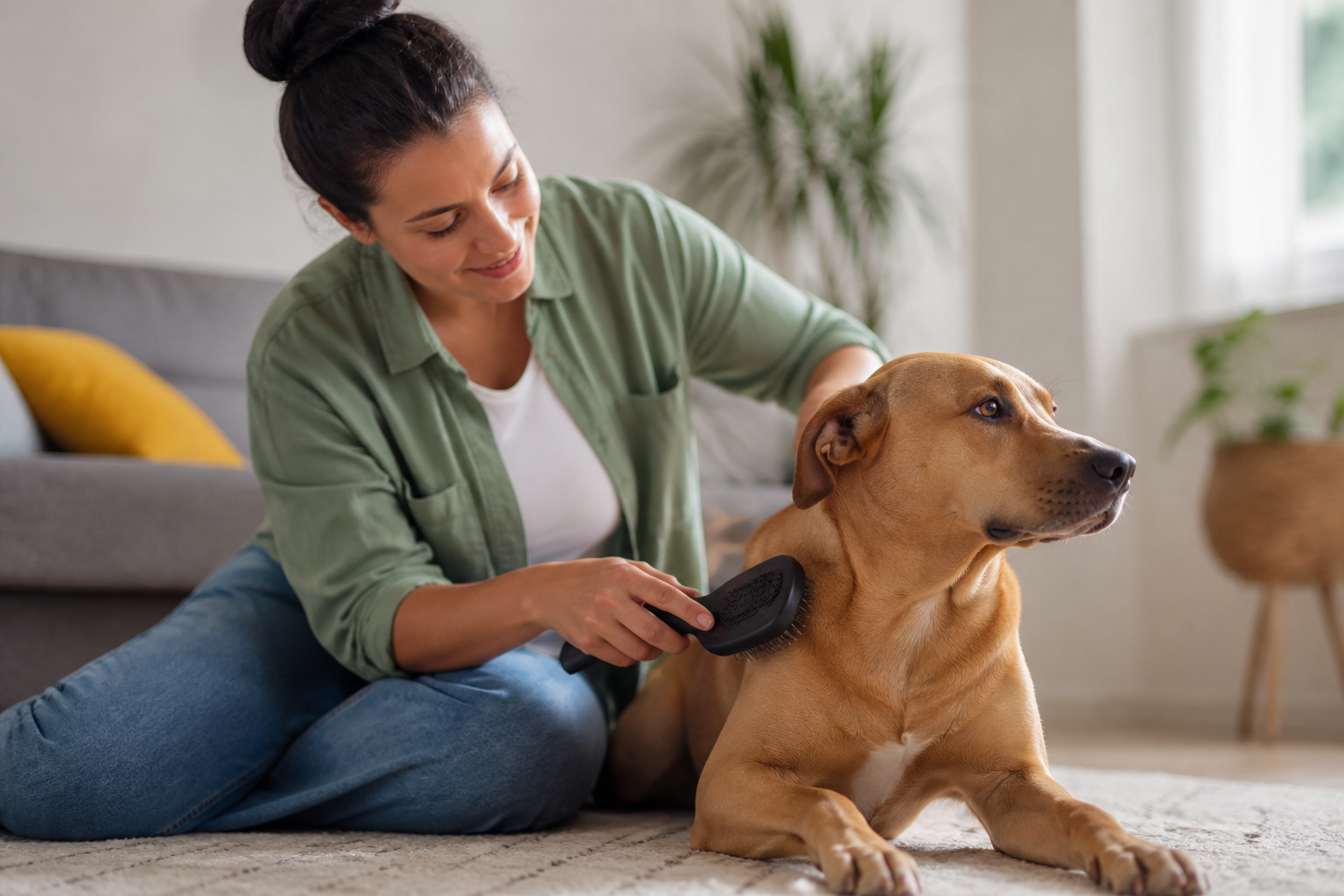
You might have chosen a short-haired dog specifically to avoid the constant grooming and "floof" associated with longer coats. However, many owners are surprised when they find thousands of tiny, needle-like hairs embedded in their sofa cushions or car seats. Short hair does not mean no maintenance. Breeds like Boxers, Labradors, and Beagles still shed their coats and require regular care to keep their skin healthy. At BaxterBoo, we have spent years helping pet parents find the right tools for every coat type from our warehouse in Vernon Hills. This guide covers the specific techniques and tools you need to manage a short coat effectively. You will learn why these dogs shed, which brushes actually work, and how to make the process a positive experience for your pet.
Why Short-Haired Dogs Need Regular Brushing
It is a common myth that short-haired dogs are maintenance-free. While they do not get the heavy mats or tangles that a Poodle or a Golden Retriever might, their grooming needs are just as important. Short hair follows a faster growth cycle. This means the hair reaches its full length quickly, dies, and falls out to make room for new growth. Without regular brushing, these dead hairs sit against the skin or fall off onto your clothes and furniture.
Brushing is about more than just controlling hair in your house. It is a vital part of skin health. When you brush your dog, you stimulate the skin and encourage blood flow to the surface. This helps the skin stay supple and healthy. It also helps distribute natural oils. Dogs produce sebum, a natural oil that protects the skin and gives the coat a healthy shine. Brushing moves these oils from the base of the hair across the entire shaft. This prevents the skin from becoming dry and itchy while making your dog look like they just stepped out of a professional grooming salon.
Key Takeaway: Brushing a short-haired dog removes dead fur before it sheds and distributes natural oils that keep the coat shiny and the skin hydrated.
Understanding Different Types of Short Coats
Not all short hair is the same. Understanding the specific texture of your dog's coat will help you choose the right tools and frequency.
Smooth Coats
Smooth-coated dogs, like Greyhounds, Boxers, and Miniature Pinschers, have very short hair that lies flat against the body. They usually do not have a thick undercoat. These dogs are generally easier to brush, but their skin is often more sensitive because there is less hair to act as a cushion. You have to be careful not to use tools that are too abrasive or sharp.
Dense or Double Short Coats
Some short-haired breeds actually have two layers of fur. Labrador Retrievers, Pugs, and Beagles often have a dense, soft undercoat beneath a coarser topcoat. These dogs shed significantly more than smooth-coated breeds. If you run your hand against the grain of their fur, you will feel the thickness. These dogs require tools that can reach through the topcoat to pull out the fuzzy undercoat before it explodes all over your living room.
Wiry Short Coats
Certain terriers have short hair that is coarse and "wiry." While they do not shed as much as a Lab, their hair can become brittle if not cared for. They often benefit from a mix of brushing and occasionally "stripping" the dead hair, though a good bristle brush is often enough for weekly maintenance.
Essential Tools for Short-Haired Grooming
Using the wrong brush is the most common reason owners give up on grooming. A brush designed for a Husky will not work on a Dalmatian. You need tools that grip short hair and massage the skin. You can browse our dog grooming supplies for brushes, shampoos, wipes, and other grooming tools.
Rubber Curry Brushes
This is the most important tool for any short-haired dog owner. A rubber curry brush, like the Kong ZoomGroom, uses flexible rubber nubs to grab loose hair. The rubber creates a magnetic-like pull on the fur. It also provides a deep massage that most dogs find very relaxing. This tool is excellent for both smooth and dense coats.
Bristle Brushes
A natural bristle brush is perfect for the "finishing" stage. These brushes have soft, densely packed bristles that pick up fine dust and dander. They are the best tool for moving natural oils across the coat to create a high-gloss finish. Look for brushes with natural bristles, as synthetic ones can sometimes cause static or be too stiff for sensitive skin.
De-Shedding Tools
For dogs with a dense undercoat, a dedicated de-shedding tool is a must. These tools have a fine-toothed edge that reaches past the topcoat to grab loose undercoat hair. However, these should be used with a light touch. Because the hair is short, the metal teeth are very close to the skin.
Grooming Gloves
If your dog is nervous about traditional brushes, grooming gloves are a great alternative. These are wearable mitts with rubber nodules on the palm. They allow you to groom your dog simply by petting them. They are particularly useful for sensitive areas like the legs and belly where a hard brush might be uncomfortable.
Quick Answer: The best tool for a short-haired dog is a rubber curry brush. It effectively removes loose hair through friction while providing a skin-stimulating massage that most dogs enjoy.
Step-by-Step Technique for Brushing
Brushing a short-haired dog is straightforward, but doing it in a specific order ensures you catch all the loose hair and keep your pet comfortable.
Step 1: Start at the neck. / Move in the direction of hair growth. Use long, sweeping strokes to loosen the surface hair and get your dog used to the feeling of the brush.
Step 2: Use circular motions with a rubber brush. / This is the secret to removing the most hair. The circular motion helps lift dead fur out of the follicles. Focus on the shoulders and hindquarters, where hair is often densest.
Step 3: Brush the belly and legs gently. / These areas have thinner skin and less padding. Use a lighter touch or switch to a soft grooming glove to avoid causing irritation.
Step 4: Finish with a bristle brush. / Once you have removed the bulk of the loose hair, use a bristle brush in long strokes following the direction of hair growth. This smooths the coat and adds shine.
Step 5: Wipe them down. / Use a damp cloth or a grooming wipe to pick up any remaining loose hairs that are still sitting on top of the coat. This prevents them from falling off as soon as the dog shakes.
Frequency and Seasonal Changes
How often you brush depends on the season and your dog's specific shedding level. For most short-haired dogs, a thorough brushing two to three times a week is sufficient. This keeps the hair under control and ensures the skin remains healthy.
During "shedding season," which usually occurs in the spring and fall, you may need to brush daily. Even short-haired dogs react to changes in daylight and temperature by dropping their old coat to make room for a new one. If you notice your dog is leaving more hair than usual on their bed, increase your grooming sessions. For more information about seasonal shedding and undercoat care, read how Australian Shepherds shed.
Regular brushing also helps you monitor your dog's weight and body condition. As you run your hands and brushes over them, you will notice if they are gaining or losing weight, or if they have any new lumps or bumps that need professional attention.
Vet Tip: If you notice sudden, excessive hair loss, bald patches, or red, inflamed skin, consult your veterinarian. These can be signs of allergies, parasites, or underlying health issues rather than normal shedding.
Skin Health and Nutritional Support
A healthy coat starts from the inside. While brushing removes dead hair, the quality of the new hair depends on nutrition. If your dog has a dull, brittle coat or flaky skin, they might benefit from a change in diet or the addition of supplements.
Look for foods rich in Omega-3 and Omega-6 fatty acids. These are essential for skin barrier health. Many high-quality brands we carry, such as Zesty Paws or Honest Paws, offer supplements specifically formulated to support skin and coat health. We also carry premium foods like Farmina and Open Farm that prioritize high-quality proteins and fats. Explore our dog food selection when reviewing your dog's overall nutritional routine.
Maintaining hydration is also vital. Dry skin sheds more easily and can become itchy. Ensure your dog always has access to fresh water, and consider adding a little moisture to their kibble if they have chronically dry skin.
Checking for Pests and Skin Issues
Grooming is the perfect time to perform a "health check" on your dog. Because short hair doesn't hide much, you can easily spot issues that might be buried on a fluffier dog.
Fleas and Ticks
Run your fingers through the hair to feel for small bumps. Ticks often hide in "warm" spots like the armpits, between toes, and around the ears. You should also look for "flea dirt," which looks like small specks of black pepper. If you find evidence of pests, it is important to act quickly.
Our pharmacy provides a wide range of FDA-approved flea and tick preventives through our partnership with Pet's Choice. Whether you need a prescription-strength oral medication or a topical treatment like Frontline or NexGard, our dog pharmacy can help you get the right protection. Regular prevention is much easier than treating an active infestation in your home.
Lumps and Bumps
As dogs age, they often develop fatty tumors or other skin growths. Brushing allows you to find these early. Note the size, shape, and "feel" of any lump. If a lump is hard, fixed in place, or growing rapidly, it is time for a vet visit.
Hot Spots and Rashes
Short-haired dogs can be prone to skin irritations from grass allergies or environmental triggers. Look for red patches or areas where the dog has been licking excessively. Catching a "hot spot" early can prevent it from turning into a painful infection that requires antibiotics.
Bottom line: Use your weekly brushing session as a full-body health scan to catch skin issues, lumps, or parasites before they become serious problems.
Making Brushing Enjoyable
Not every dog loves being brushed. If your dog hides when they see the brush, you need to change their association with the process.
Start slow. For the first few sessions, only brush for one or two minutes. Use high-value treats like those from RedBarn or Stella and Chewy's to reward them for staying still. Eventually, most dogs start to enjoy the massage-like feel of a rubber brush.
If your dog is particularly sensitive about their paws or tail, save those areas for last. Always end the session on a positive note with praise and a favorite toy. This makes the next session much easier for both of you.
Bathing and Brushing
Bathing a short-haired dog is easier than bathing a long-haired one, but there is still a technique to it. You should always brush your dog before the bath. Removing loose hair while the coat is dry is much more efficient. If you wait until they are wet, the loose hair will clump together and become harder to remove.
During the bath, you can use your rubber curry brush to work the shampoo down to the skin. This helps break up oils and dirt more effectively than using your hands alone. After the bath, once the dog is completely dry, give them another quick brush to catch any hair that was loosened by the warm water. For additional bathing guidance, see these dog bathing tips.
Use a shampoo designed for dogs. Human shampoos have a different pH level and can strip the natural oils that short-haired dogs rely on for skin protection. We carry a variety of gentle, soap-free shampoos that are perfect for frequent use.
Managing the Environment
Even with the best brushing routine, some hair will still end up in your home. To manage this, keep a few extra tools on hand. Microfiber cloths are excellent for wiping down furniture, as they grab short hairs rather than just pushing them around.
Regularly washing your dog's bedding also helps. Use a pet-safe detergent and a high heat setting to kill any potential allergens or parasites. If you have a high-shedding breed like a Lab, a high-velocity dryer can be a great investment. Using one outside for a few minutes can "blast" away loose undercoat hair that a brush might miss.
Our Autoship program is a great way to ensure you never run out of grooming wipes, shampoos, or skin supplements. You can set your own schedule and save on every order, making it easier to stay consistent with your dog's care.
Professional Grooming for Short-Haired Dogs
You might wonder if a short-haired dog ever needs a professional groomer. While they don't need haircuts, professional groomers offer "de-shedding treatments" that can be incredibly effective. These usually involve specialized shampoos, high-velocity drying, and professional-grade tools that can remove more hair in one session than most owners can in a month.
Professional groomers are also skilled at nail trimming and ear cleaning. If you are uncomfortable doing these tasks at home, a quick "bath and brush" appointment every few months can keep your dog in top shape. They can also help with anal gland expression if your dog needs it, which is a task most owners are happy to delegate.
Conclusion
Brushing your short-haired dog is one of the simplest ways to improve their quality of life and keep your home cleaner. By choosing the right tools like a rubber curry brush and maintaining a consistent routine, you can turn a chore into a bonding experience. At BaxterBoo, we are committed to providing the expert-curated products you need for every stage of your pet's life. Whether you are looking for a new brush, a skin supplement, or flea prevention from our pharmacy, we are here to help.
- Brush at least 2–3 times a week to manage shedding and skin oils.
- Use a rubber brush for hair removal and a bristle brush for shine.
- Check for lumps, ticks, and skin irritation during every session.
- Support coat health from the inside with high-quality fats and proteins.
Key Takeaway: Consistent grooming with the right tools reduces shedding by up to 80 percent and allows you to monitor your dog's health daily.
FAQ
Why does my short-haired dog shed more than my friend's long-haired dog?
Short-haired dogs often have a faster hair growth cycle, meaning the fur reaches its end-point and falls out more frequently. Many short-haired breeds also have a dense undercoat that sheds heavily twice a year. Longer-haired dogs may actually trap their shed hair in their coat, whereas short hair falls directly onto your floor.
Can I use a metal slicker brush on a smooth-coated dog like a Boxer?
It is generally not recommended to use a stiff metal slicker brush on very short, smooth coats because there is not enough hair to protect the skin from the wire bristles. This can cause "brush burn" or scratches. Stick to rubber curry brushes or soft bristle brushes for smooth-coated breeds to ensure they stay comfortable.
Does brushing my dog more often make them shed less?
Brushing doesn't stop the biological process of shedding, but it does control where that hair goes. By brushing regularly, you remove the dead hair in a controlled way rather than letting it fall off naturally throughout your home. It also improves skin health, which can lead to a stronger, healthier coat that is less prone to excessive breakage.
What should I do if I find a tick while brushing my dog?
If you find a tick, use a tick removal tool or tweezers to grasp it as close to the skin as possible and pull upward with steady pressure. Once removed, clean the area with antiseptic and monitor for any redness or swelling. Our pharmacy offers various flea and tick preventives to ensure your dog is protected from future bites and the diseases ticks can carry.






