
 Save 15% on your 1st Autoship learn more

 Email us
 Live Chat
 FAQs
FAQs





Introduction
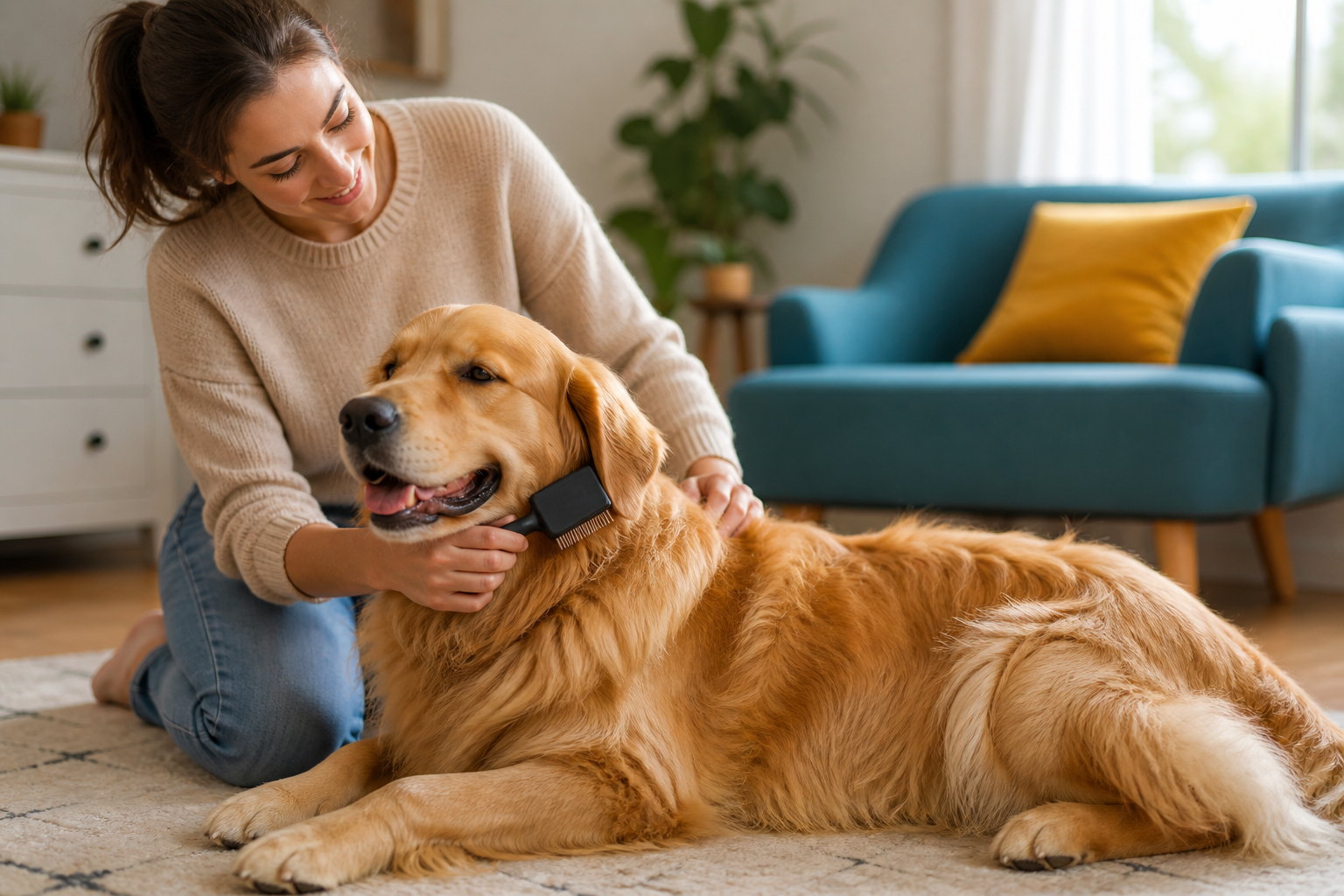
You are sitting on the rug with your dog when you notice a small clump of fur trailing behind them. Or perhaps you reach down to scratch their ears and feel a tight, hard knot in the hair that was not there yesterday. These moments are part of life for every pet owner. Brushing is more than just a way to keep your house clean. It is a vital part of your dog’s health and a great way to bond. At BaxterBoo, we know that every dog has a unique coat that requires a specific approach. This post covers the right tools for different hair types, the best techniques to avoid skin irritation, and how to make the process enjoyable for your pup. Understanding your dog's specific needs will turn a chore into a rewarding routine.
Selecting the Right Tools for the Job
Before you start, you need the right equipment. Using the wrong brush can be ineffective or even uncomfortable for your pet. Most owners find that a combination of two tools works best. You usually need one tool to remove loose fur and a second tool to check for remaining tangles.
A slicker brush is one of the most versatile options. These brushes have fine, short wires close together on a flat surface. They are excellent for removing mats and tangles in medium to long hair. A self-cleaning slicker brush can make it easy to remove hair from the pins with a single click.
For dogs with long, silky hair, a pin brush is a better choice. These look similar to hairbrushes for humans. They have wire pins with rounded tips to prevent scratching the skin. If your dog has very short, smooth hair, a bristle brush or a rubber grooming tool is ideal. The KONG ZoomGroom rubber grooming brush is a favorite for these breeds because it massages the skin while pulling away loose fur.
Quick Answer: The best tool depends entirely on your dog’s coat. Use a slicker brush for thick or curly hair, a pin brush for long silky hair, and a rubber brush for short, smooth coats. Always follow up with a metal comb to ensure you have reached all the way to the skin.
Essential Grooming Kit Checklist
- A brush suited to your dog's specific coat type.
- A high quality metal finishing comb (often called a Greyhound comb).
- Detangling spray or leave-in conditioner for long-haired breeds.
- Small, high-value treats to reward good behavior.
- Styptic powder (in case you find a broken nail during the session).
Brushing Dogs with Short and Smooth Coats
Breeds like Boxers, Bulldogs, and Great Danes have short hair that lies flat against the body. Many owners assume these dogs do not need much grooming. While they do not get mats, they certainly shed. Regular brushing removes dead hair and skin cells before they end up on your furniture.
For these dogs, a rubber brush or a soft bristle brush is best. Use firm but gentle pressure and move the brush in the direction of hair growth. This action stimulates the natural oils in the skin, which gives the coat a healthy shine.
If your smooth-coated dog is a heavy shedder, a deshedding tool can help. However, you must be careful. These tools have small teeth that can irritate the skin if you press too hard or go over the same spot too many times. Limit the use of deshedding tools to once a week.
Key Takeaway: Short-haired dogs benefit from weekly brushing with a rubber or bristle brush to distribute skin oils and reduce shedding.
Managing the Double Coat
Double-coated breeds have a soft, insulating undercoat and a tougher outer layer of guard hairs. This group includes Labrador Retrievers, Huskies, German Shepherds, and Pomeranians. These dogs "blow" their coats twice a year, usually in the spring and fall. During these times, the amount of fur they lose can be overwhelming.
An undercoat rake is the most important tool for a double coat. These rakes have long, spaced-out teeth that reach through the top layer to pull out the loose, fuzzy undercoat. If you do not remove this dead hair, it can become trapped. This leads to heavy matting and can even prevent your dog from regulating their body temperature properly.
For longer double coats, like those on Golden Retrievers or Australian Shepherds, use a slicker brush first. Work in sections, starting from the bottom and moving up. After you have brushed a section, run a metal comb through it. If the comb catches, there is still a knot or a clump of undercoat that needs attention. For more guidance on seasonal shedding, read about how Australian Shepherds shed.
Caring for Curly and Wavy Coats
Poodles, Doodles, and Bichon Frises have hair that grows continuously rather than shedding out. This hair traps loose fur and dirt, making these breeds extremely prone to matting. If you have a curly-coated dog, daily brushing is often a necessity.
The best technique for these coats is called line brushing. You start at the bottom of a leg and lift the hair with one hand. Use a slicker brush to brush the hair downward from the "line" where you are holding it. This ensures you are brushing from the skin out, rather than just skimming over the top. You can also review this guide to grooming a curly-haired dog for additional coat-care ideas.
If you find a mat, do not pull on it. Pulling is painful and will make your dog hate grooming. Instead, apply a detangling spray and use your fingers or the edge of a slicker brush to gently pick it apart. If the mat is tight against the skin, it is safer to let a professional groomer handle it.
Vet Tip: Mats that are tight against the skin can cause hidden infections or hot spots by trapping moisture and bacteria. If you find a large mat you cannot easily remove, consult a professional groomer or your veterinarian to avoid skin damage.
Straight and Silky Coats
Yorkshire Terriers, Maltese, and Shih Tzus have hair that is very similar to human hair. It is fine and can break easily if you are too rough. For these breeds, a pin brush is the best tool for daily maintenance.
Always use a conditioning spray before brushing a silky coat. Brushing dry, fine hair can cause static and breakage. Use long, smooth strokes and be very careful around the ears and armpits. These areas have very thin skin and are common places for knots to form.
Techniques for Keeping Your Dog Calm
Not every dog enjoys being groomed. Some may try to hide, while others might view the brush as a toy to be chewed. The key is to keep the session short and positive. If your dog is nervous, start by just letting them sniff the brush. Give them a treat every time they interact with the grooming tools.
Start brushing in an area where your dog is less sensitive, like the back or the sides. Avoid the paws, tail, and face until the dog has settled down. Use a calm, low voice and provide frequent rewards. If the dog becomes too stressed, stop the session and try again later. It is better to do five minutes of successful brushing than thirty minutes of struggling.
Step 1: Tire your dog out with a walk or a play session before you begin.
Step 2: Set up a dedicated grooming space with good lighting.
Step 3: Let your dog sniff the tools and offer a treat.
Step 4: Begin brushing in the direction of hair growth using light pressure.
Step 5: Reward with treats throughout the process and end on a positive note.
Brushing and the Bathing Routine
A common mistake is bathing a matted dog before brushing them. Water acts like glue for mats. When a knot gets wet and then dries, it often tightens and becomes much harder to remove. Always thoroughly brush and comb your dog before they get into the tub.
Once the dog is clean and conditioned, the hair will be much easier to manage. You can use a blow dryer on a cool setting to help blow out loose undercoat. As the air moves through the fur, you will see the dead hair lift away. Brushing again once the coat is completely dry will leave your dog looking fluffy and clean. For more bath-time guidance, see these dos and don’ts for bathing your dog.
Health Benefits and the BaxterBoo Pharmacy
As you brush, you are doing more than just maintaining the coat. You are also performing a mini health check. This is the best time to look for fleas, ticks, or unusual lumps and bumps on the skin. You might also notice redness, flaky skin, or an unusual smell.
Our pharmacy carries a wide range of FDA-approved treatments for common skin issues and parasite prevention. Through our partnership with Pet's Choice, we provide prescription medications and medicated shampoos for dogs with chronic skin conditions or allergies. If you notice persistent itching or irritated skin while brushing, we recommend visiting your veterinarian for a diagnosis. Once you have a prescription, you can explore our pet pharmacy for convenient online pharmacy services.
Key Takeaway: Regular grooming sessions are the perfect time to inspect your dog’s skin for parasites or health changes that may require a visit to the vet.
Handling Specific Areas
The tail and ears require a gentle touch. The skin on the ears is very thin and has many blood vessels. Use a small comb for the ears and hold the base of the hair so you do not pull on the skin. For the tail, start at the tip and work your way toward the base.
The belly and the "trousers" on the back legs are also high-friction areas where mats form quickly. Many dogs are sensitive about their bellies being touched. Take your time and use plenty of praise in these spots. If your dog has hair between their paw pads, check for burrs or pebbles that might be trapped there. You can find more tips in this dog paw care guide.
The Importance of the Finishing Comb
After you have finished with the brush, you might think the job is done. However, the brush often only reaches the top layers of fur. This is where the metal comb becomes essential. Run the comb through the coat from the skin to the tips.
If the comb glides through without snagging, your dog is truly tangle-free. If it catches, go back to that spot with your brush. Using the comb is the only way to be 100 percent sure that you have removed all the dead undercoat and small knots. This extra step is what prevents large mats from forming over time.
Developing a Routine
Consistency is more important than the length of the grooming session. Brushing for ten minutes three times a week is much more effective than one long session once a month. For long-haired or curly breeds, daily brushing is the gold standard.
Make grooming a part of your daily wind-down routine. Perhaps you brush your dog while you watch television in the evening. When it becomes a predictable habit, most dogs learn to relax and even enjoy the attention.
Bottom line: Consistent, short grooming sessions are more effective and less stressful than infrequent, long ones.
Conclusion
Brushing your dog's coat is a fundamental part of responsible pet ownership. It keeps your dog comfortable, reduces the amount of fur in your home, and allows you to monitor their physical health. Whether you are managing a thick double coat or a smooth, short one, having the right tools from us makes all the difference. Remember to always work in the direction of hair growth and use a metal comb to verify your work.
- Choose the right brush for your dog's specific hair type.
- Always brush before bathing to prevent tightening mats.
- Use treats and praise to keep the experience positive.
- Check the skin for lumps, bumps, or parasites during every session.
Key Takeaway: Proper brushing requires the right tools, a gentle technique, and a consistent schedule to keep your dog's coat healthy and mat-free.
If you find that you are running low on grooming sprays or need a new slicker brush, consider signing up for our Autoship programme. You will save on your orders and ensure you never run out of the supplies you need to keep your dog looking their best.
FAQ
How often should I brush my dog?
The frequency depends on the coat type. Short-haired dogs usually need a weekly brushing, while long-haired or curly-coated breeds often require daily attention to prevent mats. During shedding season, almost all dogs benefit from more frequent grooming to manage the loose undercoat.
Should I brush my dog before or after a bath?
You should always brush your dog before a bath. Water causes existing mats and tangles to shrink and tighten, making them nearly impossible to remove without cutting. Brushing a clean, dry dog after the bath is also helpful for a smooth finish.
What is the best way to remove a mat?
Never pull on a mat with a brush as this causes pain and skin damage. Apply a detangling spray and use your fingers or a single tooth of a comb to gently pick the hair apart from the outside in. If the mat is too close to the skin to safely remove, it is best to see a professional groomer.
Does brushing really help with shedding?
Yes, regular brushing is the most effective way to reduce shedding in your home. By manually removing the dead hair with a brush or undercoat rake, you catch the fur before it falls onto your floors and furniture. It also helps distribute skin oils, which keeps the hair healthy and less prone to breaking.






