
 Save 15% on your 1st Autoship learn more

 Email us
 Live Chat
 FAQs
FAQs





Introduction
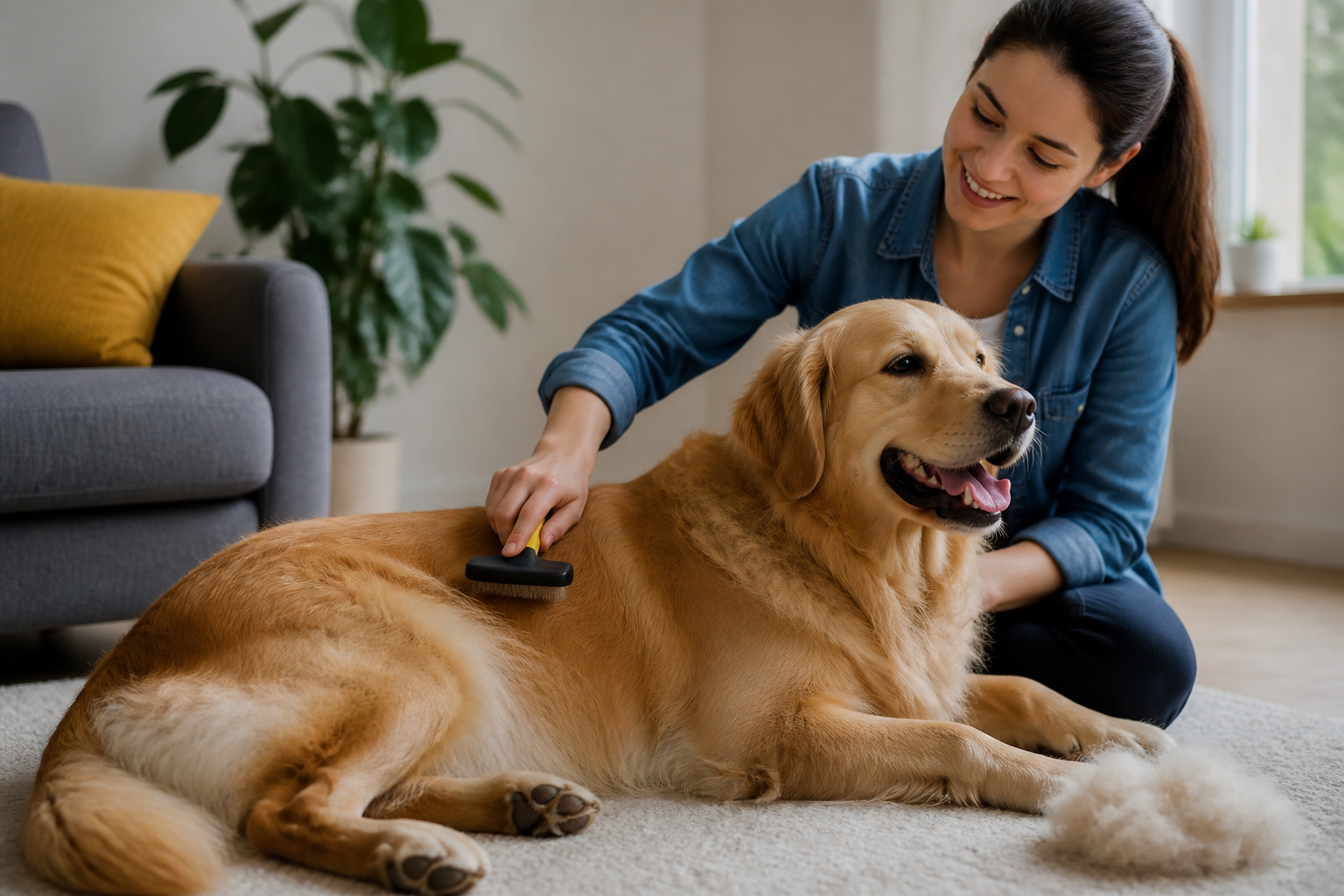
Finding clumps of fur on your rug or realizing your black shirt is now grey is a familiar feeling for many dog owners. Shedding is a natural part of life for almost every breed, but it can feel like a losing battle without the right approach. At BaxterBoo, we know that a good grooming routine does more than just keep your floors clean. It keeps your dog comfortable and their skin healthy. This guide will walk you through the best tools for different coat types and the exact steps to remove loose fur effectively. We will also cover how nutrition and professional care play a role in managing your home's "fur level." By the end, you will have a clear plan to turn grooming time into a bonding experience that keeps the vacuum in the closet longer.
Identifying Your Dog's Coat Type
Before you pick up a brush, you need to know what you are working with. Different coats require different strategies. If you use a tool meant for a thick double coat on a thin-haired dog, you could cause discomfort or skin irritation.
Most dogs fall into one of two categories regarding shedding. Single-coated dogs have one layer of hair that grows continuously or sheds lightly year-round. Double-coated dogs have a harsh outer layer and a soft, dense undercoat. It is this undercoat that usually causes the biggest headaches for owners. During seasonal changes, double-coated breeds "blow" their coats, meaning the undercoat sheds in massive amounts over a few weeks.
Smooth Coats
Dogs like Labradors, Boxers, or Pugs have short, smooth hair. While the hair is short, these dogs can be heavy shedders. The hair is often stiff and easily weaves itself into upholstery fabric.
Double Coats
Huskies, Golden Retrievers, and German Shepherds are classic examples of double-coated breeds. They have a thick, woolly layer underneath their topcoat. This undercoat traps heat in the winter and protects them from sun in the summer. When this hair dies, it gets trapped under the topcoat, leading to mats if not brushed out.
Long or Wire Coats
Long-haired dogs like Yorkies or Shih Tzus may actually shed less than short-haired dogs, but their hair tangles easily. Wire-haired breeds like Terriers have a distinct texture that requires regular "stripping" or specific brushing to keep the coat from becoming dull and cluttered with dead hair.
Quick Answer: To brush a shedding dog effectively, identify if they have a single or double coat. Use a rubber curry brush for smooth coats or a deshedding rake for double coats, always brushing in the direction of hair growth to remove the dead undercoat without damaging the skin.
The Essential Toolkit for Shedding
You do not need every gadget on the market, but you do need the right ones for your specific dog. Using the wrong tool is often why owners feel like brushing does not work. We carry a wide variety of these tools at BaxterBoo to ensure you find the perfect match in our dog grooming collection.
Rubber Curry Brushes
This is the best tool for short-haired or smooth-coated dogs. These brushes have soft rubber nubs that act like a magnet for loose hair. As you move the brush in a circular motion, it pulls hair to the surface and massages the skin. This stimulates natural oils, which keeps the coat shiny.
Slicker Brushes
A slicker brush has fine, short wires spaced closely together on a flat or curved surface. These are excellent for removing mats and tangles in medium to long-haired dogs. They are also great for fluffing the coat after a deeper deshedding session. You can compare different options in our dog brushes and combs category.
Deshedding Rakes
If you have a double-coated dog, a rake is your best friend. These tools have long, metal tines designed to reach through the topcoat and pull out the loose undercoat. They are highly efficient at removing the "fluff" that usually ends up on your sofa.
Bristle Brushes
These are great finishing tools for all coat types. They do not remove deep-seated loose hair as well as rakes, but they are perfect for distributing oils and removing surface dust.
Key Takeaway: Using a deshedding rake on a double-coated dog is the most efficient way to stop shedding at the source. For smooth coats, stick to rubber brushes to avoid skin irritation.
How to Brush a Shedding Dog Step by Step
Brushing should be a calm process. If your dog is not used to it, start slow. Frequent, short sessions are better than one long, stressful marathon.
Step 1: Inspect the skin. / Run your hands over your dog to check for any lumps, bumps, or sore spots. Do not brush over irritated skin or open wounds.
Step 2: Remove tangles first. / Use a slicker brush or a wide-toothed comb to gently work through any mats. If a mat is too tight, do not pull on it. This can hurt the dog and make them fear grooming.
Step 3: Use your primary deshedding tool. / For double coats, use the rake. For smooth coats, use the rubber brush. Work in sections, starting from the neck and moving toward the tail.
Step 4: Brush in the direction of growth. / Always follow the way the hair naturally lays. Brushing "against the grain" can be uncomfortable and may cause hair breakage.
Step 5: Tackle the "high-shed" areas. / Pay extra attention to the chest, the "pants" (the back of the thighs), and the base of the tail. These areas usually hold the most loose undercoat.
Step 6: Finish with a soft brush. / Use a bristle brush or a damp cloth to pick up any remaining stray hairs on the surface of the coat.
Vet Tip: Check your dog's skin for redness or "brush burn" during grooming. If the skin looks irritated, you may be pressing too hard or using a tool that is too abrasive for their skin type.
Timing and Frequency
How often you should brush depends on the season and the breed. During the peak of spring and fall, many double-coated dogs need daily brushing. This prevents the undercoat from matting and reduces the amount of hair in your house.
For the rest of the year, a thorough session once or twice a week is usually enough. If you notice your dog is shedding more than usual outside of seasonal changes, it might be time to look at other factors.
- Daily: During seasonal coat "blow outs" for double-coated breeds.
- Weekly: For smooth-coated dogs or long-haired dogs with low-shed coats.
- Monthly: Professional grooming or deep-cleaning baths.
Bottom line: Regularity is more important than duration. Five minutes of brushing every day is more effective than an hour once a month.
For more guidance on seasonal shedding and double coats, read our tips on managing shedding in Australian Shepherds.
The Role of Bathing in Shedding Management
Bathing is a powerful tool in your shedding kit. Water and shampoo help loosen the hair that is ready to fall out. However, you must follow a specific process to see the best results.
Always brush your dog thoroughly before the bath. If you get a matted dog wet, the mats will tighten and become nearly impossible to remove without cutting them out. Use a deshedding shampoo and conditioner. These products often contain omega fatty acids and moisturizers that help the dead hair slide out more easily.
During the bath, use a rubber curry brush to massage the shampoo into the coat. This helps move the loose hair along. After rinsing, towel dry your dog as much as possible. If your dog tolerates it, use a blow dryer on a cool or low-heat setting. The air pressure helps "blow out" the remaining loose undercoat that the brush might have missed.
For additional bathing guidance, see these dog bathing dos and don'ts.
Nutrition and Shedding
What goes into your dog shows up on the outside. A dog with a poor diet will often have a dull, brittle coat that sheds excessively. High-quality proteins are essential because hair is made mostly of protein.
Omega-3 and Omega-6 fatty acids are the most important nutrients for skin health. You can find these in many premium foods we carry, or you can add them as supplements. Fish oil is a popular choice for reducing inflammation in the skin and strengthening the hair follicles. Explore our dog skin and coat care products for grooming and nutritional support.
Hydration also matters. Dehydrated skin becomes dry and flaky, which can lead to more hair loss. Ensure your dog always has access to fresh water. If you live in a dry climate, using a humidifier in your home can also help keep their skin from drying out.
When Shedding Indicates a Health Issue
While shedding is normal, "excessive" shedding can sometimes be a red flag. If you notice bald patches, symmetrical hair loss, or skin that looks red and inflamed, it is time to call the vet.
Parasites like fleas and mites can cause a dog to scratch so much that they lose hair. Allergies are another common culprit. Dogs can be allergic to ingredients in their food or environmental factors like pollen and dust. If your dog is constantly licking their paws or scratching their ears along with heavy shedding, they may be dealing with an allergic reaction.
Our pharmacy at BaxterBoo offers a variety of FDA-approved treatments for these issues. Through our partnership with Pet's Choice, we provide prescription allergy medications and flea preventives that can help get your dog's skin back in balance. Visit our pet pharmacy to explore available options.
Vet Tip: If your dog is losing hair in patches or has itchy, smelly skin, skip the grooming tools and head to the vet. These symptoms often require a professional diagnosis and prescription treatment rather than just a better brush.
Common Mistakes to Avoid
Many owners inadvertently make shedding worse or cause discomfort by following outdated advice. One of the biggest mistakes is shaving a double-coated dog.
It is tempting to think that shaving a Husky or a Shepherd will keep them cool and stop the shedding. In reality, it does the opposite. The undercoat provides insulation against heat. Shaving it removes their natural cooling system. Furthermore, the hair may never grow back the same way. It often returns coarser and more prone to tangling. Shaving also does not stop shedding. It just means the dog sheds shorter, sharper hairs that are even harder to clean.
Another mistake is using too much pressure. Most deshedding tools have metal edges. If you press too hard against the skin, you can cause "brush burn," which is painful and can lead to infections. Always use a light hand and let the tool do the work.
Grooming as a Bonding Activity
Brushing does not have to be a chore. If you approach it with patience and plenty of treats, your dog will start to look forward to it. It is a quiet time for you to focus on your pet and check for any changes in their physical condition.
Start by letting your dog sniff the brush. Give them a treat. Brush one small area, then give another treat. Over time, they will associate the brush with positive rewards. This makes the process much easier for both of you, especially during those heavy shedding seasons.
We are proud to have been helping pet parents since 2006 with the best gear and expert advice. Whether you are dealing with a tiny Chihuahua or a massive Malamute, the right approach makes all the difference in managing the fur in your home.
Summary of Best Practices
To keep shedding under control, remember these key points:
- Identify the coat type before choosing a tool.
- Brush in the direction of hair growth.
- Focus on the undercoat for double-coated breeds.
- Maintain a healthy diet rich in Omega-3 fatty acids.
- Never shave a double-coated dog to stop shedding.
- Consult a vet if you see bald spots or skin irritation.
Key Takeaway: Effective shedding management combines the right tools, a consistent schedule, and proper nutrition to keep your dog's coat healthy and your home clean.
FAQ
Can I stop my dog from shedding completely?
No dog is truly "non-shedding," though some breeds like Poodles shed very little because the loose hair gets caught in their curls. Shedding is a biological necessity for dogs to replace old fur and regulate their body temperature. The goal of grooming is to manage and contain the shedding rather than stop it entirely.
What is the best brush for a short-haired dog that sheds a lot?
A rubber curry brush is generally the best option for short-haired dogs like Labs or Beagles. The rubber nubs grab the short, stiff hairs that traditional metal brushes might miss. It is also very gentle on the skin, which is important for dogs with thinner coats.
Why is my dog shedding so much in the spring?
This is often called "blowing the coat." As the weather warms up, double-coated dogs shed their heavy winter undercoat to make room for a lighter summer coat. This usually happens over a period of two to four weeks and requires more frequent brushing to keep up with the volume of hair.
Does bathing help with shedding?
Yes, a bath can help loosen dead hair so it can be brushed out more easily. Using a deshedding shampoo and following up with a thorough blow-dry is very effective. Always make sure to brush your dog before the bath to remove any existing tangles or mats.






