
 Save 15% on your 1st Autoship learn more

 Email us
 Live Chat
 FAQs
FAQs





Introduction
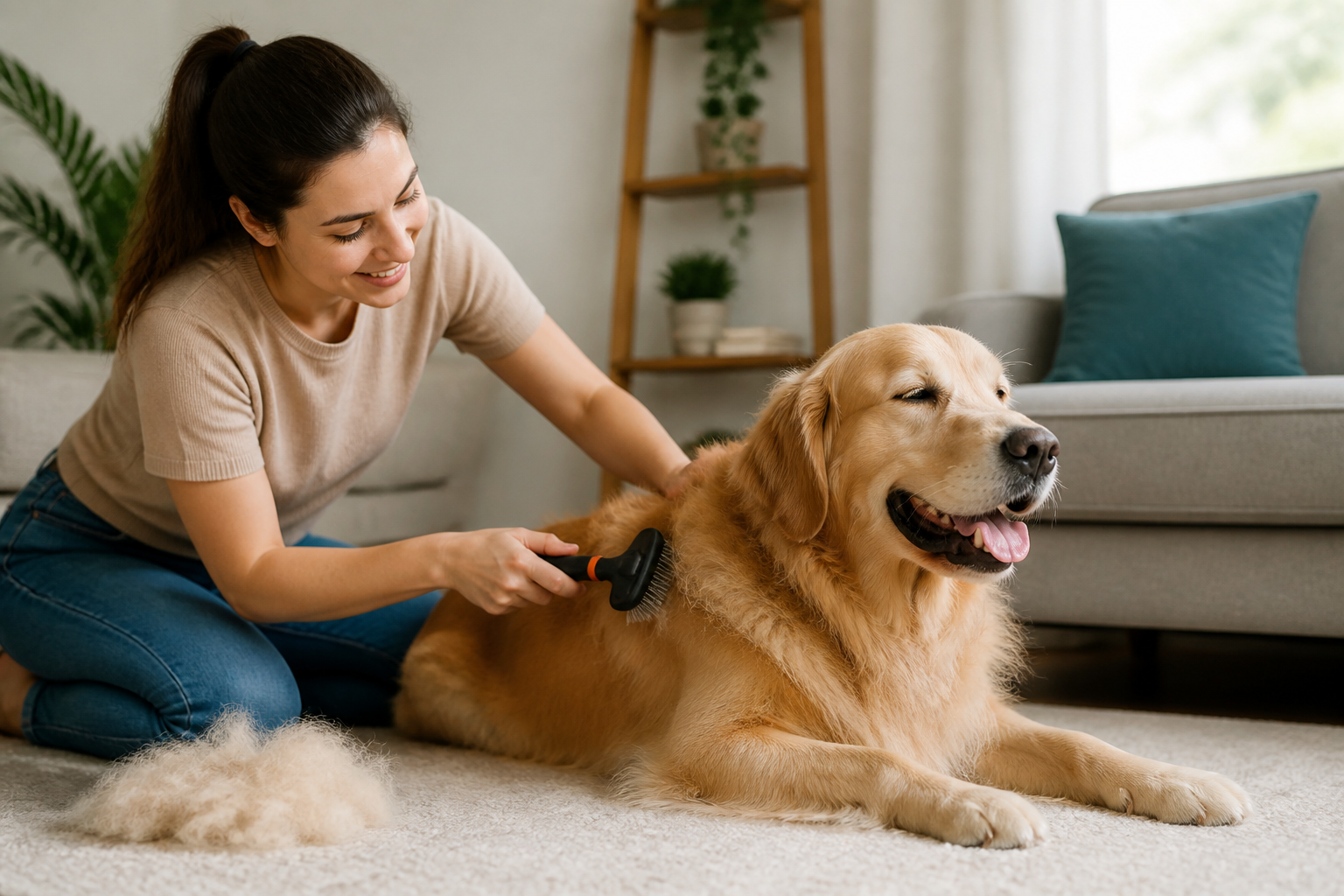
You wake up and find a layer of fine hair on your pillow. You pour a cup of coffee and notice a single strand floating on the surface. By the time you get to work, your dark trousers are covered in what looks like a coating of grey or golden glitter. If this sounds familiar, you are likely in the middle of shedding season. At BaxterBoo, we understand that managing a heavy shedder can feel like a losing battle against the furniture. However, regular grooming does more than just keep your floors clean. It keeps your dog comfortable and their skin healthy. This guide covers the specific tools you need for different coat types and the exact techniques to use. Consistent brushing and the right approach will help you reclaim your home from the fur.
Understanding the Why Behind the Shed
All dogs shed to some degree. It is a natural process that allows a dog to replace old or damaged hair with new growth. The amount of hair you see depends on the breed, the environment, and the time of year. Most dogs experience a major shed twice a year. This is often called blowing the coat. It usually happens in the spring and autumn as the body reacts to changes in daylight and temperature.
The shedding process follows a specific cycle. The first stage is the growth phase. Next is the transition phase where the hair stops growing. Finally, the hair enters a resting phase before it eventually falls out. Some dogs have a single coat. Others have a double coat with a soft undercoat and a tougher topcoat. Knowing which one your dog has will determine how you brush them.
Quick Answer: Brushing a shedding dog requires a tool that matches their coat type, such as a slicker brush for long hair or a rubber curry brush for short hair. Use long, gentle strokes in the direction of hair growth to remove loose fur before it falls onto your furniture.
Essential Tools for Every Shedding Dog
You cannot use the same brush for a Labrador that you would use for a Golden Retriever. Having the right tool makes the job faster and more effective. It also prevents skin irritation. We carry a wide variety of dog brushes and combs designed for specific coat textures.
The Slicker Brush
A slicker brush has a flat or curved head with rows of thin wire pins. These pins are slightly angled. This tool is excellent for removing tangles and loose hair from medium to long coats. It is especially useful for dogs with curly or wiry hair. Be careful not to press too hard. The wire pins can scratch the skin if you are not gentle.
The Undercoat Rake
This tool looks like a small rake with one or two rows of metal tines. It is designed to reach deep into thick, double coats. It pulls out the dead, fuzzy undercoat without damaging the topcoat. If you have a Husky, a German Shepherd, or a Great Pyrenees, this is your most important tool.
The Rubber Curry Brush
For short-haired dogs like Boxers or Pit Bulls, a rubber curry brush is ideal. It has soft rubber nubs that grab onto loose hair. This brush also massages the skin. It stimulates the production of natural oils. This leaves the coat looking shiny and healthy.
The Bristle Brush
A bristle brush is best for finishing. It has tightly packed natural or synthetic bristles. It is great for removing surface dust and spreading oils. It does not do much for heavy shedding, but it is perfect for a daily quick touch up.
How to Brush a Smooth Coat Dog
Smooth coat dogs like Labradors and Beagles have short, flat fur. They might seem like they do not shed much, but they often lose hair year round. These small, stiff hairs are notorious for weaving themselves into fabric.
Step 1: Start with a rubber curry brush. / Use circular motions against the direction of hair growth. This brings the loose hair to the surface and loosens any dry skin.
Step 2: Brush in the direction of growth. / Switch to long, sweeping strokes from the neck to the tail. This gathers the hair you just loosened.
Step 3: Use a damp cloth or a bristle brush. / Wipe down the dog to pick up any remaining fine hairs. This also gives the coat a polished look.
Key Takeaway: Smooth coats shed tiny hairs that are hard to remove from furniture. Use a rubber curry brush in circular motions to trap this hair before it drops.
Managing the Double Coat
Double coated dogs are the champions of shedding. They have a weather resistant topcoat and a soft, insulating undercoat. When they blow their coat, the undercoat comes out in large clumps.
Brushing a double coat requires patience. You must work in sections. If you only brush the top, the undercoat will stay trapped. This can lead to painful mats and skin hot spots.
- Use a slicker brush first to remove surface tangles.
- Follow up with an undercoat rake to reach the deep fluff.
- Pay extra attention to the neck, the back of the thighs, and the tail.
- Use a metal comb to check for any missed mats.
Vet Tip: Never shave a double coated dog to stop shedding. The undercoat actually helps regulate their body temperature in both heat and cold. Shaving can ruin the coat texture and leave their skin vulnerable to sunburn.
Brushing Wiry and Long Coats
Wiry coats are common in many Terriers. These dogs have a rough outer layer. Long coats, like those on Setters, are prone to matting. For these dogs, brushing is about both shedding management and detangling.
Start at the bottom of the dog and work your way up. This is called line brushing. Part the hair so you can see the skin. Brush the hair from the root to the tip. This ensures you are removing the loose hair from the very bottom. If you hit a knot, do not pull. Use your fingers to gently tease it apart. You can also use a detangling spray to make the pins glide easier.
The Role of Bathing in Shedding Management
Bathing your dog can actually help speed up the shedding process. When you use a high quality deshedding shampoo, it helps to loosen the dead hair. This makes it easier to brush out.
At BaxterBoo, we recommend a consistent bathing routine during peak shedding months. Use a conditioner after the shampoo. Conditioners help the hair slide out more easily. After the bath, the most effective tool is a high velocity dryer. This blows the water and the loose undercoat out at the same time. If you do this outside, be prepared for a cloud of fur.
For additional bathing guidance, read our tips on bathing your dog.
Steps for a Deshedding Bath
- Brush the dog thoroughly before the bath to remove loose fur.
- Apply a deshedding shampoo and let it sit for five minutes.
- Rinse until the water runs clear.
- Apply a deshedding conditioner and let it sit.
- Rinse again and towel dry.
- Use a dryer and brush the dog again once they are completely dry.
Nutrition and Skin Health
What your dog eats shows up in their coat. A dog with a poor diet will often shed more. Their hair may feel brittle or look dull. Healthy skin holds onto hair longer.
Look for foods rich in Omega-3 and Omega-6 fatty acids. These are often found in fish oils or flaxseed. Supplements can also make a big difference. Brands like Zesty Paws or Cosequin offer options that support skin and coat health. If your dog is shedding excessively and has itchy skin, they may have an allergy.
Key Takeaway: A healthy coat starts from the inside. High quality fats and proper hydration can reduce the amount of daily shedding.
When Shedding Indicates a Health Problem
Sometimes shedding is more than just a seasonal change. If you notice bald patches, redness, or a foul odor, it is time to see a veterinarian. Excessive hair loss can be a sign of many issues.
- Hormonal imbalances like hypothyroidism.
- Skin infections caused by bacteria or yeast.
- Parasites like fleas, ticks, or mites.
- High stress levels or anxiety.
- Allergies to food or environmental triggers.
Our pet pharmacy carries many FDA approved medications for these conditions through our partnership with Pet's Choice. If your vet prescribes a medicated shampoo or a specific prescription diet like Farmina Vet Life, you can find those options through us. Managing a chronic skin condition often requires a combination of professional medical care and a dedicated grooming routine.
Vet Tip: If your dog is losing hair in patches or is constantly scratching, do not try to fix it with a brush. Consult your vet to rule out underlying medical conditions or allergies.
Making Brushing a Positive Experience
Many dogs do not like being brushed. This is often because the brush pulls on their skin or they are not used to the sensation. You should start grooming your dog as early as possible. If you have an older dog, you can still train them to enjoy it.
Start with very short sessions. Use high value treats to reward them for staying still. Only brush for a minute or two at first. Gradually increase the time as they become more comfortable. If your dog gets stressed, stop and try again later. You want them to associate the brush with praise and snacks.
Common Mistakes to Avoid
One of the biggest mistakes owners make is brushing too hard. This causes brush burn. It is a painful irritation that makes the skin red and sensitive. Always use light pressure. Let the tool do the work for you.
Another mistake is only brushing when you see hair on the floor. By then, the shedding is already out of control. Set a schedule. For most shedding breeds, a full brushing twice a week is the minimum. During peak season, you might need to do it every day.
Finally, do not forget the areas that are hard to reach. The armpits, the belly, and the area behind the ears often get neglected. These are the spots where mats are most likely to form.
Using the Right Gear
The quality of your tools matters. Cheap brushes often have sharp edges or pins that fall out. Investing in professional grade tools will save you money in the long run. It will also make the experience much better for your dog.
We carry over 500 trusted brands to ensure you have the best selection. Whether you need a simple slicker or a professional grade rake, we have you covered. Our warehouse in Vernon Hills is stocked with everything from grooming tables to specialized combs.
For a specific slicker or undercoat tool, explore Master Grooming Tools products.
Bottom line: Consistent brushing with the correct tools for your dog’s specific coat type is the only way to effectively manage shedding.
Summary of the Brushing Process
Managing a shedding dog takes effort, but it is manageable with a plan. Follow these steps to keep the fur under control.
- Identify your dog's coat type and buy the matching brush.
- Establish a regular schedule of at least twice a week.
- Use a deshedding shampoo and conditioner every four to six weeks.
- Feed a high quality diet with essential fatty acids.
- Watch for signs of skin irritation or abnormal hair loss.
By taking these steps, you can significantly reduce the amount of hair in your home. You will also spend quality time bonding with your pet. This routine keeps them looking their best and feeling comfortable in their own skin.
For all your grooming needs, visit our dog grooming category. You can also save on your favorite shampoos and supplements by using our Autoship programme. This ensures you never run out of the supplies you need to keep your home fur free. New customers can even get a reward on their first order of $39 or more when signed in at checkout.
FAQ
How often should I brush my dog to stop shedding?
For most breeds that shed, you should aim for a thorough brushing at least two to three times per week. During the heavy shedding seasons of spring and autumn, daily brushing may be necessary to keep up with the loose undercoat. Frequent brushing removes the hair before it can fall onto your carpets and furniture.
Can I use a human hairbrush on my dog?
It is not recommended to use a human brush because dog coats have different textures and thicknesses than human hair. Dog brushes like slickers and rakes are designed to reach the undercoat and remove specific types of fur without scratching the skin. Using the wrong tool can be ineffective and might cause your dog discomfort or skin irritation.
Why does my dog seem to shed more right after a bath?
Bathing loosens the dead hair that was already sitting in the coat but had not yet fallen out. This is a normal part of the deshedding process and is actually helpful for removing a large amount of fur at once. To minimize the mess, make sure to brush your dog thoroughly both before the bath and once they are completely dry.
Is it possible to completely stop a dog from shedding?
You cannot completely stop a natural process like shedding in breeds that are meant to lose hair. However, you can significantly reduce the amount of loose fur in your home through a combination of regular brushing, a healthy diet, and proper bathing. If the shedding seems excessive or occurs in bald patches, it is important to consult your veterinarian to check for underlying health issues.






