
 Save 15% on your 1st Autoship learn more

 Email us
 Live Chat
 FAQs
FAQs





Introduction
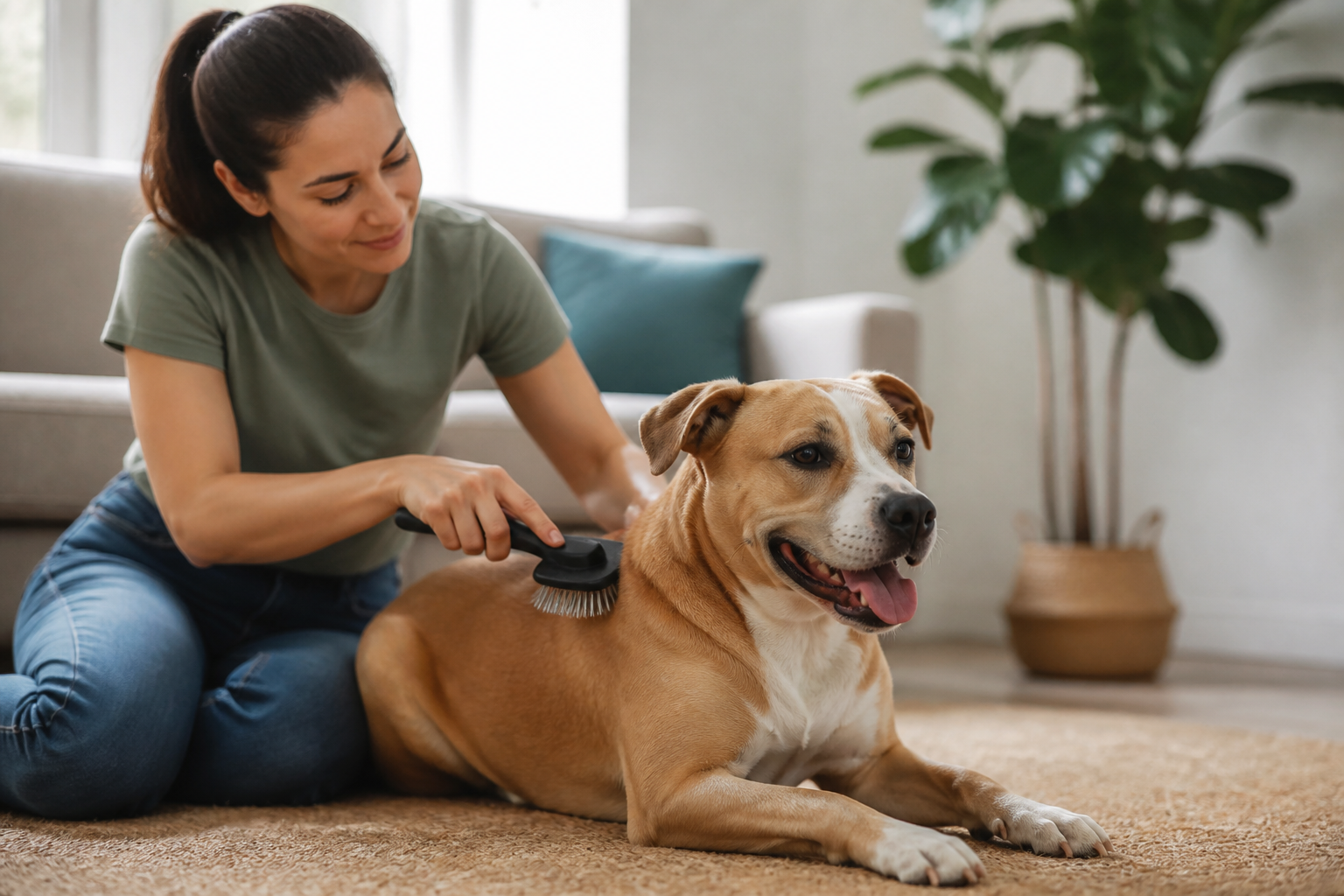
You might think that owning a short-haired dog means you are exempt from the daily battle against fur. Then you look at your navy blue sofa or your favorite black trousers and see hundreds of tiny, needle-like hairs woven into the fabric. Breeds like Labrador Retrievers, Boxers, and Beagles shed more than many people realize. At BaxterBoo, we know that maintaining a short coat requires a different strategy than grooming a long-haired pet. Brushing is about more than just keeping your house clean. It is a vital part of skin health and a great way to bond with your companion. This guide will walk you through the specific tools, techniques, and routines needed to keep a short-haired coat gleaming. Regular brushing reduces household messes and helps you stay on top of your dog's overall wellness.
Why Short-Haired Dogs Need Regular Brushing
It is a common myth that short hair equals low maintenance. While you do not have to worry about painful mats or tangled knots, short-haired dogs have their own set of grooming requirements. These dogs often have very active hair follicles that go through growth cycles quickly, leading to constant shedding. If those dead hairs are not brushed away, they sit against the skin, trapping heat and potentially causing irritation.
Brushing acts as a mechanical exfoliator. It lifts away dead skin cells and dander that can cause itchiness for your dog and allergies for the humans in your home. Perhaps most importantly, the action of the brush stimulates the production of natural skin oils. As you move the brush across the body, you distribute these oils evenly. This creates a natural waterproof barrier and gives the coat that healthy, polished shine often seen in show dogs.
Regular grooming also serves as a critical health check. When you are focused on the skin, you are more likely to notice small changes that might otherwise go unseen. You might feel a new lump, see a red patch of irritation, or spot a flea crawling through the fur. This early detection is the first line of defense in keeping your pet healthy and comfortable.
Quick Answer: Short-haired dogs need brushing to remove loose fur, distribute natural oils for a shiny coat, and exfoliate the skin. Even though they do not mat, regular grooming significantly reduces the amount of hair left on furniture and clothing.
Choosing the Best Tools for Short Coats
Using the wrong brush on a short-haired dog can be ineffective or even painful. A stiff wire brush designed for a Golden Retriever might scratch the sensitive skin of a Greyhound or a Pit Bull. You need tools that can grip short, slick hairs without causing "brush burn." You can compare brushes, combs, and other tools in our dog grooming collection.
Rubber Curry Brushes
The rubber curry brush is arguably the most important tool for any short-haired dog owner. Tools like the Kong ZoomGroom use soft rubber nubs to create a magnetic-like pull on loose hair. As you move the brush, the rubber creates a mild static charge that attracts fur. It also provides a deep tissue massage that most dogs find incredibly relaxing. Because the teeth are flexible rubber, there is almost zero risk of scratching the skin.
Bristle Brushes
Once the loose hair is removed, a bristle brush adds the finishing touch. Look for a brush with natural or soft synthetic bristles packed closely together. These brushes are excellent for removing surface dust and dander. They are also the best tool for smoothing the hair and ensuring those natural oils reach the ends of every hair shaft.
De-shedding Tools
For heavy shedders like Labradors or Pugs, a dedicated de-shedding tool can be a lifesaver. These tools feature a fine-toothed metal edge that reaches beneath the topcoat to grab loose undercoat hair before it falls out. Brands like FURminator make specific versions for short-haired breeds. These should be used with a very light touch to avoid irritating the skin. For a short coat, the Coastal Safari Short Hair Shedding Dog Comb is one available option.
| Brush Type | Primary Function | Best For |
|---|---|---|
| Rubber Curry | Lifts loose hair and massages skin | Boxers, Pit Bulls, Great Danes |
| Soft Bristle | Removes dander and adds shine | Pugs, Beagles, Dalmatians |
| De-shedding Tool | Removes deep undercoat | Labradors, Corgis, Cattle Dogs |
| Grooming Glove | Mimics petting for anxious dogs | Puppies, sensitive breeds |
Step-by-Step Guide to Brushing Your Dog
Brushing a short-haired dog should be an efficient and pleasant process. Unlike long-haired grooming, which can take an hour, a thorough short-hair session usually takes about ten to fifteen minutes. Following a consistent pattern ensures you do not miss any spots.
Step 1: Start with a wipe down. / Take a damp cloth and gently wipe your dog's coat in the direction of hair growth. This helps settle any loose dust and prevents a cloud of hair from flying into the air the moment you start brushing.
Step 2: Use the rubber brush in circles. / Use a rubber curry brush in a circular motion against the direction of hair growth and then with it. This circular action helps loosen the "dead" hairs from the follicle. Focus on the areas where the hair is thickest, such as the neck and the hindquarters.
Step 3: Sweep away the debris. / Once you have loosened the hair with the rubber brush, use long, sweeping strokes with a bristle brush. Work from the head toward the tail. This sweeps away the hair you just loosened and starts the oil distribution process.
Step 4: Check the "creases." / Short-haired dogs often have folds or creases, especially around the neck, armpits, and tail base. Use your hand to gently pull the skin taut and run the brush through these areas. These are common spots for trapped moisture and dirt.
Step 5: Finishing touch with a glove or cloth. / End the session by using a grooming glove or a dry microfiber towel. Run it over the entire body to pick up any remaining stray hairs and give the coat a final polish.
Key Takeaway: Always follow a specific pattern, such as head to tail, to ensure every inch of the skin is stimulated and all loose hair is captured.
Frequency and Seasonal Changes
How often you should brush depends largely on the specific breed and the time of year. While a Greyhound might only need a quick once-over every week, a Labrador may require daily attention during certain months.
Most short-haired dogs benefit from a thorough brushing two to three times per week. This frequency keeps the oil levels balanced and the shedding under control. However, many owners find that a quick two-minute "maintenance brush" every evening significantly cuts down on the amount of hair found on the floor.
Shedding usually peaks during the spring and fall. This is often called "blowing the coat." As the daylight hours change, the dog's body prepares for a change in temperature by releasing its old coat to make room for a new one. During these peak seasons, you should increase your brushing frequency. Daily sessions with a de-shedding tool can make a massive difference in your home's cleanliness during these transitions. For more seasonal shedding guidance, read this guide to managing shedding.
- Weekly: Minimum for low-shedding short coats (Greyhounds, Whippets).
- Thrice Weekly: Standard for most short-haired breeds (Boxers, Pugs, Beagles).
- Daily: Recommended for heavy shedders during spring and fall (Labradors, German Shorthaired Pointers).
Vet Tip: If you notice your dog is shedding excessively outside of the normal spring and fall windows, or if you see bald patches and skin redness, consult your veterinarian. Excessive hair loss can sometimes indicate underlying issues like allergies, hormonal imbalances, or nutritional deficiencies.
Monitoring Skin Health During Grooming
Because you are getting close to the skin every time you brush, you are in the perfect position to act as a health monitor. Short-haired dogs do not have the luxury of a thick fur cushion, meaning their skin is more exposed to the elements, insects, and irritants.
As you brush, look for "flea dirt," which looks like small grains of black pepper. If you see this, it is a sign of an active flea infestation. You should also check for ticks, especially after walks in wooded or grassy areas. Ticks often hide in the "warm" spots: behind the ears, in the armpits, or between the toes.
Our dog pharmacy carries a variety of FDA-approved flea and tick preventives, including prescription options through our partnership with Pet's Choice, to help manage these pests. If you discover parasites during your grooming routine, your vet can help you choose the most effective treatment for your dog's specific needs.
Beyond parasites, watch for dry, flaky skin. If the skin feels like sandpaper or you see a lot of white flakes, your dog might need a different diet or a specialized supplement. We carry brands at BaxterBoo like Zesty Paws and Honest Paws that offer skin and coat support formulas. Always talk to your vet before starting new supplements to ensure they are appropriate for your dog's age and health status. You can browse our selection of Honest Paws products for available options.
Bottom line: Use grooming time to perform a "nose-to-tail" check for lumps, parasites, and skin irritation to catch health issues early.
Brushing and the Bathing Connection
Brushing and bathing go hand in hand. One of the biggest mistakes dog owners make is putting a shedding dog straight into the tub without brushing first. When loose hair gets wet, it becomes heavy and sticks to the skin, making it much harder to wash away. It can also lead to a clogged shower drain.
Always perform a thorough brushing session before the bath. Removing the bulk of the dead hair allows the shampoo to actually reach the skin, where it can do the most good. During the bath, you can continue to use your rubber curry brush. Using a rubber brush while the dog is lathered up helps the shampoo penetrate and further loosens stubborn hair. For additional bathing guidance, see these dos and don'ts for bathing your dog.
After the bath, wait until the dog is completely dry before brushing again. Wet hair is more elastic and prone to breakage. Once the coat is dry, a final brush with a bristle brush will help lay the hair flat and restore the shine that the shampoo might have temporarily stripped away. If your dog has particularly dry skin, your vet might recommend a leave-in conditioner or a prescription medicated shampoo, many of which are available through our pharmacy.
Post-Bath Checklist
- Ensure the dog is 100 percent dry before the final brush.
- Check the ears for any water that might have entered during the bath.
- Use a soft cloth to dry the facial folds.
- Reward your dog with a high-value treat to associate bathing and brushing with a positive experience.
Training Your Dog to Love Being Brushed
Not every dog is naturally comfortable with grooming tools. Some may be wary of the sensation, while others might find it difficult to stand still. The goal is to make the brush feel like an extension of your hand.
Start by letting your dog sniff the brush while it is sitting on the floor. Give them a treat just for being near it. Next, touch the brush to their shoulder without actually brushing, and reward them again. This builds a positive association. When you start actual brushing, keep the sessions very short: just thirty seconds at a time.
Focus on the "easy" spots first, like the back and sides. Most dogs enjoy being touched there. Save the more sensitive areas, like the belly, legs, and tail, for later in the session when the dog is relaxed. If your dog becomes restless or shows signs of stress, like lip licking or yawning, stop the session and try again later.
Using a lick mat smeared with peanut butter or plain yogurt can be a great distraction. While your dog is focused on the treat, you can work through their coat. Over time, the massage-like feeling of the rubber curry brush usually becomes something the dog genuinely looks forward to.
Key Takeaway: Use positive reinforcement and short sessions to turn grooming into a bonding activity rather than a chore.
Keeping the Environment Clean
Even with the best brushing routine, some hair will inevitably end up in your home. However, you can manage the mess by being strategic about where and how you brush.
If the weather permits, brush your dog outside. This allows the loose hair to blow away naturally or be collected by birds for nests. If you must brush indoors, choose a room with hard flooring like tile or wood rather than carpet. This makes cleanup as simple as a quick sweep.
Keep a lint roller or a dedicated pet hair removal tool nearby. After you finish brushing, give your own clothes a quick roll to catch the "flyaways" that landed on you during the process. Some owners even use a vacuum with a soft brush attachment to gently go over their dog's coat, though this only works if your dog is not afraid of the noise.
Using a damp microfiber cloth as a final "magnet" is one of the most effective ways to catch the last few hairs. The fibers are designed to trap small particles, making it much better than a standard cotton towel for finishing a short-hair groom.
Bottom line: Brushing outdoors or on hard floors makes the cleanup process much faster and keeps your living areas fur-free.
Summary of Short Hair Care
Brushing your short-haired dog is one of the simplest things you can do to improve their quality of life. It keeps their skin healthy, their coat shiny, and your home cleaner. By choosing the right tools, such as a rubber curry brush and a soft bristle brush, you can turn a maintenance task into a relaxing massage for your pet.
Remember to stay consistent with your routine, especially during the heavy shedding seasons of spring and fall. Use this time to check for any health changes and keep an eye out for parasites. If you ever feel overwhelmed by shedding or notice changes in your dog's skin texture, your veterinarian is your best resource for guidance. Visit us at BaxterBoo to find the tools mentioned in this guide and keep your pup looking their best.
- Use rubber brushes for deep cleaning and massage.
- Use bristle brushes for oil distribution and shine.
- Brush at least twice a week, increasing to daily during seasonal shifts.
- Combine brushing with skin checks and parasite monitoring.
Key Takeaway: Consistency is the secret to managing short-hair shedding; a few minutes every other day is more effective than one long session once a month.
FAQ
Do short-haired dogs really need to be brushed? Yes, they do. While they don't get tangles, they shed constantly and produce oils that need to be distributed across the skin. Brushing removes dead hair that would otherwise end up on your furniture and helps prevent skin irritation by exfoliating the surface.
What is the best type of brush for a dog with very short, sleek hair? The rubber curry brush is generally considered the best tool for sleek-coated breeds like Boxers or Great Danes. The rubber nubs are gentle on the skin but highly effective at grabbing loose, short hairs through static electricity and friction.
How often should I brush my Labrador to stop the shedding? Labradors are heavy shedders and usually require brushing at least three times a week. During the spring and fall, when they "blow their coat," daily brushing with a de-shedding tool is often necessary to keep the hair under control in your home.
Can I use a human hairbrush on my short-haired dog? It is not recommended because human brushes are designed for different hair textures and scalp sensitivity. Dog brushes, especially rubber curry and soft bristle brushes, are specifically engineered to reach the skin through fur without causing scratches or irritation.






