
 Save 15% on your 1st Autoship learn more

 Email us
 Live Chat
 FAQs
FAQs





Introduction
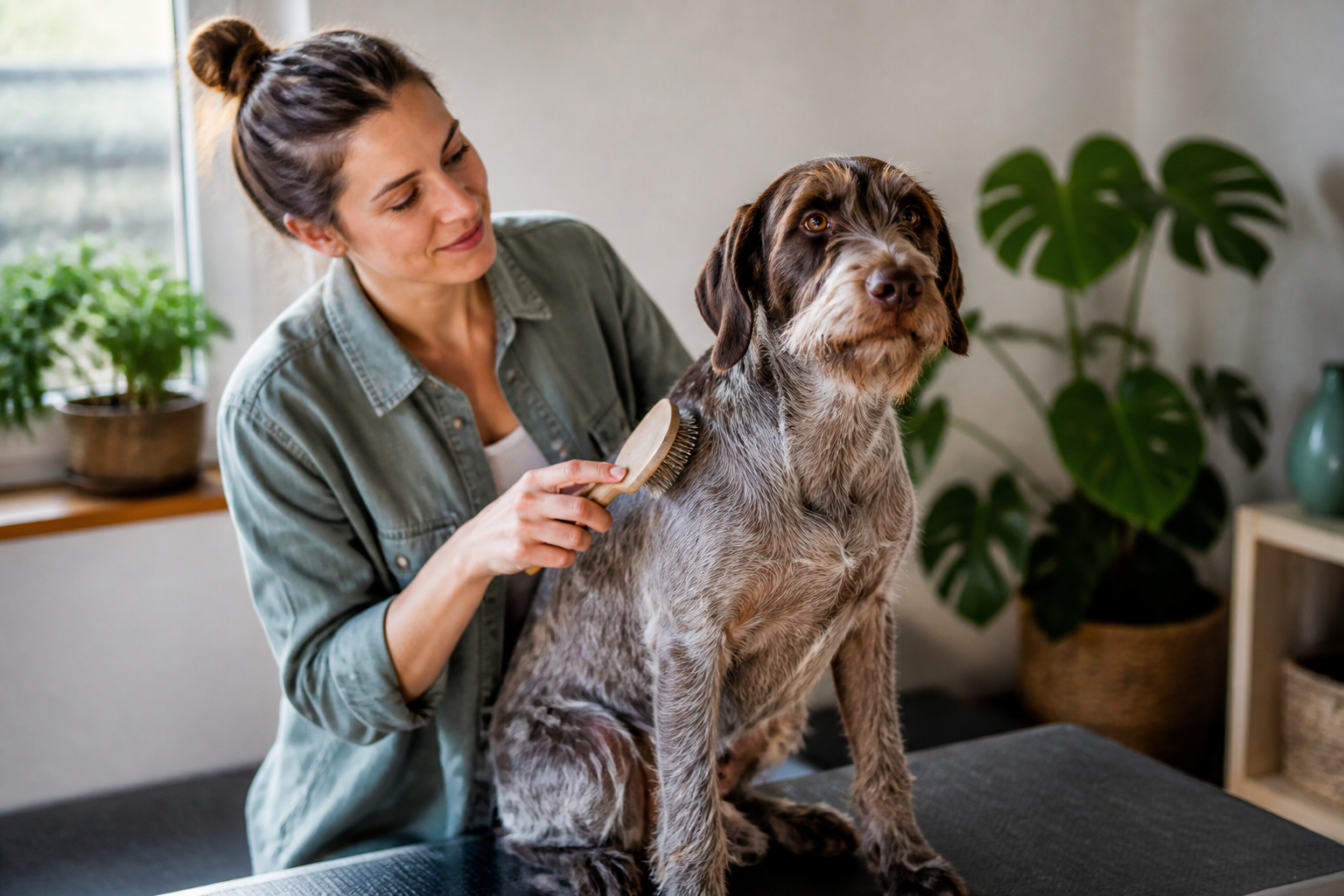
You reach down to pat your dog and feel that distinctive, coarse texture. It is a hallmark of the wire haired breeds we love. Whether you share your home with a scrappy Border Terrier or a regal Airedale, that rough coat is more than just a look. It is a functional, weather-resistant shield that requires a specific touch. At BaxterBoo, we know that grooming a wire haired dog is different from brushing a Golden Retriever or a Poodle. The hair is thicker and the skin can be sensitive under that armor. This guide will walk you through the proper techniques, the essential tools, and the professional tips needed to keep that wiry texture in peak condition. By understanding how to manage this unique coat type, you can prevent painful mats and ensure your dog stays comfortable year-round.
Why the Wire Coat Is Unique
A wire coat is often called a broken coat. It consists of two distinct layers that work together to protect the dog. The top layer is the wire hair itself. This hair is stiff, rough, and usually crinkled. It is designed to repel water and protect the dog from thorns or brush. Beneath that tough exterior is a soft, dense undercoat. This layer provides insulation, keeping the dog warm in winter and cool in summer.
Unlike many other breeds, most wire haired dogs do not shed in the traditional sense. The hair grows to a certain length and then becomes "dead" in the follicle. Instead of falling out on your carpet, it stays trapped in the coat. If you do not brush it out or pull it manually, it can cause the coat to become dull and matted. Regular brushing is the only way to help that new, vibrant hair grow in.
Quick Answer: Brushing a wire haired dog requires a combination of a slicker brush for the surface and a metal comb to reach the undercoat. You should brush in the direction of hair growth using short, gentle strokes to remove dead hair and debris without irritating the skin.
Essential Tools for the Job
You cannot use just any brush on a wire coat. Because the hair is so stiff, some brushes will simply slide over the top without doing any real work. You need tools that can penetrate the coarse outer layer to reach the skin and the undercoat. Explore our dog brushes and combs to find tools suited to your dog’s grooming routine.
The Slicker Brush
A slicker brush has fine, short wires close together on a flat or slightly curved surface. This is your primary tool for removing loose hair and breaking up small tangles. We recommend a slicker brush with protective tips if your dog has sensitive skin. This tool is excellent for the "furnishings," which is the longer hair on the legs and face.
The Stainless Steel Pin Brush
A pin brush looks more like a human hairbrush but with longer, wider-spaced metal pins. This tool is great for a quick daily pass. It helps to separate the hairs and remove larger pieces of debris like leaves or burrs after a walk. It is less intense than a slicker brush and serves as a good introductory tool for puppies.
Metal Greyhounds or Finishing Combs
A high-quality metal comb is non-negotiable. We suggest a comb with "split" spacing, meaning one half has wide teeth and the other half has fine teeth. The wide end helps you find hidden mats. The fine end is perfect for detailing the beard and the hair around the eyes.
The Stripping Knife or Stone
While brushing is the focus, a stripping knife is often used alongside it. This tool helps you "grip" the dead hairs so they can be pulled out. It is not actually a knife that cuts. It is a textured blade that provides traction. If you are not comfortable hand-stripping, a grooming stone can achieve similar results by gently "erasing" dead hair from the surface.
Preparing Your Dog for Brushing
Brushing should be a calm experience. If your dog sees the brush and runs, it is time to slow down. Start by placing your dog on a non-slip surface. A grooming table is ideal because it saves your back and keeps the dog in one place. If you do not have a table, a rubber mat on a counter can work for smaller breeds.
Before you touch the coat with a tool, use your hands. Run your fingers through the fur to feel for large mats or skin issues. This is also a good time to check for ticks or small scratches. If you find a mat, do not pull on it. This can cause the dog to associate the brush with pain. For additional coat-care products, browse our dog skin and coat care collection.
Key Takeaway: Always check the skin for redness or irritation before you begin. Wire haired breeds can be prone to "folliculitis" or clogged pores if the dead hair is not removed properly.
A Step-by-Step Guide to Brushing
Once your dog is settled, you can begin the actual grooming process. Following a logical order ensures you do not miss any spots and helps the dog get into a routine.
Step 1: Apply a Grooming Spray
Never brush a bone-dry wire coat. Dry hair is more likely to break, and static electricity can make the process uncomfortable for the dog. Use a light grooming spray or a diluted leave-in conditioner. This provides "slip" and helps the tools glide through the hair.
Step 2: The Rear and Legs
Many groomers prefer to start at the back of the dog. This is often a less sensitive area. Use your slicker brush in short, upward motions against the grain of the hair first. This "fluffs" the coat and reveals the undercoat. Then, brush back down in the direction of growth. This helps to lift out the dead hair that is trapped deep down.
Step 3: The Body and Shoulders
Move to the sides, back, and shoulders. Use long, firm strokes with your pin brush or slicker. Be careful around the spine and hips where the bone is close to the surface. If your dog has a very thick undercoat, you may need to use an undercoat rake here. This tool pulls out the soft "fuzz" without damaging the wire topcoat.
Step 4: The Sensitive Belly and Chest
The hair on the belly is usually softer and thinner. Switch to a softer brush or use very light pressure with your slicker. This area is prone to mats, especially where the legs meet the body. Use your metal comb here to ensure you have reached all the way to the skin.
Step 5: The Face and Beard
The beard is the pride of many wire haired breeds like Schnauzers or Wirehaired Pointing Griffons. It also catches food, water, and dirt. Use your fine-toothed comb for the beard. Start at the tips of the hair and work your way up to the skin. If there is dried food in the beard, dampen it first with a warm cloth to soften it.
Vet Tip: If your dog has chronic skin irritation, hair loss, or a foul odor coming from the coat, consult your veterinarian. These can be signs of underlying allergies or infections that require medical treatment. Our pet pharmacy offers prescription shampoos and medications for these specific needs. You can explore our dog pharmacy.
Managing Tangles and Mats
Even with regular brushing, mats can happen. They usually form behind the ears, in the armpits, and between the toes. When you find a mat, the temptation is to grab the scissors. This is dangerous because it is very easy to nick the skin.
Instead, apply a bit of extra grooming spray directly to the mat. Use the end tooth of your metal comb to slowly pick the mat apart. Work from the outside of the knot toward the center. If the mat is too tight to pick apart, you can use a mat breaker tool. This tool has sharp internal edges that "zip" through the knot while protecting the dog's skin. For more guidance on working through tangles, read these dog bathing and mat-care tips.
The Importance of Hand Stripping
While brushing removes loose hair, it does not always remove the "blown" coat. Wire hair grows in a cycle. When it reaches its full length, it dies and sits loosely in the follicle. To maintain the bright color and hard texture of the coat, this hair needs to be pulled out.
If you only use electric clippers on a wire haired dog, the coat will eventually change. It will become soft, curly, and lose its color. This happens because the dead hair is cut rather than removed, which prevents the new wire hair from growing in correctly. If you want to keep that classic wire texture, you should incorporate a bit of hand-stripping or "plucking" into your weekly brushing routine.
How to Pluck During Brushing
- Identify the long, "dead" hairs that stick out further than the rest.
- Grasp a few hairs between your thumb and forefinger (or use a stripping stone).
- Pull firmly and quickly in the direction of the hair growth.
- The hair should come out easily without the dog flinching.
Seasonal Care for Wire Coated Dogs
Your brushing routine should change with the seasons. In the spring and fall, your dog will likely "blow" their undercoat. You will notice more soft, fuzzy hair coming out in your brush. During these times, you should increase your brushing frequency to every other day.
In the winter, that wire coat is a natural insulator. You want to keep the undercoat healthy but avoid stripping too much of the protective topcoat. In the summer, keeping the coat clear of dead hair is vital for air circulation. A clogged coat can lead to overheating and "hot spots," which are painful skin infections.
Post-Grooming Rewards and Care
Always end your grooming session on a high note. Give your dog a high-value treat and plenty of praise. This builds a positive association with the tools. After you are finished, take a moment to clean your brushes. Hair and skin oils can build up on the pins, making them less effective over time. BASS Brushes are another option to consider when building a home grooming kit.
- Remove hair from slicker brushes after every use.
- Wash metal combs with warm, soapy water once a month.
- Check the pins on your brushes for any bends or sharp edges that could scratch your dog.
Key Takeaway: Consistency is the secret to a great coat. Brushing for ten minutes three times a week is much better than a two-hour marathon once a month.
Keeping the Skin Healthy
Underneath all that wire hair is the most important organ: the skin. Wire haired dogs can sometimes struggle with dry skin because their natural oils have a hard time traveling down the coarse hair shaft.
If you notice your dog is itching more than usual after a brushing session, you might be using too much pressure. This is known as "brush burn." Always let the tool do the work. You do not need to press the brush into the skin to get results. If the skin seems dry, you can look into supplements like fish oil, which help support coat health from the inside out. For related maintenance ideas, see this guide to healthy dog paw and skin care.
Professional Grooming vs. Home Care
Even if you are diligent at home, most wire haired dogs benefit from a professional visit every 6 to 8 weeks. A professional groomer can handle the more difficult areas like the "sanitary trim" and the hair inside the ears. They can also perform a full hand-strip, which is a labor-intensive process that can take several hours.
When choosing a groomer for your wire haired dog, ask if they have experience with "hand-stripping." Many modern grooming shops default to clipping because it is faster. If you want to maintain the wire texture, you must find a groomer who understands the specific needs of a broken coat.
Final Thoughts on Wire Coat Maintenance
Caring for a wire haired dog is a unique responsibility. It requires the right tools and a gentle, consistent approach. By using a slicker brush, a metal comb, and a bit of patience, you can keep your dog’s coat looking its best. This routine does more than just keep them handsome. It protects their skin and keeps them comfortable in all kinds of weather.
At BaxterBoo, we are committed to helping you find the best supplies for your dog's specific needs. Whether you need a new set of brushes or want to explore our MVP Rewards programme for your grooming essentials, we are here to help. Remember that grooming is a bonding time. Enjoy the process of caring for your dog, and they will reward you with a healthy, shiny, and perfectly wiry coat.
Bottom line: A wire coat requires specialized tools and a "pulling" rather than just a "cutting" mindset to stay healthy and functional.
FAQ
How often should I brush my wire haired dog?
You should aim to brush your wire haired dog at least two to three times per week. This prevents the dead undercoat from tangling with the wire topcoat and forming mats. During the heavy shedding seasons of spring and fall, daily brushing is often necessary to keep the coat manageable.
Does brushing a wire haired dog hurt them?
Brushing should never be painful if you use the correct tools and techniques. Always use a grooming spray to prevent hair breakage and move in the direction of the hair growth. If you encounter a mat, pick it apart gently rather than pulling on it, which can cause skin discomfort.
Can I just use a regular human brush on my dog?
Human brushes are not designed to penetrate the thick, dual-layered coat of a wire haired dog. They often only reach the top layer, leaving the undercoat to mat and tangle near the skin. Investing in a proper slicker brush and a metal Greyhound comb is essential for effective grooming.
What happens if I clip my wire haired dog instead of brushing and stripping?
If you consistently clip a wire haired dog’s coat, the texture will eventually change from hard and wiry to soft and fuzzy. The color may also fade because the dead hair is not being removed from the follicle. Once a coat has been clipped for several years, it can be very difficult to restore the original wire texture.






