
 Save 15% on your 1st Autoship learn more

 Email us
 Live Chat
 FAQs
FAQs





Introduction
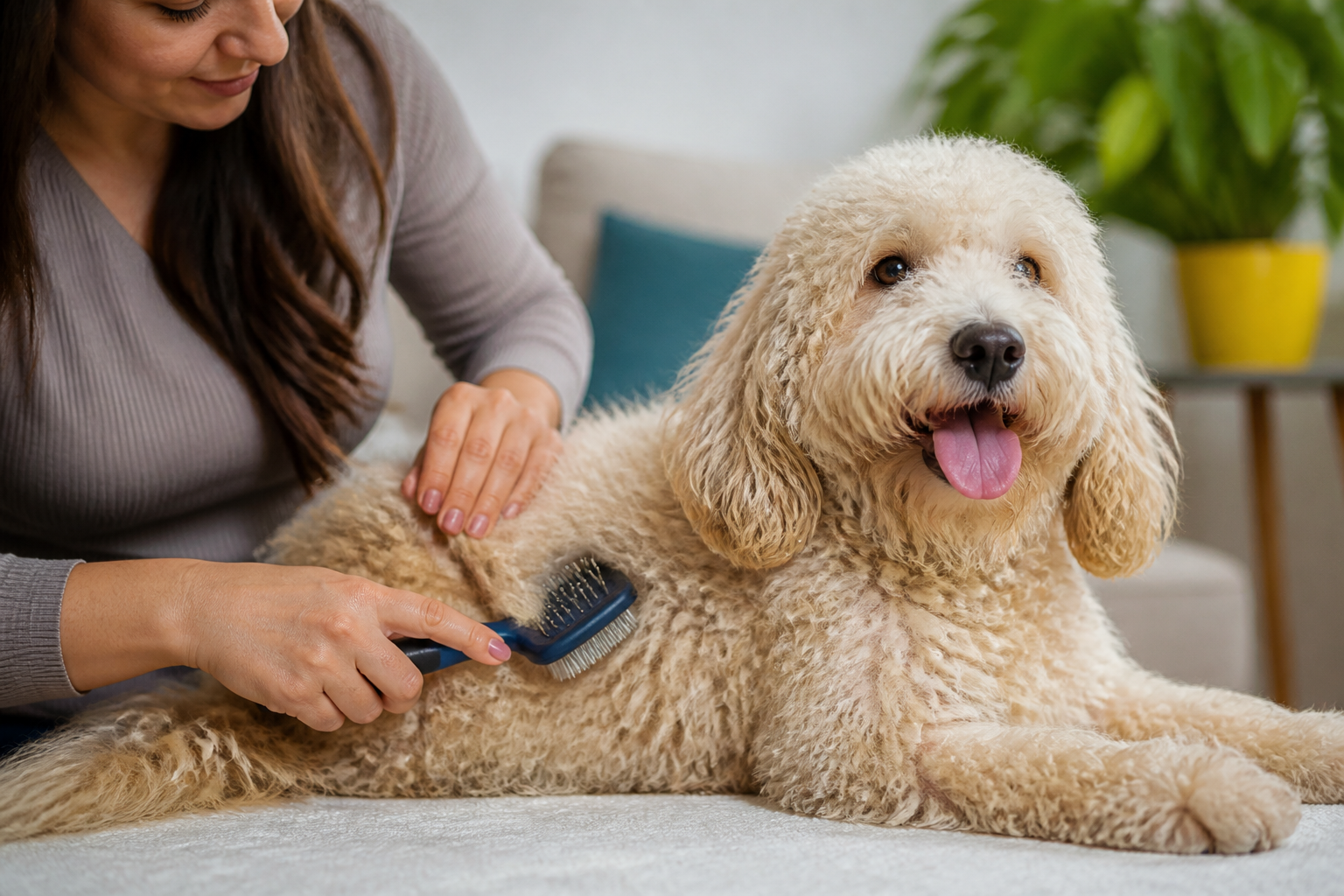
You are relaxing on the couch with your dog when your hand hits a hard, lumpy knot behind their ear. You try to separate the fur with your fingers, but it feels like a solid brick of felt. This is a common moment for many pet owners, especially those with curly or long-haired breeds. These knots, known as mats, can be frustrating and even painful for your dog if they are not handled correctly. At BaxterBoo, we understand that you want your dog to look their best and feel comfortable. This guide will show you how to safely identify, treat, and prevent mats using the right tools and techniques. We want to help you turn grooming back into a calm bonding experience rather than a stressful chore.
Quick Answer: To brush out a mat, start by applying a dog-safe detangling spray to the dry fur. Use a slicker brush or a dematting tool to work from the ends of the hair toward the skin while holding the base of the fur to prevent pulling. If the mat is tight against the skin, consult a professional groomer to avoid accidental injury.
Understanding Matted Dog Hair
Matted hair is not just a messy tangle. It happens when loose, dead fur gets caught in the healthy growing coat. These hairs begin to wrap around each other, creating a dense clump. Unlike a simple knot that you can easily pull apart, a mat often involves many layers of fur and can eventually reach all the way down to the skin.
Several factors contribute to these stubborn clumps. Friction is one of the most common causes. This is why you often find mats in the armpits, under the collar, or behind the ears where the fur is constantly rubbing together. Moisture is another factor. If your dog goes for a swim or gets a bath and is not brushed afterward, the drying process can cause the hair to curl and tighten into knots.
Puppies also go through a high-risk phase for matting. As they lose their soft puppy coat and their adult hair begins to grow in, the two different textures can easily tangle together. Introducing your puppy to a brush early on helps manage this transition. It also gets them used to the sensation of grooming before they have to deal with serious knots.
The Risks of Ignoring Matting
Mats might look like a cosmetic issue, but they can significantly impact your dog's health. When a mat becomes tight, it begins to pull on the skin. This constant tension is uncomfortable and can even restrict your dog's movement. In severe cases, the skin underneath becomes red, irritated, and prone to infections.
Matting also acts like a shield that hides problems from view. You might not notice fleas, ticks, or hot spots if they are buried under a thick layer of felted fur. Furthermore, mats trap moisture and debris against the skin. This creates a breeding ground for bacteria or fungal infections.
Vet Tip: If you notice your dog obsessively licking or chewing at a specific mat, there may be underlying skin irritation or a hidden wound. If the skin looks raw or smells unusual after you remove a mat, consult your veterinarian. Our pharmacy offers topical treatments and medications for these types of skin concerns.
Essential Tools for Your Home Grooming Kit
Having the right tools is the difference between a successful grooming session and a painful one. Using the wrong brush can actually make mats tighter or fail to reach the undercoat where the trouble starts. We carry a wide variety of professional-grade tools in our dog grooming collection to help you maintain any coat type.
The Slicker Brush
This is the most versatile tool for most dog owners. A slicker brush has fine, short wire bristles that are slightly angled. It is excellent for removing loose hair and breaking up surface-level tangles. It works well for curly, wire, and long-haired breeds.
The Metal Greyhound Comb
Often called a finishing comb, this tool has long, thin metal teeth. After you think you have brushed through a mat, run the comb through the fur. If it snags, you still have work to do. Metal is preferred over plastic because it does not create static and is strong enough to handle dense fur.
Detangling Spray or Conditioner
Never try to brush out a dry, stubborn mat without some help. A detangling spray provides "slip" to the hair shafts. This allows them to slide past each other more easily. You can also use a bit of coconut oil in a pinch, but a dedicated spray is usually less messy.
Dematting Rake or Tool
These tools have sharpened blades designed to cut through the center of a mat. They allow you to break the clump into smaller, manageable pieces without having to shave the whole area. These should be used with extreme caution to avoid cutting the skin. A product such as the Master Grooming Tools Coat Mat and Tangle Splitter is designed specifically for breaking up tough tangles.
| Tool Type | Best Use Case | Benefit |
|---|---|---|
| Slicker Brush | Daily maintenance and surface mats | Removes loose undercoat |
| Metal Comb | Checking for hidden knots | Reaches all the way to the skin |
| Dematting Rake | Breaking up dense, stubborn mats | Saves the length of the coat |
| Detangling Spray | Preparing the fur for brushing | Reduces pulling and pain |
A Step-by-Step Guide to Removing Mats Safely
Removing a mat requires a gentle hand and plenty of patience. If you rush, you risk hurting your dog, which will make them dread the brush in the future. Follow these steps to clear out tangles safely.
Step 1: Preparation
Find a quiet area where your dog feels relaxed. If you have a small dog, placing them on a stable table with a non-slip mat can make the job easier on your back. Gather all your tools and a handful of high-value treats.
Step 2: Lubricate the Mat
Apply your detangling spray directly to the mat. Massage it in with your fingers to ensure it reaches the center of the clump. Let it sit for a minute or two. This softens the hair and makes the process much smoother.
Step 3: Hold the Base of the Fur
This is the most important part of the process. Grasp the fur between the mat and the skin with your thumb and forefinger. This ensures that when you brush, the tension is on your hand rather than pulling on your dog's sensitive skin.
Step 4: Work Outside-In
Do not start at the skin and try to pull the brush through the mat. Instead, start at the very ends of the hair. Use short, fast strokes with your slicker brush to pick away at the edges of the knot. As the edges loosen, move your brush slightly closer to the skin.
Step 5: Separate with Your Fingers
Once the mat has loosened slightly, try to gently pull it apart with your fingers. Think of it like untying a complicated knot in a shoelace. Breaking one large mat into three smaller ones makes it much easier to brush out.
Step 6: Use the Comb to Finish
Once you can move the slicker brush through the area freely, follow up with the metal comb. Start with the wider-spaced teeth and finish with the fine-toothed side. If the comb passes through from skin to tip without catching, the mat is gone.
Key Takeaway: Always hold the base of the hair while brushing to prevent the skin from stretching and causing pain. Work from the tips of the hair toward the skin in small sections.
When Brushing Is Not Enough: The Case for Shaving
Sometimes, despite your best efforts, a mat is too tight to be brushed out. If the mat is "pelted"—meaning it has formed a solid sheet against the skin—attempting to brush it out is cruel. It will cause significant pain and skin trauma.
In these situations, the safest and most humane option is to shave the mat away. This should be done with electric clippers, not scissors. Many owners make the mistake of trying to cut a mat out with kitchen or craft scissors. This is extremely dangerous. Because mats pull the skin up into the knot, it is very easy to accidentally cut the dog's skin.
A professional groomer uses specialized clipper blades that can slide safely between the mat and the skin. While your dog might look a little patchy for a while, the hair will grow back. Your dog's comfort is much more important than their appearance.
Breed-Specific Matting Concerns
Different coats require different approaches. Knowing what your specific dog needs will help you stay ahead of the tangles. For additional guidance on curly coats, read how to groom a dog with curly hair.
Curly and Wavy Coats
Breeds like Poodles, Doodles, and Bichon Frises have hair that doesn't stop growing. It also doesn't fall out on its own. Instead, the shed hair gets trapped in the curls. These dogs usually need daily brushing to remain mat-free.
Silky and Drop Coats
Yorkshire Terriers and Maltese have hair that is very fine, much like human hair. It tangles easily from static or friction. Using a conditioning spray during every brushing session is vital for these breeds to keep the hair shafts smooth.
Double-Coated Dogs
Golden Retrievers, Huskies, and German Shepherds have a soft undercoat and a tougher outer coat. Mats often form in the undercoat during "blowing coat" season. If you don't remove the dead undercoat, it will felt into the topcoat. A de-shedding tool or a long-toothed undercoat rake is essential here.
Wire-Coated Breeds
Schnauzers and many Terriers have a harsh texture. They tend to mat in the "furnishings," which are the longer hairs on their legs and face. Regular "stripping" or clipping is needed to keep these areas manageable.
Preventing Mats in the Future
Prevention is much easier than removal. By making a few small changes to your routine, you can keep your dog's coat healthy and tangle-free.
Establish a Routine
Consistency is the most effective tool you have. Even five minutes of brushing every day is better than an hour once a week. It keeps the hair separated and allows you to catch tiny tangles before they turn into major mats. You can even earn rewards on grooming tools through the MVP Rewards program when you stock up on your favorite brushes.
Remove Gear at Home
Collars and harnesses are major causes of friction mats. When your dog is safely inside for the evening, take off their gear. This gives the skin a chance to breathe and prevents the hair from being compressed and rubbed.
Use the Right Shampoo and Conditioner
Always use products specifically formulated for dogs. Human shampoos have the wrong pH level and can strip the natural oils from a dog's coat, making the hair brittle and more likely to break or tangle. A high-quality conditioner helps seal the hair cuticle. For more bath-time guidance, see these dos and don'ts for bathing your dog.
Consider the Diet
A healthy coat starts from the inside. If your dog's skin is dry and itchy, they will scratch. Excessive scratching is a fast track to matting. Ensure your dog is getting enough Omega-3 fatty acids. We offer many premium foods and supplements that support skin and coat health, and you can save on these items by using our Autoship program for recurring deliveries.
Bottom line: Regular maintenance and the right tools are the keys to a mat-free dog and a pain-free grooming experience.
Conclusion
Managing matted dog hair is an essential part of being a pet owner. While finding a mat can be frustrating, approaching it with the right tools and a gentle technique ensures your dog stays comfortable and happy. Remember to always work on dry fur, use a detangler, and hold the hair at the base to prevent pulling. If a mat is too tight or covers a large area, do not hesitate to seek help from a professional. Keeping your dog's coat in top shape is about more than just looks. It is about their overall well-being. For all your grooming needs, from slicker brushes to specialized shampoos, explore our dog brushes and combs and other grooming essentials.
- Brush daily for high-maintenance breeds.
- Always use a detangling spray before tackling knots.
- Never use scissors to cut out mats near the skin.
- Check friction zones like armpits and collar lines frequently.
FAQ
Can I brush out mats when my dog's hair is wet?
No, you should never try to brush out mats on a wet dog. Water causes the hair to swell and often makes the knots tighten as the fur dries. Always wait until the coat is completely dry, or use a blow dryer on a cool setting before you begin the detangling process.
Why does my dog get mats even though I brush them every week?
Weekly brushing might not be enough for certain coat types, or you might only be brushing the top layer of fur. This is known as surface brushing. To prevent mats, you must use a tool like a metal comb that reaches all the way to the skin to ensure the undercoat is not tangling.
Are there any home remedies for matted dog hair?
A common home remedy is using a small amount of cornstarch on the mat. Cornstarch helps to loosen the hair fibers and reduce friction, making it easier to slide the brush through. Simply rub a pinch into the knot, let it sit, and then gently work it out with your fingers or a brush.
Is it okay to just cut a mat out with scissors?
Using scissors is very risky because it is difficult to see where the mat ends and the skin begins. Mats often pull the skin upward into the knot. If you must remove a mat and cannot brush it out, it is much safer to use electric clippers or visit a professional groomer to avoid a painful trip to the vet for stitches.






