
 Save 15% on your 1st Autoship learn more

 Email us
 Live Chat
 FAQs
FAQs





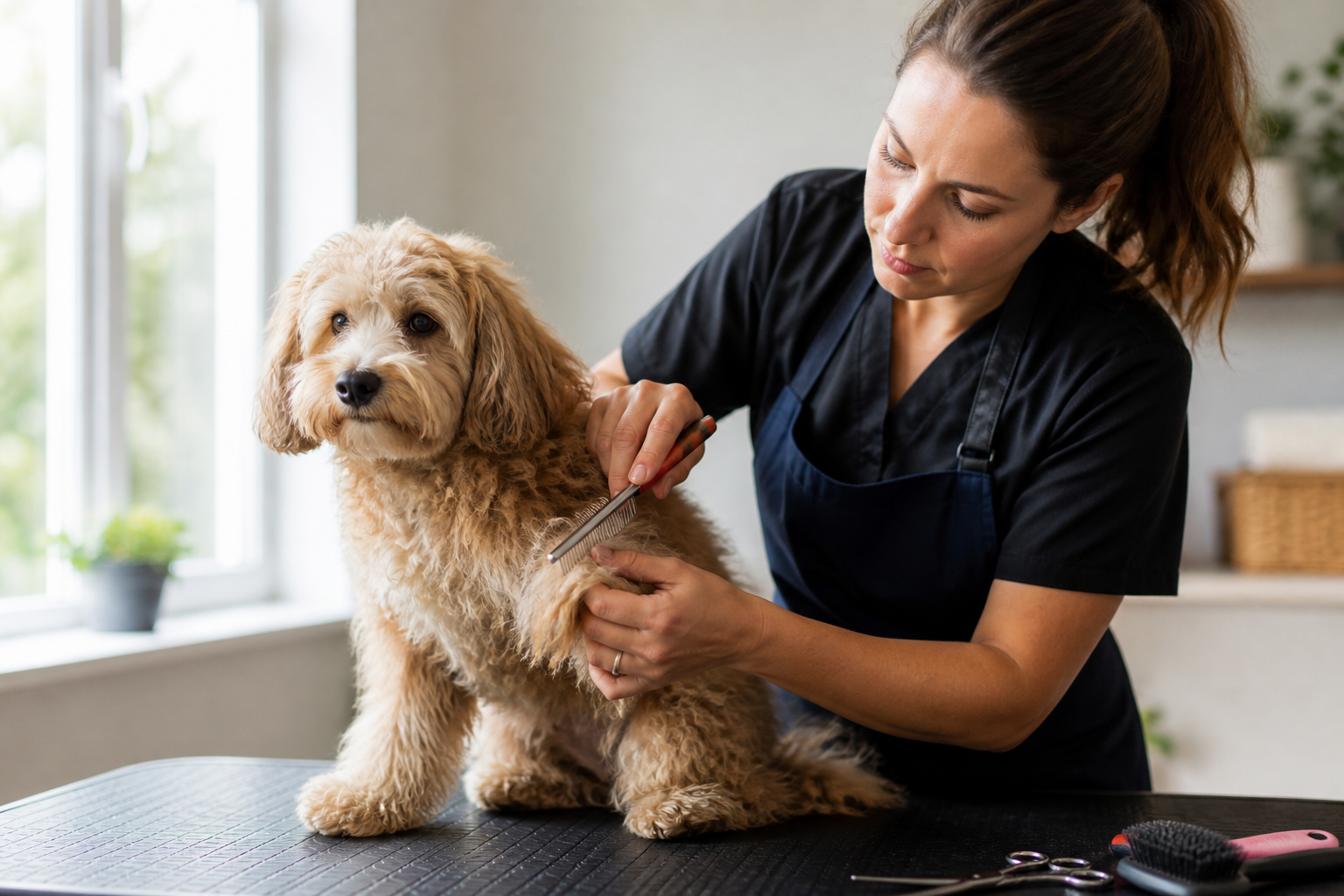
Introduction
You are relaxing on the couch with your dog when your hand hits a hard, lumpy patch of fur behind their ears. It feels like a felted knot that refuses to pull apart. This is a common moment for many pet owners. Matted hair is more than just a cosmetic issue. It can be a source of significant discomfort and even skin health problems for your dog.
At BaxterBoo, we talk to pet owners every day who are navigating the challenges of coat maintenance. Whether you have a curly-coated Poodle mix or a long-haired Golden Retriever, mats are a reality of pet ownership. This guide will walk you through the safe, step-by-step process of removing those tangles. We will cover the tools you need and when it is time to put the brush down and see a professional. Our goal is to help you keep your dog comfortable and their coat healthy through practical, expert-backed advice.
Understanding What Causes Dog Hair to Mat
A mat is a dense cluster of tangled hair, loose fur, dirt, and skin oils. It happens when loose hairs that have already shed stay trapped in the coat. These hairs wrap around live hairs and tighten over time. If you do not remove these tangles, they eventually form a solid mass close to the skin.
Several factors contribute to this process. Friction is the most common cause. This is why you often find mats in high-movement areas. These include the armpits, behind the ears, and where the collar or harness sits against the body. Moisture is another major factor. If your dog goes for a swim or takes a bath and dries without a thorough brushing, the hair can curl and lock together. For additional bathing guidance, see these tips for bathing your dog.
Seasonal changes also play a role. During the spring and fall, many dogs shed their undercoats. If this dead hair is not brushed out, it twists into the remaining fur. This is especially common in double-coated breeds. Even the transition from a soft puppy coat to an adult coat can cause a sudden spike in matting.
Key Takeaway: Mats are tight clumps of dead and living hair that thrive on friction, moisture, and neglected shedding cycles.
Identifying the Trouble Spots
Before you start brushing, you need to know where to look. Mats love to hide in places where you might not notice them during a quick pat. You should perform a regular "hands-on" check of these specific areas:
- Behind the ears and under the chin
- In the armpits and groin area
- Between the toes and around the paw pads
- Under the collar or harness lines
- The back of the rear legs (the "feathers")
- The base of the tail
If you find a knot, do not pull at it. This can cause immediate pain and make your dog fear the grooming brush. Instead, feel the size of the mat. Determine if it is a loose tangle or if it is tight against the skin.
The Essential Grooming Toolkit
To handle mats safely, you need the right tools. Using the wrong brush can actually make the matting worse or scratch your dog’s sensitive skin. We recommend keeping a dedicated kit ready for these situations. You can find brushes, combs, clippers, and other supplies in our dog grooming collection.
The Slicker Brush
This is your primary tool for surface tangles. It has fine wire bristles that are slightly bent. It is excellent for grabbing loose fur and breaking up small knots. Always look for one with comfortable tips so you do not "brush burn" the skin. A purpose-built option is the Master Grooming Tools Coat Mat and Tangle Splitter.
The Metal Greyhound Comb
This is a long, thin metal comb with two different tooth spacings. Use the wider side to find tangles and the finer side to ensure the coat is completely clear. Metal is essential because plastic combs will bend or snap when they hit a tough knot.
Detangling Spray or Leave-In Conditioner
Never try to brush a dry mat if you can avoid it. A dog-safe detangling spray adds "slip" to the hair fibers. This allows them to slide past each other rather than snapping. It also helps reduce the static that can cause more tangles.
Cornstarch (The Secret Weapon)
For greasy or stubborn mats, a small amount of cornstarch can help. It absorbs oils and helps the hair fibers separate. Rub a tiny bit into the knot before you start working on it with your tools.
Quiet Electric Clippers
If a mat is too tight to brush out, clippers are the only safe way to remove it. Do not use scissors. We see many injuries at the warehouse from well-meaning owners who accidentally nicked their dog's skin with kitchen shears.
Note: Professional-grade tools are an investment in your dog's comfort and your own sanity during grooming sessions.
How to Brush Out Matted Hair on Your Dog: Step-by-Step
Removing a mat requires a gentle touch. If you rush, you will pull the skin and lose your dog's trust. Follow these steps for a successful session.
Step 1: Create a Calm Environment
Find a quiet space with good lighting. If your dog is nervous, use a non-slip mat so they feel secure. Have plenty of high-value treats ready to reward them for staying still.
Step 2: Apply Detangler
Spray the mat directly with a detangling solution. Let it sit for two to three minutes. This gives the product time to penetrate the center of the knot. If the mat is near the ears or eyes, spray the product onto your fingers first and then rub it into the fur.
Step 3: Isolate the Mat
Use your fingers to pull the mat away from the surrounding clear hair. Hold the base of the mat firmly with one hand, close to the skin. This prevents the brush from pulling on the skin itself. Your hand acts as a "buffer" for the tension.
Step 4: Work from the Ends to the Roots
Never start brushing at the base of the knot. Start at the very tips of the hair furthest from the skin. Use short, fast strokes with your slicker brush. Slowly work your way down toward the skin as the hair begins to separate.
Step 5: Use the Metal Comb
Once the slicker brush moves through the area easily, follow up with the metal comb. Start with the wide-tooth side. If it catches, go back to the slicker brush. When the wide-toothed side passes through, switch to the fine-toothed side. The mat is only truly gone when the fine teeth can slide from root to tip without snagging.
Vet Tip: If your dog's skin looks red, wet, or irritated under a mat, stop brushing. This could be a "hot spot" or an infection. Contact your veterinarian for an exam. Our pet pharmacy carries many topical treatments available with a prescription.
When to Stop Brushing and Start Shaving
There is a point where brushing becomes inhumane. If a mat is "pelted," it means the hair is so tightly wound that it has formed a hard shell against the skin. Attempting to brush this out would take hours and cause extreme pain.
In these cases, the kindest thing to do is shave the mat away. Use electric clippers with a short blade. Go slowly and keep the skin taut. If you can see the skin through the mat, you might be able to save it. If the mat is a solid block that does not move when you wiggle the fur, it is time to clip it.
Shaving a matted dog can sometimes reveal hidden issues. You might find fleas, ticks, or sores that were trapped under the fur. If the matting is widespread over the whole body, we strongly recommend visiting a professional groomer. They have the experience to safely remove "pelts" without injuring the thin, compromised skin underneath.
The Physical Risks of Untreated Mats
Mats are not just a nuisance. They can lead to serious medical conditions. When hair is tightly knotted, it prevents air from reaching the skin. This traps moisture and heat, creating a perfect environment for bacteria and fungi to grow.
Severely matted hair can also act like a tourniquet. It can pull so tightly on the skin that it cuts off blood circulation to the area. This can lead to hematomas, which are pockets of blood that form under the skin. In extreme cases, a mat around a tail or a limb can actually cause the tissue underneath to die. This is why regular maintenance is a vital part of your dog's overall health care.
Bottom line: Ignoring a mat allows it to tighten, potentially leading to skin infections, restricted blood flow, and significant pain.
Diet and Its Role in Coat Health
A healthy coat starts from the inside. If your dog's hair is brittle or dry, it will tangle more easily than a soft, hydrated coat. Providing the right nutrients can make a noticeable difference in how many mats you have to deal with each week.
Omega-3 and Omega-6 fatty acids are essential for skin and coat health. These are often found in high-quality fish oils or supplements. We carry several trusted brands like Zesty Paws and Honest Paws that focus on skin support. A balanced diet ensures the hair shaft is strong and smooth, which naturally resists knotting.
If you notice your dog is scratching frequently, they may have allergies or dry skin. Constant scratching is a fast way to create mats. If your dog is struggling with chronic skin issues, talk to your vet about prescription diets or allergy medications. Our pharmacy at BaxterBoo can help fulfill those prescriptions conveniently.
Preventing Future Mats
The best way to handle mats is to stop them from forming in the first place. Consistency is the key to a tangle-free dog. You do not need to spend hours every day, but a few minutes of targeted brushing will save you a lot of trouble later.
Establish a Routine
Brush your dog at least two to three times a week. For breeds with long or curly hair, daily brushing is often necessary. Use "movie night" or a quiet evening at home as your grooming time. This helps your dog associate brushing with relaxation and bonding.
Use the Right Technique for the Coat Type
- Curly Coats (Poodles, Doodles): These need deep brushing to the skin. If you only brush the top, the undercoat will mat.
- Double Coats (Huskies, Shepherds): Use an undercoat rake to pull out dead fur before it tangles.
- Silky Coats (Yorkies, Maltese): Use a soft slicker brush and plenty of detangling spray to prevent breakage.
Managing Gear and Clothing
Check your dog's coat every time you remove their harness or sweater. These items create friction that starts mats instantly. If your dog wears a collar 24/7, take it off once a day to brush the hair underneath their neck.
Post-Water Care
If your dog gets wet, do not let them "air dry" and roll around on the carpet. Towel them off thoroughly and give them a quick brush-through while the hair is still damp. This prevents the hair from curling into tight knots as it dries.
Summary of Brushing Frequency by Coat Type
| Coat Type | Recommended Brushing Frequency | Primary Tool |
|---|---|---|
| Short / Smooth | Weekly | Rubber curry brush or bristle brush |
| Double Coated | 2-3 Times per Week | Undercoat rake and slicker brush |
| Long / Silky | Daily or every other day | Metal comb and detangling spray |
| Curly / Wavy | Daily | Slicker brush and metal comb |
| Wiry | 2 Times per Week | Slicker brush and stripping comb |
Training Your Dog to Love Grooming
Many dogs hate the brush because it has pulled their hair in the past. You can "reset" their opinion of grooming with positive reinforcement. Start by just showing the brush and giving a treat. Then, touch them with the back of the brush and give a treat.
Move slowly. Brush one small area for ten seconds, then stop and reward. If your dog tries to mouth the brush or walk away, stop the session. You want them to feel in control and safe. Using a licking mat with peanut butter can be a great way to keep them occupied while you work on a stubborn area.
If your dog is extremely fearful or shows signs of aggression when you touch a mat, do not force the issue. This is a sign that the mat is likely painful. In these cases, professional help is the safest route for both you and your pet.
Conclusion
Managing matted hair is an essential part of being a dog owner. While it can feel overwhelming to find a large knot, staying calm and using the right tools will help you resolve the issue safely. Remember to work from the ends of the hair toward the skin, hold the base of the fur to prevent pulling, and never use scissors to cut out a mat.
Regular grooming does more than just keep your dog looking good. It strengthens your bond and allows you to catch health issues before they become serious. At BaxterBoo, we are here to support your journey with the best gear, expert advice, and a dedicated pharmacy for your dog's health needs.
For your next grooming session, consider joining our MVP Rewards program. You can earn points on every brush, spray, and supplement you purchase. Keeping your dog's coat healthy is a long-term commitment, and we want to make that process as rewarding as possible for you.
FAQ
Can I use human hair conditioner to detangle my dog's mats?
It is best to avoid human products because dogs have a different skin pH than humans. Human conditioners may contain scents or chemicals that can irritate a dog's skin or be harmful if licked. Use a pH-balanced, dog-safe detangling spray for the best and safest results.
Why shouldn't I use scissors to cut out a mat?
A dog's skin is very thin and can easily be pulled into the center of a tight mat. It is often impossible to tell where the hair ends and the skin begins. Using scissors often results in deep nicks or cuts that require stitches at the vet. Electric clippers are a much safer alternative.
How do I know if a mat is too tight to brush out?
If you cannot see the skin when you gently pull the mat away, or if the mat feels like a hard, solid lump that does not move, it is likely too tight. Attempting to brush this will cause significant pain. Shaving is the more humane option for these "pelted" areas.
Does my dog's diet really affect how much their hair mats?
Yes, nutrition plays a big role in coat texture. A diet lacking in essential fatty acids can lead to dry, brittle hair that tangles easily. Adding a high-quality Omega-3 supplement can improve the elasticity and smoothness of the hair, making it more resistant to matting.






