
 Save 15% on your 1st Autoship learn more

 Email us
 Live Chat
 FAQs
FAQs





Introduction
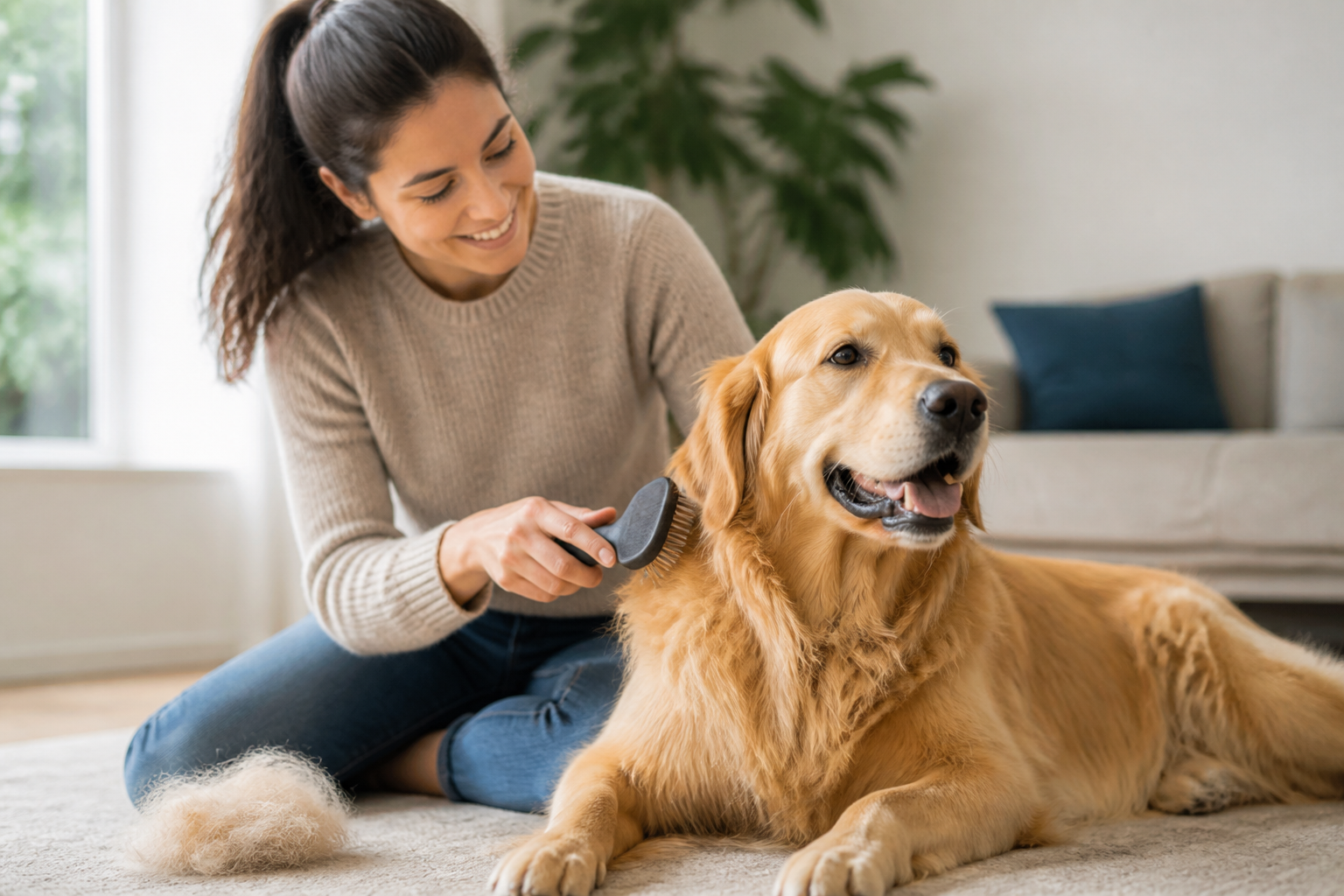
You might notice a trail of hair across your hardwood floors or find a stubborn knot behind your dog's ears. These moments often lead pet owners to realize that their grooming routine needs a bit of help. Brushing is more than just a way to keep your house clean. It is a vital part of your dog's physical health and mental well-being. At BaxterBoo, we know that every dog has a unique coat that requires a specific approach. This post covers the tools you need and the techniques that work for different fur types. We will also look at how to handle tangles without causing your pet distress. Learning the right way to brush helps prevent skin issues and keeps your dog comfortable throughout the year.
Quick Answer: Brush your dog in the direction of hair growth using a tool suited for their coat type. Short-haired dogs need a rubber brush once a week. Long-haired or double-coated dogs require daily sessions with a slicker brush and a metal comb to prevent painful matting.
Why Regular Brushing Is Essential
Brushing your dog is one of the most effective ways to monitor their overall health. When you run a brush through their fur, you are doing more than removing loose hair. You are distributing natural skin oils across the hair shaft. This process gives the coat a healthy shine and keeps the skin hydrated. It also helps your dog regulate their body temperature more effectively. A coat clogged with dead fur cannot breathe well. This can lead to overheating in the summer or trapped moisture in the winter.
Regular sessions also allow you to check for external parasites. Fleas and ticks often hide in the thickest parts of the fur. You might also find unusual lumps, bumps, or sore spots that were hidden by the hair. Catching these issues early often leads to easier treatment. Brushing also reduces the amount of dander in your home. This is a major benefit for family members who suffer from seasonal allergies.
Finally, brushing serves as a quiet bonding time. Most dogs grow to enjoy the focused attention and the physical sensation of the brush. It builds trust between you and your pet. It also prepares them for professional grooming visits. A dog that is used to being handled at home will be much calmer on the grooming table.
Identifying Your Dog’s Coat Type
Before you pick up a brush, you must understand what kind of fur your dog has. Using the wrong tool can be ineffective or even painful. Most dogs fall into one of several main categories.
Short and Smooth Coats
These dogs have hair that lies close to the body. Breeds like Boxers, Great Danes, and Dachshunds fit this category. They do not get mats, but they do shed. Their hair is often stiff and can embed itself into furniture fabric.
Double Coats
Many breeds have a soft, insulating undercoat and a tougher outer layer. Labs and Pugs have short double coats. German Shepherds and Huskies have medium double coats. Golden Retrievers and Pomeranians have long double coats. This coat type "blows" twice a year. This means they shed their entire undercoat in a very short period.
Curly and Wavy Coats
Poodles and Doodles have hair that keeps growing rather than shedding out. This hair traps loose fur within the curls. If you do not brush these dogs daily, the trapped hair quickly turns into tight mats. These mats can pull on the skin and cause significant pain. For more guidance, read our guide to grooming curly-haired dogs.
Wire Coats
Terriers often have a rough, wiry outer coat. This hair does not shed easily on its own. It usually requires a specific technique to remove dead hair. This keeps the coat texture coarse and weather-resistant.
Key Takeaway: Matching your technique to your dog's specific coat type is the only way to ensure brushing is effective and pain-free.
The Essential Grooming Toolkit
A single brush rarely fits every need. Having a small kit of high-quality tools makes the job much easier. We carry a wide variety of these items in our dog grooming collection to help you get the job done right.
- Slicker Brushes: These have fine, wire bristles. They are excellent for removing loose hair and breaking up small tangles. They work well for most coat types, especially double coats and curly hair.
- Rubber Curry Brushes: Tools like the Kong ZoomGroom are perfect for short-haired dogs. They massage the skin and pull away loose fur like a magnet. You can even use them during a bath to work shampoo deep into the coat.
- Metal Combs: Often called Greyhound combs, these are essential for finishing. They help you check for hidden mats that the brush might have missed.
- Undercoat Rakes: These tools have long, blunt tines. They reach through the topcoat to pull out the dead undercoat. They are a must-have for heavy shedders like Huskies or Goldens.
- Bristle Brushes: These are best for smooth coats. They help spread oils and remove surface dust.
- Pin Brushes: These look like human hairbrushes but have wider spacing. They are good for long, silky coats like those of a Yorkie or Maltese.
Step-by-Step Brushing Technique
Once you have your tools, follow a consistent routine. This helps your dog know what to expect.
Step 1: Choose a calm environment. / Find a quiet spot with good lighting. Use a non-slip mat if you are brushing your dog on a table or counter.
Step 2: Perform a quick scan. / Run your hands over your dog's body. Feel for any new bumps or sensitive areas before you start with the tools.
Step 3: Brush in the direction of growth. / Always follow the way the hair naturally lays. Brushing against the grain can be uncomfortable and may cause skin irritation.
Step 4: Work in sections. / Start at the rear of the dog and move forward. This ensures you do not miss any spots. For long-haired dogs, lift the hair and brush the layers underneath.
Step 5: Use a metal comb to check your work. / After brushing a section, run a comb through it. If the comb catches, there is a small knot that needs more attention.
Vet Tip: If you discover red, flaky skin or a strong odor while brushing, schedule a visit with your veterinarian. These can be signs of underlying allergies or skin infections. Our pharmacy through Pet's Choice carries prescription medicated shampoos and allergy treatments if your vet recommends them.
Managing Mats and Tangles Safely
Mats are more than an eyesore. They can cut off airflow to the skin and trap moisture. This often leads to painful hot spots or infections. If you find a mat, do not reach for kitchen scissors. It is very easy to accidentally cut a dog's thin skin while trying to remove a knot.
Instead, use a dedicated dematting tool or a slicker brush. Hold the base of the mat with your fingers so you do not pull on the skin. Gently pick at the edges of the knot with the corner of the brush. Work from the outside of the mat toward the center. If the mat is tight against the skin, it is safest to have a professional groomer shave it off. You can also explore our dog brushes and combs for tools designed for detangling and finishing.
Water actually makes mats tighter. Never give a matted dog a bath until you have brushed out the knots. If you get the mats wet, they can shrink and pull even harder against the skin. Always ensure the coat is smooth before the water starts running. For additional bath-time advice, see our guide to bathing your dog.
Brushing During Shedding Season
Most dogs experience heavy shedding in the spring and autumn. During these times, you may need to brush your dog every single day. This prevents the dead undercoat from forming a "carpet" against the skin.
Using a deshedding tool like the Furminator can be very helpful during these peaks. However, use these tools with a light touch. You should not go over the same area more than a few times in one session. Over-brushing with a deshedding blade can cause "brush burn," which is a painful skin irritation. If your dog is losing hair in patches or has bald spots, this is not normal shedding. You should contact your vet to rule out hormonal issues or parasites.
Bottom line: Increasing your brushing frequency during seasonal changes prevents mats and keeps your home cleaner.
Training Your Dog to Enjoy Grooming
Not every dog is born loving the brush. Some might see the brush as a toy to bite, while others might feel nervous. The goal is to create a positive association with the process.
Start with very short sessions. Even thirty seconds of brushing is a win for a nervous puppy. Use high-value treats to reward your dog for staying still. Allow them to sniff the brush before you start. If your dog shows signs of stress, such as heavy panting or trying to hide, stop the session. You want to end on a positive note before they become overwhelmed.
Gradually increase the time as your dog becomes more comfortable. Focus on the areas they like first, such as the chest or shoulders. Save sensitive areas like the paws, tail, and ears for the end. With patience, most dogs will eventually relax and may even fall asleep during their grooming time.
Advanced Skin and Coat Health
What you put into your dog's body is just as important as what you do to the outside. A dull, brittle coat can be a sign of nutritional gaps. High-quality food rich in Omega-3 and Omega-6 fatty acids supports skin health from the inside out. We carry several premium brands like Farmina and Open Farm that prioritize coat health.
If your dog has chronic skin issues, they might need specialized support. Our pharmacy offers FDA-approved treatments for common conditions like flea dermatitis or environmental allergies. These products require a prescription, which we can help manage through our Pet's Choice partnership. Keeping your dog's skin healthy makes the brushing process much more comfortable for them. You can also browse our dog skin and coat care selection for grooming and nutritional support options.
Key Takeaway: A combination of the right grooming tools and proper nutrition is the secret to a professional-looking coat at home.
Conclusion
Brushing your dog's fur is a fundamental part of responsible pet ownership. It keeps their skin healthy, reduces shedding in your home, and provides a chance to check for health issues. Remember to choose the right tools for your dog's coat type and always brush in the direction of hair growth. If you find yourself struggling with a thick undercoat or stubborn mats, stay patient and use the right techniques to keep your pet comfortable.
- Use rubber brushes for smooth coats and slicker brushes for long or curly fur.
- Never use scissors to cut out mats at home.
- Brush before every bath to prevent knots from tightening.
- Reward your dog with treats to make grooming a positive experience.
To keep your grooming kit fully stocked, consider setting up our Autoship programme for your favorite grooming sprays or skin supplements. You will save on your orders and ensure you never run out of the supplies your dog needs. For any prescription skin treatments or flea preventives found during your grooming routine, our pharmacy is ready to help.
FAQ
How often should I brush my dog?
The frequency depends on your dog's coat type and lifestyle. Short-haired breeds usually only need a weekly brushing to remove loose hair and dust. Long-haired, curly, or double-coated dogs often require daily brushing to prevent painful mats and manage heavy shedding.
Should I brush my dog's hair wet or dry?
You should almost always brush your dog while the fur is dry. Brushing wet hair can cause it to stretch and break. More importantly, if your dog has any tangles, water will cause the hair fibers to swell and tighten the knots, making them much harder to remove.
Why does my dog's skin look red after I brush them?
Redness can be caused by using too much pressure or using the wrong type of brush for their skin sensitivity. This is often called brush burn. Ensure you are using a light touch and check that the bristles of your brush are not too sharp or damaged.
Can I use a human hairbrush on my dog?
It is usually best to use brushes designed specifically for pets. Human brushes often lack the bristle density or strength needed to penetrate a dog's thick undercoat. Specialty dog brushes are also designed to be safer for a dog's sensitive skin and unique hair textures.






