Save 15% on your 1st Autoship learn more

 Email us
 Live Chat
 FAQs
FAQs





Introduction
You are petting your cat and notice small white flakes scattered across their dark fur. These flakes often cluster near the base of the tail or along the spine. While a few flakes might seem like a minor cosmetic issue, they are often a sign that your cat's skin needs a little extra attention. At BaxterBoo, we know that a healthy coat starts from the inside out. This article explores why your cat might be dealing with dry skin and dandruff. We will cover environmental triggers, nutritional needs, and when it is time to seek medical help. Understanding the cause of these flakes is the first step toward restoring your cat's sleek and shiny coat.
Quick Answer: Cat dandruff is the visible buildup of dead skin cells on the fur. It can be caused by low humidity, poor nutrition, or underlying health issues like allergies or arthritis. Most cases improve with regular grooming, better hydration, and high-quality supplements.
Understanding the Difference Between Cat Dander and Dandruff
It is common to use the terms dander and dandruff as if they mean the same thing. However, they are quite different in the world of feline health. Every healthy cat produces dander. Dander consists of microscopic skin cells that shed naturally during the normal skin renewal cycle. You cannot see dander with the naked eye. It is the material that often triggers allergies in humans, especially when it mixes with a cat's saliva during grooming.
Dandruff is visible. It appears as white or gray flakes that get caught in the fur or fall onto your furniture. These flakes are larger clumps of dead skin cells that have shed prematurely or in excess. While dander is a sign of a healthy body at work, dandruff usually indicates an imbalance. This imbalance might be as simple as dry air in your home. It could also be a sign that the skin is producing too much oil or not enough.
Key Takeaway: All cats have microscopic dander, but visible dandruff is a sign that the skin barrier is struggling or irritated.
Common Environmental Causes of Dry Skin
The environment in your home plays a massive role in the health of your cat's skin. This is especially true during the winter months in colder climates. When you turn on the heater, the humidity levels in your home drop significantly. This dry air pulls moisture away from your cat’s skin. Over time, the skin becomes brittle and starts to flake. This is a common reason for a cat with dry skin and dandruff.
Static electricity is another sign of a dry environment. If you notice your cat’s fur standing up or if you feel a small zap when you pet them, the air is likely too dry. This lack of moisture can lead to itching. When your cat scratches, they loosen even more dead skin cells. This creates a cycle of irritation and flaking that can be hard to break without intervention.
Ways to improve the environment include:
- Using a humidifier in the rooms where your cat spends the most time.
- Moving your cat's favorite bed away from direct heat vents or radiators.
- Placing extra water bowls or a pet fountain around the house to encourage drinking.
The Role of Nutrition and Hydration
What your cat eats directly impacts the quality of their coat. Cats require specific nutrients to maintain the lipid barrier of their skin. This barrier keeps moisture in and prevents irritants from getting in. If their diet lacks essential fatty acids, the skin becomes dry and prone to dandruff. Omega-3 and Omega-6 fatty acids are crucial for this process.
Many commercial cat foods contain these fats, but some cats need higher levels than others. We carry brands like Stella and Chewy's and Open Farm that focus on high-quality proteins and healthy fats. You can explore our cat food category when comparing options for your cat's daily routine. If you feed your cat a strictly dry kibble diet, they may also be mildly dehydrated. Cats have a low thirst drive. They evolved to get most of their water from their prey. Dry food contains very little moisture, which can lead to chronic dehydration and dry skin.
Essential Nutrients for Skin Health
Proteins are the building blocks of hair and skin. If a cat does not get enough high-quality protein, their body will prioritize internal organs over the coat. This results in a dull, flaky appearance. Vitamins like Vitamin E and Vitamin A also support skin repair. Zinc is another mineral that plays a role in preventing skin infections and keeping the coat thick.
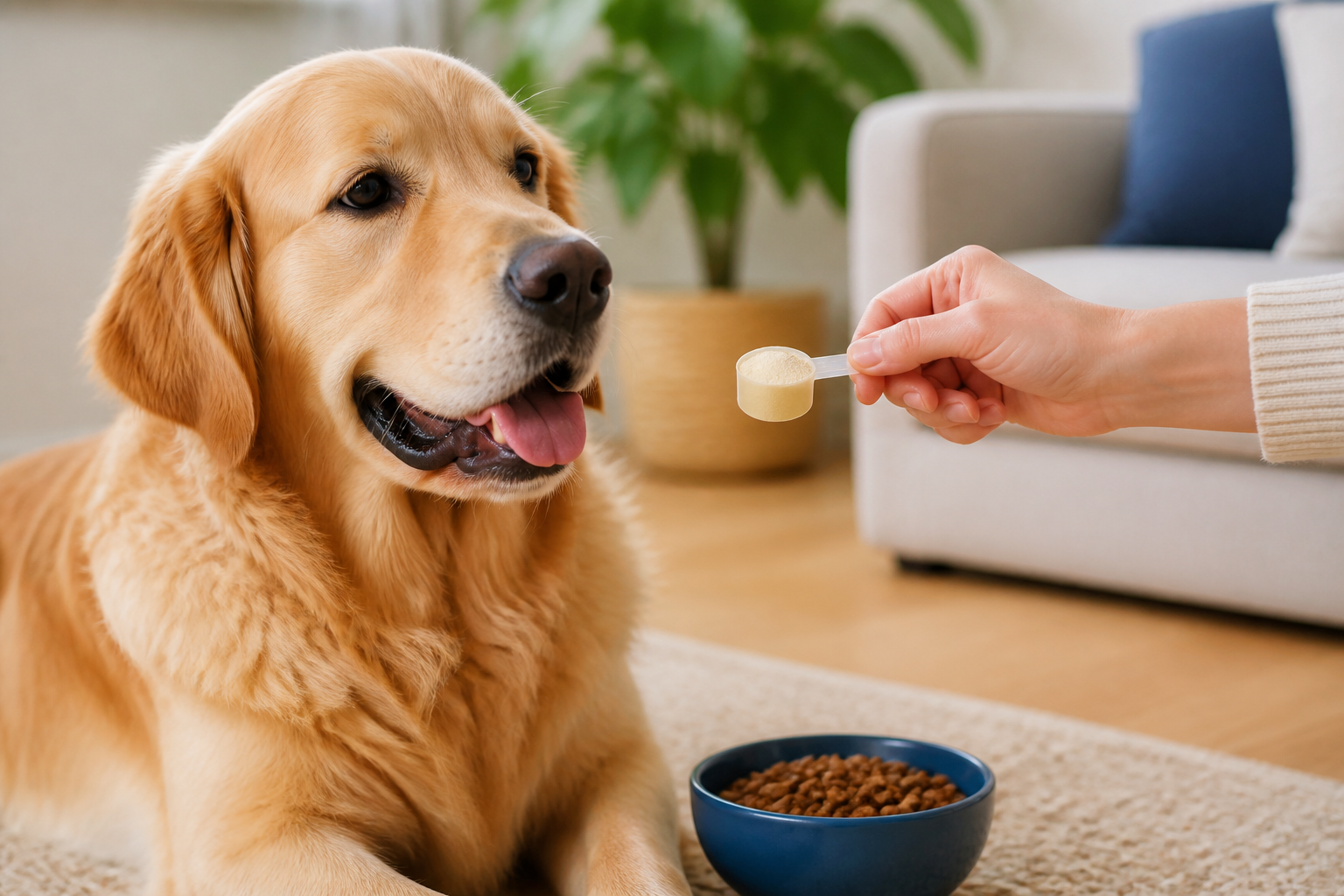
Vet Tip: If your cat has persistent dandruff, try adding a small amount of wet food to their daily routine. This increases their overall water intake. You can also look for salmon oil supplements to provide a concentrated boost of Omega-3 fatty acids.
For additional context on choosing supplements for pets at different life stages, read this guide to pet supplements and nutrition.
When Mobility Issues Lead to Dandruff
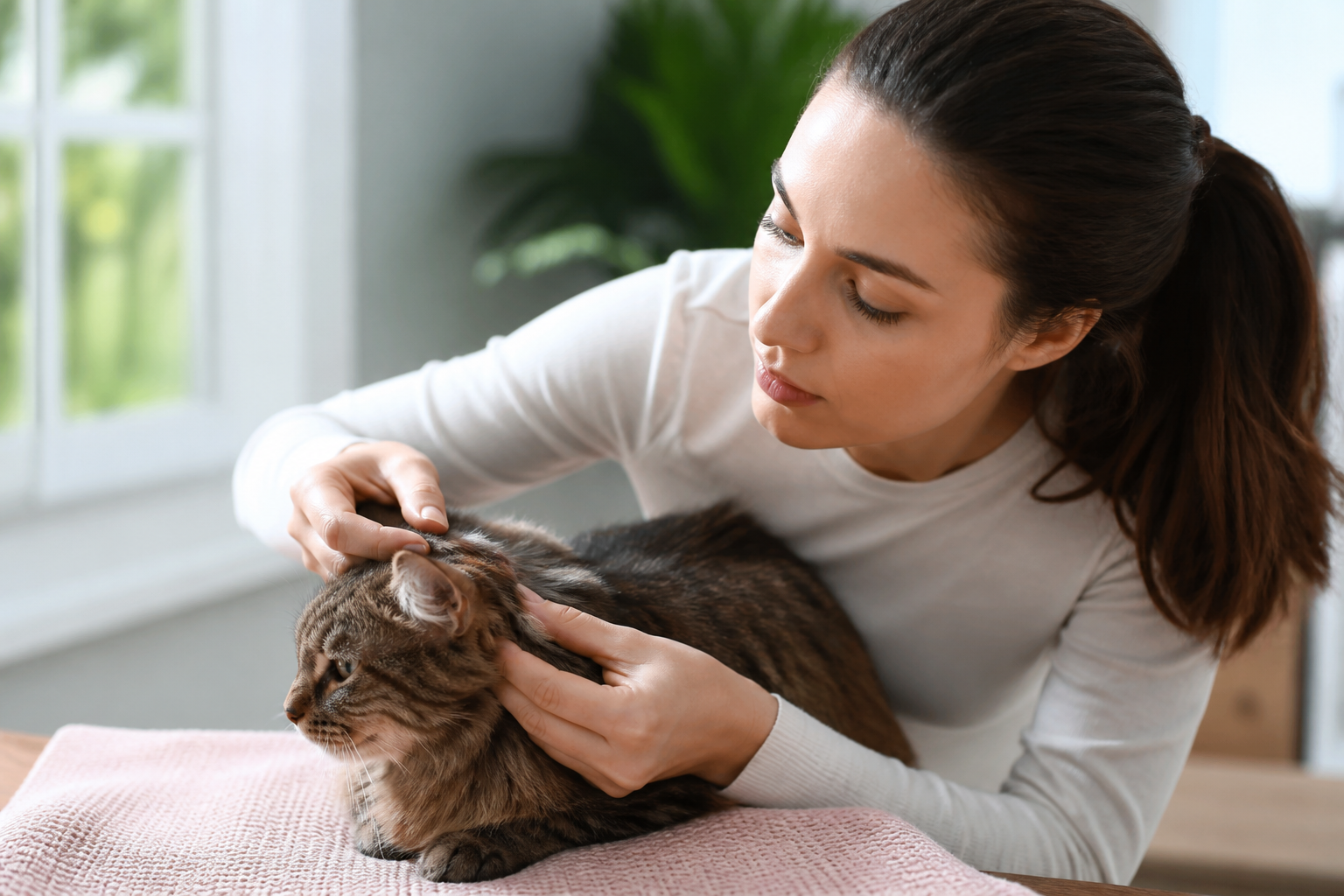
Sometimes, a cat with dry skin and dandruff is not suffering from a skin condition at all. Instead, they might be having trouble reaching certain parts of their body. Grooming is how a cat removes dead skin and distributes natural oils. If a cat stops grooming their lower back or the base of their tail, dandruff will build up quickly.
This is a common issue for senior cats with arthritis. Pain in the spine or hips makes it difficult for them to twist and reach their hindquarters. Obesity is another factor. Overweight cats often have physical "blind spots" that they simply cannot reach. If you notice that the dandruff is only located on the lower back, it is time to look at your cat’s mobility and weight.
Step 1: Observe your cat's grooming routine. / Watch if they struggle to reach their back or if they seem stiff when they move. Step 2: Help them with daily brushing. / Use a soft brush to remove the flakes and distribute oils in the areas they cannot reach. Step 3: Consult your vet about weight management. / If your cat is overweight, a weight loss plan can help them regain their ability to groom themselves.
For more information about mobility concerns in older cats, explore this guide to arthritis care for cats.
Parasites and "Walking Dandruff"
Not all flakes are just dry skin. Some are actually tiny parasites. A condition called Cheyletiellosis is caused by the Cheyletiella mite. These mites are large enough to see, and as they move under the scales of the skin, they make the dandruff look like it is moving. This is why the condition is commonly called "walking dandruff."
This parasite is highly contagious to other pets and can even cause itchy red bumps on humans. Other parasites like fleas can also cause skin irritation. Some cats are allergic to flea saliva. A single bite can cause a massive inflammatory reaction. This leads to redness, scabs, and heavy dandruff. Regular flea prevention is essential even for indoor cats.
You can also review our cat healthcare collection when looking for products related to routine skin and parasite care.
Key Takeaway: If you see dandruff that seems to move, or if your cat is itching intensely, parasites may be the cause rather than simple dry skin.
For a broader overview of prevention options, read this guide to flea and tick prevention.
When to See a Veterinarian
While many cases of dandruff are mild, some are signs of internal illness. Chronic conditions like diabetes or hyperthyroidism can change the way a cat's skin and coat look. These diseases often cause the coat to become greasy or very dry and unkempt. Kidney disease can also lead to dehydration, which shows up on the skin.
You should make an appointment with your vet if you notice:
- Large patches of hair loss.
- Red, inflamed, or bleeding skin.
- A foul odor coming from the skin or fur.
- Changes in thirst, appetite, or litter box habits.
- Excessive scratching that results in sores or scabs.
Your vet may perform a skin scraping to look for mites. They might also order blood work to check for underlying diseases. If your cat is diagnosed with a condition that requires medication, we can help. Our pharmacy offers FDA-approved medications through our partnership with Pet's Choice. This includes treatments for allergies, infections, and chronic health issues.
Medical Treatments and the BaxterBoo Pharmacy
If your vet determines that the dandruff is caused by an infection or an allergy, they may prescribe specific treatments. This might include medicated shampoos, topical ointments, or oral medications. Some cats require prescription diets to manage food sensitivities. These diets use unique protein sources that are less likely to trigger an immune response.
We carry premium brands like Farmina Vet Life and Royal Canin that offer specialized formulas for skin and coat health. Through the BaxterBoo pharmacy and our partnership with Pet's Choice, you can easily manage your cat's prescriptions. This service allows you to get the specific medications your cat needs delivered right to your door. This is a practical next step for owners managing chronic skin conditions or recurring parasite issues.
For more information about veterinary diets, read this guide to choosing and using veterinary diet food.
Bottom line: Medical causes of dandruff require a professional diagnosis and often involve prescription-strength solutions from a trusted pharmacy.
Practical Steps for Managing Dandruff at Home
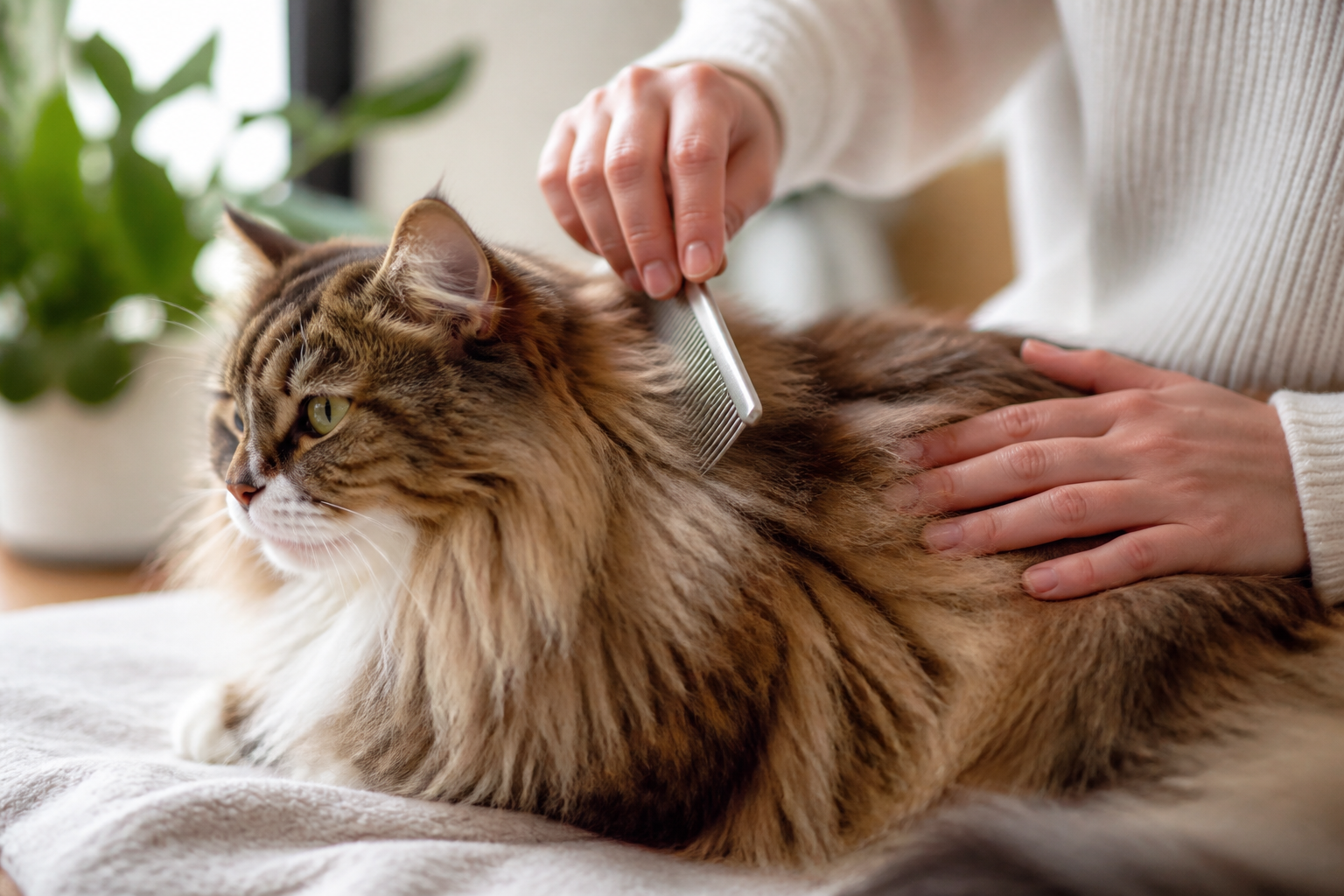
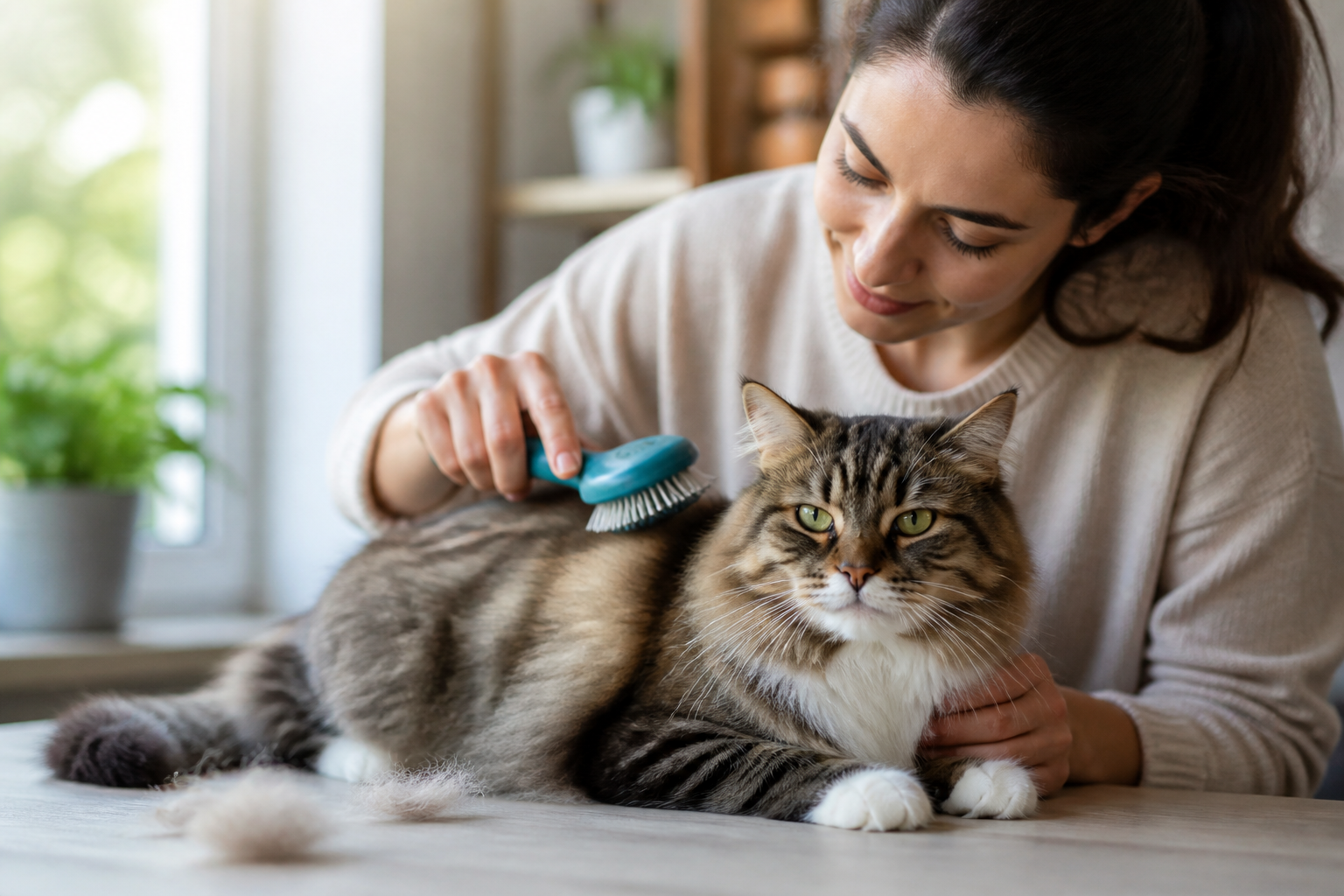
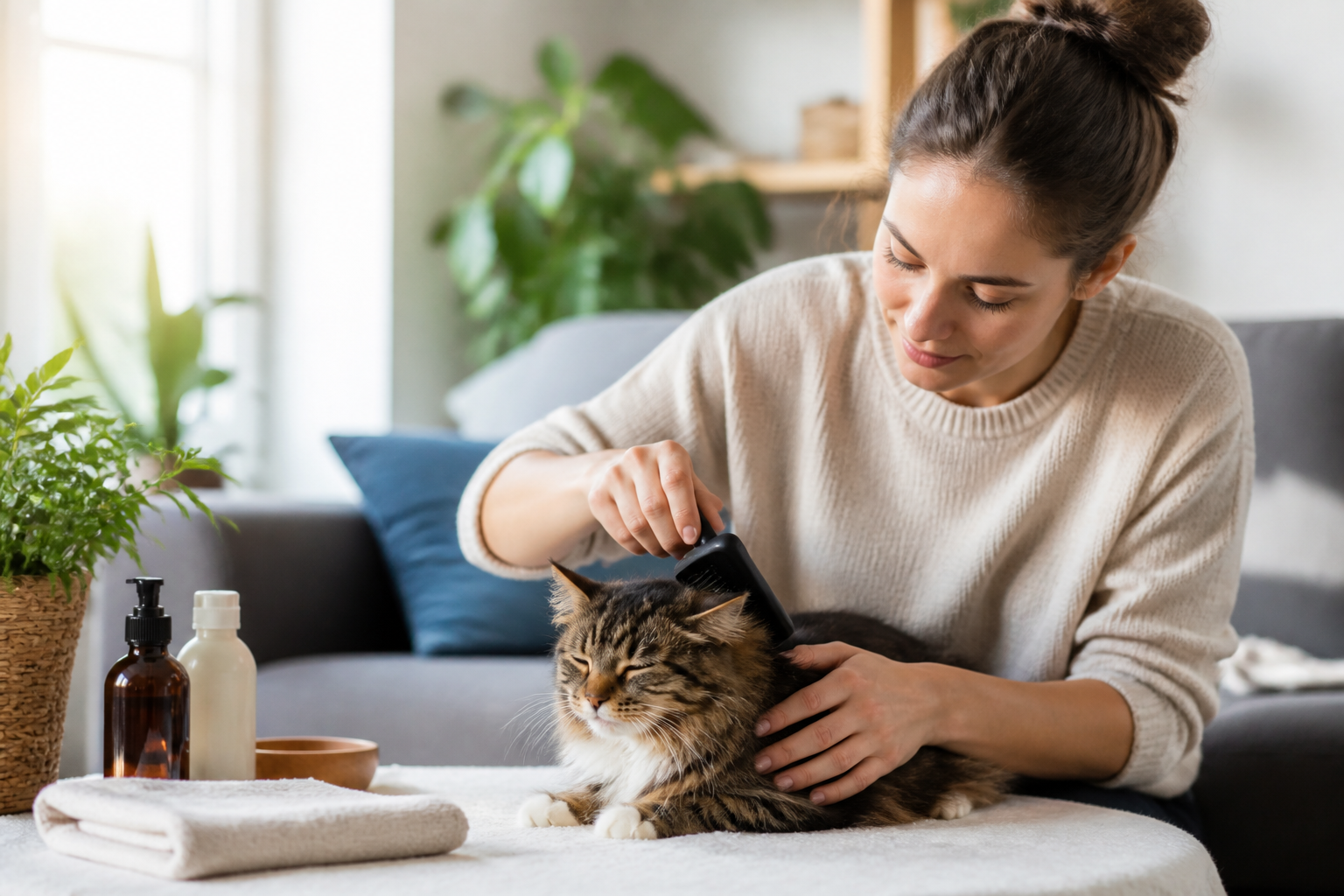
Once you have ruled out serious medical issues, you can focus on home care. Regular grooming is the most effective way to manage flakes. For short-haired cats, a rubber grooming mitt or a fine-toothed comb works well. Long-haired cats may need a slicker brush to get through the undercoat where flakes tend to hide. Our cat grooming supplies include brushes, combs, shampoos, and other tools for coat care.
Avoid bathing your cat too often. While it might seem like a good idea to wash away the flakes, water and soap can strip away essential oils. This often makes the skin even drier. If you must bathe your cat, use a moisturizing shampoo specifically formulated for felines. Never use human dandruff shampoo. These products contain ingredients like zinc pyrithione or salicylic acid that can be toxic to cats if they lick their fur.
A checklist for home care:
- Brush your cat at least three times a week.
- Add a pet-safe water fountain to encourage hydration.
- Supplement their diet with Omega-3 fatty acids from fish oil.
- Use a damp cloth to gently wipe away visible flakes between brushings.
- Keep your home's humidity level between 40 and 50 percent.
The Connection Between Stress and Skin
Cats are sensitive creatures. Changes in their environment can lead to stress, which manifests physically. Stress can cause a cat to over-groom or stop grooming altogether. Both behaviors lead to coat issues. Some cats develop "stress-induced seborrhea," where the skin suddenly becomes very oily or flaky during a tense event.
If you have recently moved, added a new pet, or changed your daily schedule, your cat might be reacting to the stress. Providing a stable routine and plenty of vertical space can help them feel secure. Calming aids and pheromone diffusers may also support a more relaxed environment. When a cat feels safe, their stress levels drop, and their skin health often improves alongside their mood.
Weight Management for Better Skin
If your cat is struggling to groom because of their size, weight management is the best solution for their dandruff. Extra weight puts pressure on the joints, making it painful to reach the lower back. It also creates skin folds where moisture and bacteria can get trapped. This leads to irritation and flaking.
Transitioning to a high-protein, low-carb diet can help with weight loss. We recommend looking into brands like Ziwi Peak or Tiki Cat for nutrient-dense options that satisfy your cat without extra fillers. Slow and steady weight loss is the safest way to help your cat. As they become more mobile, they will be able to take over their grooming duties again. This naturally reduces the buildup of dandruff.
Vet Tip: For obese cats, use a soft, damp cloth to help them "groom" the spots they cannot reach. This prevents the skin from becoming matted or infected while they work on their weight loss goals.
Choosing the Right Grooming Tools
Not all brushes are created equal. The wrong tool can actually irritate the skin and cause more flaking. If your cat has sensitive, dry skin, avoid brushes with sharp metal bristles. These can create micro-scratches on the skin surface. Instead, look for tools with rounded tips or soft natural bristles.
Rubber curry brushes are excellent for short-haired cats. They massage the skin and stimulate the production of natural oils. For cats with thick undercoats, a de-shedding tool can be used sparingly to remove dead hair before it traps skin cells. Always be gentle, especially over bony areas like the hips and spine. If your cat seems to be in pain during brushing, it could be a sign of underlying joint issues.
For more ideas about gentle feline grooming, read this article about cats, whiskers, and grooming care.
Conclusion
Seeing a cat with dry skin and dandruff can be frustrating, but it is usually a manageable issue. Most cats see significant improvement with a combination of better hydration, regular brushing, and high-quality nutrition. Whether the cause is the dry winter air or a need for better fatty acids, taking small steps can make a big difference. Remember to monitor your cat for any signs of discomfort or illness that might require a vet visit.
At BaxterBoo, we are here to support your pet's wellness journey. From premium foods like Acana and Orijen to the professional care provided by our pharmacy partnership, we have the resources you need. Consider signing up for our Autoship programme to ensure you never run out of the supplements or flea prevention your cat needs. Keeping your cat's skin healthy is an ongoing process, but the reward is a happy, comfortable, and flake-free companion.
FAQ
Is cat dandruff the same as human dandruff?
No, cat dandruff and human dandruff have different causes and require different treatments. Human dandruff is often caused by a fungus, while cat dandruff is usually related to dry skin, nutrition, or grooming issues. Never use human dandruff products on a cat, as they contain ingredients that are toxic to felines.
Can I get rid of my cat's dandruff by bathing them?
Bathing can actually make dandruff worse if done too frequently because it strips the skin of natural oils. If a bath is necessary, use a soap-free, moisturizing shampoo made specifically for cats. Brushing is generally a more effective way to manage flakes without drying out the skin.
Will changing my cat's food help with dry skin?
Yes, nutrition is a major factor in skin health. Foods rich in Omega-3 and Omega-6 fatty acids support the skin's moisture barrier and reduce flaking. Switching to a high-quality diet or adding a fish oil supplement can often clear up mild dandruff within a few weeks.
How do I know if my cat's dandruff is actually "walking dandruff" mites?
Walking dandruff is caused by Cheyletiella mites, which are large enough to see moving. If you look closely at the flakes and see them shifting, or if your cat is itching intensely and has red bumps, it is likely mites. You should consult your veterinarian immediately for a professional diagnosis and parasite treatment.