
 Save 15% on your 1st Autoship learn more

 Email us
 Live Chat
 FAQs
FAQs





Introduction
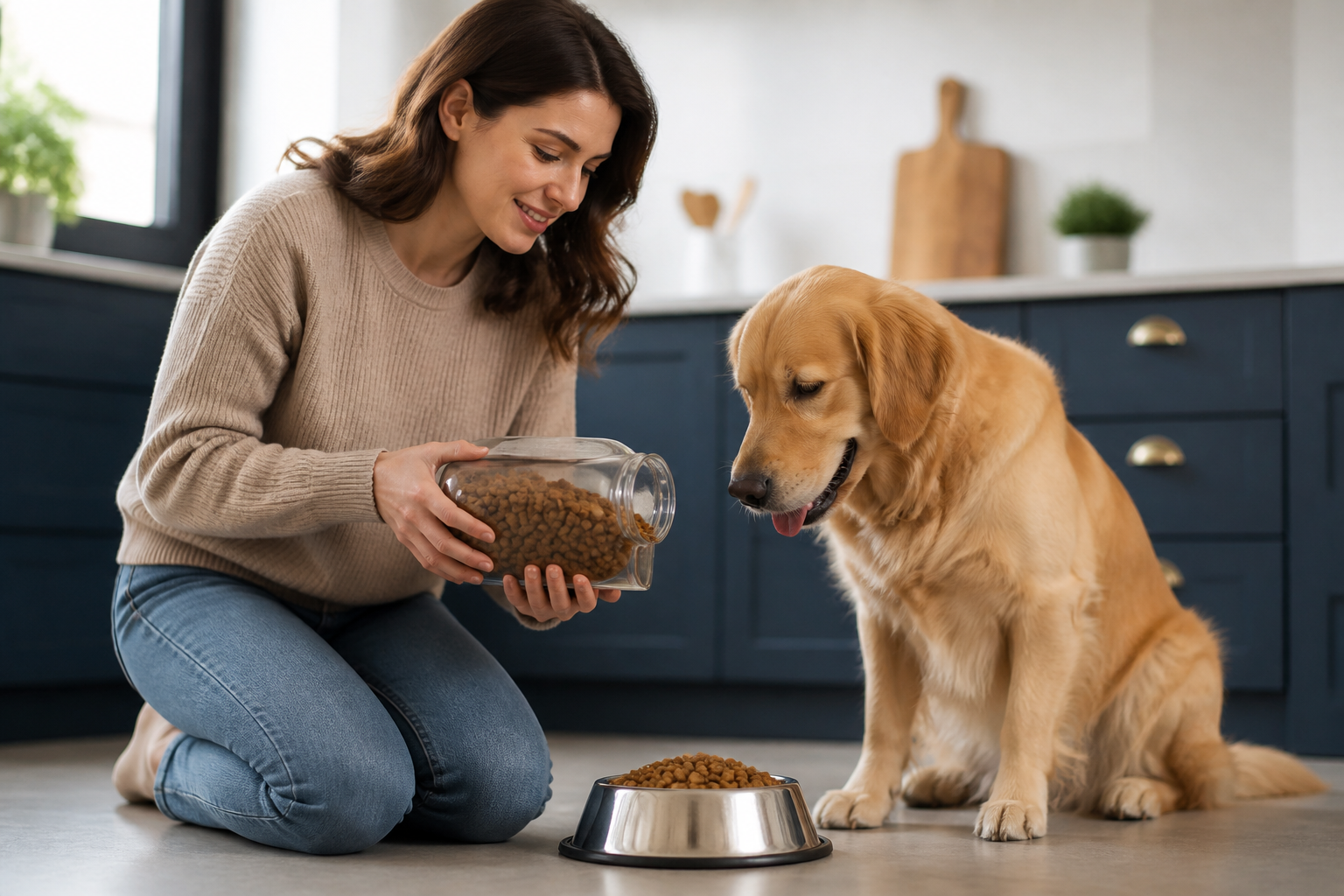
You are standing in the pet food aisle or scrolling through a website. Hundreds of colorful bags compete for your attention. Each one claims to be the best or the most natural. It is easy to feel overwhelmed by the technical jargon on the back of the packaging. At BaxterBoo, we know that selecting the right kibble is one of the most important decisions you make for your dog. This guide simplifies the process by showing you what to look for and what to avoid. We will explain how to read labels and match ingredients to your dog's specific needs. Our goal is to help you find a bowl-licking meal that supports a long and healthy life. Choosing the right food requires understanding your dog's age, size, and unique health requirements.
Quick Answer: Look for a "Complete and Balanced" statement from AAFCO on the bag. Ensure a named meat like chicken, beef, or lamb is the first ingredient. Avoid generic terms like "animal fat" or "poultry by-products."
Start With the Basics of the Label
The label on a bag of dry dog food is a legal document. It provides specific information required by the Food and Drug Administration. Understanding these sections helps you cut through the marketing fluff.
The product name is your first clue to the quality of the food. If a bag says "Beef Dog Food," it must contain at least 70% beef. If it says "Beef Dinner" or "Beef Entree," the beef content only needs to be 10%. Words like "with beef" only require 3% of that ingredient. "Beef flavor" means there is just enough to be tasted by the dog. This is often less than 3%.
The most important part of the label is the Association of American Feed Control Officials statement. This is usually called the AAFCO statement. It confirms that the food is complete and balanced. This means it contains every nutrient a dog needs in the correct proportions. Without this statement, the food should only be used for intermittent or supplemental feeding. If you want to browse options in one place, start with our dog food category.
The Guaranteed Analysis
This section lists the minimum percentages of crude protein and crude fat. It also lists the maximum percentages of moisture and fiber. High-quality dry dog food usually has a protein level of 30% or higher. For a healthy adult dog, you generally want to avoid foods where the protein falls below 25%.
Dogs thrive on animal protein. If the protein percentage is low, the food likely contains high levels of carbohydrates. While dogs can digest carbs, an excess of them often leads to weight gain. Carbs that are not used for energy are stored as fat.
Key Takeaway: Always check the AAFCO statement to ensure the food meets the nutritional levels for your dog's specific life stage.
Analyzing the First Five Ingredients
Ingredients are listed by weight before they are cooked. Since dry food is cooked at high temperatures, the order can be a bit tricky. Whole meats like chicken or salmon contain a lot of water. Once that water is removed during cooking, the meat might actually weigh less than the grains listed later.
Look for Named Proteins
The first ingredient should always be a named meat. Look for "Chicken," "Beef," "Lamb," or "Salmon." Be wary of generic terms like "Meat Meal" or "Poultry Meal." These terms are vague and do not tell you which animals were used. Named meals, such as "Chicken Meal," are actually a great source of concentrated protein. They have already been cooked to remove moisture. This means they provide more actual meat per pound than whole meat.
Avoid Lower Quality By-Products
By-products are the parts of the animal that humans do not usually eat. This can include organ meats, which are actually very nutritious. However, generic "animal by-products" can include lower quality parts. At our warehouse, we prioritize brands that use high-quality, named ingredients. If a bag lists "Poultry By-Product Meal," it is better to choose one that lists "Chicken" or "Chicken Meal" instead.
The Role of Grains and Carbs
Grains are not inherently bad for dogs. Whole grains like brown rice, oatmeal, and barley provide fiber and energy. However, some dogs have sensitivities to corn, wheat, or soy. These are often used as cheap fillers. If you choose a grain-free food, ensure it uses healthy binders like sweet potatoes or chickpeas. You can also compare formulas in our grain-free dog food collection.
Vet Tip: If your dog is scratching excessively or has chronic ear infections, they may have a food sensitivity. Consult your veterinarian before switching to a limited ingredient or grain-free diet to ensure it is the right move for their specific health needs.
Matching Food to Life Stages
A puppy has very different nutritional needs than a senior dog. Feeding the wrong formula can lead to growth problems or weight issues. If you are feeding a younger dog, our puppy dog food selection is a helpful place to begin.
Puppy Nutrition
Puppies grow rapidly. They need higher levels of protein and fat to support their developing muscles and brain. They also require a specific balance of calcium and phosphorus for bone growth. This is especially important for large breed puppies. If a large breed puppy grows too fast, they can develop serious joint problems later in life. Always look for a bag specifically labeled for puppies or "all life stages."
Adult Maintenance
Once a dog reaches adulthood, their nutritional needs stabilize. The goal shifts to maintaining a healthy weight and supporting their immune system. Most dogs transition to adult food between 12 and 24 months of age. This depends on their breed and size.
Senior Dog Care
Senior dogs, usually those over seven years old, may become less active. They often benefit from food with lower calories but higher fiber to help with digestion. Many senior formulas also include supplements like glucosamine and chondroitin. These ingredients support joint health and mobility. If you are shopping for an older pet, our senior dog food selection is a smart next step.
Bottom line: Feeding a life-stage-specific diet ensures your dog gets the exact nutrients they need for their current age and activity level.
Considering Breed and Size
Size matters when it comes to kibble. A Great Dane and a Chihuahua have different physical and metabolic needs.
Small Breed Needs
Small dogs have very fast metabolisms. They often need more calories per pound than large dogs. They also have smaller mouths. Small breed kibble is designed to be tiny so they can chew it safely. This helps prevent choking and supports better dental health by scraping away plaque.
Large Breed Needs
Large and giant breeds are prone to hip and joint issues. Their food is often formulated with lower fat to prevent them from becoming overweight. Carrying extra weight puts dangerous stress on their joints. Large breed kibble is also bigger. This encourages them to chew their food rather than inhaling it, which can reduce the risk of bloat.
Identifying Healthy Fats and Additives
Fats provide energy and keep your dog's skin and coat looking shiny. However, not all fats are equal.
Look for named fats like "Chicken Fat" or "Salmon Oil." These are high-quality sources of energy. Salmon oil is particularly good because it contains Omega-3 fatty acids. These acids help reduce inflammation and support brain health. Avoid "Animal Fat" or "Vegetable Oil," as these are generic and often lower in quality.
Beneficial Supplements
Many premium dry foods include extra ingredients that support wellness.
- Probiotics: These are healthy bacteria that support gut health and the immune system.
- Prebiotics: These serve as food for the good bacteria in the gut.
- Antioxidants: These often come from blueberries, cranberries, and spinach. They help protect cells from damage.
- Chelated Minerals: These are minerals attached to proteins, making them easier for the dog to absorb.
What to Avoid
Stay away from artificial colors and preservatives. Dogs do not care what color their food is. Colors like Red 40 or Yellow 5 are only there to appeal to human owners. Chemical preservatives like BHA, BHT, and ethoxyquin should also be avoided. Look for natural preservatives like Tocopherols (Vitamin E) or Rosemary Extract.
Key Takeaway: High-quality fats and natural preservatives are essential for skin health and long-term wellness.
Managing Special Health Conditions
If your dog has a chronic health issue, their diet is part of their treatment. This is where a conversation with your vet becomes vital.
For dogs with obesity, kidney disease, or severe allergies, a standard over-the-counter kibble might not be enough. Our pharmacy for dogs offers prescription pet foods and medications through a vet-directed process. You can also browse our dog healthcare category for related wellness support.
Weight Management
Obesity is a major health crisis for dogs in the US. It leads to diabetes, heart disease, and joint pain. If your dog is carrying extra weight, look for a "Weight Management" or "Lite" formula. These foods have higher fiber to help the dog feel full while consuming fewer calories.
Skin and Coat Issues
Chronic itching is often a sign of environmental or food allergies. Some dogs do better on "limited ingredient" diets that use a single protein source. For example, if your dog is allergic to chicken, a lamb or venison-based food might solve the problem.
Vet Tip: Sudden changes in thirst, urination, or appetite can signal a serious health issue. If you notice these symptoms, visit your vet immediately rather than just changing their food.
Transitioning to a New Food
Never switch your dog's food all at once. Doing so can cause an upset stomach, gas, and diarrhea. A slow transition allows your dog's digestive system to adjust to the new ingredients.
Step 1: Mix 25% of the new food with 75% of the old food for two days. Step 2: Increase to a 50/50 mix for the next two to three days. Step 3: Move to 75% new food and 25% old food for another two days. Step 4: Finally, feed 100% of the new food.
During this week, watch your dog's stool. If it becomes very soft, slow down the transition. Keep an eye on their energy levels and skin. It can take up to six weeks to see the full benefits of a new diet, especially regarding skin and coat health.
Note: If your dog refuses to eat the new food, do not force them. Some dogs are very sensitive to flavor changes. Try adding a little warm water or a small amount of wet food topper to encourage them.
The BaxterBoo Difference in Quality
We believe that every pet deserves the best nutrition possible. Since 2006, we have handpicked every brand we carry. We focus on manufacturers that prioritize safety and ingredient quality. Our hybrid model means we have a real warehouse in Vernon Hills, Illinois, where we handle these products every day.
When you shop with us, you can also take advantage of our MVP Rewards programme. You can earn up to 5% back on your purchases. This makes it easier to afford premium food that keeps your dog healthy. For items you buy regularly, our Autoship programme offers extra savings and ensures you never run out of kibble.
If your dog requires specialized care, our partnership with Pet's Choice provides access to a full pharmacy. We carry prescription diets and medications for chronic conditions. This allows you to get everything your pet needs in one place. We also partner with FIGO Pet Insurance to help you manage the costs of veterinary care.
If you prefer brands built around thoughtful ingredient sourcing, our selection of The Honest Kitchen products and our selection of Canine Caviar products are both worth exploring.
Final Steps for Choosing the Best Food
Choosing the right dry dog food is an investment in your dog's future. It requires looking past the pretty pictures on the bag and reading the fine print.
- Start by identifying your dog's life stage and size.
- Read the first five ingredients to ensure they are high-quality, named proteins.
- Check for the AAFCO statement to confirm the food is complete and balanced.
- Avoid artificial colors, chemical preservatives, and vague generic ingredients.
- Consult your vet if your dog has specific health concerns or needs a prescription diet.
Ready to find the perfect meal? Explore our freeze-dried food collection or browse our dog food category for premium options. You can also sign up for our Autoship programme to save on your first order and earn more convenience on repeat purchases, while the MVP Rewards programme helps you earn back on everyday essentials. Your dog's health starts with what you put in their bowl today.
FAQ
Is grain-free dry dog food better for my pet?
Grain-free is not necessarily better unless your dog has a diagnosed grain allergy. For most dogs, whole grains like oatmeal and brown rice provide valuable fiber and nutrients. If you choose a grain-free diet, ensure it is high in animal protein and consult your vet regarding heart health concerns related to certain grain-free formulations.
What is the difference between meat and meat meal?
Whole meat contains a high percentage of water, while meat meal is rendered and dried. This makes meat meal a more concentrated source of protein. As long as the meal is named, such as "Chicken Meal," it is a high-quality and nutritious ingredient for dry dog food.
How do I know if my dog is allergic to their food?
Common signs of food allergies include chronic skin itching, red or inflamed skin, and frequent ear infections. Some dogs may also experience digestive issues like gas or chronic diarrhea. If you suspect an allergy, work with your vet to conduct an elimination diet or transition to a limited ingredient food.
Why is there a price difference between grocery store and premium brands?
Premium brands usually use higher quality protein sources, fewer fillers, and natural preservatives. They often include beneficial additives like probiotics and chelated minerals that are missing from budget options. While the upfront cost is higher, premium food is often more nutrient-dense, meaning you may be able to feed your dog smaller portions.






