
 Save 15% on your 1st Autoship learn more

 Email us
 Live Chat
 FAQs
FAQs





Introduction
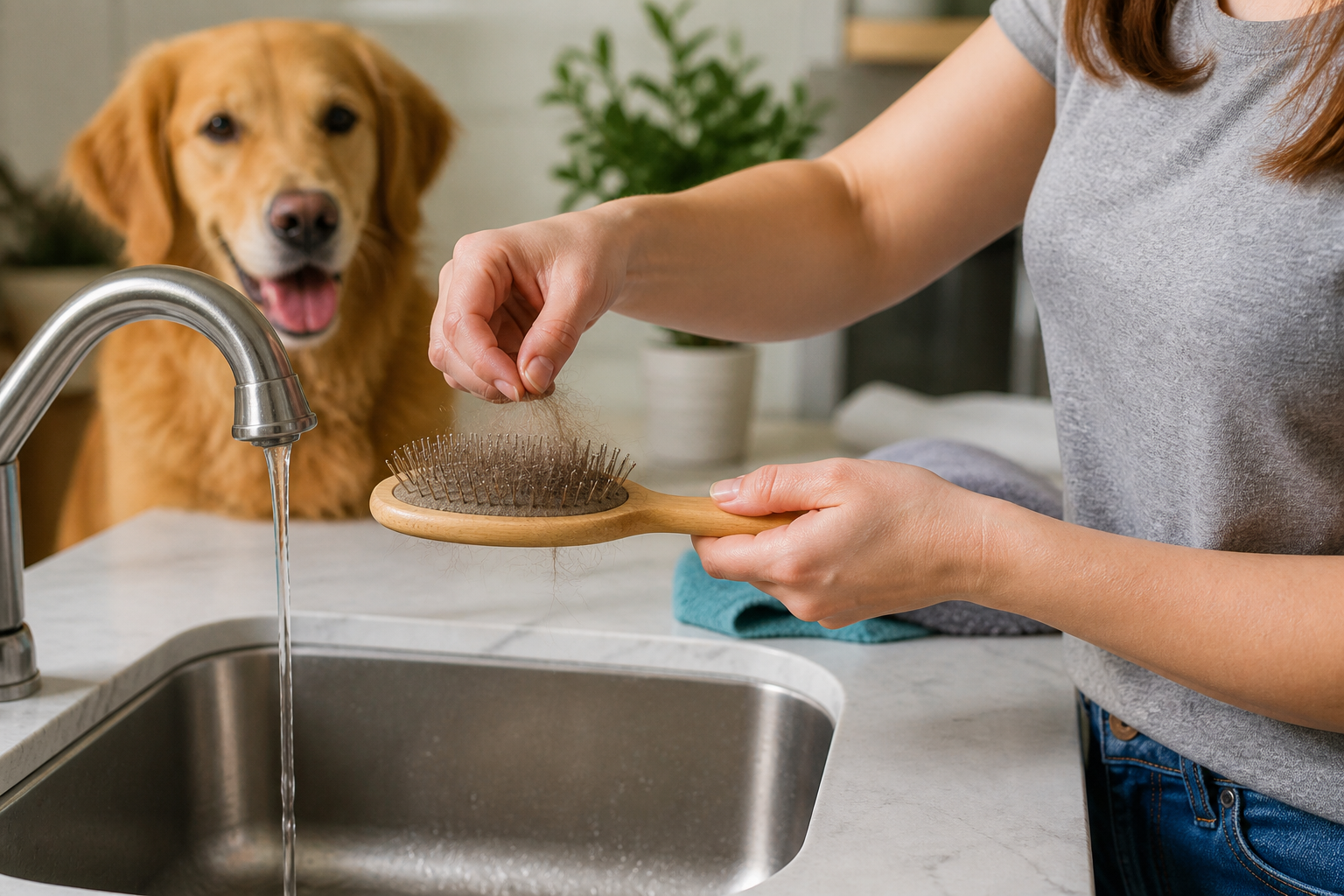
You just finished a long grooming session and your dog looks fantastic. Then you look down at the bristle brush and see a grey, fuzzy layer of hair, dander, and dried skin oils trapped deep inside. If you use that same brush tomorrow, you are simply pushing yesterday's dirt and bacteria back onto your dog's clean skin. At BaxterBoo, we have been helping pet owners since 2006, and we know that clean tools are just as important as the grooming itself. This post covers the specific steps to sanitize your bristle brushes without ruining the materials. You will learn how to remove stubborn hair, choose the right cleaning solutions, and dry your tools to prevent mold. Keeping your brushes clean ensures they last longer and keep your dog's skin healthy.
Why Brush Hygiene Matters for Your Dog
A dirty brush is more than just an eyesore. Every time you pull a bristle brush through your dog’s coat, the bristles act like tiny magnets. They collect natural oils, dead skin cells, and environmental allergens like pollen or dust. Over time, these organic materials build up and can become a breeding ground for bacteria or even fungal spores.
Using a clogged brush can lead to several problems. First, the bristles lose their effectiveness. They can no longer reach down to the skin to distribute natural oils properly. This leaves the coat looking dull instead of shiny. Second, a dirty brush can irritate sensitive skin. If your dog has minor scratches or seasonal allergies, a contaminated brush can introduce bacteria into those areas.
Regular cleaning also protects your investment. High quality brushes with natural boar bristles or specialized synthetic fibers are not cheap. Removing the acidic skin oils and moisture that accumulate in the brush base prevents the materials from breaking down prematurely.
Daily Maintenance and Hair Removal
The first step in cleaning any bristle brush is removing the physical debris. You should do this after every single use. Waiting until the brush is completely packed with hair makes the deep cleaning process much harder.
Start by using your fingers to pull away the largest clumps of hair. For the hair that is woven deep into the bristles, a standard comb works best. Use a metal greyhound comb or a fine-toothed flea comb to rake through the bristles from the base to the tips. This will lift the hair and dander to the surface.
If the hair is particularly stubborn, you can use a dedicated brush cleaning tool. These often look like small rakes with stiff wire teeth. They are designed to reach the bottom of the brush head without damaging the cushion. Our dog brushes and combs include grooming tools for removing trapped hair and maintaining your dog’s coat.
Quick Answer: To clean a dog bristle brush, start by raking out all trapped hair with a metal comb. Soak only the bristles in a mixture of warm water and pet shampoo for ten minutes, then rinse and air dry with the bristles facing down.
Deep Cleaning Your Bristle Brush
A deep clean should happen at least once a month. If your dog has oily skin or spends a lot of time outside, you might need to do this every two weeks. You only need a few basic supplies that you likely already have in your home.
Step 1: Prepare the Solution
Fill a shallow bowl or your sink with warm water. Avoid using boiling water because it can melt synthetic bristles or cause natural boar bristles to become brittle. Add two or three squirts of a gentle pet shampoo. If you want to cut through heavy oil buildup, you can add a tablespoon of white vinegar to the water. The vinegar acts as a natural degreaser and helps neutralize odors.
Step 2: The Soaking Process
Dip the brush into the water so that only the bristles are submerged. If your brush has a wooden handle or a rubber cushion, try to keep those parts out of the water as much as possible. Wood can warp or crack when it gets soaked. Rubber cushions often have a small air hole. If water gets inside that hole, it is nearly impossible to get it out, which leads to internal mold.
Step 3: Scrubbing
If the base of the bristles still looks dirty, use an old toothbrush to scrub the area. The small head of a toothbrush allows you to get between the rows of bristles easily. Focus on the areas where the bristles meet the handle or cushion. This is where dander usually settles.
Step 4: Rinsing
Rinse the brush under a stream of lukewarm running water. Make sure all the soap suds are gone. Any leftover soap residue will attract more dirt the next time you use the brush.
For additional bath and grooming supplies, explore our dog grooming collection.
Key Takeaway: Never soak the entire head of a brush that has a rubber cushion or a wooden handle. Only submerge the bristles to prevent mold growth and wood rot.
Proper Drying Techniques
Drying is the most critical part of the cleaning process. If a brush stays damp for too long, it will begin to smell and grow mildew. This is especially true for natural boar bristle brushes which hold onto moisture more than nylon.
After rinsing, shake the brush vigorously over the sink to remove excess water. Take a clean, dry towel and pat the bristles. Do not rub them roughly as this can cause the bristles to fray or lose their shape.
Place the brush on a towel with the bristles facing down. This allows any water trapped in the base to gravity-drain away from the handle and cushion. Never dry your brushes with the bristles facing up. Water will seep into the handle and cause damage. Also, avoid using a hairdryer or placing the brush near a radiator. High heat can damage the glue that holds the bristles in place.
For more guidance on using pet shampoo, water, and towels safely during grooming, read these dos and don’ts for bathing your dog.
Disinfecting Brushes After Illness or Parasites
If you have recently treated your dog for fleas, ticks, or a skin infection, a standard soap and water wash is not enough. You must disinfect your tools to prevent re-infection.
You can use a 10% bleach solution for plastic brushes. Mix one part bleach with nine parts water and let the bristles soak for ten minutes. For natural bristle or wooden brushes, bleach is too harsh. Instead, use a pet-safe disinfectant spray or a mixture of equal parts water and apple cider vinegar.
Vet Tip: If your dog is being treated for a skin condition like ringworm or staph, ask your veterinarian about a surgical-grade scrub for your tools. Our pharmacy carries specialized skin support products through our partnership with Pet's Choice that may be necessary during these times.
If parasites are part of the problem, review our flea and tick collection and learn more about prevention in this flea and tick guide.
Caring for Different Bristle Materials
Not all bristle brushes are made of the same material. The type of bristles your brush has will dictate how careful you need to be during the cleaning process.
Natural Boar Bristles
These are made from actual animal hair. They are excellent for smoothing the coat but are very porous. They will absorb the shampoo you use, so it is vital to use a very mild formula. They also take much longer to dry than synthetic options.
Nylon and Synthetic Bristles
Nylon is much more durable and less porous than natural hair. These brushes can handle slightly warmer water and more vigorous scrubbing. They dry quickly and are generally more resistant to bacteria.
Hybrid Brushes
Some brushes feature a mix of nylon pins and shorter boar bristles. When cleaning these, follow the stricter rules for natural bristles. The nylon parts are tough, but the natural fibers are still delicate.
The U-Groom Combo Brush for Dogs and Cats combines stainless-steel pins with boar bristles, making it an example of a hybrid grooming tool.
Recognizing When to Replace Your Brush
Even with the best care, grooming tools do not last forever. You should inspect your brushes every time you clean them. Look for these signs that it is time to visit us at BaxterBoo for a replacement:
- Missing Bristle Clumps: If large sections of bristles are falling out, the brush will no longer provide even grooming.
- Cracked Wood: Cracks in a wooden handle can harbor bacteria that you cannot reach with a cleaning solution.
- Lost Stiffness: If the bristles have become soft and limp, they will not be able to penetrate the coat to remove dander.
- Bent Pins: On hybrid brushes, bent metal pins can scratch your dog's skin.
- Lingering Odor: If the brush still smells like "wet dog" or mildew after a deep clean, mold has likely grown inside the cushion.
We carry over 500 trusted brands, and our team can help you find a new brush that fits your dog's specific coat type. If you use your favorite brush frequently, our Autoship programme can help you keep track of when it might be time to refresh your grooming kit alongside your food and treat orders.
Skin Health and the Pharmacy Connection
Sometimes, a dirty brush is not the only reason a dog has skin issues. If you notice your dog is constantly itchy, has red patches, or is losing hair in certain spots, a clean brush will not fix the underlying problem. These could be signs of allergies or skin infections.
Our warehouse superstore in Vernon Hills, Illinois, is more than just a place to buy gear. Through our partnership with Pet's Choice, we offer a full pharmacy. This allows us to provide FDA-approved medications and prescription pet foods for dogs with chronic health needs. If your veterinarian prescribes a medicated shampoo or a specific topical treatment for a skin condition, we can help you fulfill that through our pet pharmacy services.
Bottom line: A clean brush is the first line of defense for skin health, but persistent issues require a consultation with your veterinarian.
Maintaining Your Grooming Workspace
Cleaning the brush is only half the battle. You should also wipe down the area where you store your grooming tools. Dust and pet hair tend to settle in drawers and cabinets. If you put a clean brush back into a dirty drawer, it will quickly collect grime again.
Consider storing your brushes in a breathable mesh bag or a dedicated grooming box. This protects the bristles from being crushed by other tools like heavy clippers or nail trimmers. Proper storage keeps the bristles straight and prevents them from picking up household dust.
Essential Steps for Every Cleaning Session
If you are new to maintaining grooming tools, following a checklist can help you get into a routine. A consistent habit ensures you never go too long between deep cleans.
- Rake hair out with a comb after every session.
- Check the cushion for any signs of moisture or mold.
- Prepare a warm, soapy bath for the bristles once a month.
- Keep handles and cushions dry to prevent rot.
- Air dry with bristles facing down on a clean towel.
Summary of Cleaning Benefits
Taking the time to clean your dog's bristle brush offers immediate rewards. You will find that the brush moves through the fur with less resistance. Your dog will likely be more comfortable because there is no old debris pulling at their hair. Most importantly, you are maintaining a hygienic environment for your pet's skin.
At BaxterBoo, we want to make sure you have the knowledge and the tools to keep your pet happy. Whether you visit us at our warehouse in Illinois or order online for home delivery, our goal is to provide expert guidance you can trust. Our MVP Rewards program also helps you earn points on every grooming tool and cleaning supply you buy, making it easier to maintain a high standard of care.
Key Takeaway: Consistent tool maintenance prevents the spread of bacteria and extends the life of your grooming gear, saving you money and protecting your dog's health.
FAQ
Can I put my dog's bristle brush in the dishwasher? No, you should never put a pet brush in the dishwasher. The high heat can melt the glue that holds the bristles and warp the handle. The aggressive detergents used in dishwashers are also far too harsh for natural boar bristles or rubber cushions.
How do I get the "dog smell" out of a bristle brush? A mixture of warm water and white vinegar is the best way to neutralize odors. Soak the bristles in a one-to-one ratio of vinegar and water for about ten minutes. Ensure the brush dries completely in a well-ventilated area, as trapped moisture is often the source of the smell.
What should I do if water gets inside the rubber cushion of the brush? If water gets inside the cushion, try to squeeze it out through the air hole as much as possible. Place the brush in a warm, dry spot with the air hole facing down. If you cannot get the moisture out and the brush starts to smell like mildew, it is safest to replace the brush to avoid spreading mold to your dog.
Is it safe to use human shampoo to clean my dog's brush? While you can use human shampoo in a pinch, it is better to use a pet-specific shampoo. Human shampoos often contain perfumes and dyes that might leave a residue. Since your dog's skin has a different pH level than human skin, any residue left on the bristles could cause irritation when you next use the brush.






