
 Save 15% on your 1st Autoship learn more

 Email us
 Live Chat
 FAQs
FAQs





Introduction
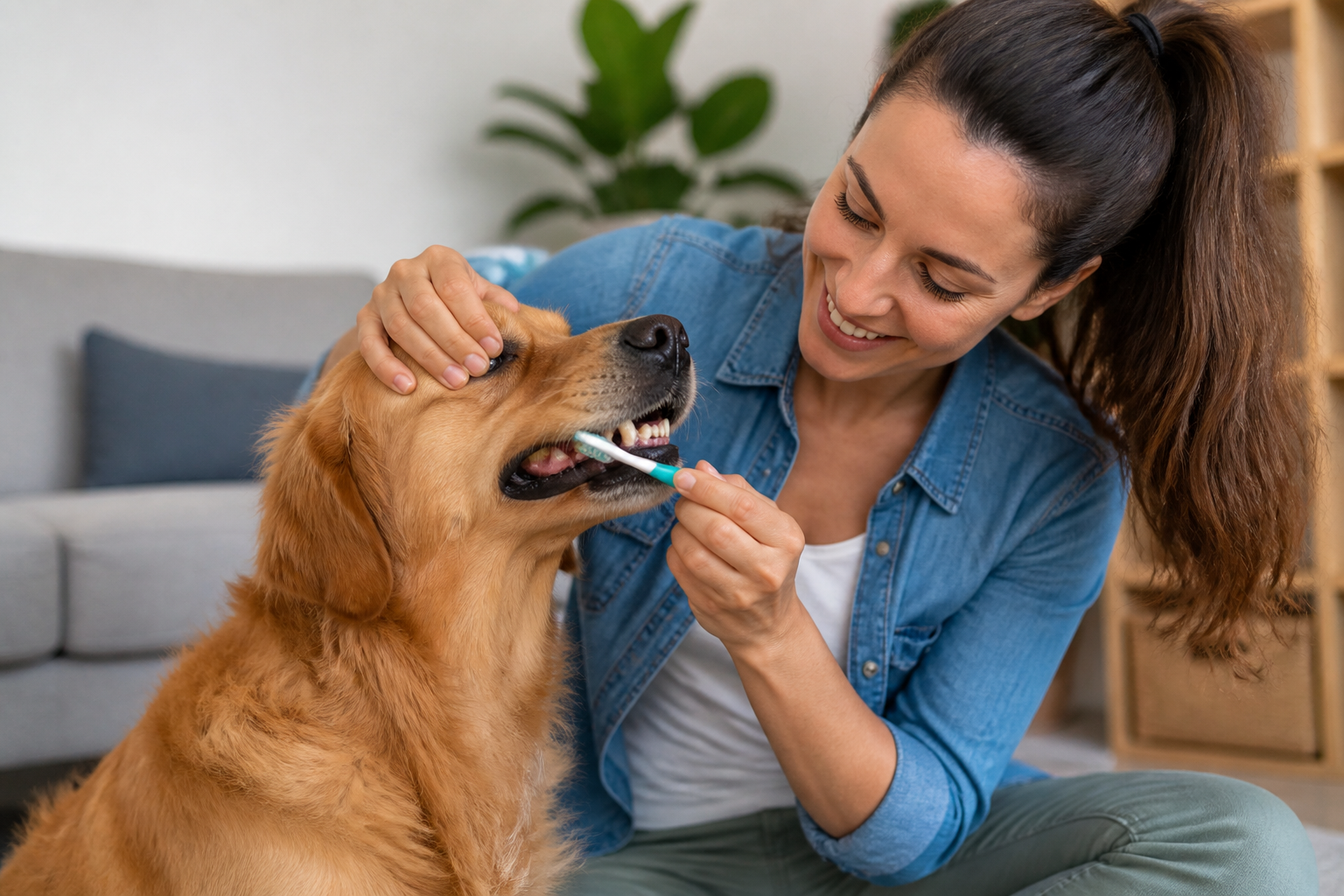
You lean in for a happy morning snuggle when your dog lets out a big yawn. Instead of sweetness, you are met with a wave of breath that could clear a room. This is a common moment for many pet parents. While bad breath feels like a minor annoyance, it usually signals that plaque and tartar are moving in. At BaxterBoo, we understand that professional veterinary cleanings are a significant financial commitment. This guide explores how to maintain your dog’s oral hygiene using budget-friendly tools and simple daily habits. We will cover the best brushing techniques, affordable alternatives, and how to spot trouble before it becomes a major expense. Consistent home care is the most effective way to keep your dog healthy while keeping your wallet full.
The Financial Benefit of Home Dental Care
Many pet owners are shocked when they see the estimate for a professional dental cleaning. These procedures often require bloodwork, anesthesia, and sometimes extractions. The costs can easily climb into the hundreds or even thousands of dollars. By learning how to manage your dog’s teeth at home, you are performing essential preventive maintenance.
Think of home dental care like changing the oil in your car. It is a small, inexpensive task that prevents the entire engine from failing. When you remove plaque daily, it never gets the chance to harden into tartar. Tartar is a rock-like substance that home brushing cannot remove. Once tartar forms, only a professional scaling under anesthesia can get the teeth clean again.
Quick Answer: The cheapest way to clean dog teeth at home is through daily brushing with dog-specific toothpaste and a soft brush. Consistent brushing removes plaque before it hardens into tartar, which prevents expensive veterinary procedures.
The Gold Standard: Brushing on a Budget
Brushing is the most effective way to keep a dog’s mouth clean. It is also one of the least expensive methods. A tube of pet-safe toothpaste and a basic brush can last for several months. You do not need fancy electronic gadgets to get the job done. A simple finger brush or a soft-bristled toddler toothbrush works perfectly well for most dogs.
Why You Must Avoid Human Toothpaste
It is tempting to use what you already have in your bathroom cabinet. However, human toothpaste is dangerous for dogs. Most human pastes contain fluoride or xylitol. Fluoride can be toxic if swallowed in large amounts. Xylitol is an artificial sweetener that is life-threatening for dogs even in small doses. Since dogs cannot spit out the foam, they swallow everything you put in their mouths. Always stick to a paste specifically formulated for pets, such as the Petrodex Advanced Dental Care Kit Dog Toothpaste - Peanut.
Choosing the Right Tools
You have several affordable options for the actual scrubbing tool.
- Finger brushes: These are small rubber caps that fit over your pointer finger. They are excellent for puppies or dogs who are nervous about long objects in their mouths.
- Dual-headed brushes: These have a large brush on one end and a small one on the other. They are great for reaching the tiny teeth in the back.
- Gauze or cloth: If your dog refuses a brush, wrapping a piece of clean gauze around your finger can provide enough friction to remove plaque.
Key Takeaway: Regular brushing is the only home method that physically scrubs away the sticky biofilm known as plaque before it mineralizes into tartar.
A Step-by-Step Guide to Brushing
If your dog is not used to having their mouth handled, do not try to brush every tooth on the first day. This should be a slow, positive experience. For additional guidance, see these pet dental care tips.
Step 1: Get them comfortable with touch. / Spend a few days simply lifting your dog's lips and touching their teeth with your finger. Give them a small treat afterward.
Step 2: Introduce the flavor. / Put a dab of dog-safe toothpaste on your finger. Let your dog lick it off. Most pet pastes come in flavors like poultry, beef, or peanut butter to make them taste like a treat.
Step 3: Start with the front. / Apply a small amount of paste to the brush. Gently rub the front canines and incisors. Use a circular motion and focus on the gum line.
Step 4: Move to the back. / Once your dog is calm, slide the brush further back to reach the large premolars and molars. This is where most tartar builds up.
Step 5: Reward and repeat. / Keep the session under two minutes. Finish with praise or a favorite toy to ensure they look forward to the next time.
Vet Tip: Focus your brushing efforts on the outside of the teeth near the cheeks. A dog's tongue does a decent job of keeping the inner surfaces clean, but the outer surfaces need your help.
Affordable Alternatives to Brushing
Some dogs simply will not tolerate a toothbrush. If you find yourself in a daily wrestling match, it is time to look at other low-cost options. While these are not as effective as brushing, they are far better than doing nothing at all.
Dental Wipes
Dental wipes are pre-moistened pads designed to be rubbed over the teeth and gums. They are often cheaper than high-end dental kits and very easy to use. They work by using a combination of friction and mild antiseptic ingredients to break down bacteria. Wipes are a fantastic middle ground for senior dogs who might have sensitive gums. The TrueBlue Fast & Fresh Dog Dental Wipes are one option made specifically for canine dental care.
Water Additives
Water additives are like a drinkable mouthwash for your pet. You simply add a capful to their water bowl each time you refill it. These products contain enzymes or minerals that help kill oral bacteria and freshen breath. They are highly cost-effective because one bottle typically lasts for several weeks. The Synergy Labs Dental Fresh Water Additive Dog Original Formula is designed to be added to your dog's drinking water.
Dental Gels
For dogs that hate the scrubbing motion, dental gels can be a lifesaver. You apply a small amount of gel to the gums or the outside of the teeth. The dog’s saliva carries the gel around the mouth. The enzymes in the gel work to dissolve plaque over time. This is a "hands-off" approach that works well for busy owners. A brushless option is Zymox Oratene Brushless Enzyme Oral Care Dog and Cat Dental Gel.
Bottom line: If brushing is impossible, combining water additives with dental wipes provides a solid secondary defense against gum disease.
The Role of Dental Chews and Toys
Chewing is a natural behavior that provides mechanical cleaning for a dog’s teeth. As the dog chews, the object scrapes against the tooth surface to rub away debris. However, not all chews are created equal. You can explore our dog dental care category for brushes, wipes, additives, gels, and dental chews.
Selecting Budget-Friendly Chews
You do not need to buy the most expensive "designer" dental treats. Many affordable options are available at BaxterBoo that carry the Veterinary Oral Health Council (VOHC) seal. This seal means the product has been tested and proven to reduce plaque or tartar.
- Rubber toys: Look for toys with nubs or ridges. As your dog gnaws on the rubber, the ridges act like a squeegee for the teeth.
- Rope toys: The fibers of a cotton rope can act like dental floss as they slide between the teeth. Just ensure you supervise your dog so they do not swallow large threads.
- Natural chews: Items like bully sticks or pig ears provide long-lasting chewing. However, these are higher in calories, so you must adjust your dog's meal size accordingly.
For more ideas, browse these dental chews for dogs.
Items to Avoid
To keep your costs low, you must avoid items that could break a tooth. A fractured tooth is a dental emergency that requires an expensive extraction. Avoid very hard items like cow hooves, large animal bones, or hard plastic toys. A good rule of thumb is the "fingernail test." If you cannot make a small indent in the item with your fingernail, it is likely too hard for your dog's teeth.
Using Diet to Support Oral Health
What your dog eats every day plays a role in their dental health. While some people believe that dry kibble cleans teeth better than wet food, the truth is more complex. Most kibble is too small and brittle. It shatters as soon as the tooth hits it, providing very little cleaning action.
Therapeutic Dental Diets
There are specialized foods designed specifically to clean teeth. These kibbles are larger and have a fibrous texture that does not shatter. Instead, the tooth sinks into the kibble, which scrubs the surface. Some of these diets require a prescription from your veterinarian.
Our pharmacy carries a variety of prescription pet foods, including the Farmina Vet Life range. Through our partnership with Pet's Choice, we can help you manage your dog's long-term health needs with the right nutritional support. If your vet recommends a dental diet, you can often find better value by ordering through a dedicated provider rather than buying individual bags at the clinic.
Fresh Additions
Adding certain fresh foods to your dog's diet can provide a minor cleaning boost. Crunchy vegetables like raw carrots or apple slices (without seeds) can help scrape teeth. These are very cheap treats that are also low in calories. While they won't replace a toothbrush, they are a healthy addition to a dental-conscious lifestyle.
| Method | Cost Level | Effort Level | Effectiveness |
|---|---|---|---|
| Brushing | Very Low | High | Excellent |
| Water Additives | Low | Very Low | Moderate |
| Dental Wipes | Moderate | Moderate | Good |
| Dental Chews | Moderate | Very Low | Moderate |
| Prescription Diet | High | Very Low | Excellent |
Recognizing the Signs of Dental Disease
Even with the best home care, some dogs are genetically prone to dental issues. Smaller breeds, like Chihuahuas or Yorkies, often have crowded teeth that trap food easily. It is important to know when your "cheap" home care needs to be traded for professional help. This guide to warning signs of bad teeth in dogs can help you know what to watch for.
If you notice any of the following, a vet visit is necessary:
- Bleeding or very red gums
- Loose or missing teeth
- A sudden change in eating habits or dropping food
- Pawing at the mouth
- Extreme swelling around the jaw or under the eye
Vet Tip: Check your dog's mouth at least once a week. Identifying a small red patch on the gums today can prevent a painful infection next month. Always consult your veterinarian if you notice persistent bad breath or signs of discomfort during eating.
How to Save on Professional Cleanings
Sometimes, a professional cleaning is unavoidable. If your dog already has heavy brown tartar buildup, home brushing will not fix it. However, you can still find ways to save. Many veterinary clinics offer "Dental Month" discounts, usually in February or September. During these months, you might find significant savings on cleanings and X-rays.
Another way to save is to ensure your dog is in good overall health. Regular exercise and a quality diet mean your dog is a better candidate for anesthesia, which can reduce the need for extra pre-operative testing. Staying consistent with your home routine even after a professional cleaning will ensure the results last as long as possible.
Long-Term Maintenance Strategy
The key to cleaning dog teeth cheaply is the "little and often" approach. You do not need to spend an hour a week on your dog's teeth. You simply need to spend two minutes a day.
- Morning: Add a dental water additive to the bowl.
- Evening: Give the teeth a quick 60-second brush or wipe.
- Weekly: Inspect the gums for any redness or new tartar.
- Monthly: Clean their rubber chew toys to remove old bacteria.
By making these steps part of your daily rhythm, you create a barrier against disease. We see many owners at BaxterBoo who have successfully avoided dental extractions for their senior dogs simply by starting a brushing routine early in the dog's life. It is never too late to start, but the earlier you begin, the more money you will save over your dog's lifetime.
Conclusion
Cleaning your dog's teeth at home does not require expensive equipment or a medical degree. By focusing on daily brushing with pet-safe products and supplementing with smart chews and water additives, you can keep your dog's mouth healthy on a budget. Remember that consistency is your greatest tool. A quick daily rub is far more effective than a deep cleaning once every six months. If you stay proactive, you will protect your dog from pain and protect your bank account from unexpected veterinary bills. Explore our dog dental care collection for affordable brushes and additives to get your routine started today.
FAQ
Is it safe to use baking soda to clean my dog's teeth?
While baking soda is not strictly toxic, it is not recommended for regular use. It has a high alkaline content that can upset a dog's stomach if swallowed. It also has a bitter taste that might make your dog hate the brushing process. A flavored pet toothpaste is a much better investment for long-term success.
How often do I really need to brush my dog's teeth?
Ideally, you should brush your dog's teeth every day. Plaque can begin to harden into tartar within 24 to 48 hours. If daily brushing is too difficult for your schedule, aim for at least three times a week. This frequency is usually enough to significantly slow down the progression of dental disease.
My dog's gums bleed a little when I brush. Should I stop?
A small amount of bleeding can happen if your dog has mild gingivitis or if you are using a brush that is too firm. You should not stop brushing, but you should be much gentler. If the bleeding is heavy or the gums look very swollen and purple, stop and schedule a veterinary exam to check for deeper infections.
Can dental treats replace brushing entirely?
Dental treats are a great supplement, but they are rarely a total replacement for brushing. Most treats only clean the tips of the teeth or the surfaces used for chewing. They often miss the gum line where periodontal disease actually starts. For the best results, use treats as a reward after a successful brushing session.






