
 Save 15% on your 1st Autoship learn more

 Email us
 Live Chat
 FAQs
FAQs





Introduction
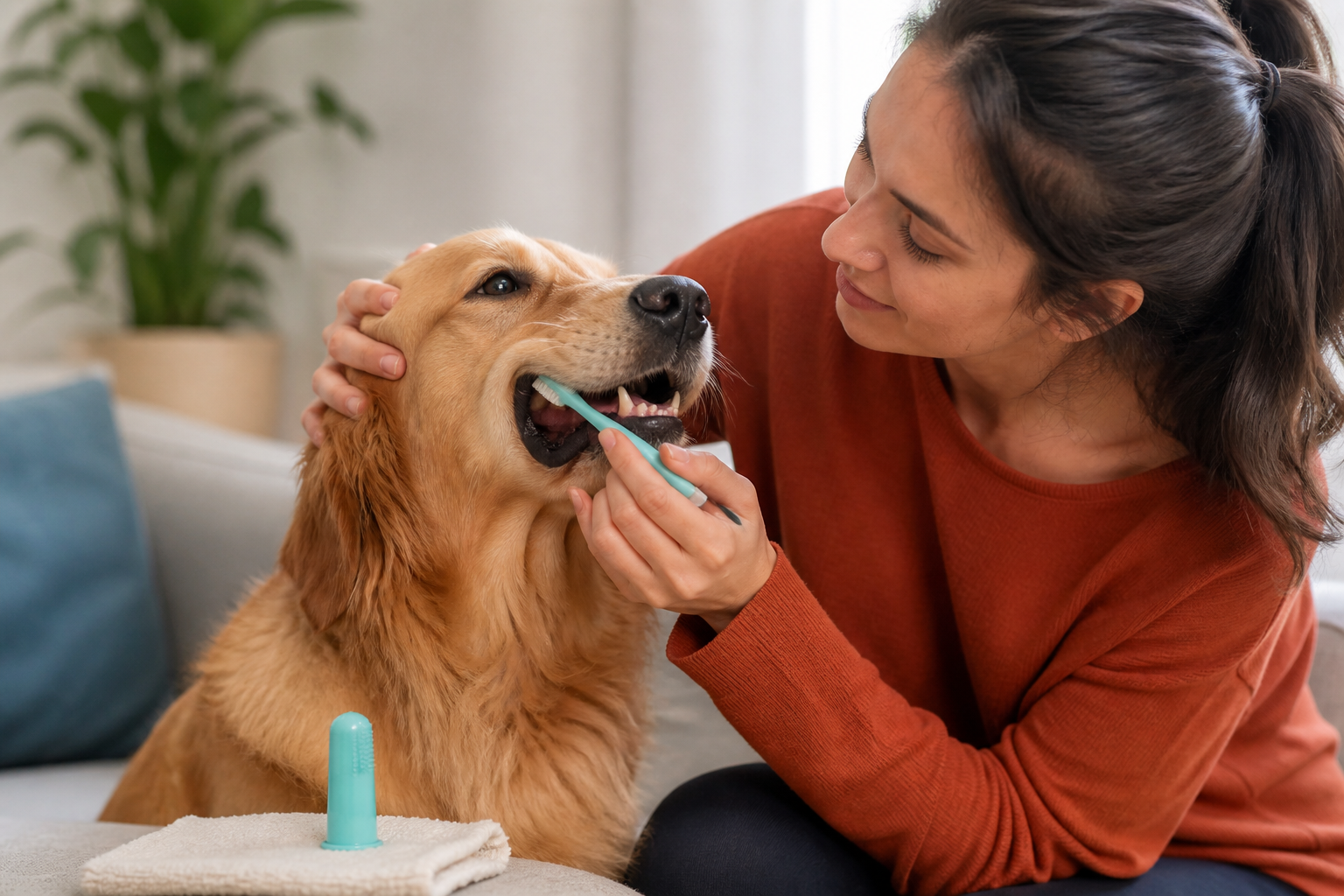
You lean in for a friendly nuzzle from your dog and suddenly catch a whiff of something unpleasant. Bad breath is often the first sign that your pet needs dental attention. While many owners think "dog breath" is just a fact of life, it is actually a signal that bacteria are at work. Staying on top of oral hygiene is one of the best ways to extend your dog’s life and prevent painful infections. At BaxterBoo, we see thousands of pet owners looking for ways to keep their dogs healthy without the stress of constant veterinary procedures. This guide will walk you through the process of cleaning your dog’s teeth at home while keeping them calm and comfortable. We will cover the tools you need, the safest techniques to use, and how to know when it is time to call a professional.
The Importance of Canine Dental Hygiene
Most dogs show signs of periodontal disease by the time they are three years old. This condition starts when food particles and bacteria form plaque on the teeth. If it is not brushed away, plaque reacts with minerals in the saliva to become tartar. Tartar is a hard substance that sticks to the enamel and can only be removed by a professional scaler.
When bacteria sit at the gumline, they cause inflammation called gingivitis. This can eventually lead to the destruction of the bone and tissue that hold the teeth in place. Beyond the mouth, dental bacteria can enter the bloodstream. This can lead to issues with the heart, liver, and kidneys. Cleaning your dog’s teeth at home is not just about a fresh-smelling mouth. It is a critical part of their total body wellness.
Quick Answer: Cleaning your dog's teeth at home involves using a pet-safe toothbrush and enzymatic toothpaste to gently remove plaque daily. This routine prevents tartar buildup and reduces the risk of painful gum disease and systemic health issues.
Choosing the Right Tools for Safety
The most important rule of cleaning dog teeth is to never use products meant for humans. Human toothpaste often contains fluoride or xylitol. Both are toxic to dogs if swallowed. Since dogs cannot spit, they will ingest everything you put in their mouth. Always choose a toothpaste specifically formulated for canines. These often come in flavors like poultry, beef, or peanut butter to make the experience more enjoyable for them. A product such as Nutri-Vet Dog Toothpaste is formulated specifically for dogs.
You also need a brush that fits your dog’s mouth. For large dogs, a long-handled brush helps you reach the back molars safely. For smaller dogs or puppies, a finger brush that slips over your fingertip may offer more control. The bristles should always be soft. Hard bristles can irritate the gums and cause bleeding. A soft-bristle option such as the Virbac C.E.T. Dual-Ended Pet Toothbrush can help you reach dogs of different sizes.
BaxterBoo carries a variety of dental tools including soft-bristle brushes and enzymatic pastes that work even if you cannot reach every single spot. These enzymes help break down food particles naturally. You can explore our dog dental care category for additional brushes, pastes, chews, and water additives.
Essential Dental Kit Checklist
- Dog-specific enzymatic toothpaste
- A soft-bristle toothbrush or finger brush
- Healthy rewards to use after the session
- A quiet, well-lit space to work
- Paper towels for easy cleanup
Preparing Your Dog for the Experience
Safety starts with a calm dog. If your pet is anxious, they may snap or pull away, which could lead to injuries. Never force a toothbrush into your dog's mouth if they are struggling. Instead, use a slow introduction process. This might take several days or even weeks.
Start by letting your dog sniff the brush and the toothpaste. Let them lick a small amount of the paste off your finger. Most dogs enjoy the taste, which helps them associate the process with a treat. Next, practice lifting their lips gently. Touch their teeth and gums with your finger to get them used to the sensation of being handled in that area.
Once they are comfortable with your touch, introduce the brush. Rub it gently against the front teeth without any paste first. If they stay calm, give them praise. Success in home dental care is built on trust and positive reinforcement. For additional preparation ideas, read these pet dental care tips.
Vet Tip: If your dog shows signs of extreme stress, such as growling, baring teeth, or cowering, stop the session immediately. Consult a professional trainer or your veterinarian to develop a desensitization plan that keeps everyone safe.
A Step-By-Step Guide to Brushing Dog Teeth
When you are ready to begin the actual cleaning, choose a time when your dog is relaxed. After a long walk or a meal is often a good window.
Step 1: Get into position. Sit on the floor or a chair so you are at the same level as your dog. Do not stand over them, as this can feel threatening.
Step 2: Apply the paste. Put a small amount of enzymatic toothpaste on the bristles. You do not need a lot. A pea-sized amount is usually enough for small dogs, while a larger dab works for big breeds.
Step 3: Focus on the outside. Lift the upper lip and brush the outer surfaces of the teeth. This is where most plaque and tartar accumulate. Use a circular motion and pay special attention to the gumline.
Step 4: Move to the back. Gently slide the brush toward the back molars. This area is a common spot for heavy buildup. You do not need to worry as much about the inside surfaces of the teeth. A dog’s tongue usually does a decent job of keeping those areas clean.
Step 5: Keep it short. Aim for about 30 seconds on each side. If your dog gets restless, stop and try again tomorrow. Ending on a positive note is better than finishing the whole mouth while they are upset.
Key Takeaway: Consistency is more important than perfection. Brushing for one minute every day provides much better protection than a ten-minute session once a month.
Managing Safety Risks During Cleaning
Safety is the priority for both you and your pet. Even the gentlest dog can bite if they feel pain or sudden discomfort. Watch for body language signals like tensing up or rolling the eyes. If you notice these, back off.
Be careful about how much pressure you apply. The goal is to wipe away soft plaque. You cannot scrub away hard tartar. If you push too hard, you can cause the gums to recede or bleed. This creates an entry point for bacteria. If you see blood, stop the session. A tiny amount of pink on the brush can be normal for a dog with mild gingivitis, but heavy bleeding requires a vet visit.
Also, be mindful of your own hand placement. Keep your fingers away from the "crushing zones" of the back teeth. If you are using a finger brush, be aware that your finger is vulnerable if the dog decides to clamp down.
Alternatives to Brushing
Sometimes, brushing just is not an option. Your dog may have a sensitive mouth, or they may be too reactive to handle the brush. In these cases, you can still support their dental health with other tools.
Dental chews are a popular choice. Brands like Greenies are designed with a specific texture that helps scrape plaque away as the dog chews. These should be given daily to be effective. Always supervise your dog when they are enjoying a chew to ensure they do not swallow large chunks. You can browse our dental chews and treats for supplemental options.
Water additives are another simple solution. These are liquids you add to your dog's water bowl. They contain ingredients that help kill bacteria and freshen breath. While they do not provide the mechanical scrubbing of a brush, they are a great supplemental tool for busy owners. This guide to pet dental care also discusses water additives and other ways to supplement brushing.
Rubber toys with ridges or nubs can also help. As your dog plays and chews, the toy rubs against the teeth. You can even smear a little pet-safe toothpaste into the grooves of the toy to increase its effectiveness.
Bottom line: While brushing is the gold standard, using a combination of chews, toys, and water additives is a highly effective secondary strategy for maintaining oral health.
Recognizing the Signs of Dental Disease
At-home cleaning is a preventive measure. It is not a cure for existing dental problems. You must be able to recognize when your dog's mouth has moved past the point of home care. If you see these signs, you should schedule a veterinary exam:
- Extreme halitosis (bad breath) that does not improve after brushing
- Loose or broken teeth
- Red, swollen, or bleeding gums
- Heavy brown or yellow buildup that does not move with a brush
- Excessive drooling
- Reluctance to eat hard kibble or toys
- Pawing at the mouth or face
If your dog has a fractured tooth or an abscess, brushing can be incredibly painful. In these situations, your vet may recommend a professional cleaning under anesthesia. This allows the doctor to take X-rays and clean under the gumline where home brushes cannot reach. For more warning signs, read how to recognize hidden dental problems in dogs.
The Role of Professional Care and Our Pharmacy
Professional dental cleanings are a vital part of your dog’s health plan. During these procedures, the vet can address issues deep in the tooth roots. After a professional cleaning, your job at home becomes much easier because you are starting with a clean slate.
Sometimes, your vet will prescribe specific treatments for chronic dental issues. This might include prescription dental diets. Brands like Royal Canin and Farmina Vet Life offer specialized kibble designed to scrub teeth while the dog eats. Our pet pharmacy carries prescription pet foods and FDA-approved medications through our partnership with Pet's Choice. If your dog needs a medicated oral rinse or a specific diet to manage plaque, we can help you fulfill those needs with the convenience of home delivery.
We also carry supplements like Cosequin and other wellness products that support overall health in senior dogs. Older pets often have more sensitive mouths and may require more frequent checkups. By combining home brushing with professional guidance and the right supplies, you can keep your dog’s smile healthy for years.
Creating a Sustainable Routine
The secret to success is making dental care a habit. Just like you brush your own teeth twice a day, your dog needs a routine. Try to tie the tooth cleaning to an event that already happens every day. Maybe you brush their teeth right before they get their dinner or after their final potty break of the night.
Start small. Even ten seconds of brushing is better than zero. Gradually increase the time as your dog becomes more comfortable. If you miss a day, do not worry. Just pick it up again the next day.
If you have multiple pets, make sure each one has their own toothbrush. Sharing brushes can spread bacteria between animals. Label the brushes or use different colors to keep them organized.
Key Takeaway: A successful at-home dental routine is built on patience, the right tools, and the understanding that home care supports, but does not replace, regular veterinary checkups.
Conclusion
Cleaning your dog’s teeth at home safely is one of the most impactful things you can do for their long-term health. By starting slowly, using dog-safe tools, and staying consistent, you can prevent the pain and expense of advanced dental disease. We are here to support you with everything from soft-bristle brushes to the specialized diets found in our pharmacy. Whether you are just starting with a new puppy or managing the needs of a senior pet, the effort you put into their dental care today will pay off in more comfortable years and fresher kisses tomorrow.
For a reliable way to stay stocked on dental chews and toothpaste, consider our Autoship program. You can save on your first order and ensure you never run out of the supplies your dog needs.
Bottom line: Effective dental care is a partnership between you, your vet, and the right products.
FAQ
Can I use a human toothbrush on my dog?
You can use a soft-bristle human toothbrush if it is the right size for your dog’s mouth, such as a child's toothbrush for a small dog. However, a toothbrush designed specifically for pets often has a better angle for reaching back molars and softer bristles that are gentler on canine gums. Never use human toothpaste, as it contains ingredients that are toxic to pets.
How often should I brush my dog’s teeth at home?
The ideal frequency for brushing a dog's teeth is every single day. This prevents plaque from hardening into tartar, which can happen within 24 to 48 hours. If daily brushing is not possible, aiming for at least three times a week can still provide significant health benefits compared to no brushing at all.
What if my dog's gums bleed during brushing?
A small amount of pink on the brush can indicate mild gingivitis, which may improve with more consistent, gentle brushing. However, if the gums bleed heavily or look very red and swollen, you should stop brushing and consult your veterinarian. Bleeding can be a sign of advanced periodontal disease or an injury that requires professional medical treatment.
Are dental chews as effective as brushing?
Dental chews are an excellent supplement to oral care, but they are not a complete replacement for brushing. Chews work through mechanical scraping, but they often miss the areas right at the gumline where bacteria thrive. For the best results, use dental chews on days when you cannot brush or as a daily reward alongside a regular brushing routine.






