
 Save 15% on your 1st Autoship learn more

 Email us
 Live Chat
 FAQs
FAQs





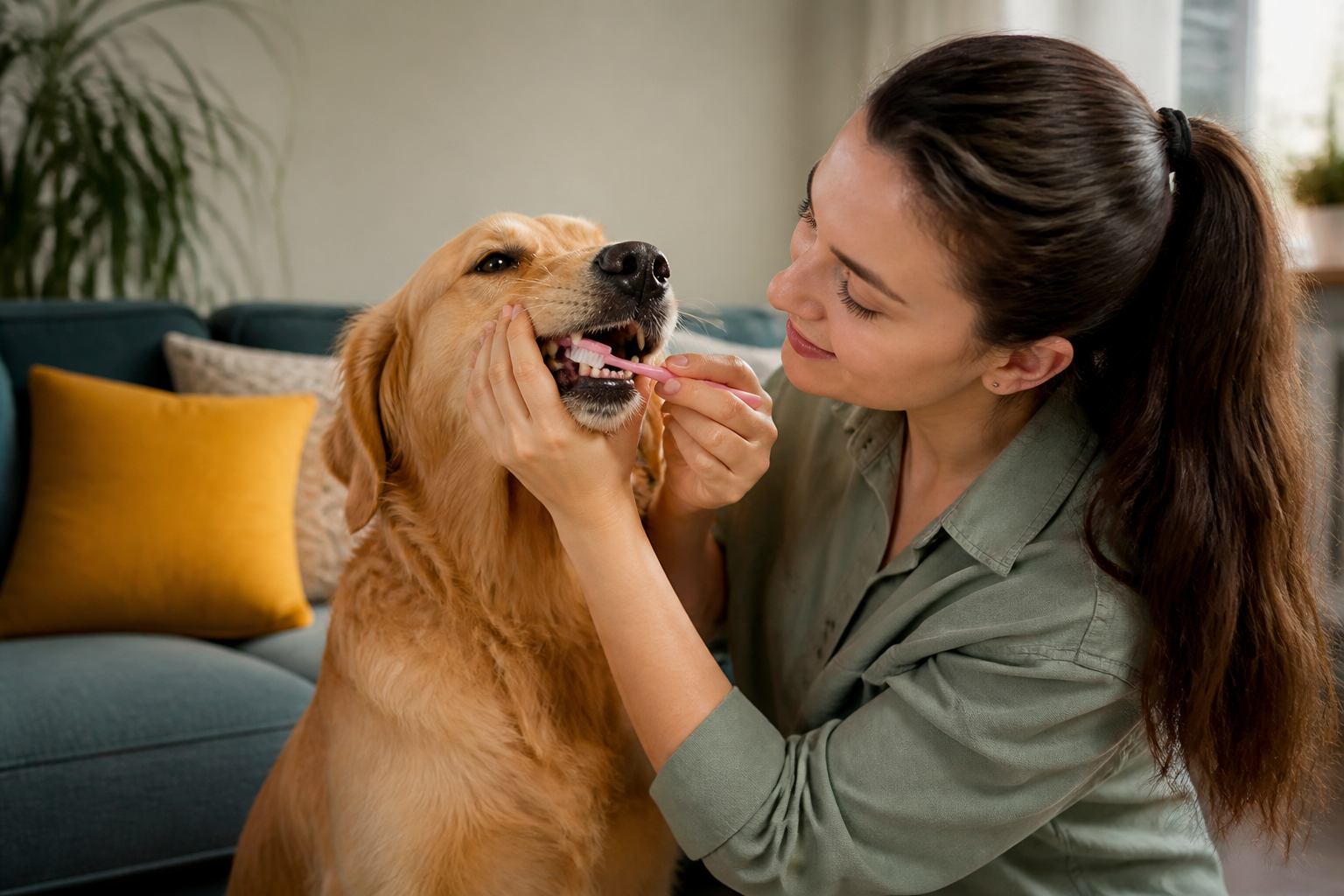
Introduction
You might notice a faint, metallic scent when your dog yawns or see a thin layer of yellow film near their gums. These are the early signs of plaque and tartar buildup. While professional cleanings are a standard part of veterinary care, many owners want to know how to maintain oral hygiene between those appointments. At BaxterBoo, we believe that consistent home care is the most effective way to protect your pet from dental disease. This guide covers practical methods to scrub away plaque, use dental alternatives, and implement a routine that keeps your dog comfortable. We will explore everything from brushing techniques to specialized diets. Understanding these tools helps you take an active role in your dog's long-term health.
Quick Answer: Cleaning a dog's teeth at home involves daily brushing with enzymatic toothpaste, using dental wipes for plaque removal, and providing mechanical cleaners like dental chews. These methods target soft plaque before it hardens into tartar, which requires professional veterinary removal.
The Difference Between Plaque and Tartar
To clean teeth effectively at home, you must understand what you are fighting. Oral health issues start with plaque. This is a soft, sticky film of bacteria that forms on the teeth within hours of eating. Because it is soft, you can remove it with physical rubbing or brushing.
If plaque stays on the teeth for more than a few days, it reacts with the minerals in your dog's saliva. This process causes the plaque to harden into tartar, also known as calculus. Tartar is like concrete. Once it forms, a toothbrush or a chew toy cannot remove it. It requires professional scaling by a veterinarian, usually while the dog is under anesthesia.
Home care is primarily about plaque management. By removing the soft film every day, you prevent the hard tartar from ever forming. This protects the gumline from inflammation and infection. For additional guidance, read our article on warning signs of dental disease in dogs.
Key Takeaway: You can remove plaque at home with regular cleaning, but hardened tartar requires a professional veterinary visit to prevent gum disease.
The Brushing Method
Brushing is the most effective way to clean dog teeth without anesthesia. It provides the mechanical action needed to break up bacterial films. However, you cannot use human supplies. Human toothpaste often contains xylitol, which is toxic to dogs, and foaming agents that can upset their stomachs.
Choosing the Right Tools
You need a toothbrush specifically designed for a dog's mouth. These often have angled heads to reach the back molars. Some owners prefer finger brushes. These are small silicone caps that fit over your pointer finger. They offer more control and are less intimidating for dogs that are new to the process.
The toothpaste is the most important part of the kit. Most pet toothpastes are enzymatic. This means they contain enzymes that help break down bacteria even after you finish brushing. They also come in flavors dogs enjoy, such as poultry, beef, or peanut butter. You can find toothbrushes, toothpaste, gels, and wipes in our dog dental and breath care collection.
How to Brush Step-by-Step
Step 1: Introduce the paste. / Let your dog lick a small amount of flavored toothpaste off your finger for several days. This creates a positive association with the taste.
Step 2: Touch the teeth. / Gently lift your dog's lips and rub your finger along their gums and teeth. Do this while they are calm and relaxed.
Step 3: Introduce the brush. / Put a small amount of paste on the brush. Let the dog lick it off. Gradually move the brush against their front teeth in a circular motion.
Step 4: Focus on the outside. / Most plaque accumulates on the cheek side of the teeth. Focus your efforts there. You do not need to worry as much about the inside surfaces near the tongue.
Step 5: Reward and repeat. / Give your dog a small treat or extra praise immediately after. Aim for a full session lasting about two minutes, but start with just 30 seconds.
Vet Tip: If your dog shows signs of pain, bleeding gums, or extreme resistance, stop the session. Consult your veterinarian to ensure there are no underlying infections or broken teeth that make brushing painful.
Using Dental Wipes for Reluctant Dogs
Some dogs simply will not tolerate a toothbrush in their mouth. If your pet moves their head too much or tries to bite the bristles, dental wipes are an excellent alternative. These are textured disposable pads pre-soaked with cleaning solutions.
Wipes work through mechanical friction. You wrap the wipe around your finger and rub the surface of each tooth. Because you can feel exactly where your finger is, it is often easier to reach the back of the mouth. This method is faster than brushing and feels more like a standard petting session to the dog.
While wipes are effective at removing plaque, they cannot reach the tiny crevices between teeth as well as bristles can. They are a great middle-ground option for senior dogs or pets with sensitive gums. For more ideas, explore these pet dental care tips.
Bottom line: Dental wipes offer a high-control alternative for dogs that find traditional toothbrushes too intrusive.
Water Additives and Oral Gels
For a completely hands-off approach, water additives and gels provide a layer of protection. You pour water additives directly into your dog's daily drinking bowl. These solutions contain ingredients that alter the chemistry of the mouth to make it harder for bacteria to stick to the teeth.
Oral gels are applied directly to the gumline. You do not necessarily need to brush them in. The dog's saliva and natural tongue movement spread the gel over the teeth. Many of these gels use peppermint or green tea extract to freshen breath while the enzymes work on the plaque.
These products are best used as a supplement to other cleaning methods. They are rarely enough to keep a mouth clean on their own. However, they are perfect for maintaining a healthy environment in the mouth throughout the day. At BaxterBoo, we recommend these for owners who have busy schedules but want to keep up with daily oral maintenance.
The Role of Dental Chews and Toys
Dogs have a natural instinct to chew. You can use this behavior to your advantage. Specific dental chews are designed with textures that scrub the teeth as the dog gnaws on them. See how these options compare in our guide to the best dental chews for dogs.
Selecting Effective Chews
Look for products that carry the Veterinary Oral Health Council (VOHC) seal. This seal means the product has been tested and proven to reduce plaque or tartar by a certain percentage. Brand names like Greenies dental chews or specific Kong dental toys are popular choices.
The shape of the chew matters. Products with ridges, nubs, or a star shape reach deeper into the gaps between teeth. As the dog bites down, the material acts like a squeegee against the tooth surface.
Safety with Hard Chews
Be careful with extremely hard items like cow hooves, antlers, or natural bones. While they can scrub teeth, they are also hard enough to fracture a dog's teeth. If you cannot indent the item with your thumbnail, it might be too hard for your dog's enamel.
- Choose the correct size chew for your dog's weight.
- Supervise chewing to prevent choking or swallowing large chunks.
- Replace rubber dental toys once they show signs of wear or tearing.
- Limit dental treats to one per day to avoid excess calories.
Key Takeaway: Mechanical cleaning through chewing is a natural way to reduce plaque, but it should be supervised to prevent dental fractures or choking.
Dietary Support for Dental Health
What your dog eats every day has a significant impact on their oral environment. While many people believe that all kibble cleans teeth, this is a common myth. Most standard kibble is small and brittle. It shatters almost instantly when a dog bites it, providing very little cleaning action.
Specialized dental diets are different. These kibble pieces are much larger and have a fibrous structure. Instead of shattering, the tooth sinks into the kibble, which scrubs the surface of the tooth before the piece breaks apart.
For dogs with significant dental concerns, your veterinarian may suggest a prescription dental diet. Our pet pharmacy carries these specialized foods, including brands like Royal Canin and Farmina Vet Life, through our partnership with Pet's Choice. These diets often include minerals that bind to calcium in the saliva, preventing it from turning plaque into hard tartar.
Vet Tip: Before switching your dog to a specialized dental diet, consult your vet to ensure it meets your dog's overall nutritional needs, especially if they have other health conditions like kidney or heart issues.
Identifying When Professional Care is Necessary
Home cleaning is a preventative measure. It is not a cure for existing dental disease. You should regularly check your dog's mouth for signs that home care is no longer enough. Healthy gums should be a consistent light pink. If you see a red line where the teeth meet the gums, this is a sign of gingivitis.
Other warning signs include:
- Persistent bad breath that does not improve with brushing.
- Loose or wobbling teeth.
- Visible brown or grey crust on the teeth (tartar).
- Drooling more than usual or dropping food while eating.
- Swelling under the eyes or along the jawline.
If your dog has these symptoms, they likely need a professional cleaning under anesthesia. During a professional cleaning, the vet can take X-rays to look for abscesses or bone loss under the gumline. This is something that cannot be done at home. Once the vet has cleaned the teeth back to a healthy state, you can resume your at-home routine to maintain those results.
Making a Routine Stick
The biggest challenge with at-home dental care is consistency. Cleaning your dog's teeth once a month will not provide much benefit. Plaque mineralizes quickly, so daily care is the goal.
Try to pair dental care with an existing habit. You might brush your dog's teeth right after you brush your own at night. Or, you might give them a dental chew every morning after their walk. Linking the new task to an old one makes it easier to remember.
Using programs like our Autoship programme can help you stay consistent by ensuring you never run out of toothpaste or dental treats. You can also earn rewards on your supplies through the MVP Rewards programme, making long-term care more affordable. Keeping your dog's mouth clean is an investment that can prevent expensive and painful dental surgeries in the future.
Bottom line: Consistency is more important than the specific tool you choose. Find a method that works for your lifestyle and stick to it every day.
Conclusion
Cleaning your dog's teeth at home without anesthesia is a vital part of responsible pet ownership. By focusing on daily plaque removal through brushing, wipes, and dental chews, you can significantly reduce the risk of painful gum disease. While home care cannot replace the deep cleaning of a veterinary visit, it serves as the first line of defense for your dog's health. We are proud to offer a wide selection of dental tools and pharmacy services to support your journey. Your next step is to choose a method that fits your dog's personality and start slow. Visit our Dental Care collection to find the right toothbrushes, pastes, and treats to begin your routine today.
FAQ
Can I use baking soda to clean my dog's teeth?
While baking soda is not toxic in small amounts, it has a very high salt content that can upset a dog's stomach if swallowed. It also has a bitter taste that most dogs dislike, which can make them resist future brushing sessions. It is much better to use a flavored, enzymatic pet toothpaste designed specifically for dogs.
How often should I clean my dog's teeth at home?
Ideally, you should brush your dog's teeth every single day. Plaque can begin to harden into tartar within 24 to 48 hours, so daily cleaning is the best way to prevent buildup. If your schedule is tight, aim for at least three times a week to see a noticeable benefit to their oral health.
Are dental chews as effective as brushing?
Dental chews are a helpful supplement, but they are generally not as effective as manual brushing. Brushing allows you to target the gumline and the back molars specifically, whereas a dog might only chew on one side of their mouth. Use chews to support your brushing routine rather than as a total replacement.
My dog's gums bleed a little when I brush. Is this normal?
Minor bleeding can occur if your dog has mild gingivitis or if you are using too much pressure. However, persistent or heavy bleeding is a sign of more advanced gum disease or infection. If you notice blood regularly, stop brushing and schedule a checkup with your veterinarian to evaluate your dog's oral health.






