
 Save 15% on your 1st Autoship learn more

 Email us
 Live Chat
 FAQs
FAQs





Introduction
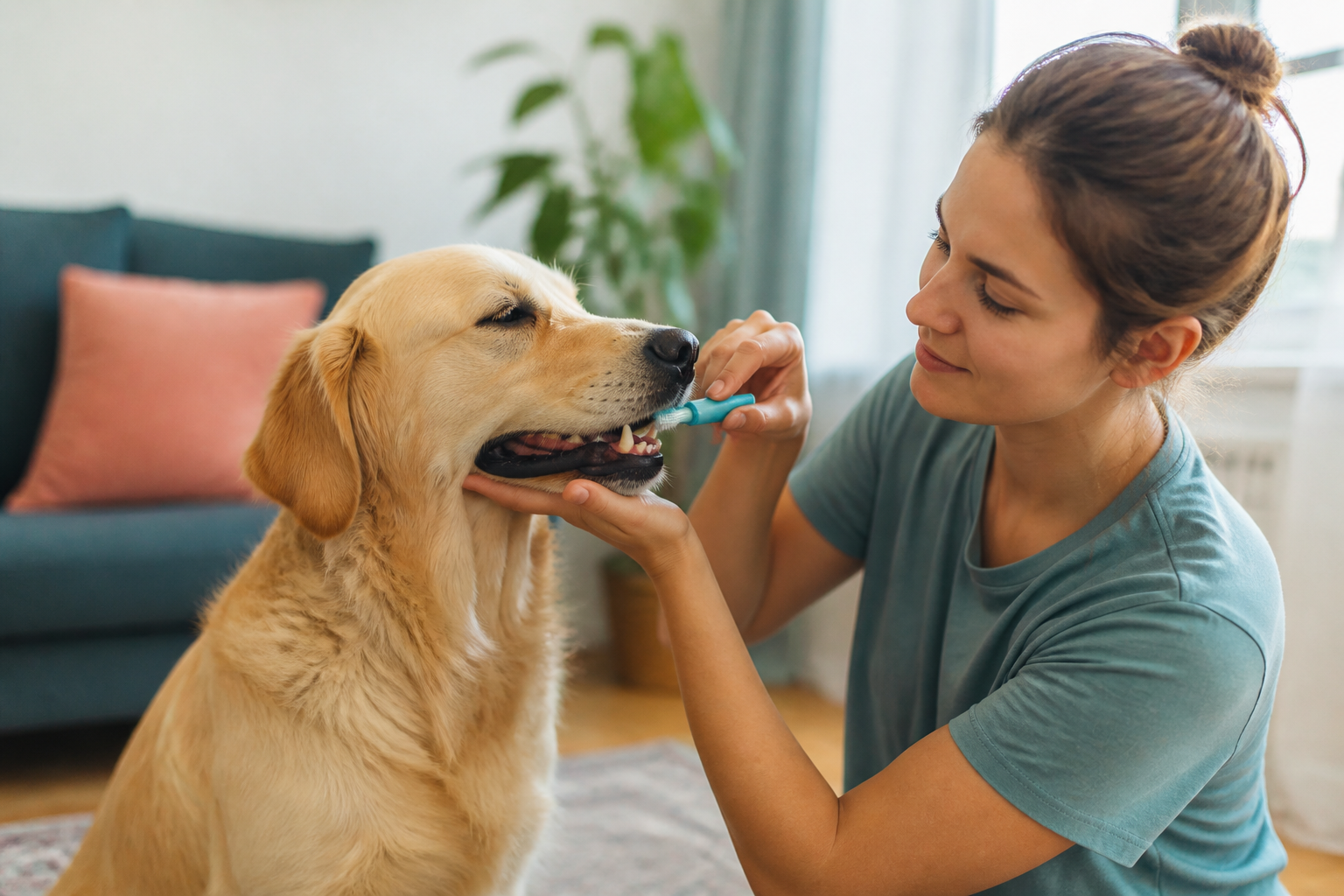
You might notice it during a morning snuggle or while playing tug-of-war. That once-bright smile now has a yellow or brown tint near the gum line. Perhaps your dog’s breath has become noticeably stronger lately. This buildup is often tartar, and while it is a common issue for pet owners, it requires proactive care to keep your dog healthy. At BaxterBoo, we know that dental hygiene can feel like a daunting task, especially if your dog is not a fan of the toothbrush. This guide will walk you through the most effective ways to manage tartar at home, the tools you need, and when it is time to call in a professional. We will help you build a routine that protects your pet’s teeth and their overall wellness.
Quick Answer: You can clean early tartar at home using enzymatic toothpaste, dental wipes, and specific chews that mechanically scrape the teeth. However, hardened tartar often requires professional veterinary scaling to prevent deep gum infection and tooth loss.
Understanding the Difference Between Plaque and Tartar
To keep your dog’s mouth clean, you first need to know what you are fighting. Plaque is a soft, sticky film of bacteria that forms on the teeth within hours of eating. It is colorless and difficult to see, but it is easy to remove with a simple brushing or a dental wipe. If plaque is left alone, it reacts with the minerals in your dog’s saliva. This reaction causes the plaque to harden into tartar, which is also known as calculus.
Tartar is much more stubborn than plaque. It creates a rough, porous surface on the tooth that attracts even more bacteria. You will recognize it as a yellow, tan, or brown crust that usually starts near the gums. Unlike plaque, tartar cannot be rinsed away or easily wiped off. It acts like a shield for bacteria, allowing them to migrate under the gum line where they can cause serious damage to the structures holding the teeth in place.
Key Takeaway: Plaque turns into hardened tartar within 24 to 72 hours. Daily intervention is the only way to stop this cycle before it requires a medical procedure.
Why At-Home Dental Care Is Essential
Many pet owners think that a yearly dental cleaning at the vet is enough. While those professional cleanings are vital, what happens at home the other 364 days of the year matters just as much. Neglecting oral hygiene can lead to periodontal disease. This is an infection of the tissues surrounding the teeth. It is the most common clinical condition in adult dogs.
The risks of tartar buildup go beyond just bad breath or lost teeth. The mouth is a gateway to the rest of the body. When gums are inflamed and infected, bacteria can enter the bloodstream. Scientific studies have linked poor oral health to issues with the heart, liver, and kidneys. By managing tartar at home, you are not just saving your dog from a toothache. You are protecting their long-term systemic health.
Vet Tip: If you notice red, swollen gums or bleeding during brushing, your dog likely has gingivitis. This is the earliest stage of periodontal disease and should be evaluated by a veterinarian before you attempt heavy at-home cleaning.
Essential Tools for Home Tartar Removal
You do not need a professional dental suite to make a difference in your dog's oral health. However, you do need the right supplies. Using the wrong tools can be ineffective or even dangerous for your pet.
Dog-Specific Toothpaste
Never use human toothpaste on your dog. Our toothpaste contains foaming agents like sodium lauryl sulfate and sweeteners like xylitol. Xylitol is highly toxic to dogs even in small amounts. Furthermore, human toothpaste is meant to be spit out, while dogs will swallow whatever you put in their mouths. Dog-specific toothpaste is formulated with enzymes like glucose oxidase. These enzymes help break down the organic matter that forms plaque. Most brands come in flavors like poultry, beef, or peanut butter to make the process more enjoyable for your pet. For a ready-to-use option, consider OxyFresh Pet Dental Gel Toothpaste.
The Right Brush
There are several types of brushes available. A long-handled brush with angled heads is great for reaching the back molars where tartar loves to hide. If your dog is small or nervous, a finger brush might be less intimidating. These are soft silicone caps that fit over your fingertip. They allow you to feel exactly where you are brushing, which reduces the risk of poking your dog’s sensitive gums.
Dental Wipes and Pads
For dogs that absolutely refuse a toothbrush, dental wipes are an excellent alternative. These are textured pads pre-soaked in an antibacterial solution. They allow you to physically rub away plaque and light tartar without the struggle of a bulky brush. While they do not reach into the crevices as well as bristles, they are far better than doing nothing at all.
| Product Type | Best For | Level of Difficulty |
|---|---|---|
| Enzymatic Toothpaste | Breaking down plaque bacteria | Moderate |
| Finger Brush | Puppies and small breeds | Easy |
| Long-Handled Brush | Reaching back molars | Moderate |
| Dental Wipes | Dogs that dislike brushing | Very Easy |
| Water Additives | Passive plaque control | Very Easy |
Step-by-Step Guide to Brushing Your Dog's Teeth
Success with brushing is all about the introduction. If you rush the process, your dog may become fearful. Follow these steps to build a positive association with dental care. For additional guidance, read these pet dental care tips.
Step 1: The taste test.
Put a small amount of dog toothpaste on your finger. Let your dog lick it off. Do this for a few days until they get excited when they see the tube.
Step 2: Get them used to mouth handling.
Gently lift your dog's lip and rub your bare finger over their teeth and gums. Give them a treat and praise immediately after. This teaches them that having their mouth touched leads to good things.
Step 3: Introduce the brush.
Put toothpaste on the brush and let them lick it. Do not try to brush yet. Just let them feel the texture of the bristles against their tongue.
Step 4: The 45-degree technique.
Once they are comfortable, start brushing the large canine teeth in the front. Angle the bristles at 45 degrees toward the gum line. Use small, circular motions. You only need to brush the outside surfaces of the teeth. A dog’s tongue usually does a decent job of cleaning the inside surfaces.
Step 5: Increase the duration.
Slowly work your way toward the back of the mouth. Focus on the upper molars, as these are the most common sites for tartar buildup. Aim for 30 to 60 seconds total.
Bottom line: Consistency is more important than perfection. Brushing three times a week is significantly better for tartar control than a deep clean once a month.
Natural Remedies to Help Soften Tartar
While nothing replaces the mechanical action of brushing, some natural additions can help keep the mouth clean. These methods work by changing the chemistry of the mouth or providing a gentle abrasive action.
Coconut Oil
Coconut oil contains lauric acid, which has natural antibacterial and antifungal properties. Many pet owners find that brushing with coconut oil helps reduce the bacteria that contribute to plaque. It also tastes great to most dogs. You can use it as a base for your brushing routine or add a small amount to their food.
Seaweed and Kelp Supplements
Specific types of dried seaweed, particularly Brown Kelp, have been shown to reduce plaque and tartar. When digested, the compounds in the seaweed enter the saliva. They work to soften existing tartar and prevent new plaque from sticking to the teeth. You can find these in powder form to sprinkle over your dog’s meals. Explore our dog dental care supplements for options that fit into a daily routine.
Crunchy Fruits and Vegetables
Mother Nature’s toothbrushes can be found in your refrigerator. Slices of raw carrots or apple chunks (without seeds) provide a satisfying crunch that helps scrape the teeth as the dog chews. These should be used as treats rather than a primary cleaning method, but they are a healthy way to supplement a dental routine.
The Role of Dental Chews and Treats
Chewing is a natural behavior for dogs that provides both mental stimulation and dental benefits. However, not all chews are created equal. When looking for a dental chew, check for the Veterinary Oral Health Council (VOHC) seal of approval. This seal ensures the product has been tested and proven to reduce plaque or tartar.
The best dental chews are designed to be long-lasting. As your dog gnaws on the treat, the texture creates a scrubbing action against the tooth surface. This is especially helpful for cleaning the premolars and molars. Some chews also contain ingredients like sodium hexametaphosphate, which binds to minerals in the saliva to prevent them from turning plaque into tartar. Browse our dog dental treats for chewable options.
Key Takeaway: Dental chews are a supplement to brushing, not a replacement. Use them to target the hard-to-reach back teeth.
For another way to compare options, see these dental chews for dogs.
Why You Must Avoid DIY Scaling Tools
It is very tempting to buy a metal dental scaler online and try to chip away the tartar yourself. We strongly advise against this. At BaxterBoo, we want to ensure your pet stays safe during grooming and care. DIY scaling is risky for several reasons.
First, your dog is likely to wiggle. One sudden movement can result in a sharp metal tool puncturing the gums or the roof of the mouth. Second, scaling leaves microscopic scratches on the tooth enamel. In a professional setting, vets polish the teeth after scaling to smooth these out. If you scale at home without polishing, those scratches act like velcro for new bacteria, causing tartar to return faster and harder than before. Finally, at-home scaling only addresses what you can see. It does nothing for the bacteria hiding under the gum line, which is where the real damage occurs.
Vet Tip: Never use human dental tools on a dog. If tartar is too hard to be removed with a brush or wipe, it is time for a professional veterinary consultation.
When to Seek Professional Help
Home care is about prevention and maintenance. There are times when the tartar is too advanced for home remedies. If you notice any of the following signs, schedule a visit with your veterinarian. You can also review warning signs of dental disease in dogs:
- Extremely foul breath that persists after brushing.
- Visible brown or grey crust covering more than half the tooth.
- Loose or wiggly teeth.
- Reluctance to eat hard kibble or chew on toys.
- Excessive drooling, sometimes tinged with blood.
- Pawing at the face or rubbing the mouth on furniture.
A professional dental cleaning is performed under general anesthesia. This allows the vet to perform a full oral exam, including X-rays to check the health of the roots. They can safely scale away tartar from under the gum line and polish the teeth to a smooth finish. This procedure is a reset button for your dog’s oral health.
Our Pharmacy and Specialized Support
For dogs with chronic dental issues or advanced periodontal disease, your vet may prescribe specific treatments. Through our partnership with Pet's Choice, we offer a full-service pharmacy that carries FDA-approved medications and prescription dental diets. These specialized foods are often formulated with a specific fiber matrix that does not crumble immediately. Instead, the tooth sinks into the kibble, which scrubs the surface as the dog eats. Our pet pharmacy for dogs can help you explore prescription options with veterinary guidance.
Our pharmacy also provides access to antiseptic rinses and gels that can be used after a professional cleaning to manage bacterial growth. Having access to these professional-grade products ensures you have everything needed to support your dog through every stage of their dental health journey.
Building a Sustainable Routine
The best way to manage tartar is to make dental care a habit. It does not have to take a long time. Even two minutes a day can save you hundreds of dollars in veterinary bills later.
- Set a time: Brush your dog's teeth at the same time every day, such as after their final walk.
- Layer your methods: Use a water additive in their bowl, give a dental chew in the afternoon, and brush in the evening.
- Track your progress: Take a photo of your dog's teeth once a month to see if your efforts are working.
- Reward your pet: Always end a dental session with a high-value treat or a favorite game.
Our MVP Rewards programme is a great way to save on these recurring dental supplies. You can earn points on every purchase of toothpaste, brushes, and treats. If you use our Autoship programme for your dog's favorite dental chews, you can save even more while ensuring you never run out of the essentials.
Conclusion
Cleaning dog teeth tartar at home is a vital part of being a responsible pet owner. While you cannot always remove every bit of hardened tartar yourself, a combination of regular brushing, dental wipes, and the right treats can significantly reduce buildup. Remember that your home routine works hand-in-hand with professional veterinary care. At BaxterBoo, we are committed to providing you with the expertly curated tools you need to keep your dog’s tail wagging and their breath fresh. Whether you are starting with a new puppy or managing the needs of a senior dog, a little effort today leads to a much healthier tomorrow. Check out our dog dental care collection or consult our pet pharmacy for dogs for specialized needs to get started.
FAQ
Can I use baking soda to clean my dog's teeth at home?
Baking soda can be used as a mild abrasive to help scrub away plaque, but it should be used sparingly. It has a high salt content which may not be suitable for dogs with heart or kidney issues if they swallow too much. It also lacks the beneficial enzymes found in formulated dog toothpaste, so it is generally less effective for long-term tartar control.
How often should I brush my dog's teeth to prevent tartar?
Ideally, you should brush your dog's teeth every single day. Plaque begins to mineralize into tartar within 24 to 72 hours, so daily brushing is the only way to completely interrupt that process. If daily is not possible, aim for at least three times per week to maintain a basic level of oral hygiene.
Do dental water additives actually work for tartar?
Water additives can be a helpful supplement to a dental routine, especially for dogs that resist brushing. They work by introducing enzymes or antibacterial agents into the mouth every time the dog drinks, which can help lower the overall bacterial load. However, they are not a replacement for the mechanical scrubbing action of brushing or chewing.
Will dry kibble keep my dog's teeth clean of tartar?
The idea that all dry kibble cleans teeth is a common myth. Most standard kibble is small and brittle, meaning it shatters as soon as a dog's tooth hits it, providing very little cleaning action. Only specific prescription dental diets are designed with a texture that stays intact long enough to scrub the tooth surface during chewing.






