
 Save 15% on your 1st Autoship learn more

 Email us
 Live Chat
 FAQs
FAQs





Introduction
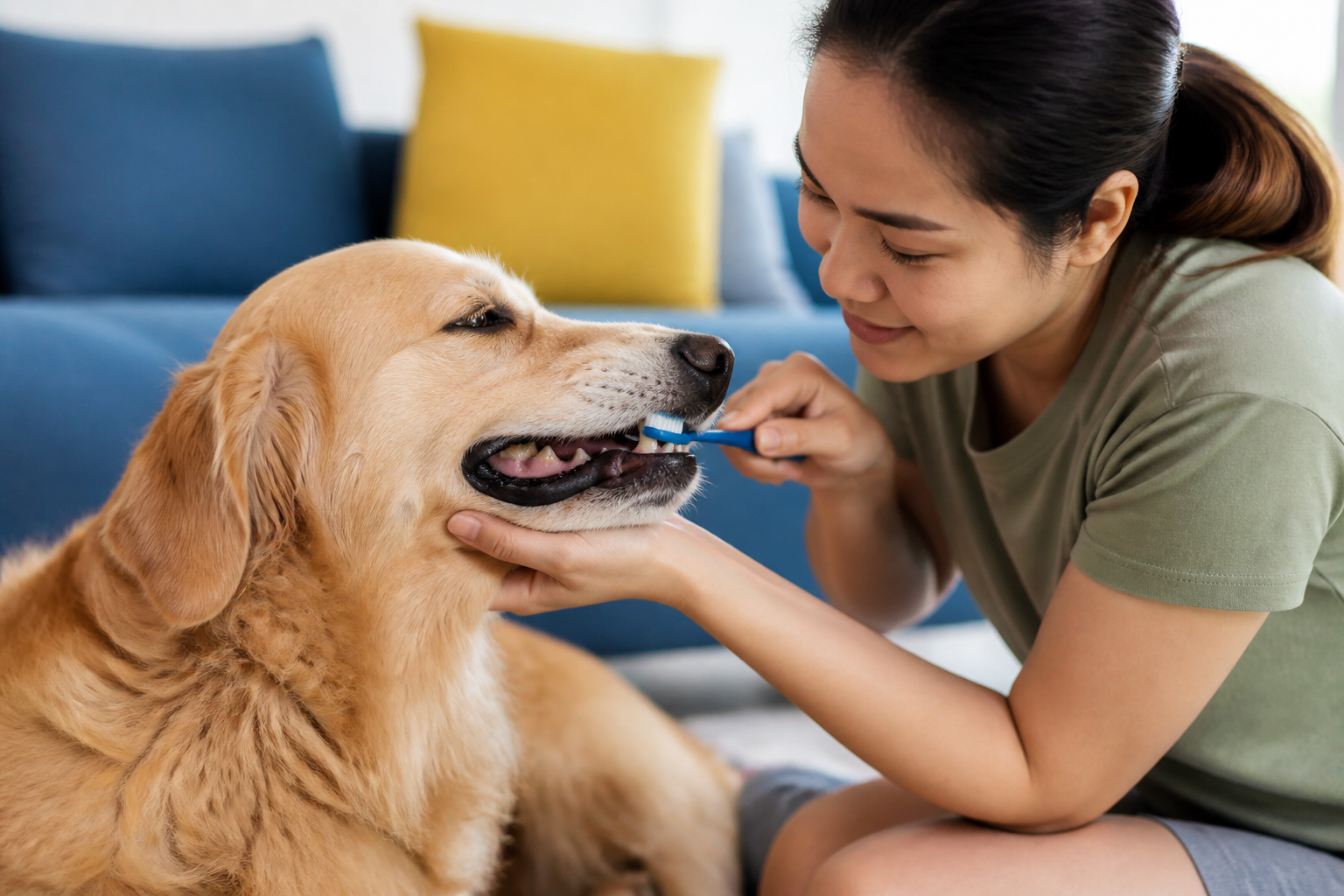
You lift your dog's lip to check their smile and see it. The front teeth look pearly white, but the far back molars are coated in a thick, yellow-brown layer of tartar. This is a common sight for many pet owners because those back teeth are incredibly difficult to reach during a quick grooming session. At BaxterBoo, we know that dental care often feels like a wrestling match, especially when you are trying to reach the very back of the mouth. This post covers the best techniques for reaching those hidden molars, the tools that make the job easier, and what to do if your dog refuses a toothbrush. You can protect your dog from painful dental disease by mastering a few simple habits and using the right supplies.
Why the Back Teeth Are Plaque Magnets
The back teeth of a dog include the molars and premolars. These teeth are designed for grinding and crushing food. Because of their shape and location, they have many nooks and crannies where food particles can get stuck. Saliva also tends to pool in the back of the mouth, which contributes to the mineralisation of plaque into tartar.
The upper fourth premolar is often called the carnassial tooth. It is a large, heavy-duty tooth used for shearing. This specific tooth is one of the most common sites for heavy tartar buildup and even abscesses. Because it is tucked far back under the cheek, many owners do not notice problems there until the dog starts showing signs of pain or develops a foul smell.
Plaque can start to harden into tartar in as little as 24 to 48 hours. Once it becomes tartar, it is like concrete. You cannot simply brush it away at home. This is why daily attention to the back of the mouth is so important. If you only clean the front teeth, you are leaving the most vulnerable parts of the mouth at risk for infection. For more general guidance, read our pet dental care tips.
Quick Answer: The best way to clean a dog's back teeth is to use a long-handled toothbrush and enzymatic toothpaste. Gently slide the brush along the inside of the cheek to reach the molars. Use circular motions at a 45-degree angle to the gumline for about 30 seconds on each side.
Getting Your Dog Ready for Dental Work
Most dogs do not naturally enjoy having their mouths handled. If you rush in with a brush and start scrubbing the back teeth, your dog will likely pull away or hide. You need to create a calm environment and build trust before you ever attempt a full cleaning.
Choose a time when your dog is relaxed. After a long walk or a vigorous play session is usually best. A tired dog is more likely to sit still and tolerate the process. Avoid trying to brush their teeth when they are excited for a meal or full of energy.
Start by just touching your dog's face and muzzle. Reward them with praise or a small, healthy treat when they let you touch their lips. You want them to associate mouth handling with positive things. This preparation phase is the foundation of a successful long-term routine.
Key Takeaway: Preparation is more important than the actual brushing when you first start. A calm dog is a cooperative dog, and positive reinforcement builds the trust needed to reach those sensitive back molars.
The 7-Day Training Schedule
Training your dog to accept a toothbrush takes time. Do not expect to clean every tooth on the first day. Follow this week-long plan to help your dog get used to the sensation.
Step 1: Introduction to the taste. / Put a small amount of dog-specific toothpaste on your finger and let your dog lick it off. Most pet pastes come in flavors like poultry or beef to make them appealing.
Step 2: Finger rubbing the gums. / While your dog licks the paste, gently rub your finger along their front teeth and gums. Keep the session under thirty seconds.
Step 3: Reaching further back. / Start sliding your finger further back toward the premolars. Do not worry about a brush yet. Just get them used to the feeling of your finger in the back of their cheek.
Step 4: Introducing the brush. / Show your dog the toothbrush and let them sniff it. Put some paste on the bristles and let them lick it off.
Step 5: The first touch with bristles. / Gently lift the lip and touch the front teeth with the brush for just a few seconds. Follow this with a high-value reward.
Step 6: Brushing the front and sides. / Use the brush on the front teeth and the canine teeth. If they stay calm, try to reach the first few premolars.
Step 7: Reaching the back molars. / Finally, guide the brush all the way to the back. Focus on the outer surfaces of the molars where the cheek touches the teeth.
Vet Tip: If your dog becomes stressed at any point, stop and go back to the previous step. Forcing the issue can lead to a permanent fear of the toothbrush, which makes future dental care much harder.
How to Clean Dog's Back Teeth: A Step-by-Step Guide
Once your dog is comfortable with the brush, you can perform a full cleaning. Reaching the back molars requires a specific technique to ensure you are actually removing plaque.
Step 1: Position yourself correctly. / For small dogs, sit them in your lap. For larger dogs, sit on the floor beside them. Do not stand over them, as this can feel threatening.
Step 2: Slide the brush along the cheek. / You do not need to open your dog's mouth wide. In fact, keeping the mouth closed makes it easier to reach the outside of the back teeth. Gently slide the brush between the teeth and the cheek.
Step 3: Use the 45-degree angle. / Angle the bristles toward the gumline. Most dental disease happens where the tooth meets the gum. Use small, circular motions rather than long, horizontal strokes.
Step 4: Spend time on the upper molars. / The upper back teeth usually have the most buildup. Focus your efforts here for at least 30 seconds on each side of the mouth.
Step 5: Don't forget the bottom teeth. / Lower molars also collect plaque. Follow the same circular motion along the bottom gumline.
Step 6: Reward and finish. / End every session with something positive. This could be a play session, a dental chew, or lots of verbal praise.
For a toothbrush designed to make brushing easier, consider the EZ DOG 3-Sided Dog Toothbrush.
Bottom line: Reaching the back teeth is easiest when the mouth is closed, allowing the cheek to stretch so you can slide the brush to the very back of the jaw.
Choosing the Right Tools and Paste
The tools you use can make a huge difference in how effective your cleaning is. At BaxterBoo, we carry a wide variety of dental supplies designed for different dog sizes and temperaments. You need to choose items that fit your dog's mouth comfortably. Explore our dog dental care collection for brushes, toothpaste, wipes, chews, and other oral-care supplies.
A long-handled toothbrush is usually the best choice for reaching back molars. These brushes often have an angled head that allows you to get around the curve of the jaw. If you have a toy breed, look for a brush with a very small head. Standard brushes are often too bulky for tiny mouths.
Finger brushes are another option. These are small rubber or silicone caps that fit over your fingertip. They are great for training because they give you better control. However, they can be difficult to use on the very back teeth of a large dog because your hand might block your view or your dog might accidentally nip your finger.
Never use human toothpaste on a dog. Human pastes often contain fluoride or xylitol. Both of these ingredients are toxic to dogs. Pet toothpaste is enzymatic. This means it uses safe enzymes to help break down plaque even if you do not scrub perfectly. Since dogs cannot spit, these pastes are also formulated to be swallowed safely. You can browse our dog dental and breath-care supplies to find pet-specific options.
When Brushing Is Not Possible: Useful Alternatives
We understand that some dogs simply will not tolerate a toothbrush. If you have an older dog with a history of dental pain or a rescue dog with trauma, you might need a different approach. While brushing is the best way to clean, other methods can help reduce plaque buildup.
Dental chews are a popular alternative. Brands like Greenies are specifically shaped to scrape the teeth as the dog chews. The mechanical action of chewing helps rub away plaque before it hardens. Look for the VOHC Seal of Acceptance on dental products. This seal means the product has been tested and proven to reduce plaque or tartar.
Water additives are another hands-off option. You simply add a measured amount of liquid to your dog's water bowl. These additives often contain enzymes or ingredients like chlorhexidine that help fight the bacteria that cause plaque. While they are not a replacement for physical cleaning, they are a helpful supplement to a dental routine. The OxyFresh Pet Dental Water Additive is one option for dogs that resist brushing.
Dental wipes can work for dogs who are okay with your finger in their mouth but hate the bristles of a brush. These are pre-moistened pads you wrap around your finger. You can rub them over the back molars to wipe away the daily film of plaque. This is much better than doing nothing at all.
Key Takeaway: If you cannot brush, a combination of dental chews and water additives is a solid second-best strategy. Consistency is more important than the specific method you use.
The Connection Between Dental and Systemic Health
Cleaning the back teeth is about much more than just fresh breath. Dental health is closely linked to the health of the rest of the body. When plaque and tartar build up, they cause inflammation in the gums. This is called gingivitis.
As the gums become inflamed, they can start to bleed. This allows bacteria from the mouth to enter the bloodstream. Once in the blood, these bacteria can travel to major organs. Studies have shown that chronic dental disease can lead to damage in the heart, liver, and kidneys. Learn more about warning signs in our guide to bad teeth in dogs.
In senior dogs, this risk is even higher. Maintaining clean back teeth can actually help extend your dog's life. It prevents the constant strain on the immune system that comes with fighting a chronic infection in the mouth. This is why we advocate for regular dental care as a core part of wellness.
Vet Tip: If you notice your dog has extremely foul breath, red and swollen gums, or is dropping food, please schedule a visit with your veterinarian. These are signs of active infection or pain that requires professional medical intervention.
Dealing with Small Breed Challenges
Small and flat-faced breeds like Pugs, Bulldogs, and Chihuahuas face unique dental challenges. These dogs often have the same number of teeth as large dogs but much less space in their mouths. This leads to crowding and overlapping teeth.
When teeth are crowded, there are even more places for plaque to hide. Food gets trapped between the tight spaces of the back molars very easily. These breeds are also prone to having retained baby teeth, which can cause adult teeth to grow in at odd angles.
If you have a small breed dog, you should start dental care as early as possible. They often need more frequent professional cleanings than larger breeds. Be very gentle when reaching for the back teeth, as their jaws are more delicate. Using a tiny, soft-bristled brush is essential for these little pets.
Signs Your Dog Needs a Professional Dental Visit
Even with the best home care, most dogs will eventually need a professional cleaning from a veterinarian. Home brushing is preventative. It does not remove tartar that has already hardened. Think of your home care like brushing your own teeth, while the vet visit is like your six-month dental check-up and scaling.
Our pharmacy provides access to prescription dental diets like Farmina Vet Life for dogs managing specific health needs. We work through a partnership with Pet's Choice to offer FDA-approved medications and foods that your vet might recommend after a dental exam. If your dog has advanced gum disease, they may need antibiotics or specialized food to help their mouth heal. Visit our pet pharmacy to explore available prescription products.
Signs that it is time for a professional cleaning include:
- Deep yellow or brown crust along the gumline of the back molars.
- Persistent bad breath that does not improve with brushing.
- Gums that bleed easily when touched.
- Loss of appetite or acting "fussy" about hard kibble.
- Pawing at the face or mouth.
- Loose or broken teeth.
Professional cleanings are done under anesthesia. This allows the vet to clean under the gumline and take X-rays to check the health of the roots. This level of cleaning is impossible to do while a dog is awake.
Bottom line: Professional dental cleanings are a necessary part of a complete health plan. Home brushing makes these visits less frequent and less complicated.
Common Mistakes to Avoid
When learning how to clean dog's back teeth, it is easy to make a few common errors. Avoiding these will make the process faster and more effective for both you and your dog.
One big mistake is rushing. If you try to do the whole mouth in the first session, you will likely overwhelm your pet. Start small and build up. Another mistake is using the wrong brush size. A brush that is too large will hit the sensitive tissues at the back of the jaw and cause pain.
Many owners also forget to check the inside surfaces of the teeth. While the tongue does a decent job of cleaning the inside, it is not perfect. Once your dog is a pro at having the outside of their teeth brushed, try to briefly brush the inside surfaces as well.
Finally, do not be inconsistent. Brushing once a month does very little to prevent dental disease. Plaque turns into tartar quickly. Aim for at least three times a week, though daily is the gold standard for pet health.
Conclusion
Taking care of your dog's back teeth is one of the best things you can do for their long-term health. While it may seem daunting at first, most dogs can learn to tolerate or even enjoy the process with enough praise and the right poultry-flavored paste. By focusing on the back molars, you are targeting the area where most dental problems begin. We carry everything you need to get started, from ergonomic brushes to VOHC-accepted chews and water additives.
Regular home care combined with professional veterinary check-ups ensures your dog stays happy and pain-free. If your vet recommends specific medications or a prescription dental diet, remember that our pharmacy and Pet's Choice partnership are here to help you get those supplies delivered right to your door. Start your routine today and enjoy those fresh-smelling puppy kisses.
Key Takeaway: Consistent daily care focusing on the back molars can prevent systemic health issues and save you from expensive veterinary dental procedures in the future.
FAQ
Is it too late to start brushing my senior dog's teeth?
It is never too late to start, but you should have a vet check their mouth first. If your senior dog already has significant tartar or painful gums, brushing might cause them discomfort. Once a vet has performed a professional cleaning, you can start a home routine to keep the teeth clean and healthy.
Why does my dog's breath still smell bad after brushing?
Persistent bad breath often means there is an underlying issue like a tooth infection or tartar buildup under the gumline. Brushing only cleans the surface of the tooth. If the smell remains, it is a sign that your dog needs a professional dental exam to check for hidden problems.
Can I use baking soda to clean my dog's teeth?
Baking soda is not recommended for dogs because it has a high alkaline content and a taste that most dogs find unpleasant. If swallowed in large amounts, it can upset a dog's stomach or cause electrolyte imbalances. It is much safer and more effective to use a flavored enzymatic toothpaste made specifically for pets.
What should I do if my dog tries to bite the toothbrush?
If your dog is biting the brush, they are likely stressed or think it is a toy. Stop the session and go back to finger rubbing with toothpaste. You can also try using a finger brush, which feels more natural to some dogs. If the behavior continues, consider using dental chews or water additives as an alternative.






