
 Save 15% on your 1st Autoship learn more

 Email us
 Live Chat
 FAQs
FAQs





Introduction
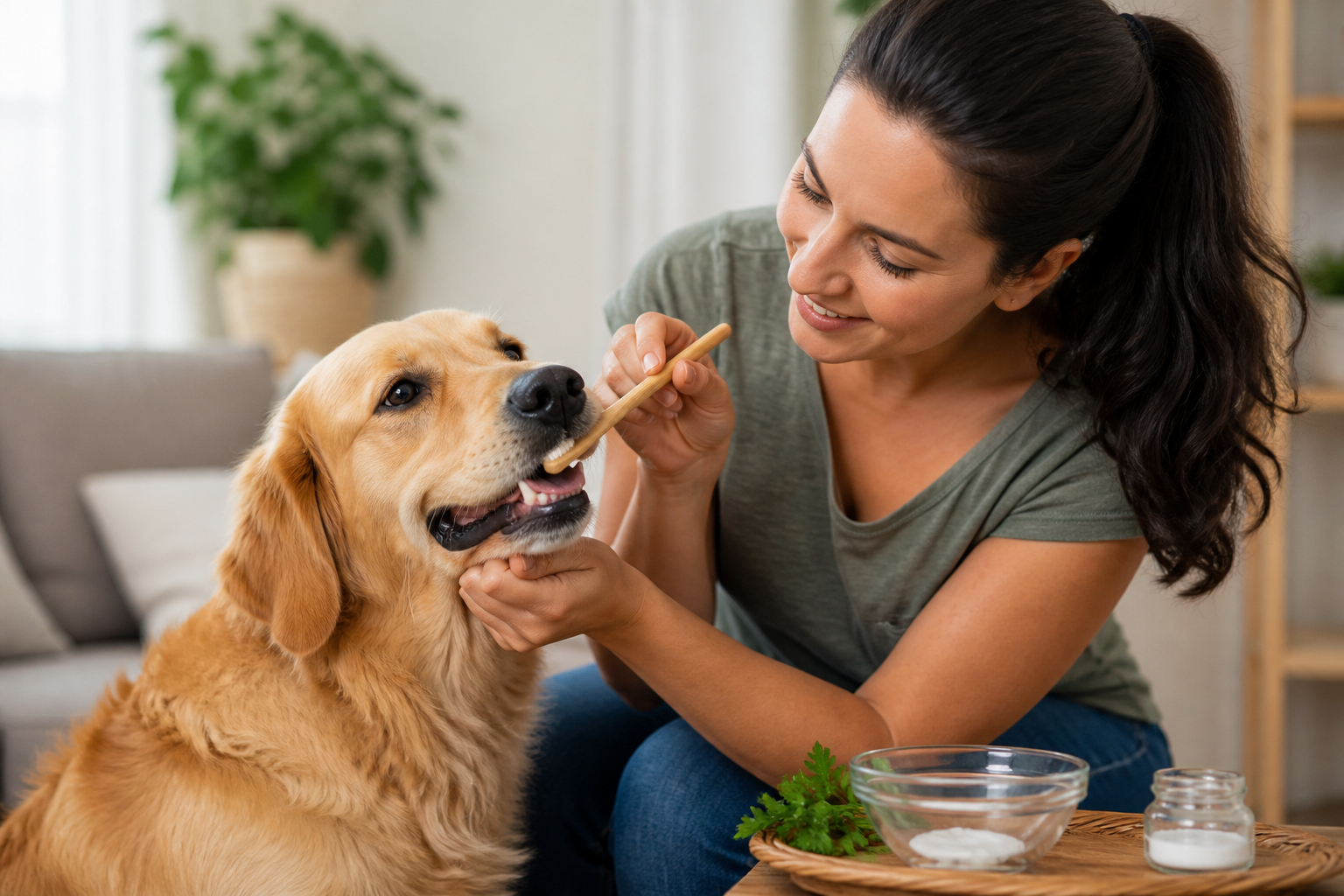
You are relaxing on the sofa when your dog leans in for a friendly nuzzle. Suddenly, a wave of pungent breath hits you. It is a common moment for many pet owners. We often focus on diet and exercise but overlook the pearly whites until the smell becomes impossible to ignore. At BaxterBoo, we know that keeping a dog’s mouth clean is about more than just fresh breath. It is a cornerstone of their overall health. This post covers practical ways to use natural chews, household ingredients, and simple training to maintain your dog's oral hygiene. You can support their dental health without a struggle. While traditional brushing is a gold standard, natural methods offer a stress-free way to keep tartar at bay between professional cleanings.
The Importance of Natural Dental Care
Dental health is one of the most neglected areas of pet care. By the age of three, many dogs show early signs of oral health issues. This usually starts with a thin layer of plaque. If it is not removed, it hardens into tartar. This can lead to red gums, discomfort, and even more serious systemic health concerns. Natural dental care focuses on prevention using safe, non-toxic methods.
Many commercial dental products contain artificial colors or synthetic chemicals. Natural alternatives use mechanical action and safe ingredients to clean the mouth. For example, the simple act of chewing can scrape away debris before it hardens. Using natural oils can help manage the bacteria that cause bad breath. These methods are often easier for dogs to accept than a plastic toothbrush.
Key Takeaway: Natural dental care uses mechanical chewing and safe, pantry-stable ingredients to prevent plaque buildup before it becomes a serious health issue.
Crunchy Vegetables as Natural Toothbrushes
One of the easiest ways to help clean your dog’s teeth is through their diet. Certain vegetables act like natural scrubbers. When a dog crunches into a raw carrot or a piece of celery, the fiber helps wipe away food particles.
Carrots
Raw carrots are a fantastic natural tool. They are hard enough to require significant chewing. This action helps massage the gums and scrape the surface of the teeth. Carrots are also low in calories and high in fiber. This makes them an excellent snack for dogs watching their weight.
Celery
Celery is often called nature's dental floss for dogs. It is high in water and very fibrous. As your dog chews the stalks, the fibers move between the teeth. This helps remove debris in hard to reach places. Celery also helps stimulate saliva production. Saliva is the mouth's natural defense against bacteria.
Sliced Apples
Apples are another crunchy option. They contain malic acid, which can help dissolve some stains on the teeth. However, apples contain sugar, so they should be given in moderation. Always remove the seeds and the core before feeding. The seeds contain small amounts of cyanide and the core is a choking hazard.
Vet Tip: While crunchy vegetables help, they cannot remove hardened tartar. If you notice your dog has thick brown deposits or bleeding gums, consult your veterinarian for a professional assessment.
The Benefits of Coconut Oil
Coconut oil is a favorite among pet owners for many reasons. It has natural antibacterial and antifungal properties. These come from lauric acid. In the mouth, coconut oil can help reduce the amount of harmful bacteria that lead to plaque and bad breath.
You can use coconut oil in a few different ways:
- As a Rub: Apply a small amount to a soft cloth or your finger and rub it directly onto your dog’s gums.
- As a Mix-in: Add a teaspoon to their food once a day to support general oral health.
- As a Toothpaste Base: Mix it with other natural ingredients to create a homemade cleaning paste.
Most dogs love the taste of coconut oil. This makes it a great "high value" reward during dental care. It turns a chore into a treat. We carry various natural supplements at BaxterBoo that can also support skin and coat health while you work on their teeth.
Using Natural Chews for Tartar Control
Chewing is a biological necessity for dogs. It relieves stress and provides mental stimulation. It is also one of the best natural ways to clean teeth. The key is choosing the right type of chew. Explore our dental treats and chews to compare natural options for your dog.
Bully Sticks
Bully sticks are 100 percent beef muscle. They are long lasting and fully digestible. As the dog chews, the stick softens and the fibers act like a brush. This helps scrub the gum line. Brands like Redbarn offer high quality options that are much safer than synthetic rawhide.
Yak Cheese Chews
These are very hard chews made from yak and cow milk. They are excellent for heavy chewers. A dog must work on a yak chew for a long time to soften the edges. This constant friction is highly effective at removing soft plaque.
Beef Collagen Sticks
Collagen sticks are a newer alternative to traditional chews. They are made from the inner layer of beef skin. They are rich in protein and support joint health. They also provide the tough, elastic texture needed to clean teeth through mechanical action.
Key Takeaway: Long-lasting natural chews provide the mechanical friction necessary to scrape plaque off the teeth and stimulate healthy blood flow in the gums.
A Simple DIY Dog Toothpaste Recipe
You do not need to buy expensive flavored pastes to clean your dog’s teeth. You can make a safe and effective version at home using common ingredients.
The Ingredients
- Coconut Oil (4 tablespoons): This acts as the base and provides antibacterial benefits.
- Baking Soda (1 tablespoon): This provides a very mild abrasive to help lift stains.
- Dried Parsley (1 teaspoon): Parsley is a natural deodorizer and helps freshen the breath.
- Beef or Chicken Broth (Optional): Add a few drops of low-sodium broth to make the paste more appealing.
The Process
Step 1: Soften the oil. / Ensure the coconut oil is at room temperature so it is easy to stir.
Step 2: Combine ingredients. / Mix the baking soda and parsley into the oil until it forms a smooth paste.
Step 3: Store and use. / Keep the paste in a small airtight jar. Use a pea-sized amount for each cleaning session.
Note: Never use human toothpaste for your dog. Human toothpaste contains fluoride and often xylitol. Both of these ingredients are highly toxic to dogs if swallowed.
Training Your Dog to Accept Dental Care
The biggest hurdle for most owners is getting the dog to sit still. This requires patience and a slow approach. You want your dog to associate mouth handling with positive rewards. For more guidance, read these dog dental care tips.
The Chin Rest Technique
Teaching your dog to rest their chin in your hand gives you control without force. Hold your palm out and reward your dog for placing their chin on it. Once they are comfortable, you can start lifting their lips with the other hand.
Finger Massages
Before you ever use a brush or a cloth, use your bare finger. Dip your finger in a little bit of coconut oil or broth. Gently rub your dog’s teeth and gums. This gets them used to the sensation of something moving in their mouth.
Introducing Tools
Once the finger massage is a non-event, you can transition to a soft cloth or a finger brush. Keep sessions very short. Aim for thirty seconds at first. Always end the session with a high value treat or a favorite toy.
Quick Answer: How often should I clean my dog's teeth naturally? Aim for a combination of daily natural chews and a manual cleaning session 2-3 times per week. This consistency prevents plaque from hardening into tartar.
Supplements and Water Additives
Sometimes, a dog simply will not allow you to touch their mouth. In these cases, you can use products that work through their water or food. Many of these products use natural enzymes to break down plaque. Our dog dental care selection includes chews and products for different routines.
Water Additives
These are flavorless liquids you add to the water bowl. They usually contain ingredients like green tea extract or citric acid. They work by altering the pH of the mouth. This makes it harder for bacteria to thrive.
Dental Powders
Powders are often made from seaweed or brown algae. When the dog eats the powder, the active ingredients are absorbed into the bloodstream. They are then secreted back into the saliva. This helps soften existing tartar over several weeks. Our team at BaxterBoo often recommends these for senior dogs who may find hard chews difficult to manage.
Knowing When to See a Professional
Natural methods are amazing for maintenance. However, they are not a cure for established dental disease. You should inspect your dog's mouth once a week for warning signs. You can also review warning signs of dental problems in dogs.
Signs of dental trouble include:
- Persistent Bad Breath: While "dog breath" is normal, a truly foul or sweet smell can indicate infection.
- Discolored Teeth: Dark brown or yellow deposits near the gum line are usually tartar.
- Bleeding Gums: If you see blood on their toys or during a cleaning, their gums are likely inflamed.
- Difficulty Eating: Dropping food or tilting the head while chewing can sign oral pain.
For dogs with chronic dental issues or those requiring prescription dental diets, we can help. Our pharmacy provides access to FDA-approved medications and prescription foods through our partnership with Pet's Choice. If your vet prescribes a specific dental recovery plan, we can fulfill those needs with the same care we give to our retail products.
Vet Tip: Annual professional dental cleanings under anesthesia are the only way to clean under the gum line where most disease starts. Use natural home care to keep those professional cleanings as infrequent as possible.
| Method | Best For | Benefit |
|---|---|---|
| Raw Carrots | Light chewing/Weight loss | Mechanical scrubbing |
| Bully Sticks | Medium to heavy chewers | Flossing action |
| Coconut Oil | All dogs | Antibacterial |
| Water Additive | Picky dogs | Effortless bacterial control |
Managing Senior Dog Dental Needs
As dogs age, their teeth may become more sensitive. Older dogs are also more prone to gum recession. You might need to adjust your natural routine. A senior dog might not be able to handle a hard yak chew. Instead, you can switch to softer dental wipes or the coconut oil rub mentioned earlier.
Keep an eye on their eating habits. If a senior dog suddenly stops wanting their favorite dry kibble, it might be due to tooth pain rather than pickiness. Soaking their food in warm water can help. It also provides an opportunity to mix in dental supplements that support the gums.
Bottom line: Adapting your natural dental routine to your dog's current life stage ensures they stay comfortable while maintaining oral health.
Common Mistakes to Avoid
When cleaning teeth at home, it is easy to make a few common errors. Avoid these to keep the process safe and effective.
- Using Hard Bones: Real bones can be too hard for some dogs. They can lead to fractured teeth. Stick to chews that have some "give," like collagen or bully sticks.
- Going Too Fast: If you force your dog's mouth open, they will learn to hide when they see the supplies. Keep it fun and slow.
- Inconsistency: Plaque starts to harden into tartar within 24 to 48 hours. Doing a natural cleaning once a month will not provide much benefit.
- Ignoring the Back Teeth: Most owners only clean the front teeth because they are easy to see. The back molars are where most tartar builds up.
We want every pet owner to feel confident in their home care routine. At BaxterBoo, we curate our dental section to include only the brands we trust for our own pets, like Kong and Greenies. This helps you shop with peace of mind.
Summary of Natural Dental Habits
Maintaining a clean mouth does not have to be a chore. It is a combination of lifestyle choices and small daily actions. By integrating natural tools, you can significantly improve your dog's quality of life.
- Provide appropriate chews like bully sticks or yak cheese to handle mechanical cleaning.
- Use healthy snacks like carrots and celery for extra scrubbing power.
- Try a DIY paste with coconut oil to manage bacteria and freshen breath.
- Stay consistent with a schedule to keep plaque from hardening.
- Monitor for pain and consult a vet if you see signs of dental disease.
Our pharmacy at BaxterBoo is available for those times when your vet recommends a more clinical approach, such as prescription-strength dental rinses or specialized diets through Pet's Choice.
Key Takeaway: A successful natural dental routine combines healthy chewing habits with regular mouth inspections and gentle manual cleaning.
Conclusion
Keeping your dog's teeth clean at home is a manageable task when you use natural methods that work with their instincts. Whether you are giving them a crunchy carrot, a long-lasting chew, or a quick coconut oil rub, every small step counts. These habits help reduce the risk of discomfort and keep their breath fresh for those sofa snuggles. Remember that home care is a partnership with your veterinarian. Regular checkups ensure that your natural efforts are working effectively. For all your dental needs, from enrichment toys to specialized supplements, we invite you to browse our Dental Care section. Taking care of their teeth today ensures a happier, healthier life for your dog tomorrow.
FAQ
Can I use baking soda alone to clean my dog's teeth?
While baking soda is a good mild abrasive, it should not be used in large amounts. It is high in sodium and can upset a dog's stomach if they swallow too much. It is best to mix it into a paste with coconut oil to make it safer and more palatable.
Do dental chews really work as well as brushing?
Dental chews are an excellent supplement, but they usually only clean the tips of the teeth and the chewing surfaces. Brushing or using a cloth allows you to reach the gum line where bacteria thrive. A combination of both methods is the most effective approach for oral health.
How can I tell if my dog's teeth are hurting them?
Dogs are experts at hiding pain, but you can look for subtle clues. If they only chew on one side of their mouth or shy away when you touch their face, they may be in pain. Other signs include excessive drooling, pawing at the mouth, or a sudden loss of interest in hard toys.
Are raw bones safe for cleaning teeth at home?
Raw bones can help clean teeth, but they come with risks like splintering or causing tooth fractures. Many veterinarians recommend safer alternatives like high-quality bully sticks or collagen chews. If you choose to use bones, always supervise your dog and choose "meaty" bones that are appropriate for their size.






