
 Save 15% on your 1st Autoship learn more

 Email us
 Live Chat
 FAQs
FAQs





Introduction
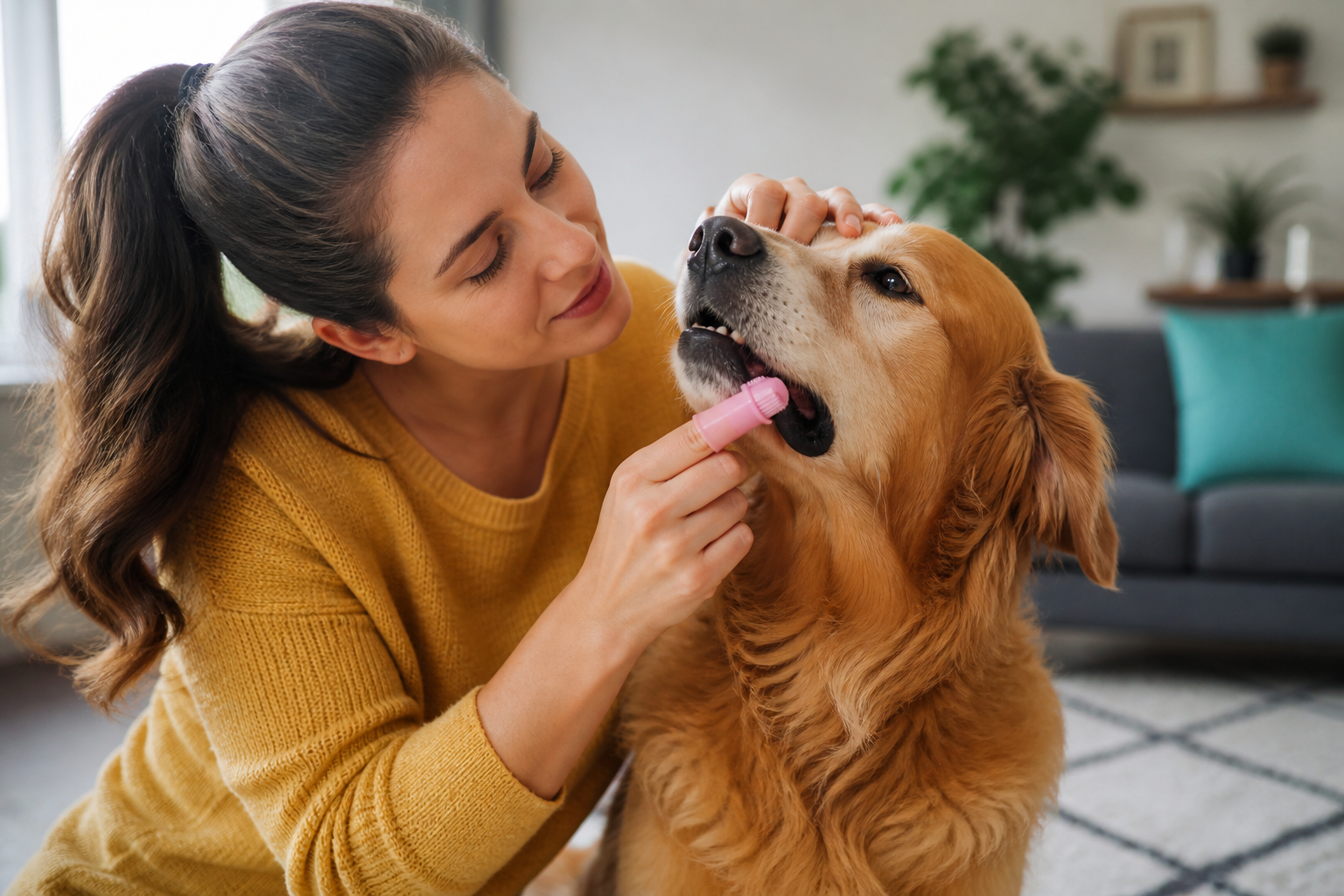
You grab the toothbrush and your dog immediately vanishes under the coffee table. This scenario is a daily reality for many pet owners who know dental care is important but cannot seem to get their dog to cooperate. It feels like a losing battle when every attempt at hygiene results in a wrestling match or a stressed-out pup. At BaxterBoo, we talk to owners every day who face this exact struggle with resistant pets. This guide will walk you through practical strategies to maintain your dog's oral health without the drama. We will cover high-quality alternatives like dental powders and chews, along with a step-by-step plan to slowly build trust. You can keep those pearly whites clean even if your dog currently refuses to let a toothbrush near their mouth.
Why Dental Care Is Not Optional
Many owners think bad breath is just a natural part of being a dog. In reality, persistent foul odors are often the first sign of oral bacteria buildup. When plaque sits on the teeth, it mixes with minerals in saliva to form tartar. This hard, crusty substance provides a home for bacteria to thrive right against the gum line.
If left alone, these bacteria do not just stay in the mouth. They can enter the bloodstream through inflamed gums and travel to major organs. This puts a significant strain on the heart, liver, and kidneys over time. Maintaining a clean mouth is one of the most effective ways to extend your dog's life and prevent chronic systemic issues.
Key Takeaway: Oral health is total body health. Keeping the mouth clean prevents bacteria from spreading to vital organs like the heart and kidneys.
The Power of Dental Powders
If your dog will not let you touch their mouth at all, dental powders are your best friend. These are designed to be sprinkled directly onto your dog's food. They work systemically or through contact with saliva to break down the biofilm that leads to plaque.
We highly recommend looking for products containing A.N ProDen, which is a specific type of seaweed. This natural ingredient has been studied for its ability to soften existing tartar and prevent new plaque from sticking. The best part is that it requires zero handling of the dog's mouth. You simply measure the scoop and mix it into their morning meal.
Many of these powders carry the VOHC Seal of Acceptance. This means the Veterinary Oral Health Council has reviewed clinical data proving the product actually works. For a dog that is highly reactive to toothbrushes, a daily powder is often the most effective first line of defense. You can explore our dental and breath care category for powders, gels, chews, and other oral-care options.
Quick Answer: You can clean a resistant dog's teeth using VOHC-approved dental powders, water additives, and specialized chews. These methods work through saliva and mechanical action to reduce plaque without requiring a toothbrush.
Choosing the Right Dental Chews
Chewing is a natural behavior that provides mechanical cleaning. As your dog gnaws on a firm chew, the edges of the treat scrape against the surface of the teeth. This physical action helps rub away soft plaque before it can harden into tartar.
However, not all treats are created equal. Some are too soft and are swallowed in seconds, providing no cleaning benefit. Others are too hard and can actually fracture a dog's teeth. Look for chews that have a slightly flexible or porous texture. This allows the tooth to sink into the chew, cleaning all the way down to the gum line.
- Size Matters: Always choose a chew that is appropriate for your dog's weight. A chew that is too small can be a choking hazard.
- Calories Count: Dental treats have calories. If you give one every day, you may need to slightly reduce your dog's meal portions to prevent weight gain.
- Daily Use: Consistency is key. Mechanical cleaning works best when it happens every single day.
For additional ideas, read our guide to the best dental chews for dogs.
The Role of Water Additives
Water additives are a passive way to support oral hygiene. These are liquids you pour into your dog's water bowl. They typically contain enzymes or antimicrobial agents that help kill the bacteria responsible for plaque and bad breath.
This is a great option for multi-pet households or dogs that are picky about powders on their food. Most additives are flavorless and odorless, so your dog will not even know they are there. While they are not a replacement for mechanical cleaning, they are a valuable tool in a "no-brush" dental routine.
Vet Tip: If you notice your dog's gums are red, swollen, or bleeding, schedule a veterinary exam. These are signs of gingivitis or periodontal disease that require professional assessment rather than just home care.
Prescription Dental Diets and the Pharmacy
For dogs with a history of rapid tartar buildup, a standard kibble may not be enough. Professional dental diets are formulated with a specific kibble size and texture. Unlike regular food that crumbles instantly, dental kibble is designed to stay in contact with the tooth longer as the dog bites down. This creates a "scrubbing" effect.
These diets often contain minerals that bind calcium in the saliva, preventing it from mineralizing into tartar. Because these are specialized medical foods, they require a prescription from your veterinarian. Our pet pharmacy services offer prescription pet foods and medications through our partnership with Pet's Choice.
If your vet recommends a specific dental diet from brands like Royal Canin or Hill’s Prescription Diet, you can easily fulfill that through our pharmacy services. These diets are often a foundational step for managing oral health in small breeds that are prone to dental issues.
Using Dental Wipes and Gels
If your dog allows you to touch their face but panics at the sight of a brush, dental wipes are an excellent middle ground. These are pre-moistened pads that you wrap around your pointer finger. You simply swipe the pad across the outer surfaces of the teeth.
Wipes are less intrusive than a brush with bristles. They allow you to feel exactly where you are cleaning, which reduces the chance of accidentally poking your dog's gums. Dental gels work similarly. You can apply a small amount of gel to your finger and rub it on the gums. These gels often have a pleasant flavor like peanut butter or beef, making the experience more rewarding for the dog.
Comparison of No-Brush Methods
| Method | Effort Level | Primary Benefit | Best For |
|---|---|---|---|
| Dental Powder | Very Low | Systemic plaque control | Highly resistant dogs |
| Dental Chews | Low | Mechanical scrubbing | Active chewers |
| Water Additive | Very Low | Bacteria reduction | Easy maintenance |
| Dental Wipes | Medium | Targeted cleaning | Calm but brush-shy dogs |
| Prescription Diet | Low | Daily preventative care | Breeds prone to tartar |
The 7-Day Desensitization Plan
If you want to eventually move toward brushing, you must go slowly. Forcing a dog into a dental routine usually backfires. Use this week-long plan to help your dog feel comfortable with mouth handling. For more guidance, review our pet dental care tips.
Day 1 to 2: The Taste Test Put a small dab of dog-safe toothpaste on your finger. Let your dog lick it off. Do not try to touch their teeth yet. You want them to associate the flavor with a positive reward. Use praise and a high-value treat afterward.
Day 3 to 4: The Lip Lift Gently lift your dog's upper lip for just one second while they lick the paste. Reward them immediately. If they pull away, go back to just letting them lick the paste. The goal is to show them that having their mouth touched is not scary.
Day 5 to 6: The Finger Rub Wrap a soft cloth or a dental wipe around your finger. Gently rub one or two of the large front teeth. Focus on the canine teeth, as they are the easiest to reach. Keep the session under thirty seconds and follow up with a favorite toy or treat.
Day 7: The Soft Introduction Introduce a finger brush or a very soft silicone brush. Apply the toothpaste and let them lick it first. Then, try two or three circular motions on the front teeth. Stop while the experience is still positive.
Bottom line: Slow and steady progress is better than forcing a brush and ruining your dog's trust.
Recognizing Signs of Dental Pain
Dogs are notorious for hiding pain. This is an evolutionary trait to avoid appearing vulnerable. Many owners assume that if their dog is still eating, their teeth must be fine. Unfortunately, dogs will often continue to eat even with severe dental infections or broken teeth.
You need to look for subtle behavioral changes. If your dog starts dropping food while eating, they might have a painful tooth. If they suddenly stop playing with their favorite tug toy or chew bone, it could be a sign of oral discomfort.
- Pawing at the face: This can indicate a toothache or something stuck in the gums.
- Excessive drooling: New or unusual drooling is often linked to mouth irritation.
- One-sided chewing: If your dog only uses one side of their mouth to eat, the other side likely hurts.
- Facial swelling: Swelling under the eye is a classic sign of a tooth root abscess.
If you see any of these signs, please consult your veterinarian immediately. No amount of home cleaning can fix an infected root or a fractured tooth. You can also read warning signs of dental problems in dogs to help identify concerning changes.
The Importance of the VOHC Seal
When you browse the aisles at our warehouse in Vernon Hills or look through our online store, you will see many products claiming to clean teeth. At us, we encourage owners to look for the VOHC Seal of Acceptance. This is an independent certification.
The Veterinary Oral Health Council sets strict protocols for testing. A company must prove through clinical trials that their product reduces plaque or tartar by a certain percentage to earn the seal. Using products with this seal ensures you are spending your money on something that actually produces results. We carry many VOHC-approved brands, including Greenies, ProDen PlaqueOff, and specific Royal Canin diets.
Professional Cleaning: When Is It Necessary?
Home care is preventative. It is designed to keep a clean mouth healthy. However, even with the best home routine, most dogs will eventually need a professional cleaning. This is because home methods cannot remove tartar that has already hardened.
Tartar is like concrete. It requires professional scaling tools to pop it off the tooth surface. More importantly, a veterinarian can clean under the gum line where most periodontal disease begins. This procedure is done under general anesthesia to ensure the dog is comfortable and the vet can perform a thorough exam, including dental X-rays.
Regular checkups at your vet's office will help you determine when it is time for a professional cleaning. For many dogs, this happens every one to three years depending on their genetics and how well the home routine is working.
Creating a Sustainable Routine
The best dental plan is the one you actually follow. If brushing causes you and your dog stress, do not do it. Instead, lean into the alternatives that fit your lifestyle. A combination approach is usually the most successful.
Try adding a dental powder to their breakfast every morning. This takes seconds and provides a baseline of protection. In the evening, give your dog a VOHC-approved dental chew. This satisfies their natural urge to gnaw while providing mechanical cleaning. If your dog is prone to bad breath, use a water additive in their main bowl.
For repeat-purchase dental items, our Autoship programme can help make regular deliveries easier to manage.
By layering these methods, you provide multiple levels of defense against plaque and tartar. You do not need to be a professional groomer to keep your dog's mouth healthy. You just need the right tools and a little bit of consistency.
Key Takeaway: You do not have to brush to make a difference. A combination of dental powder and VOHC-approved chews can significantly improve oral health for resistant dogs.
Conclusion
Keeping your dog's teeth clean does not have to be a source of anxiety for either of you. While brushing is a great goal, there are many effective ways to maintain oral health through powders, additives, and specialized treats. The most important factor is starting somewhere and staying consistent. We at BaxterBoo are here to help you find the right products that your dog will actually enjoy using.
- Use dental powders for dogs that refuse all mouth handling.
- Select VOHC-approved chews to ensure the product is clinically effective.
- Monitor your dog for signs of pain and schedule regular vet checkups.
- Explore prescription dental diets through our pharmacy for advanced care.
The best next step for your dog's dental health is to browse our Dental Care category. If your vet has recommended a specific prescription food, check out our pharmacy section to see how our Pet's Choice partnership can make refills easy and affordable.
FAQ
Can I use human toothpaste on my dog if they won't let me use a brush? No, you should never use human toothpaste for dogs because it often contains xylitol and fluoride. Xylitol is a sweetener that is highly toxic to dogs and can cause life-threatening drops in blood sugar or liver failure. Additionally, dogs cannot spit, and swallowing the foaming agents in human toothpaste can cause severe stomach upset. Always use a flavored enzymatic toothpaste specifically formulated for pets.
Will dental chews alone keep my dog's teeth clean? Dental chews are a helpful tool, but they are rarely enough as a standalone solution for a dog that refuses brushing. They primarily clean the chewing surfaces of the teeth and may miss the areas right along the gum line. For the best results, we recommend combining daily dental chews with a water additive or a dental powder to provide comprehensive protection.
My dog's breath still smells bad even after using additives. What should I do? If your dog's breath remains foul despite a consistent at-home cleaning routine, it usually indicates that there is an underlying issue like a tooth infection or significant tartar buildup under the gums. At-home products cannot remove hardened tartar or treat infections. You should consult your veterinarian for a professional dental exam and cleaning to address the source of the odor.
Is it too late to start a dental routine for an older dog? It is never too late to start caring for your dog's teeth, but older dogs may already have existing dental disease. If your senior dog has significant tartar or loose teeth, start with a veterinary exam to ensure they are not in pain. Once any existing issues are treated, starting a "no-brush" routine with powders or soft chews can help prevent further decay and improve their quality of life.






